
How to Sterilize Pruning Tools to Prevent Disease Spread
Published on: March 29, 2026 | Last Updated: March 29, 2026
Written By: Lena Greenfield
Have you ever worried that your pruning shears might be spreading sickness from one plant to another? You’re right to be concerned, because dirty tools are a common way plant diseases travel through your garden.
I’ve learned from years of tending my own garden that a simple cleaning routine makes all the difference. In this guide, I’ll walk you through the best sterilization methods, when you need to do it, and which tools require attention.
The Hidden Danger of Dirty Pruners
I learned this lesson the hard way years ago when a prized succulent collection suddenly developed soft, oozy spots. I’d been meticulously snipping off dead leaves with the same pruners, unknowingly spreading a bacterial infection from one plant to the next. That tiny, invisible world on your tool’s blade is the biggest threat to your indoor jungle. Every cut is an open wound, and pressing a dirty blade into it is like introducing germs directly into the plant’s system. Fungal spores, bacteria, and viruses can linger on metal surfaces for a surprisingly long time, just waiting for their next host.
Think about what you might see after a pruning session-sticky sap, green plant residue, or even a bit of rust. That visible gunk is a cozy home for the microscopic pathogens you truly need to worry about. It doesn’t take a major outbreak; one contaminated cut on a vulnerable plant is all it takes to start a problem that can be difficult to contain.
Your Sterilization Toolkit: Choosing the Right Disinfectant
Having the right disinfectant on hand turns a risky chore into a simple, safe habit. I keep my “sterilization station” in a small tray right next to my potting supplies. Your goal is to kill pathogens without damaging your tools or leaving a harmful residue that could hurt your plants. For succulents, sterilizing soil safely is essential to prevent root rot. Safe soil sterilization methods keep roots healthy without leaving harmful residues. Here’s a breakdown of the most common and effective options I’ve used over the years.
Isopropyl Alcohol: The Quick and Easy Choice
This is my go-to for everyday pruning. I always have a spray bottle filled with 70% isopropyl alcohol within arm’s reach. The beauty of alcohol is that it works almost instantly, requires no mixing, and evaporates completely, leaving no residue behind. It’s perfect for quickly disinfecting your shears between plants, especially when you’re doing light maintenance like deadheading or removing a single yellow leaf. Regular pruning also improves air circulation and light penetration through the canopy, promoting healthier growth. Thinning crowded areas lets light reach inner branches and helps prevent disease.
My method is straightforward:
- Wipe off any large bits of plant debris with a dry cloth.
- Spray or wipe the blades thoroughly with the alcohol.
- Let the tool air dry for a minute before making your next cut.
Quick Tip: For a super thorough clean, soak a small rag in alcohol and keep it in a sealed jar; you can wipe your blades clean in seconds. For indoor plant leaves, use a soft damp cloth to wipe away dust—avoid alcohol on the foliage to prevent damage.
Bleach Solution: The Heavy-Duty Option
Reserve bleach for when you’re dealing with a known sick plant or if you’ve accidentally pruned something with a severe infection. A diluted bleach solution is a powerful, broad-spectrum disinfectant that kills virtually everything on contact. The downside is that it’s corrosive to metal and can be harmful to your skin and lungs, so you must use it with care.
I mix one part household bleach with nine parts water in a designated, well-labeled container.
- Always wear gloves and work in a well-ventilated area.
- Submerge the blades or wipe them thoroughly for a full minute.
- This is the critical step: rinse the tools with clean water afterward to neutralize the bleach.
- Dry them completely to prevent rust, which can be a problem if you skip the rinsing step.
Hydrogen Peroxide: A Gentler Alternative
If you’re wary of bleach but want something stronger than alcohol, 3% hydrogen peroxide is a fantastic middle ground. Hydrogen peroxide breaks down into just water and oxygen, making it a very plant-friendly and eco-conscious choice. You’ll see it fizz when it contacts organic material-that’s it actively working to kill microbes.
You can use it straight from the brown bottle it comes in.
- Pour it into a small container and soak your tool’s blades for about 5-10 minutes.
- No rinsing is needed, which makes the process very simple.
- Just be aware that it loses its potency once opened, so a fresh bottle is best for maximum effectiveness.
Quick Tip: Hydrogen peroxide is also great for sterilizing clay pots before reusing them!
Step-by-Step Guide to Sterilizing Your Tools
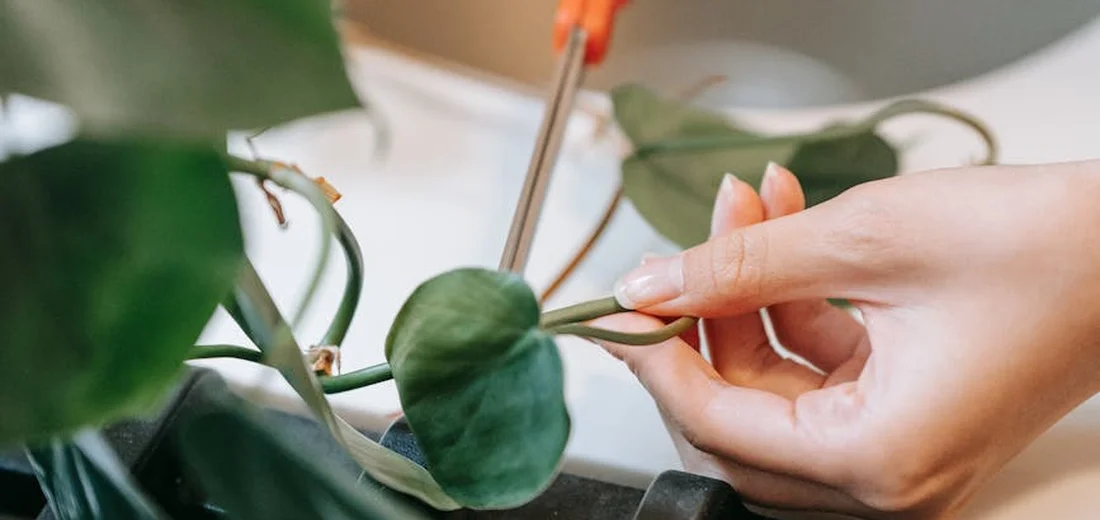
-
Pre-Clean: Removing Sap and Debris
I always start by giving my pruners a good scrub with warm, soapy water and an old toothbrush. Plant sap and dried-on dirt create a protective barrier that shields germs from your disinfectant. I learned this the hard way after spreading a nasty fungus between my succulents. A quick rinse isn’t enough; you need to physically remove all that gunk for the next step to work.
-
Disinfect: Applying Your Chosen Solution
Once your tools are clean, it’s time to kill the germs. I keep a spray bottle of 70% isopropyl alcohol handy for this. You must fully saturate the blades and let the solution sit for the correct contact time to be effective. For alcohol, that’s at least 30 seconds. If you’re using a diluted bleach solution (1 part bleach to 9 parts water), the blades need to soak for a full 5 minutes. Don’t forget the nooks and crannies where the blades meet!
-
Dry and Protect: Preventing Rust
After disinfecting, I dry every part of my pruners with a clean cloth until they are completely moisture-free. Leaving any disinfectant residue, especially bleach, on the metal will cause rust surprisingly fast. As a final touch, I put a single drop of mineral oil on the pivot point and work it in. This keeps the action smooth and protects the metal without harming my plants later.
When to Sterilize: Timing is Everything
You don’t need to sterilize before every single snip, but you should be strategic about it. Based on my years of tending to a crowded indoor jungle, here are the non-negotiable times to clean your tools.
- Between every single plant. This is my golden rule. Even if a plant looks healthy, it could be carrying a pathogen. Moving from your fiddle leaf fig to your string of pearls without cleaning is a major cross-contamination risk.
- Before and after pruning any plant that shows signs of disease, like black spots, powdery mildew, or mushy stems.
- After you’ve finished your pruning session for the day, before you put your tools away in storage.
- Anytime you accidentally cut into diseased plant tissue, stop immediately and sterilize before making another cut.
A quick tip: Keep a jar filled with sand and enough mineral oil to dampen it. Stabbing your clean pruners into this a few times after use cleans and oils them in one go! This little hack has saved me so much time and kept my favorite shears in perfect condition for years, especially when used for pruning my ZZ plants.
Beyond Chemicals: Heat Sterilization Methods
Sometimes, the best disinfectant doesn’t come from a bottle. Heat sterilization is a fantastic, chemical-free way to annihilate pathogens on your pruning tools, and it’s a method I’ve personally relied on for years. It’s particularly useful when you’re dealing with a known diseased plant and want to be absolutely certain your tools are clean before moving on to the next.
Boiling Water: The Simple Soak
This is the most accessible heat method for any plant parent. I keep a dedicated old pot in my gardening supplies just for this purpose (especially for Pothos plants).
- Bring a pot of water to a rolling boil.
- Use tongs to fully submerge the blades of your pruners or shears.
- Let them sit in the boiling water for a full 30 minutes to ensure all bacteria and viruses are destroyed.
- Carefully remove the tools with tongs and place them on a clean towel to air dry completely.
Quick Tip: Dry your tools immediately and thoroughly after a boiling water bath to prevent rust from forming.
Direct Flame: The Quick Blaze
For a near-instantaneous cleanse, you can carefully pass the blade of your tool through a flame. I use my kitchen gas stove or a small handheld propane torch for this.
- Hold the cutting blades with a pair of pliers for safety.
- Pass the metal blade through the flame for a few seconds on each side, until the metal changes color slightly.
- Let the tool cool down completely before using or storing it.
Be aware that repeated, prolonged exposure to high heat can affect the temper of the steel, potentially softening the blade over a long period. I reserve this method for emergencies or for tools I’m about to use on a high-risk plant.
Caring for Your Tools Post-Sterilization
Sterilizing your tools is only half the battle. How you treat them afterward determines their lifespan and readiness for the next job. A clean, well-maintained tool is a joy to use and makes precise cuts that help your plants heal faster. It’s just as important to ensure you’re using reliable and essential tools for plant health monitoring and care.
Drying is Non-Negotiable
Whether you’ve used chemicals, boiling water, or a wipe-down, moisture is your tool’s worst enemy. I always lay my freshly cleaned tools on a dry, clean towel and let them air dry fully before even thinking about putting them away. Trapped moisture is the primary cause of rust, which can pit the blades and ruin their sharp edge.
Lubricate for Smooth Operation
After every cleaning and sterilization session, I make it a habit to oil the moving parts of my pruners and shears. This keeps the action smooth and prevents the pivot point from seizing up.
- Use a lightweight machine oil or a specific tool lubricant.
- Apply a single drop to the pivot point and open and close the tool a few times to work it in.
- Wipe away any excess oil to avoid attracting dust.
Smart Storage Solutions
Don’t just toss your precious tools into a damp toolbox or leave them on a potting bench. I keep mine in a specific drawer with a silica gel pack to absorb any ambient moisture. You can also hang them on a pegboard. Storing your tools properly protects the sharp blades and ensures they’re sterile and ready for immediate use. A dedicated, dry home for your tools is the final, crucial step in a complete care routine.
## Common Questions
Is sterilizing pruning tools really necessary for healthy-looking plants?
Yes, because pathogens are often invisible and can be present on seemingly healthy plants.
Can I just wipe the blades on a cloth between plants instead of sterilizing?
No, wiping alone removes debris but does not kill the microscopic pathogens that cause disease.
Isn’t sterilizing tools too much of a hassle for a quick pruning session?
Using a quick method like an alcohol spray takes only seconds and is far less trouble than treating a plant disease.
Do I need to sterilize my tools if I only have a few plants?
Yes, even a single contaminated cut can introduce a disease that can spread rapidly in an indoor environment.
Will frequent sterilization damage my expensive pruning tools?
No, proper sterilization methods like using alcohol will not damage your tools, whereas neglecting them can lead to corrosive sap and rust.
Can’t I just sterilize my tools at the end of the day instead of between each plant?
No, sterilizing between every plant is essential to prevent cross-contamination, as diseases can spread with a single cut. Even if you quarantine new plants, it’s still necessary to sterilize your tools regularly when working with any plants.
Your Plants Will Thank You
Sterilizing your pruning tools is a quick, essential routine that stops diseases in their tracks and keeps your indoor garden flourishing. From my years of nurturing everything from delicate succulents to leafy houseplants, I stick to this simple habit after every single pruning session. It’s one of the essential steps for proper plant pruning.
- Wipe blades with 70% isopropyl alcohol immediately after use.
- Perform a monthly deep clean with a diluted bleach solution.
- Always dry tools thoroughly to prevent rust.
You’ve got this-a little care for your tools means a lot of health for your plants. I started this practice early on, and it gave me the confidence to prune without worry, leading to happier, more resilient plants in my own home. Pruning lets you control plant size and shape, helping growth stay balanced. With a little regular care, you’ll be able to keep your plants looking just the way you want.
Further Reading & Sources
- Pruning Tool Sterilization – When Do You Need To Clean Garden Tools | Gardening Know How
- How do I sanitize my pruning shears? | Yard and Garden
- Sterilized Pruning Tools: Nuisance or Necessity? Dr. Linda Chalker-Scott
- Clean and disinfect gardening tools and containers | UMN Extension
Lena Greenfield is a passionate horticulturist and plant care expert with over 10 years of experience cultivating and nurturing hardy house plants. With a deep understanding of both indoor and outdoor gardening, Lena shares practical advice on choosing, caring for, and maintaining resilient plants that flourish year-round. Through her knowledge and hands-on approach, Lena helps plant lovers transform their spaces into vibrant, green sanctuaries, no matter their gardening experience.
Plant Diseases