
How to Treat and Prevent Spider Mites on Indoor Plants
Have you noticed fine webs or yellow speckles on your plant’s leaves? You’re likely dealing with spider mites, tiny pests that can quickly overwhelm your indoor garden.
The good news is you can absolutely save your plants and prevent future infestations.
In this guide, I’ll share my hard-won advice from years of plant parenting, covering identifying an infestation, immediate treatment steps, effective homemade solutions, long-term prevention, and my personal product recommendations.
Understanding Spider Mites and Their Behavior
Spider mites are not insects but tiny arachnids, closely related to spiders and ticks. In my experience, their minuscule size is their greatest weapon, allowing them to go unnoticed until a full-blown infestation has taken hold. They use piercing mouthparts to suck the chlorophyll right out of plant cells, which is why an affected plant often looks drained of life.
Their life cycle is alarmingly fast, especially in the cozy environment of our homes.
- A single female can lay hundreds of eggs in her lifetime.
- In ideal conditions, they can progress from egg to adult in less than a week.
- This rapid reproduction means a few mites can become a massive colony before you even notice the first speckled leaf.
Spider mites absolutely thrive in the same conditions many of our favorite houseplants love: warm and dry air. I’ve found that my succulents and plants near heating vents are often the first to show signs of trouble during winter. They despise humidity and moisture, which is a key clue for both prevention and treatment. My fiddle leaf fig once had a minor outbreak because I let the air around it get too stagnant and dry for too long.
Identifying Spider Mite Infestations Early
Catching these pests early is the single most important step in saving your plant. The damage starts subtly before becoming a crisis. To stay ahead, implement an integrated pest management approach for IPM for indoor plants. IPM emphasizes monitoring, prevention, and targeted treatment to minimize harm to beneficial organisms.
Look for these visual signs:
- Fine Webbing: This is the most definitive sign. You’ll see a delicate, silky webbing, much thinner than a spider’s, on the undersides of leaves or between stems.
- Stippling: Tiny yellow or white speckles on the leaf surface. This is where the mites have fed, and the leaf tissue has died.
- Leaf Discoloration: Leaves may turn a dull bronze or yellow and look generally unhealthy. In severe cases, leaves will dry up completely and fall off.
To confirm your suspicions, follow these inspection steps.
- Take the plant to a well-lit area, like under a bright lamp or near a sunny window.
- Hold a plain white piece of paper under a leaf and gently tap the foliage.
- Look closely at the paper. If you see tiny, moving specks that look like dust, you have spider mites.
- For absolute confirmation, use a 10x magnifying glass to inspect the leaf undersides. You might see the mites themselves, which can be red, brown, or nearly clear, and their round, translucent eggs.
Quick tip: Regularly wiping your plant’s leaves with a damp cloth not only keeps them dust-free but also gives you a perfect opportunity to inspect for early pest signs. Ensure to use the right cleaning technique to avoid damaging the leaves.
It’s easy to confuse spider mite damage with other issues. Unlike fungus gnats, which are flies you’ll see in the air, spider mites stay on the plant. Their stippling is finer and more uniform than the larger, irregular holes left by caterpillars or slugs. If you see sticky residue (honeydew), you’re likely dealing with aphids or scale, not mites.
Immediate Treatment Steps for Spider Mites

When you spot those tiny webs and stippled leaves, you need to act fast. I’ve found that a swift, multi-step approach is the only way to stop a small outbreak from becoming a full-blown infestation.
- Isolate the infested plant to prevent spread. Move it to another room, away from your other plant friends, immediately.
- Prune heavily damaged leaves and dispose of them properly. Seal them in a plastic bag and throw them in the outdoor trash-don’t compost them!
- Wash the plant with a strong water spray to dislodge mites. I take my plants to the shower or sink and give the leaves, especially the undersides, a thorough blasting.
- Apply treatments like neem oil or insecticidal soap, following product instructions. Cover every part of the plant, as these pests hide in the smallest crevices.
- Repeat treatments every 5-7 days to disrupt the life cycle. Spider mite eggs are resistant, so you must keep treating to get the hatchlings. I set a phone reminder so I don’t forget.
Natural and DIY Remedies
I always start with gentler methods, especially for my more sensitive succulents. These natural solutions are effective with consistent application and are much safer for your home environment, especially when used as organic treatments for succulents.
- Neem Oil Spray: This is my go-to. It smothers mites and disrupts their feeding.
- Horticultural Oil: Similar to neem, it creates a physical barrier on the leaves.
- Rubbing Alcohol Wipes: Perfect for spot-treating. Dip a cotton swab in 70% isopropyl alcohol and dab it directly on the mites you see.
You can make a simple, effective spray at home. My favorite recipe mixes 1 teaspoon of mild liquid soap and 1 teaspoon of neem oil into 1 liter of warm water. Shake it well and spray until the plant is dripping, making sure to hit the leaf undersides. Test it on one leaf first to ensure your plant isn’t sensitive.
On my echeverias and jade plants, a weekly preventative neem oil wipe-down has kept them completely mite-free for years.
Chemical and Commercial Options
When a natural approach isn’t enough, it’s time to bring in the stronger solutions. I reserve chemical options for severe, persistent infestations that threaten to kill a prized plant.
- Systemic insecticides are absorbed by the plant, making it toxic to pests that feed on it.
- Specific acaricides are pesticides formulated to target mites specifically.
Always, always use these products with care. Apply them in a very well-ventilated area or outdoors, and wear gloves to protect your skin. Follow the label directions to the letter-more is not better and can harm your plant.
| Product Type | Pros | Cons |
|---|---|---|
| Insecticidal Soap (Ready-to-Use) | Low toxicity, works on contact, safe for most plants | Needs direct contact with pest, may require many applications |
| Systemic Granules | Long-lasting protection, works from the inside out | Not instant, not suitable for edible plants |
| Botanical Acaricide | Fast-acting, targets mites specifically | Can be harmful to beneficial insects, stronger odor |
Preventing Future Spider Mite Infestations
An ounce of prevention is truly worth a pound of cure with these tiny pests. Creating an environment that spider mites hate is the best long-term strategy for a healthy plant collection.
- Increase humidity with misting or humidifiers. Spider mites thrive in dry air. I run a small humidifier near my tropical plants, which they love and mites loathe.
- Regularly inspect new and existing plants. Every time I water, I do a quick check of the undersides of a few leaves. It takes seconds and catches problems early.
- Avoid overwatering and ensure good air circulation. A stressed plant is a vulnerable plant. Good airflow from a gentle fan helps keep leaves dry and pests at bay.
For a more proactive approach, try these eco-friendly options. I place blue sticky traps in the pots of my most susceptible plants; they catch wandering mites before they can settle in. For a serious, chemical-free solution, you can order live predatory mites (like *Phytoseiulus persimilis*) online. They are harmless to plants and people and will voraciously hunt down the spider mites for you.
Tailoring Care for Succulents and Sensitive Plants
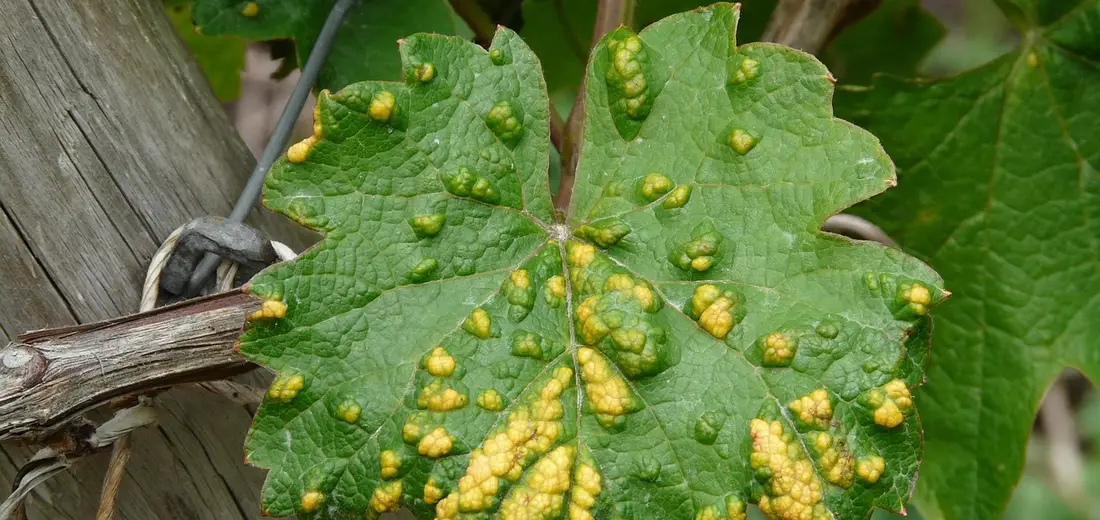
Succulents can be surprisingly vulnerable to spider mites because their tough, waxy leaves actually create perfect hiding spots for pests. I’ve found that mites love to tuck themselves into the tight rosettes of echeverias and the crevices of haworthias, making early detection tricky. Their slow growth also means damage shows up more dramatically and the plant recovers slower. Succulent pests can be especially challenging to control.
Gentle treatments are non-negotiable for these fleshy-leaved plants. Blasting them with a strong water spray can bruise leaves and leave them susceptible to rot, so I always use a soft spray bottle on the “mist” setting instead. Regular, light cleaning helps remove dust and dirt safely from their waxy surfaces. For wiping leaves, a super soft makeup brush or cotton swab dipped in your soapy water is much safer than a rough cloth.
Building a Resilient Foundation
The best defense is a healthy plant, and for succulents, that starts with the soil. A gritty, well-draining potting mix is your first line of defense. When the soil holds too much moisture, it stresses the roots, weakening the entire plant and making it a target for mites (especially for succulents). I make my own mix with half potting soil and half perlite or pumice for maximum drainage.
Water stress is a major attractant for spider mites. Under-watering is just as problematic as over-watering, as a thirsty, stressed succulent emits signals that pests can detect. Stick to a consistent watering schedule where you drench the soil and then let it dry out completely before the next drink. Avoid these common succulent watering mistakes to keep plants healthy. Monitor soil moisture and adjust as seasons change.
Choosing Mite-Resistant Varieties
From my own collection, I’ve noticed some succulents are far less appealing to mites. If you’re prone to infestations, consider adding these tougher varieties:
- Snake Plants (Sansevieria): Their ultra-tough, upright leaves seem to be a natural deterrent. I’ve never had a mite on mine.
- Zebra Haworthia: While mites can get in the stripes, the thick, juicy leaves seem to resist serious damage better than others.
- Jade Plants (Crassula ovata): Their sturdy, woody stems and thick leaves recover well from minor pest issues.
Quick Tip: Boost your succulent’s natural defenses by ensuring it gets plenty of bright, indirect light; a sun-stressed plant is a happy, resilient plant. If natural light is scarce, supplement with a grow light to mimic sun exposure. Use a full-spectrum LED and position it to deliver bright, indirect light for about 12–14 hours daily.
Common Mistakes to Avoid in Spider Mite Control
I’ve made nearly every mistake in the book, so learn from my errors to save your plants. The biggest blunder is reaching for the strongest chemical insecticide right away. Harsh chemicals can burn delicate plant leaves, especially on ferns or flowering plants, and they often kill beneficial insects that would have helped you. I once lost a beautiful calathea to leaf burn from a miticide that was too potent.
Another critical error is missing the follow-up treatment. Spider mite eggs are immune to most sprays, so if you don’t re-treat every 5-7 days for at least two weeks, you’re only killing the adults and a new generation is already on the way. Set a phone reminder-it’s that important.
The Quarantine Non-Negotiable
Skipping quarantine for new plants is like inviting trouble straight into your home. Every single new plant must spend at least two weeks isolated from your collection, no exceptions. I keep a small table in another room just for this purpose. I inspect the newcomer thoroughly and often give it a preventative spray with neem oil before it ever joins the others. This quarantine practice helps prevent pest spread and gives you a chance to catch problems early. Quarantining and treating new plants is a simple, proactive step to keep your whole collection healthy.
Personal Lessons from the Battlefield
My indoor jungle taught me some hard lessons. I once lost a prized string of pearls because I didn’t notice the fine webbing until it was too late. Regular, close inspection of the undersides of leaves is not just a suggestion; it’s a vital part of plant care that can save a collection.
I also learned that consistency beats power. A simple, gentle treatment like insecticidal soap applied consistently is far more effective than a single application of the “strongest stuff” you can find. Patience and persistence are your best tools against these tiny pests.
Quick Tip: Never treat your plants in direct, hot sunlight. The combination of water droplets and sun can act like a magnifying glass and scorch the leaves.
Common Questions
What are indoor plant mites?
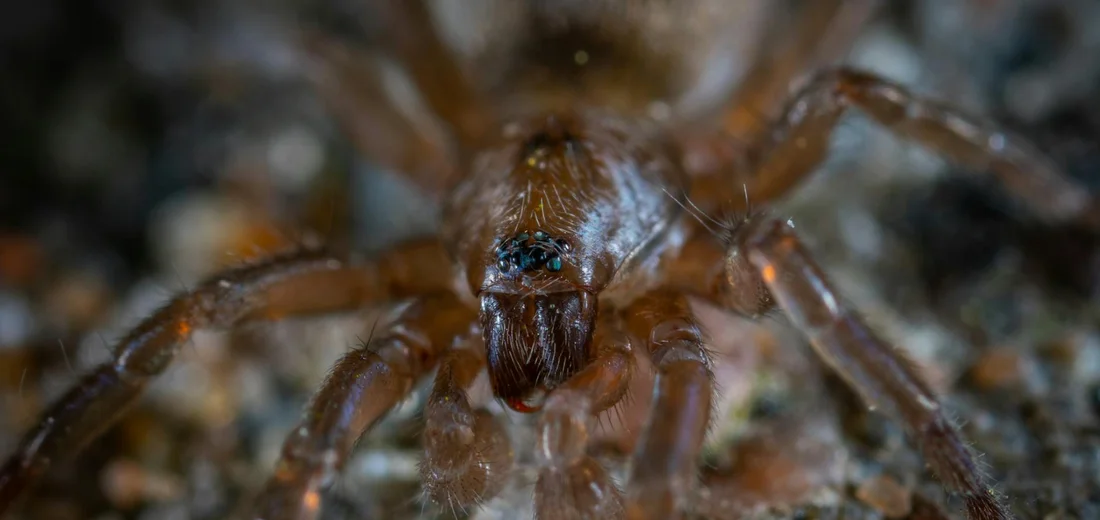
Indoor plant mites are tiny arachnids, like spiders, that suck the chlorophyll from plant cells.
How to identify indoor plant mites?
Identify them by tapping a leaf over white paper to see moving specks or by spotting fine webbing under leaves.
What are the symptoms of indoor plant mites?
Symptoms include yellow or white stippling on leaves, fine silken webbing, and leaves turning bronze or yellow.
How to kill indoor plant mites?
Kill them by using insecticidal soap, neem oil, or a strong water spray, repeating treatments every 5-7 days.
How to DIY kill indoor plant mites?
You can DIY a treatment by mixing 1 tsp mild liquid soap and 1 tsp neem oil into 1 liter of water and spraying the plant thoroughly.
What is a home remedy for indoor plant mite killer?
A common home remedy is to wipe leaves with a cotton swab dipped in 70% isopropyl alcohol to kill mites on contact.
Your Healthy, Mite-Free Plant Journey Starts Now
Remember, the best strategy combines proactive prevention with early, decisive action: isolate new plants, inspect leaves regularly, and spot early warning signs of pest infestations—tiny specks on leaves, stippling, or webbing—as your first alert. Act quickly when you notice them and treat infestations immediately with water sprays, insecticidal soap, or neem oil. Catching these pests early is the single most important factor in saving your plant.
You’ve got this! Armed with this knowledge, you can confidently protect your green companions. Your attentive care makes all the difference, so keep enjoying the beautiful, thriving indoor jungle you’ve worked so hard to cultivate.
Further Reading & Sources
- How to spot and remove spider mites | Patch
- Spider Mites
- How To Get Rid Of Spider Mites On Indoor Plants
- How to Get Rid of Spider Mites on Plants: Complete Treatment
Lena Greenfield is a passionate horticulturist and plant care expert with over 10 years of experience cultivating and nurturing hardy house plants. With a deep understanding of both indoor and outdoor gardening, Lena shares practical advice on choosing, caring for, and maintaining resilient plants that flourish year-round. Through her knowledge and hands-on approach, Lena helps plant lovers transform their spaces into vibrant, green sanctuaries, no matter their gardening experience.
Common Pests