
Kalanchoe Care Guide: Growing Flowering Succulents Indoors
Published on: March 6, 2026 | Last Updated: March 6, 2026
Written By: Lena Greenfield
Are you wondering how to keep your Kalanchoe thriving as an indoor plant? You might be worried about overwatering or getting those cheerful blooms to return season after season.
In my years of growing these colorful succulents, I’ve picked up simple tricks that make all the difference, and I’ll walk you through light needs, watering routines, soil choices, fertilizing, pruning, propagation, common issues, and blooming encouragement.
Getting to Know Your Kalanchoe
I’ve found that understanding a plant’s personality is the first step to a happy relationship. Kalanchoes are the resilient, low-drama friends of the plant world, often surprising you with bursts of cheerful color when you least expect it. They belong to the large Crassulaceae family, which means they’re cousins to jade plants and echeverias. What I love most is their incredible variety; you can find them with scalloped leaves, fuzzy foliage, or even tiny plantlets growing right on the leaf edges!
My very first Kalanchoe was a ‘Flapjack’ variety, and its paddle-shaped leaves taught me how these plants store water. Those thick, fleshy leaves are your plant’s personal water reservoir, allowing it to forgive the occasional missed watering. Most succulents store water primarily in their leaves, though some also stock reserves in their stems. This built-in survival system is what makes them such fantastic starter plants for new succulent parents. They communicate their needs clearly—wrinkled leaves mean “I’m thirsty,” while soft, discolored leaves whisper, “You’re loving me a little too much with that watering can.”
Essential Kalanchoe Care for Thriving Plants
The Right Light for Lush Growth and Flowers
Light is the magic ingredient for a spectacular Kalanchoe show. I keep mine in a bright east or west-facing window where they get several hours of direct sun, followed by bright indirect light. This mimics the dappled sunlight of their native habitats. When my ‘Calandiva’ refused to rebloom, moving it to a brighter spot was the simple fix it needed.
Watch your plant’s leaves for light signals. If the leaves are stretching out or the vibrant colors are fading, your plant is begging for more sunshine. Conversely, if you see scorched, brown patches, it’s getting a bit too much intense, direct light. A sheer curtain can work wonders to soften harsh afternoon rays. For consistent flowering, they truly need that bright light trigger.
Mastering the Art of Watering
Overwatering is the number one reason Kalanchoes struggle indoors. I follow the “soak and dry” method, which means I drench the soil completely and then let it dry out almost entirely before watering again. In my sunniest window, this might be every 10-14 days, but in lower light, it can stretch to three weeks. The pot’s weight is my best clue-a light pot means dry soil.
Stick your finger about two inches into the soil. If it feels dry, it’s time for a drink; if there’s any moisture at all, wait a few more days. I’ve learned the hard way that these succulents prefer a period of drought to constantly damp roots. In winter, I cut back watering significantly, sometimes only giving mine a small drink once a month. However, it’s crucial to know the signs and symptoms of when succulents need water to avoid overdoing it.
Choosing the Perfect Soil and Container
The right home for your Kalanchoe is non-negotiable. I always use a gritty, fast-draining cactus and succulent mix, and sometimes I add a handful of extra perlite or coarse sand to improve drainage even more. Regular potting soil holds too much moisture and can lead to root rot, which is a death sentence for these plants.
When it comes to pots, drainage holes are an absolute must. Terra cotta pots are my go-to because the porous clay allows the soil to dry out more evenly, preventing soggy conditions. Choose a pot that’s only an inch or two wider than the root ball; too much extra soil stays wet for too long. A snug pot encourages a healthy, compact root system—especially important when potting snake plants.
Feeding Your Flowering Succulent
Kalanchoes aren’t heavy feeders, but a little nutritional boost encourages those gorgeous blooms. I feed mine with a balanced, water-soluble fertilizer diluted to half-strength, but only during their active growing season in spring and summer. I typically fertilize once a month, right after a watering session to avoid shocking the roots.
Look for a fertilizer where the three numbers on the package (like 10-10-10 or 5-5-5) are balanced or where the middle number (phosphorus) is slightly higher to promote blooming. If you suspect phosphorus deficiency, choosing a product with extra phosphorus can support healthier blooms and stronger roots. Phosphorus helps nourish root development and bloom quality. My biggest tip is to stop fertilizing completely in the fall and winter; the plant is resting, and fertilizing then can do more harm than good. A little food goes a very long way with these modest eaters.
Encouraging and Maintaining Beautiful Blooms
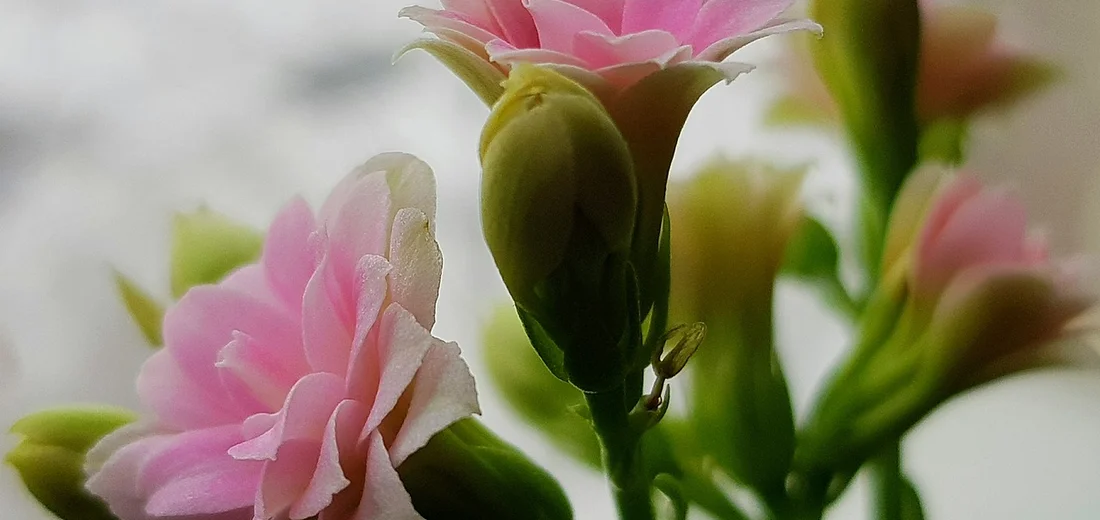
How to Get Your Kalanchoe to Flower Again
I see this question all the time from fellow plant lovers: “My Kalanchoe was gorgeous when I bought it, but now it won’t bloom!” The secret is tricking it into thinking it’s winter. Kalanchoes are “short-day plants,” meaning they need long, uninterrupted periods of darkness to set flower buds. In my own home, I’ve had the most success by giving my plants a strict schedule for about six weeks.
Here is the simple routine I follow every fall to guarantee a spectacular winter or spring show:
- Starting around October 1st, I place my Kalanchoe in a closet or cover it with a box for 14 hours each night.
- During the day, I give it 10 hours of bright, indirect light.
- I water it a little less during this time, only when the soil is completely dry.
- I stop fertilizing entirely to mimic a natural seasonal rest.
After you see tiny flower buds forming, you can stop the dark treatment and return to normal care. Quick tip: A spare room or even a dark cabinet works perfectly for this “nighttime” routine.
Caring for Your Plant During its Bloom Time
Once those vibrant clusters of flowers open up, your job is to keep the show going as long as possible. The blooms can last for several weeks, even months, with the right attention. I always move my blooming Kalanchoe to a spot with bright, indirect light, as direct sun can actually fade or scorch the delicate petals.
Your watering habits need a slight adjustment now, too. Keep the soil lightly moist but never soggy. I stick my finger an inch into the soil; if it feels dry, I give it a thorough drink. Letting the plant sit in water is a sure way to trigger root rot and cause the flowers to drop prematurely.
Resist the urge to fertilize while the plant is in full bloom. Feeding it now can shorten the bloom period because the plant will get a signal to start growing leaves instead of sustaining its flowers. Just enjoy the colorful display and save the plant food for after the flowers have faded.
Propagating Your Kalanchoe for More Plants
Starting New Plants from Leaf Cuttings
This is my absolute favorite way to multiply my Kalanchoe collection because it feels like pure magic. You can grow a whole new plant from a single leaf! Gently twist a healthy, plump leaf from the main stem, making sure you get the entire base without tearing. Let the leaf sit out on a paper towel for a day or two until the broken end forms a dry callus.
Lay the callused leaf on top of a shallow tray filled with a moist, well-draining cactus mix. Do not bury it. I often just lean the base against the side of the pot. Place the tray in a bright spot and mist the soil lightly every few days to keep the surface barely moist.
In a few weeks, you’ll see tiny pink roots searching for the soil and miniature rosettes emerging from the base of the leaf. The patience required for leaf propagation is always rewarded with the thrill of seeing those first baby plants appear.
Growing from Stem Cuttings and Offsets
If you want a fuller plant faster, stem cuttings are the way to go. This is the method I use when I’m pruning a leggy plant. Using a clean, sharp knife, I snip a 2- to 3-inch piece of stem, making the cut just above a leaf node. Pull off the bottom leaves so you have a bare stem to plant. For snake plants, you can also propagate by leaf cuttings—cut a leaf into several 2–3 inch sections and lay them on moist soil. Roots will form at the cut ends over time, yielding new plants.
Let the cutting dry for a couple of days until the cut end is sealed over. Then, simply stick it about an inch deep into a small pot of dry cactus soil. Wait a full week before you give it the first light watering. This prevents rot and encourages the cutting to focus on growing roots. If you’re propagating from leaf cuttings, let the leaf callous and lay it on the surface of dry soil rather than burying it. Keep it in bright, indirect light and avoid watering until roots begin to form.
Many Kalanchoe varieties also produce “pups” or offsets-little baby plants that grow right from the base of the mother. Quick tip: When an offset is a couple of inches wide, you can carefully separate it from the main plant with its own roots and pot it up individually for an instant new plant. I find this method the most foolproof, as the pup is already a fully-formed, tiny plant ready to grow on its own.
Seasonal Care and Adjustments
Winter Care for a Dormant Plant
Winter is when your Kalanchoe wants to take a long nap, and I’ve learned to respect its rest period. You’ll notice growth slows way down, and that’s your cue to change your care routine completely. I keep mine in a cooler spot, around 55-60°F (13-15°C), away from hot radiators that can shock it. Most succulents do best within a defined temperature window—warm by day and cooler at night. That window is usually around 60–80°F by day and 50–60°F at night.
Watering is the biggest shift. Usually they need more water in summer. In winter they slow down dramatically. I only water my Kalanchoes every 3-4 weeks in winter, just enough to prevent the leaves from shriveling. Let the soil become bone dry all the way to the bottom of the pot before you even think about giving it another drink. Overwatering during dormancy is the fastest way to kill a succulent.
Don’t fertilize at all during these colder months. The plant isn’t actively growing, so it can’t use the nutrients. Think of it like not offering a sleeping person a full meal-it just doesn’t need it.
Adapting Care for Different Climates
Your local humidity and temperature dramatically change how you should care for your plant. In my dry, heated home, I have to be extra vigilant about underwatering. If you live in a dry climate, your Kalanchoe will dry out faster and may appreciate a slight humidity boost from a nearby pebble tray.
For those in humid areas, the opposite is true. Your main challenge will be preventing rot, so you must use a super gritty soil mix and extend the time between waterings even further. I’ve found that adding extra perlite or pumice to the potting mix is a lifesaver in muggy conditions.
Light needs adjustment, too. In a northern climate with weak winter sun, place your plant directly in the brightest south-facing window you have. If you’re in a scorching southern climate, protect your Kalanchoe from intense afternoon sun that can scorch its beautiful leaves. A little morning sun is perfect.
Solving Common Kalanchoe Problems
Identifying and Fixing Water-Related Issues
Most Kalanchoe problems lead back to water. Here’s how to spot the difference and fix it.
Soggy, mushy, yellowing leaves that fall off at a touch mean you’re loving it a little too much with water. This is overwatering, and it’s an emergency. You must act fast.
- Stop watering immediately.
- Take the plant out of its pot and gently remove the wet soil from the roots.
- With clean scissors, cut away any black, slimy, or rotten roots.
- Let the root system air dry for a day.
- Repot into fresh, dry succulent mix and don’t water for at least a week.
On the other hand, wrinkled, thin, and crispy leaves are a cry for help. If the leaves look deflated and feel soft, your plant is severely thirsty and needs a long, deep soak. If you’re wondering why your succulent leaves are wrinkly, soft, and squishy, underwatering is a common culprit. Submerge the entire pot in a basin of water for about 30 minutes, then let it drain completely.
Dealing with Pests and Diseases
Healthy Kalanchoes are tough, but stress can make them vulnerable. Mealybugs are the most common pest I encounter; they look like tiny bits of white fluff in the leaf joints.
My go-to fix is to dip a cotton swab in rubbing alcohol and dab it directly on every bug I see. This dissolves their protective coating and kills them on contact. Check the plant every few days and repeat until they’re gone.
Aphids might also appear on new flower buds. A strong spray of water in the sink can knock most of them off, or you can use a gentle insecticidal soap. I always isolate an infested plant to keep the problem from spreading.
The main disease to watch for is powdery mildew, which looks like white powder on the leaves. This fungus thrives in poor air circulation, so simply moving your plant to a breezier spot can often solve the problem. For a bad case, a spray made from one part milk to two parts water can work wonders.
FAQs

How to care for kalanchoe indoors?
Place it in bright, indirect light and use well-draining soil to prevent root rot.
How to water kalanchoe indoors?
Water deeply only when the top inch of soil is completely dry to avoid overwatering.
How to care for kalanchoe indoors in winter?
Reduce watering significantly and keep it in a cooler spot to support dormancy.
What do Reddit users say about kalanchoe care indoors?
They often highlight the need for bright light and caution against frequent watering.
How to care for kalanchoe indoors in the UK?
Supplement with grow lights in darker months and water sparingly due to indoor heating.
How to care for kalanchoe indoor leaves?
Clean leaves gently to remove dust and check for pests to maintain plant health.
Your Kalanchoe Success Starts Here
You’ll keep your kalanchoe thriving with bright light, proper watering, and a little seasonal care. Just remember these three simple things: give it lots of light, water only when the soil is completely dry, and provide a winter rest period to encourage those stunning blooms.
You’ve got this! Caring for these cheerful plants is incredibly rewarding, and now you have the know-how to do it with confidence. Go give your kalanchoe a little love-it’s ready to grow beautifully for you.
Further Reading & Sources
- How to Grow and Care for Kalanchoe
- How To Grow and Care For Kalanchoe | Gardener’s Supply
- Grow Kalanchoe as a Houseplant to Enjoy Its Colorful Flowers
- Kalanchoe Care Guide | Lively Root
Lena Greenfield is a passionate horticulturist and plant care expert with over 10 years of experience cultivating and nurturing hardy house plants. With a deep understanding of both indoor and outdoor gardening, Lena shares practical advice on choosing, caring for, and maintaining resilient plants that flourish year-round. Through her knowledge and hands-on approach, Lena helps plant lovers transform their spaces into vibrant, green sanctuaries, no matter their gardening experience.
Types of Succulents