
Tiny Succulents for Small Spaces
Published on: February 1, 2026 | Last Updated: February 1, 2026
Written By: Lena Greenfield
You want the joy of plants but don’t have a lot of room to spare. The good news is that a huge world of adorable, miniature succulents thrives in tiny pots and tight corners.
I’ve grown hundreds of these little gems on sunny windowsills and in office nooks, and I’ll guide you through the best choices. We’ll explore top varieties, simple care routines, and clever display ideas.
Why Choose Miniature and Small Succulents?
I started collecting tiny succulents years ago when I lived in a studio apartment with just one decent windowsill. Their small size is their superpower, letting you create a lush, green oasis even in the tiniest nook. You don’t need a sprawling garden or a huge bay window to feel the joy of plant parenting.
Beyond just fitting in small spaces, these little guys are incredibly forgiving. Their compact nature often means they grow slower and require less frequent watering than their larger cousins. I’ve found this makes them perfect for beginners or anyone with a busy schedule who might forget a watering day now and then.
One of my favorite things is how they allow for creative expression. You can assemble a diverse, stunning collection on a single shelf, creating a living mosaic of textures, shapes, and colors. It’s like having a miniature, low-maintenance art gallery that you curated yourself.
Popular Types of Miniature and Dwarf Succulents
Over the years, I’ve grown dozens of varieties, but a few have consistently proven to be stars in my small-space setups. Big or small, understanding how these minis grow helps set realistic size expectations. With the right care, they stay wonderfully compact. Here are some of the most reliable and charming miniature succulents you can find.
Haworthia Cooperi
This one is a true gem, with plump, translucent leaves that look like little glass bubbles. I keep mine on my office desk because it thrives in the bright, indirect light and adds a sparkle to my workspace. It stays very compact and propagates easily, giving you little “pups” to share with friends.
- Light: Bright, indirect light.
- Water: Water when soil is completely dry.
- Special Note: The see-through leaf tips are a unique feature that catches the light beautifully.
Echeveria ‘Lola’
‘Lola’ forms a perfect, rose-shaped rosette that stays neat and small. Its pale lavender and pink tones make it look like it’s from a fairy tale, and it rarely grows larger than 3 inches across. It’s the centerpiece of many of my tiny pot arrangements.
- Light: Loves several hours of direct sun to maintain its color.
- Water: Soak and dry method is best; avoid getting water on the leaves.
- Special Note: It may produce a lovely flower stalk from the center.
Lithops (Living Stones)
These are the ultimate space-savers, mimicking small, colorful pebbles. I find their growth cycle fascinating-they split open once a year to reveal a new pair of leaves. They require a specific watering schedule, but it’s easy to learn.
- Light: Needs very bright, direct light.
- Water: Water very sparingly and only during certain growth periods (typically fall).
- Special Note: Do not water when they are splitting, as this can cause rot.
String of Pearls (Senecio rowleyanus)
While it can trail, this plant starts very small and is perfect for high shelves or hanging planters. The cascading strands of little green “pearls” add a dynamic, vertical element to your tiny garden. I have one in a macrame hanger in my kitchen window.
- Light: Prefers bright, indirect light.
- Water: Water when the pearls look slightly shriveled.
- Special Note: The pearls are a good indicator of thirst-they plump up after a good drink.
Aloe ‘Delta Lights’
This dwarf aloe is a stunner with its white-variegated, spiky leaves. It offers the classic aloe look in a compact, slow-growing package that’s perfect for a sunny bathroom counter. It’s also just as useful for minor burns as its larger relatives.
- Light: Enjoys bright light, including some direct sun.
- Water: Allow soil to dry out thoroughly between waterings.
- Special Note: The variegation becomes more pronounced with more light.
Caring for Your Pocket-Sized Plants
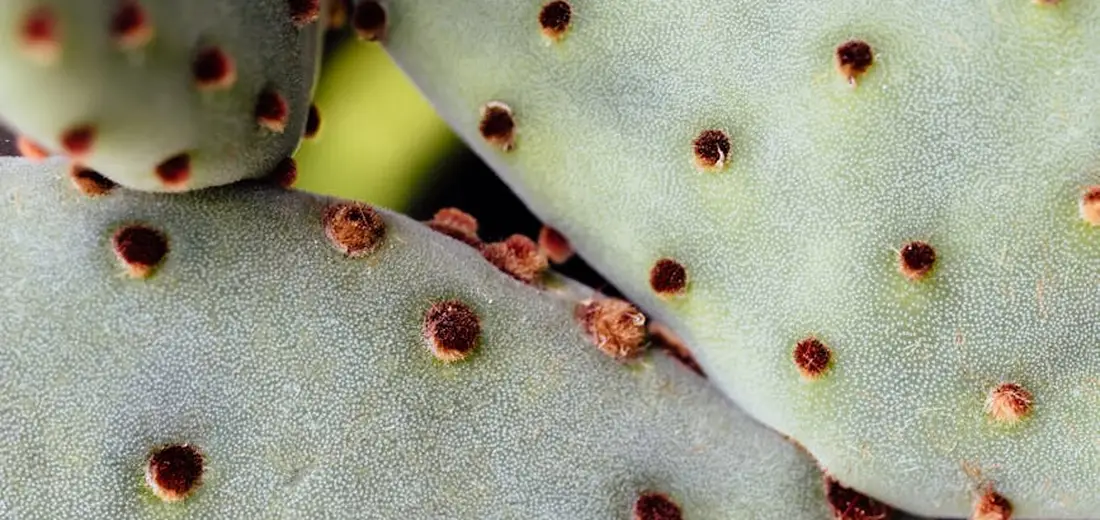
I’ve found that the biggest mistake people make with tiny succulents is treating them like regular houseplants. Their small size means they have even less room for error when it comes to water and light. After accidentally over-loving a few to an early demise, I developed a simple system that keeps them thriving and healthy and compact.
Step-by-Step Watering Guide
Forget a strict schedule. Your watering cue should always come from the plant itself. I stick my finger an inch into the soil; if it’s bone dry, it’s time for a drink.
- Check the soil dryness with your finger or a wooden skewer.
- Take your plant to the sink and use a watering can with a narrow spout.
- Water the soil directly, avoiding the leaves, until it runs freely out the drainage hole.
- Let the pot drain completely in the sink before returning it to its decorative spot.
Leaving a succulent sitting in a saucer of water is the fastest way to cause root rot. I learned this the hard way with a tiny String of Pearls that turned to mush overnight. In winter, you might only need to water every 3-4 weeks, as the plants go semi-dormant. If you catch root rot early, trim away the rotten roots and repot in fresh, well-draining soil to save the plant. Then address the root-rot causes and adjust watering to prevent a relapse.
Finding the Perfect Light
These little guys are sun-worshippers. A bright windowsill is their best friend. I’ve had fantastic results with south or east-facing windows.
- South-facing window: Provides the most intense light. Ideal for most succulents like Echeverias and Haworthias.
- East-facing window: Offers gentle morning sun. Perfect for more sensitive varieties.
- West-facing window: Provides strong afternoon light. Sometimes it can be too harsh, so watch for sunburn.
- North-facing window: Usually too dim. Your plants will likely become “leggy” as they stretch for light.
If your space lacks natural light, a simple LED grow light placed a few inches above the plants for 6-8 hours a day works wonders. I use a small, clip-on LED light for my succulent shelf in a darker corner, and the plants are just as colorful and compact as my windowsill ones. If you see your plant stretching out with large gaps between the leaves, it’s a sure sign it needs more light. Leggy growth is a sign of too little light. Leaves that scorch or bleach indicate too much light.
Styling and Display Ideas for Tiny Spaces
The real joy of miniature succulents is getting creative with how you show them off. They turn any nook into a living sculpture. For small spaces, you can create a mini succulent garden that fits on a windowsill, shelf, or tabletop.
I love creating themed arrangements in shallow bowls. Combine different textures, like the smooth stones of a Lithops with the fuzzy leaves of a Panda Plant, for a captivating mini-landscape. Just make sure any container you use has a drainage hole, or you’ll need to be extra careful with watering.
- Vertical Gardens: Mount small, lightweight frames with pockets on a blank wall. It’s a living piece of art.
- Tiered Stands: A small, multi-level plant stand on a side table lets you display a whole collection without taking up much floor space.
- Unexpected Containers: I’ve planted succulents in vintage teacups, sea shells, and even hollowed-out books. For these, I use a layer of gravel at the bottom for drainage.
- Office Desk Trio: Group three different tiny succulents in matching pots for a low-maintenance, mood-boosting desk accessory.
Don’t be afraid to place a single, striking succulent like a deep purple Echeveria ‘Perle von Nurnberg’ all by itself on a windowsill. Its solitary beauty can be a powerful statement. Rotate your pots a quarter-turn every time you water to ensure every side gets even light and grows symmetrically. Try pairing it with a sculptural pot to elevate the display. You can also arrange a small cluster on a shallow tray for a living vignette.
How to Propagate Your Mini Succulents
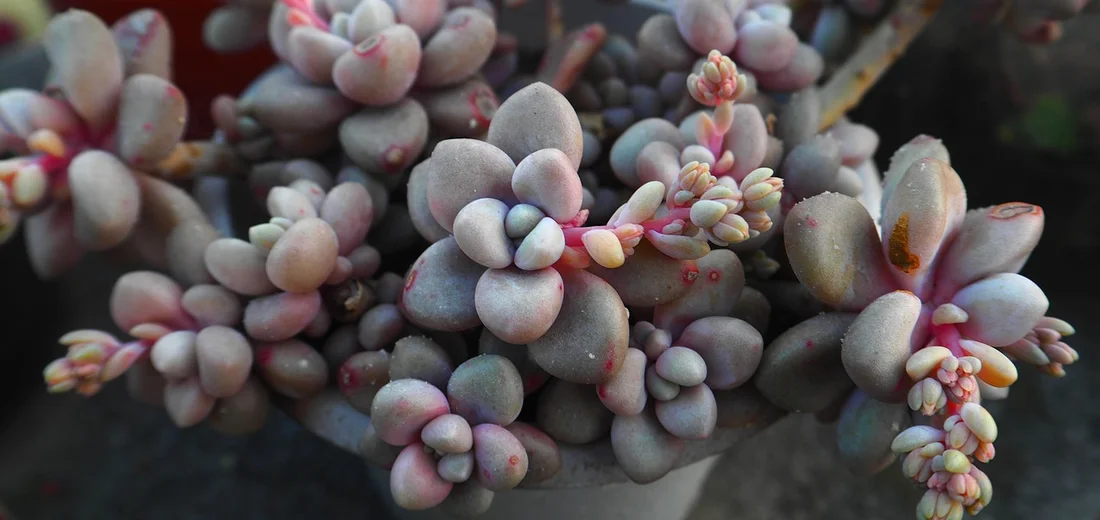
One of my favorite parts of growing these tiny plants is making more of them. Propagating mini succulents is incredibly rewarding and a fantastic way to expand your collection for free. I’ve filled many tiny pots using these simple methods.
Leaf Propagation: The Easiest Method
This works beautifully for varieties like Echeveria and Sedum. Gently twist a healthy, plump leaf from the stem. You want a clean break.
- Lay the leaves on dry soil in a bright spot, but out of direct sun.
- Forget about them! Do not water. In a few weeks, you’ll see tiny pink roots and a new rosette.
- Once the mother leaf has withered and the baby plant is established, you can treat it like an adult.
Patience is your best tool here; I’ve accidentally killed more props by watering too early than by neglect.
Stem Cuttings for a Quicker Start
If your succulent is getting leggy, it’s important to prune it correctly for health and aesthetics. Use a clean, sharp knife or scissors to take a cutting.
- Cut a section of the stem, about 1-2 inches long.
- Let the cut end dry and callous over for a day or two. This prevents rot.
- Stick the calloused end into fresh, dry cactus mix.
- Wait a week before giving it a light watering.
You now have a new, more compact plant, and the original stem will often sprout new growth too.
Separating Offsets (Pups)
Many succulents, like Sempervivum and Aloe, grow little clones around their base. When the pup is about one-third the size of the mother plant, it’s ready for independence.
- Gently remove the entire plant from its pot.
- Tease the pup away from the main plant, trying to keep some roots attached.
- If it’s stubborn, a clean cut with a knife works.
- Pot the pup in its own container and care for it as usual.
Troubleshooting Common Issues
Even the most experienced plant parents run into problems. Here’s how I handle the most frequent issues with my mini succulents.
Leggy Growth (Etiolation)
If your succulent is stretching out with large gaps between leaves, it’s begging for more light.
- Solution: Gradually move it to a brighter location. A south-facing window is ideal.
- You can also behead the stretched plant using the stem cutting method above to restore a compact shape.
I learned this the hard way with a Haworthia that turned into a long, wobbly tower before I found it a sunnier home.
Soft, Mushy Leaves or Stem
This is almost always a sign of overwatering. The plant is literally rotting.
- Stop watering immediately.
- Remove the plant from its pot and check the roots. Cut away any black, slimy roots with a sterile tool.
- Let the plant and its root system air dry for a day or two.
- Repot in fresh, dry cactus mix and do not water for at least a week.
Shriveling, Wrinkled Leaves
Your plant is thirsty! While succulents are drought-tolerant, they do need water.
- Give the soil a thorough soak until water runs out the drainage hole.
- The leaves should plump back up within a day or two.
- If they don’t, the roots may be too damaged from dryness to absorb water. In that case, take a stem cutting to save the plant.
Pests: Mealybugs and Fungus Gnats
Mealybugs look like tiny bits of white cotton. Fungus gnats are those annoying little black flies.
- For mealybugs: Dip a cotton swab in rubbing alcohol and dab each bug. Check leaf crevices weekly.
- For fungus gnats: Let the soil dry out completely between waterings. This kills the larvae. Yellow sticky traps catch the adults.
Isolating a new plant for a couple of weeks is the best preventative measure I’ve taken to keep pests out of my main collection. During that quarantine, I inspect for pests and treat any issues before they can spread. This practice helps prevent pest spread when I introduce new plants.
FAQs
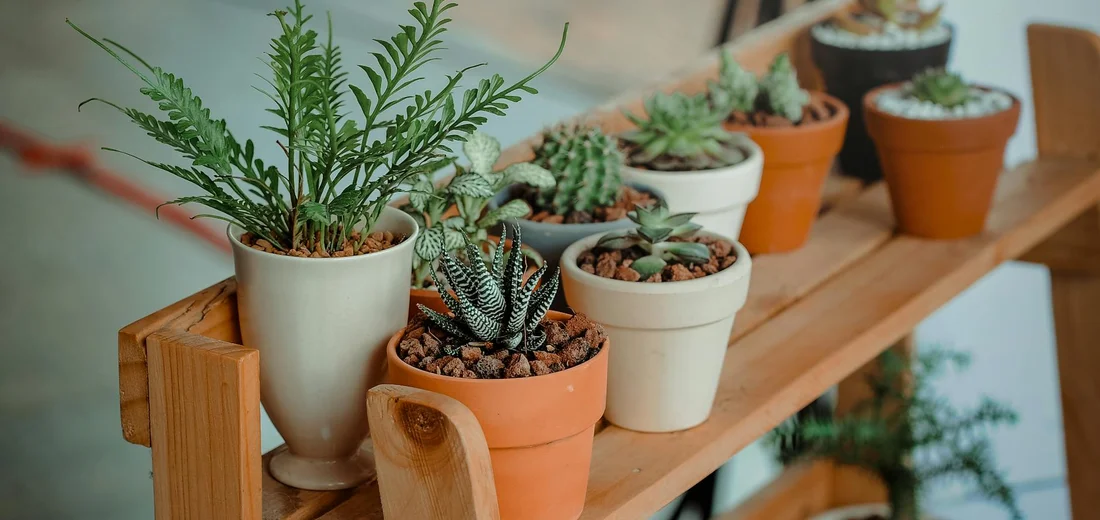
Which miniature succulent varieties are popular for terrariums?
Haworthia and Crassula species are ideal for terrariums due to their compact size and tolerance for humid environments.
Where can I buy miniature succulent varieties?
You can find them at local garden centers, online plant retailers, or specialty succulent shops.
What size do miniature succulent varieties typically grow to?
Most miniature succulents stay under 6 inches in height and width, with many remaining around 2-4 inches tall.
Are there any low-maintenance miniature succulent varieties?
Yes, Sempervivum and Graptopetalum are very low-maintenance and can handle occasional neglect.
Which miniature succulents require the least water?
Lithops and other mesembs need the least water, often requiring irrigation only a few times per year.
Can miniature succulent varieties thrive indoors?
Yes, they can thrive indoors with adequate light from a sunny window or supplemental grow lights.
Your Tiny Plant Adventure Starts Now
Choosing the right miniature succulents for your space boils down to matching their light needs to your home and mastering a simple watering routine. Focus on these three fundamentals for a thriving tiny garden: provide bright, indirect light, water deeply but infrequently, and always use a pot with a drainage hole. To learn more about the specific care requirements, find out what succulents need to thrive.
I’ve filled my own shelves with these little gems for years, and the joy they bring is immense. For more tips and plant-spiration, keep exploring Hardy House Plants-you’ve got this, and your small-space succulent sanctuary is well within reach.
Further Reading & Sources
- Mini Succulent Plants | Mountain Crest Gardens™
- Our Favorite Mini Succulents and How to Care for Them – Primex Garden Center – Blog
- Haworthias – Super Succulents for Small Spaces
- r/succulents on Reddit: Recommendations on succulents that stay small?
Lena Greenfield is a passionate horticulturist and plant care expert with over 10 years of experience cultivating and nurturing hardy house plants. With a deep understanding of both indoor and outdoor gardening, Lena shares practical advice on choosing, caring for, and maintaining resilient plants that flourish year-round. Through her knowledge and hands-on approach, Lena helps plant lovers transform their spaces into vibrant, green sanctuaries, no matter their gardening experience.
Types of Succulents