
What Animals Are Eating My Succulents and How to Stop Them
You’ve found the tell-tale bite marks and torn leaves, and you’re wondering what creature is treating your succulent collection like an all-you-can-eat buffet. Identifying the culprit is the first, most crucial step to protecting your plants for good.
In this guide, I’ll share what I’ve learned from years of troubleshooting garden pests, covering how to identify the animal, humane and effective deterrents, and long-term prevention strategies.
Meet the Usual Suspects: Common Succulent Snackers
Insect Invaders: Tiny Pests, Big Problems
These little guys are the sneak thieves of the plant world, often hiding on the undersides of leaves or in tight crevices. I’ve spent many afternoons with a magnifying glass, and identifying the exact bug is the first step to saving your plant. Here are the most common culprits I encounter:
- Mealybugs: They look like tiny bits of fluffy white cotton, usually clustered in the joints of leaves. They suck the sap right out, leaving your plant weak and sticky.
- Aphids: These tiny pear-shaped insects love fresh new growth. You’ll often find them in green or black clusters, feasting on the most tender parts of your succulents.
- Spider Mites: Almost invisible to the naked eye, you’ll know them by the fine, silky webbing they leave behind, especially between leaves. The leaves may look stippled or dusty.
- Scale: These pests look like small, brown, bumpy shells stuck firmly to stems and leaves. They’re immobile and protect themselves with a hard coating while they feed.
Backyard Bandits: Larger Animal Pests
When you see big chunks missing, you’re dealing with a larger appetite. From my own garden battles, I can tell you that prevention is much easier than cure with these furry and feathered foes. Keep an eye out for these visitors:
- Squirrels & Chipmunks: These acrobats will dig in the soil, knock over pots, and take bites out of leaves, often just for fun or to sharpen their teeth.
- Birds: Sometimes they peck at succulents looking for water, especially during a dry spell. They can leave distinct, sharp beak marks.
- Rabbits: They create clean, angled cuts on lower leaves and stems, as if someone took a pair of scissors to your plant overnight.
- Deer: If you live in a deer-populated area, they can decimate a collection, leaving behind ragged tears on the plants they can reach.
- Rats & Mice: These nocturnal nibblers leave behind small, irregular bite marks and, unfortunately, droppings as calling cards.
Playing Plant Detective: Identifying the Culprit
Don’t panic when you see damage. Take a deep breath and investigate the scene. I always tell fellow plant lovers that the evidence left behind tells a clear story if you know what to look for. Here’s my step-by-step process for cracking the case.
Step 1: Inspect the Plant and the Damage
Look closely at what’s left of your succulent. The type of damage is your biggest clue.
- Sticky Residue or Black Soot: This almost always points to sap-sucking insects like aphids or mealybugs. The sticky “honeydew” they excrete can lead to sooty mold.
- Fine Webbing: You’ve got spider mites. Check the leaf undersides with a magnifying glass for tiny moving dots.
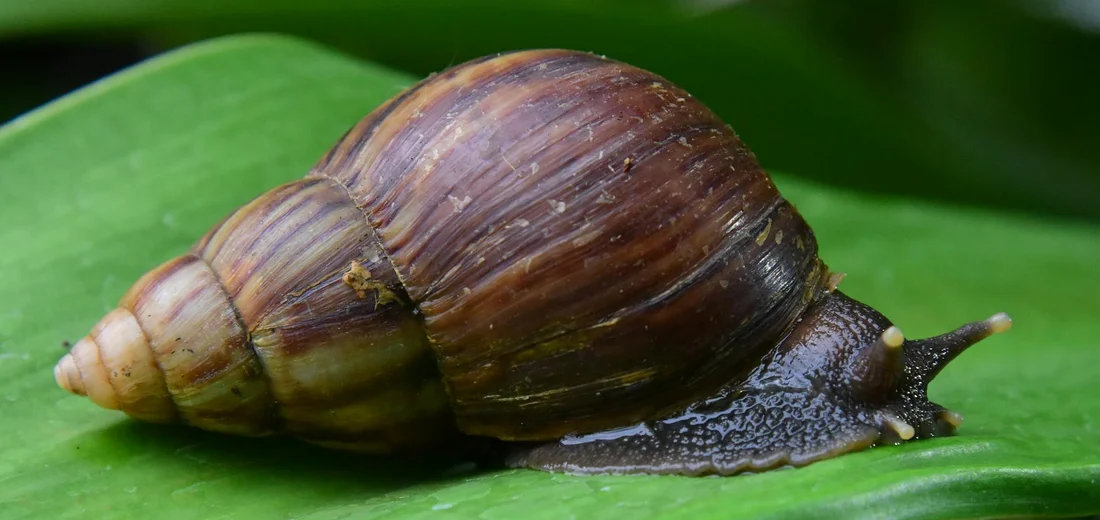
- Small, Ragged Holes: This is often the work of caterpillars or slugs, which tend to eat from the leaf edges inward.
- Clean, Angled Bites: This is a classic sign of rabbits or groundhogs, who slice through vegetation with their sharp teeth.
- Large, Torn Sections: You’re likely dealing with a deer or a very bold squirrel.
Step 2: Look for Other Clues
The culprit often leaves more than just bite marks behind.
- Check the Soil: Are there small holes or dig marks? Squirrels and chipmunks are famous for burying and digging up treasures in soft potting soil.
- Search for Droppings: This is a definitive sign. Rabbit droppings are small, round pellets. Rodent droppings are smaller, pointed, and dark.
- Look for Footprints: Dust the area around the pot with a thin layer of flour or soil. You might be surprised by the tracks you find in the morning.
Step 3: Observe the Timing and Pattern
When does the damage happen? Is it a one-time event or ongoing?
- Nighttime Nibbling: Damage that appears overnight points to nocturnal animals like rats, mice, rabbits, or slugs.
- Daytime Drama: If your plants are being attacked while you’re at work, suspect birds, squirrels, or chipmunks.
- Isolated Incident vs. Constant Attack: A single large bite might be a curious deer. Repeated, systematic damage means a local pest has made your garden part of its daily route.
Your Defense Toolkit: How to Stop Animals From Eating Succulents
I’ve spent years building up my succulent collection, only to find teeth marks in my favorite echeveria. Figuring out the culprit is the first step, but taking action is what saves your plants. Let’s get into the methods I use to keep my garden safe.
Physical Barriers: Fencing and Netting
Sometimes, the best solution is a simple, physical one. Creating a barrier is the most reliable way to stop larger pests like rabbits and deer in their tracks. I use this method for my outdoor succulent beds. Before introducing any new plants, I quarantine them and treat any issues to prevent pest spread.
- Chicken Wire Cloches: I bend chicken wire into dome shapes and place them over individual plants. It’s inexpensive, allows light and water through, and is very effective.
- Hardware Cloth for Ground Squirrels: If burrowing animals are the issue, I line the bottom and sides of my planting area with hardware cloth before adding soil. This prevents them from digging up from below.
- Bird Netting: For birds, a lightweight netting draped over the plants works wonders. Just ensure it’s secured well so no tiny feet get tangled.
Quick tip: Push your fencing a few inches into the soil to deter diggers. A fence only above ground won’t stop a determined rabbit.
Natural Repellents and Treatments
When fencing isn’t practical for my container plants or I want an extra layer of defense, I turn to repellents. Natural options are my go-to because they’re safer for my plants, my pets, and the environment.
Here are the recipes and solutions I’ve had the most success with:
- Spicy Pepper Spray: I blend 2-3 hot peppers (like cayenne or jalapeño) with a quart of water and a few drops of dish soap. The soap helps it stick to the leaves. I spray this on my plants every week and after it rains. Animals take one sniff or nibble and learn their lesson.
- Vinegar Soaked Rags: Soak some old rags in white vinegar and place them around the perimeter of your garden. The strong smell repels many animals, especially cats. Just remember to re-soak them after rain.
- Commercial Repellents: Look for products with ingredients like putrescent egg solids or capsaicin. These create an odor or taste that mammals find offensive. I find they work well for deer and rabbits.
Always test any spray on a small, inconspicuous part of your succulent first to ensure it doesn’t cause damage. Some plants can be sensitive. When painting succulents, use non-toxic paints and follow safe techniques to protect the plant and yourself. Keep coats light and ensure good ventilation.
Special Considerations for House Pets
Our furry family members require a gentler approach. The goal isn’t just to protect the plant, but also to keep your pet safe from harm. Many succulents can cause stomach upset if ingested. For homes with animals, consider pet-safe succulent varieties and other non-toxic options to keep both your plants and your pets safe.
For my curious cat, I’ve found a few pet-friendly strategies that work.
- Bitter Apple Spray: This is a pet-safe deterrent spray available at most pet stores. A quick spritz on the pot and soil makes the plant taste awful, discouraging further chewing.
- Strategic Relocation: Sometimes, the easiest fix is to move your succulents out of reach. I use high shelves, hanging planters, or a dedicated room my cat can’t access.
- Provide a Distraction: If your pet is nibbling out of boredom, give them a better option! I grow a small pot of cat grass for my cat. She much prefers chewing on that than my spiky aloe.
If you suspect your pet has eaten a succulent, identify the plant and contact your veterinarian immediately. It’s better to be safe and get professional advice. To prevent this and avoid killing your succulents, follow essential care tips like proper watering and keeping plants out of reach of curious pets.
First Aid for Your Plants: Saving Damaged Succulents
Finding your favorite succulent with bite marks is disheartening, but don’t give up on it. I’ve nursed many chewed-up plants back to health, and their resilience always amazes me. Your first step is to assess the damage and act quickly to prevent infection.
Immediate Steps to Take
Gently move your plant to a separate, well-lit area away from your other plants. Isolating the patient prevents any potential pests or diseases from spreading to your healthy collection. This is my non-negotiable first move.
- Clean the Wounds: Use a clean, sharp knife or scissors to carefully trim away any completely shredded or mushy parts of the leaves. Make clean cuts.
- Apply a Natural Antifungal: Lightly dust the cut areas with cinnamon from your spice rack. I do this every time. Cinnamon is a fantastic, natural antifungal that helps prevent rot from setting in the open wounds.
- Let it Callus: Do not water the plant. Place it in a spot with bright, indirect light and let the cuts dry out and form a hard, scab-like callus. This can take a few days to a week.
Encouraging New Growth
Once the plant has callused, you can resume a very careful watering routine. Water only when the soil is completely dry, and be extra cautious not to get water on the fresh wounds. With good light and proper care, your succulent will often grow new leaves from its center, eventually outgrowing the damaged ones.
If the main stem was severed, all is not lost. You can often propagate the healthy top part of the plant by letting the cut end callus and then planting it in fresh, dry soil. The original base may also produce new baby plants, or “pups,” around its base.
Long-Term Prevention for a Pest-Free Plant Life
Treating damage is one thing; stopping it from happening again is the real goal. Creating an environment that animals find unappealing is the most effective long-term strategy. I’ve combined physical barriers with scent deterrents for the best results in my own home and garden.
Physical Barriers are Your Best Friend
Sometimes, you just need to put a literal wall between the critters and your plants.
- Bird Netting or Wire Cloches: These are perfect for outdoor succulents. A simple dome of wire mesh can protect individual plants from birds and squirrels without blocking too much light.
- Decorative Cages or Terrariums: For indoor plants that curious pets can’t leave alone, a beautiful glass terrarium or a small, decorative wire cage can be a stylish solution. It turns your plant into a living art display that’s completely off-limits.
- Spiky Toppings: Create a painful walking surface by placing a layer of sharp gravel, pine cones, or prickly holly clippings on top of the soil. This works wonders for deterring digging cats.
Harness the Power of Smell
Animals have sensitive noses, and you can use that to your advantage.
- Citrus Peel Power: Scatter fresh lemon, orange, or grapefruit peels on the soil surface around your plants. Most animals dislike the strong citrus scent. Replace them every few days as they dry out.
- Spice It Up: Make a simple repellent spray by steeping crushed red pepper or cayenne pepper in hot water. Let it cool, strain it, and add a few drops of natural dish soap to help it stick. Lightly mist the soil and the outside of the pots, being careful to avoid directly spraying the leaves, as this can cause sunburn. Reapply after watering or rain.
- Essential Oil Deterrents: Soak cotton balls in peppermint, eucalyptus, or citrus essential oil and place them strategically around your plant display. The smell is pleasant to most humans but a major turn-off for rodents and insects.
Quick Tip: For indoor cats, try placing aluminum foil or double-sided sticky tape around the base of the plant-most cats hate the texture and sound.
Make a Routine Check
Prevention is an ongoing process. Make it a habit to inspect your plants every time you water, looking for early signs of nibbling or pest activity. Ant activity can be an early warning sign of a broader infestation on succulents. Addressing ants early helps prevent infestations from taking hold. Catching a problem early makes it infinitely easier to solve. By combining these methods, you can enjoy your beautiful, bite-free succulents for years to come.
FAQs
Are succulents toxic to cats or dogs?
Some succulents like aloe vera and jade plants can be toxic, causing vomiting or diarrhea in pets if ingested.
Why do some animals eat succulents instead of other plants?
Animals often target succulents for their high water content, especially in dry conditions where moisture is limited. Succulents store water in their leaves and stems, making them an attractive source for hydration.
How do succulents defend themselves against herbivores?
Succulents use physical defenses like spines, thorns, or chemical deterrents such as bitter sap to discourage feeding, which is why they don’t naturally attract more pests than other plants.
Do wild desert animals rely on succulents as a water source?
Yes, desert animals like certain rodents and reptiles consume succulents to supplement their water intake in arid environments.
Which succulent species are most commonly consumed by animals?
Prickly pear cacti and sedum species are among the most frequently eaten by wildlife due to their palatability and availability.
Can overconsumption of succulents harm animals?
Overeating succulents can cause digestive blockages or poisoning in animals, particularly if the plant contains toxic compounds.
Keep Your Succulents Safe and Thriving
Protecting your plants boils down to correctly identifying the culprit and using a targeted, persistent strategy. My most reliable advice is to combine physical barriers with natural deterrents. In my own garden, I’ve found the most success with this simple, three-pronged approach: identify the pest, apply a physical barrier like netting or a cloche, and use a safe, natural repellent to encourage them to dine elsewhere. It’s all part of a comprehensive pest prevention strategy for your plant collection that I recommend to every gardener.
You now have a clear plan to defend your succulent collection. Don’t be discouraged if it takes a little trial and error—every garden is different. As you follow these steps, you’ll learn to spot common succulent pests early. You’ll also know how to treat infestations and prevent them from returning. With these methods, you can care for your plants with confidence and enjoy their unique beauty, bite-free.
Further Reading & Sources
- The Animals That Love To Eat Succulent Leaves – Succulent Growing Tips
- Animals That Love to Eat Succulents – Eden Succulents
- Animals that like to eat succulent leaves – YouTube
- r/plantclinic on Reddit: What’s eating my succulents?
Lena Greenfield is a passionate horticulturist and plant care expert with over 10 years of experience cultivating and nurturing hardy house plants. With a deep understanding of both indoor and outdoor gardening, Lena shares practical advice on choosing, caring for, and maintaining resilient plants that flourish year-round. Through her knowledge and hands-on approach, Lena helps plant lovers transform their spaces into vibrant, green sanctuaries, no matter their gardening experience.
Common Pests