
Chemical vs. Organic Pest Control: Pros and Cons
Published on: April 11, 2026 | Last Updated: April 11, 2026
Written By: Lena Greenfield
You’re staring at bugs on your plants and wondering if you should grab a chemical spray or try an organic solution. It’s a tough choice, and you’re likely worried about effectiveness, safety for your family, and the health of your garden.
In this guide, I’ll break down the real-world benefits and drawbacks of each approach from my years of gardening. We’ll cover cost, effectiveness, environmental impact, safety for kids and pets, and long-term soil health.
Understanding Chemical and Organic Pest Control
Let’s break down these two approaches in simple, practical terms for your indoor jungle.
Chemical pest control uses synthetic, human-made substances to kill or repel pests. I think of these as the “heavy artillery” – they’re engineered in a lab for maximum impact.
Organic pest control relies on natural substances, biological agents, or physical methods. In my experience, this is the “gentle guardian” approach, working with nature’s own toolkit. For indoor plants, biological controls such as predatory mites and beneficial nematodes can be among the most effective options against common pests when used correctly. An integrated approach—timing releases, sanitation, and regular monitoring—helps keep results consistent in indoor environments.
Common Methods for Your Plant Family
Here are the specific products and techniques you’ll likely encounter for your houseplants and succulents.
Chemical Pesticides
- Systemic Granules: You mix these into the soil. The plant absorbs the chemical, making its sap toxic to sucking insects.
- Insecticidal Soaps & Sprays: Ready-to-use sprays that directly coat and disrupt pests on contact.
- Pyrethrin-based Sprays: Derived from chrysanthemums but often synthesized; they attack the nervous systems of insects.
Organic Methods
- Neem Oil: A personal favorite of mine, this oil smothers pests and disrupts their feeding and reproductive cycles.
- Insecticidal Soap (Potassium Salts): A specific, plant-safe soap that breaks down the pests’ outer shells.
- Rubbing Alcohol: I use a cotton swab dipped in 70% isopropyl alcohol to spot-treat mealybugs on my succulents with great success.
- Beneficial Insects: Introducing predators like ladybugs (for aphids) or predatory mites (for spider mites) into your indoor garden.
How They Battle Common Pests
Seeing how these methods work on a tiny level helps you choose the right tool for the job.
Against Aphids: A chemical systemic makes the plant itself poisonous, so when aphids pierce the leaf to feed, they ingest the toxin and die. An organic neem oil spray, however, coats them, clogging their breathing pores and acting as an anti-feedant.
Against Spider Mites: Chemical sprays often contain miticides that are neurotoxins for mites. My go-to organic method is a strong blast of water in the sink to dislodge them, followed by a thorough spray with insecticidal soap to finish the job.
Pros of Chemical Pest Control
Chemical options have their place, especially when you’re facing a plant emergency.
The biggest advantage is speed. When I’ve had a severe aphid outbreak on a prized succulent, a chemical spray showed visible results within hours, not days.
They offer potent, reliable effectiveness against a broad spectrum of pests. You can trust that a systemic insecticide will protect your plant from the inside out for several weeks, providing a long-lasting shield. This approach also helps treat and prevent spider mites on indoor plants. Using it as part of your routine can help keep your indoor greenery mite-free.
Chemical methods are incredibly durable in handling severe, established infestations that might overwhelm gentler organic solutions. When a pest population has exploded, this is often the most reliable way to bring it back under control quickly.
Their ease of use and availability is a major plus. You can find these products at nearly any garden center or big-box store. Most come in convenient ready-to-spray bottles, requiring no mixing or special preparation, which is a lifesaver for a busy plant parent.
Cons of Chemical Pest Control
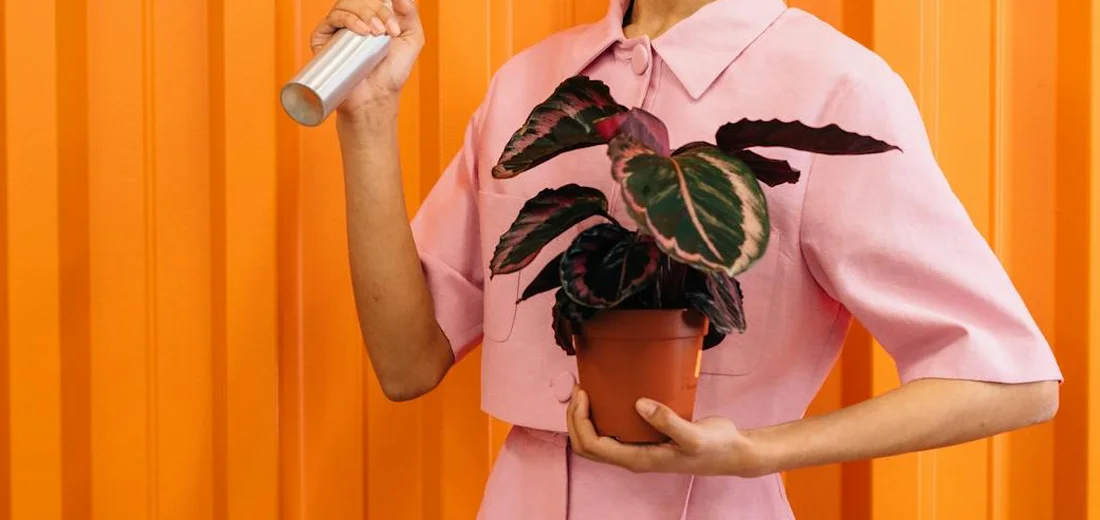
I’ve learned the hard way that chemical pesticides can create more problems than they solve inside a home. Many chemical formulas are not designed for enclosed spaces, and their residues can linger in the air and on surfaces long after you’ve sprayed.
- Toxicity and Human Health Risk: I am very cautious about using chemical sprays near my succulents and other houseplants. The fumes can irritate your lungs, cause headaches, and pose a real risk to children and pets who might touch treated leaves or soil.
- Environmental Impact: When you water a plant treated with systemic pesticides, the chemicals can leach into the water runoff. This contaminated water eventually finds its way into our ecosystem. These potent formulas don’t discriminate-they can harm the beneficial microbes in your potting mix and even kill helpful insects like soil mites that help break down organic matter.
- Pest Resistance and Plant Health: I’ve watched pests like spider mites bounce back stronger after a chemical treatment. They can develop a resistance, forcing you to use ever-stronger products. Harsh chemicals can also scorch delicate plant leaves, especially on succulents, leaving behind permanent damage that looks worse than the original pest problem.
Pros of Organic Pest Control
Switching to organic methods transformed how I care for my indoor jungle. These solutions work with your plant’s natural defenses, creating a healthier growing environment over the long term.
- Safety for Children, Pets, and Biodiversity: I can confidently treat an infestation on my fiddle leaf fig without worrying about my cat taking a nibble. Ingredients like neem oil and castile soap are much safer for your household. They also preserve the tiny ecosystem in your pot, allowing beneficial organisms to thrive and help your plant.
- Biodegradability and Soil Health: Organic sprays break down naturally and won’t build up in your potting soil. Many organic treatments, like a diluted hydrogen peroxide drench, can even help aerate the soil and combat root rot while tackling fungus gnat larvae.
- Sustainability and Lower Risk of Residuals: You’re not introducing persistent synthetic compounds into your home environment. I love that I can make a effective pest spray from dish soap and water, knowing it washes away cleanly and doesn’t leave a dangerous residue on my plant’s beautiful foliage.
Cons of Organic Pest Control
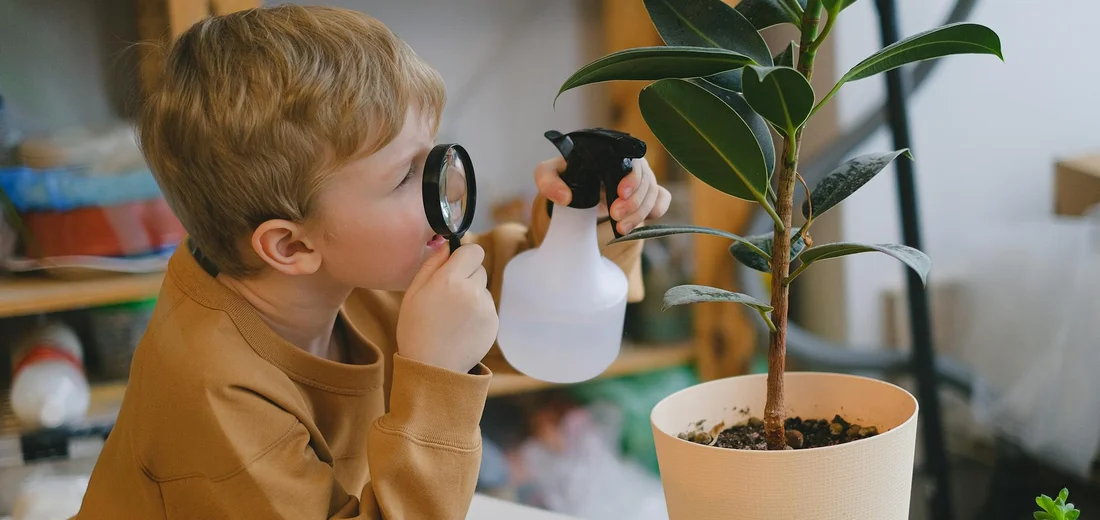
While I’m a huge advocate for organic methods, I’ve learned from experience they aren’t a perfect, one-size-fits-all solution. Organic pest control often works more slowly than its chemical counterparts, requiring patience as the solution disrupts the pest’s life cycle rather than delivering an instant knockout.
You need to be diligent with applications. I’ve found that a single spray of neem oil might not be enough; you often need to reapply every 5-7 days for a few weeks to break the infestation cycle. This need for frequent reapplication can mean more effort and, sometimes, a higher overall cost if you’re buying ready-made organic sprays regularly.
The results can also be a bit unpredictable. In my own plant room, I’ve seen insecticidal soap work wonders on soft-bodied aphids but be less effective against tenacious scale insects, which have a protective waxy coating. The effectiveness heavily depends on thorough, consistent coverage and correctly identifying the pest you’re battling.
Comparing Chemical and Organic Methods
Effectiveness and Speed
Chemical pesticides are the sprinters in this race-they act fast. You can often see pests dying within hours. This immediate knockdown is their biggest advantage when you’re facing a severe, fast-spreading infestation that threatens to overwhelm a prized plant.
Organic solutions are the marathon runners. They work more gradually, often by suffocating pests, disrupting their feeding, or introducing natural predators. Over-reliance on chemical sprays can lead to pest resistance over time, creating “superbugs” that are even harder to eliminate, while organic methods pose a much lower risk of this. For long-term plant health and yield, building a resilient, biologically active soil with organic practices often leads to stronger plants that can better resist future attacks.
Safety and Environmental Impact
This is where the choice becomes deeply personal for your home’s ecosystem. Chemical pesticides carry a higher risk of toxicity; you must keep them away from children and pets and often ventilate the area during use, which isn’t ideal for indoor plants. For households with pets, opting for pet-safe options is essential. This pet-safe indoor plants complete guide offers protection tips and safer care practices to keep both plants and pets healthy.
Organic methods are inherently safer for your household and the environment. They don’t contribute to water contamination or harm the beneficial microbes and earthworms that are vital for healthy, living soil in your pots. You can usually apply a neem oil solution without needing to move your plants to a different room, making the process much simpler and less disruptive.
Cost and Application
You can find chemical pesticides at nearly any garden center, and they are often very affordable. Their application is usually straightforward-mix and spray-but they are subject to strict regulatory standards for consumer safety that you should always follow precisely.
Many organic options are equally easy to find, like pre-mixed insecticidal soaps. You can also create effective DIY solutions for a fraction of the cost; a simple spray of diluted dish soap and water is a classic, budget-friendly first line of defense. The “cost” for organic methods is sometimes more about the time and consistency of application rather than the price of the product itself.
How to Choose the Right Pest Control for Your Plants
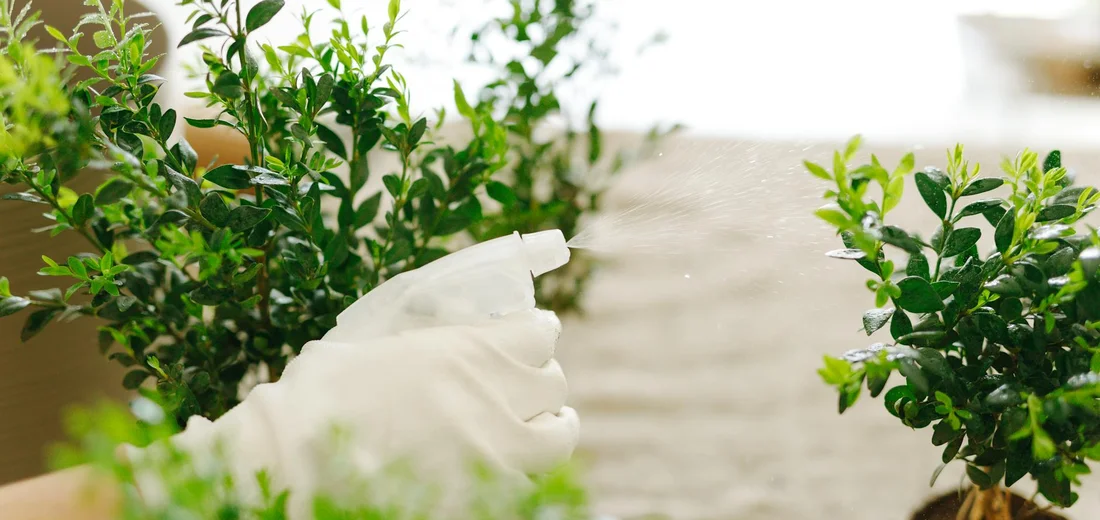
Choosing the right pest control feels like a big decision, and I’ve often stood in my own plant room, spray bottle in hand, weighing my options. The best choice always comes down to a quick, three-step assessment of your specific situation. For indoor plants, I lean toward an integrated pest management approach: monitor regularly, identify pests early, and use targeted, low-toxicity controls. This means prioritizing prevention and precision over broad-spectrum sprays.
Step 1: Assess the Pest Severity
First, grab a magnifying glass and get up close with your plant. I do this every time I spot a suspicious leaf.
- Light Infestation: You see a few bugs on one plant, maybe some minor leaf speckling. This is your green light for organic methods.
- Moderate Infestation: Pests are on multiple leaves or have spread to a neighboring plant. You might need to combine organic treatments.
- Heavy Infestation: The plant is covered, leaves are yellowing or dropping, and you feel a sense of panic. This is often when I consider a targeted chemical intervention to save the plant.
Step 2: Consider Your Plant Type and Home Environment
Not all plants can handle the same treatments. My delicate String of Pearls reacts very differently than my tough Snake Plant.
- For Succulents and Cacti: Their waxy coatings can be damaged by oil-based sprays. I always test a small, hidden area first with neem oil.
- For Fuzzy-Leaved Plants (like African Violets): Avoid spraying leaves directly with anything. I use systemic granules for these or apply treatments to the soil.
- For Homes with Kids/Pets: This is my number one reason for sticking with organic methods. The safety of my cat, Whiskers, is non-negotiable.
Step 3: Embrace Integrated Pest Management (IPM)
IPM is just a fancy term for using all the tools in your toolbox smartly. I never rely on just one method; I create a layered defense.
- Start Physical: Isolate the sick plant. Wipe leaves with soapy water or a cotton swab dipped in rubbing alcohol.
- Introduce Organic: Apply a neem oil or insecticidal soap spray every 5-7 days, thoroughly coating the pests.
- Evaluate and Escalate: If after 2-3 weeks the problem is getting worse, that’s when I might use a chemical option, but only as a last resort and with extreme care.
My quick tip: For a small-scale aphid attack, a strong blast of water from the sink sprayer can knock most of them off instantly!
When to Use Chemical vs. Organic
This is the core of the debate, and my rule of thumb is simple.
- Choose Organic For: Light to moderate infestations, edible herbs, homes with pets/kids, and as a regular part of your preventive care routine. It’s safer for you and the beneficial microbes in your soil.
- Consider Chemical For: Severe, fast-spreading infestations that threaten to kill a prized plant, or for persistent soil-borne pests like fungus gnats where a soil drench is needed. Always use them outdoors or in a very well-ventilated area.
Preventive Measures to Reduce Pest Problems
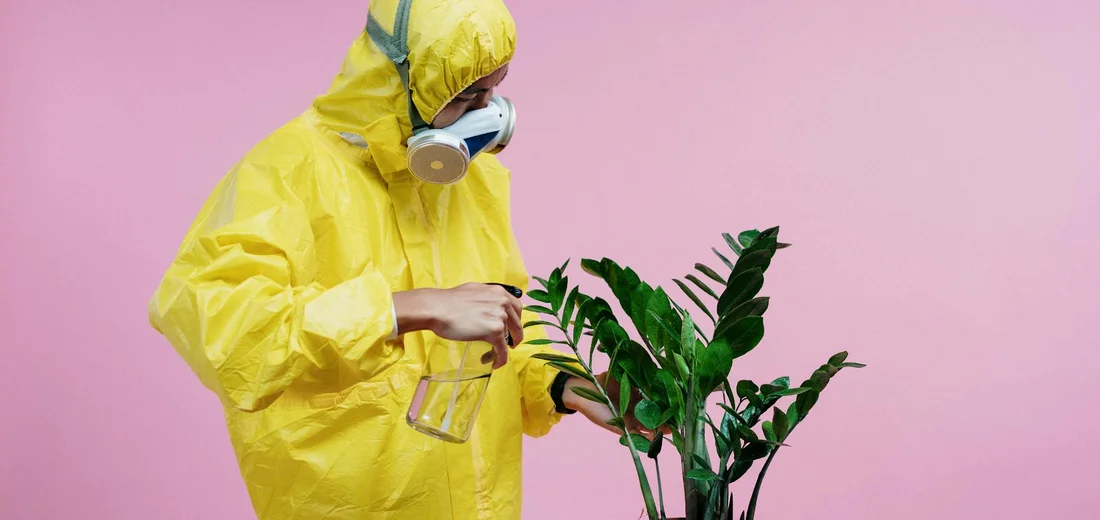
After years of battling bugs, I’ve learned that prevention is infinitely easier than the cure. Healthy plants are naturally more resistant to pests, so your main job is to keep them thriving.
Master Your Watering Routine
Overwatering is the number one cause of plant stress, which invites pests like fungus gnats.
- Always check the soil moisture with your finger before watering.
- Use pots with drainage holes to prevent soggy soil.
- Water less in the winter when plant growth slows down.
Prioritize Soil and Pot Health
Pests often come from the bag of soil or hide in old, decomposed pots.
- I often bake a new bag of potting mix in the oven at 200°F for 30 minutes to kill any pest eggs. It smells earthy, but it works!
- Always clean and sanitize pots before reusing them with a diluted bleach solution.
- Refresh the top inch of soil every few months to disrupt any larvae trying to set up camp.
Become a Proactive Plant Monitor
Make pest-checking a part of your regular plant care ritual, just like I do every Sunday.
- Inspect the undersides of leaves and along stems with a flashlight.
- Look for early signs like sticky residue (honeydew) or tiny webbing.
- Quarantine any new plant for at least two weeks before introducing it to your collection.
Creating a consistent care routine is your strongest shield against pest invasions. When your plants are happy, they focus their energy on growing beautiful new leaves, not fighting off bugs. This simple shift in focus from treatment to prevention will save you so much time and worry in the long run. To apply this across your plant collection, create a comprehensive pest prevention strategy. It should include routine inspections, quarantine for new arrivals, and ongoing sanitation.
FAQs
What are the most effective pest control methods?
Integrated approaches combining physical removal, organic treatments, and targeted chemical use for severe cases are generally the most effective for houseplants and succulents. When addressing succulent diseases, lean toward natural organic options such as neem oil, hydrogen peroxide dips, or baking soda-based sprays. These methods can support recovery while reducing chemical reliance.
How long do pest control treatments typically last?
Chemical treatments can provide protection for several weeks, while organic methods often require reapplication every few days to maintain effectiveness.
What health risks are associated with pest control?
Chemical pesticides may cause respiratory irritation or toxicity risks to humans and pets, whereas organic options are safer with minimal health concerns.
What environmental impacts does pest control have?
Chemical methods can lead to water contamination and harm beneficial insects, while organic practices are biodegradable and eco-friendly.
When should you hire a professional pest control service?
Consider hiring a professional for persistent, large-scale infestations that home remedies fail to control or when handling hazardous chemicals safely.
What are the long-term risks of repeated pest control treatments?
Repeated chemical use can cause pest resistance and damage plant and soil health, while organic treatments pose fewer long-term risks.
Your Pest Control Journey: Wrapping It Up
In my years of nurturing succulents and houseplants, I’ve found that starting with organic methods keeps your green friends safe and thriving, while chemical options serve as a powerful backup for tough infestations. This naturally connects to common succulent pests identification, treatment, and prevention. Early recognition of typical culprits like mealybugs, spider mites, and scale helps you act fast and keep your collection healthy. Here’s a quick recap of the core ideas:
- Organic pest control protects your plant’s roots and the good bugs in your home ecosystem.
- Chemical treatments act fast but can linger in soil, so use them sparingly and only when needed.
- Always observe how your plant responds after any treatment to adjust your care routine.
You’ve got the knowledge to tackle pests with care and confidence. Trust your growing skills, give your plants the attention they deserve, and enjoy the vibrant, healthy growth that follows! Don’t forget to regularly check for early warning signs of pest infestations to keep them in top shape.
Further Reading & Sources
- Organic Pest Control – Landscape IPM
- Organic Vs. Chemical Pest Control – Pros & Cons
- Understanding Pesticides in Organic and Conventional Crop Production Systems | Ohioline
- Chemical vs. organic pest control: Pros and cons – Ultimate Pest Control
Lena Greenfield is a passionate horticulturist and plant care expert with over 10 years of experience cultivating and nurturing hardy house plants. With a deep understanding of both indoor and outdoor gardening, Lena shares practical advice on choosing, caring for, and maintaining resilient plants that flourish year-round. Through her knowledge and hands-on approach, Lena helps plant lovers transform their spaces into vibrant, green sanctuaries, no matter their gardening experience.
Organic Pest Control