
Should You Remove Yellow Leaves from Your ZZ Plant? (When & How)
Published on: March 26, 2026 | Last Updated: March 26, 2026
Written By: Lena Greenfield
Spotting yellow leaves on your ZZ plant can make you wonder if you should pluck them off right away.
You might worry that ignoring them could lead to more problems or hurt your plant’s overall health.
Based on my years of growing ZZ plants, I will guide you through when to remove yellow leaves, how to do it safely, and why proper care prevents this issue.
Why Your ZZ Plant Gets Yellow Leaves
Seeing a yellow leaf on your ZZ plant can feel alarming, but it’s the plant’s way of talking to you. I’ve learned that yellow leaves usually point to one of three main issues: water, light, or age. Sometimes nutrient problems mimic these warning signs, so in this guide we’ll also look at how a lack of essential minerals can turn leaves yellow. Let’s break down what your plant might be trying to say.
Too Much Love (Overwatering)
This is the most common culprit by far. ZZ plants store water in their potato-like rhizomes underground. If you water while the soil is still moist, the roots can’t breathe and begin to rot. The plant can’t transport water and nutrients, so it sacrifices an older leaf, turning it yellow to save itself. I made this mistake with my first ZZ, watering on a strict weekly schedule. People often water ZZ plants indoors on a set schedule. They actually do better when the soil dries out a bit between waterings. The plant taught me to always check the soil first.
Not Enough Sips (Underwatering)
While they are drought-tolerant, ZZ plants aren’t made of plastic. If the soil becomes a dry, hard brick for too long, the plant will use up the water reserves in a leaf, causing it to yellow and crisp up. The leaves often feel papery and thin when this happens. That stress can also stunt growth and cause the plant to droop. If you see drooping, check soil moisture and roots to rule out under-watering or root problems.
It’s Just Getting Older (Natural Senescence)
Don’t panic if a single, older, lower leaf on your plant slowly turns yellow. Like a tree dropping leaves in autumn, a ZZ plant will sometimes retire its oldest leaves to focus energy on pushing out fabulous new growth. As long as it’s just one or two leaves and the rest of the plant looks happy, it’s likely just a natural part of its life cycle. For quick reassurance, check a visual identification guide for a healthy ZZ plant. A healthy ZZ plant typically shows glossy, dark-green leaves and strong, upright growth.
A Light Issue
ZZ plants are famous for tolerating low light, but they don’t thrive in it forever. If your plant is in a very dark corner, the yellowing might be a sign it’s not getting enough energy to sustain all its leaves. If you’re unsure about light levels, watch for signs of too little light, such as leggy growth. Conversely, intense, direct sunlight can scorch the leaves, causing yellow or bleached patches.
When to Remove Yellow ZZ Leaves
Once you spot a yellow leaf, the big question is: to snip or not to snip? Your approach depends on the situation. Having a pair of clean, sharp scissors dedicated to your plant care makes this job quick and safe.
Signs It’s Time to Prune
Grab your pruning shears when you see these signs. Removing the leaf helps the plant focus its resources and prevents potential problems.
- The leaf is entirely yellow or yellow and brown. It won’t turn green again, and the plant has already abandoned it.
- The leaf stem (petiole) is also turning yellow or mushy. This often happens with overwatering and indicates the problem is traveling down the stem.
- You suspect pests or disease. Removing an affected leaf can stop the issue from spreading to the rest of your healthy plant.
- The leaf is drooping, limp, and looks unsightly. Aesthetics matter! Pruning keeps your plant looking its best.
When to Let Nature Take Its Course
Sometimes, the best action is inaction. Let the plant handle things itself in these scenarios.
- The leaf is only partially yellow, and the rest is still green and firm. The plant is still drawing energy from the green parts. Wait until it’s fully yellow.
- It’s a brand new plant you just brought home. Plants can get stressed from moving. Give your new ZZ plant a week or two to acclimate before you do any pruning, unless a leaf is completely mushy.
- The yellowing is clearly due to natural aging on a single, lower leaf. You can let the plant reabsorb the nutrients from that leaf until it easily pulls away with a gentle tug.
How to Remove Yellow Leaves Correctly
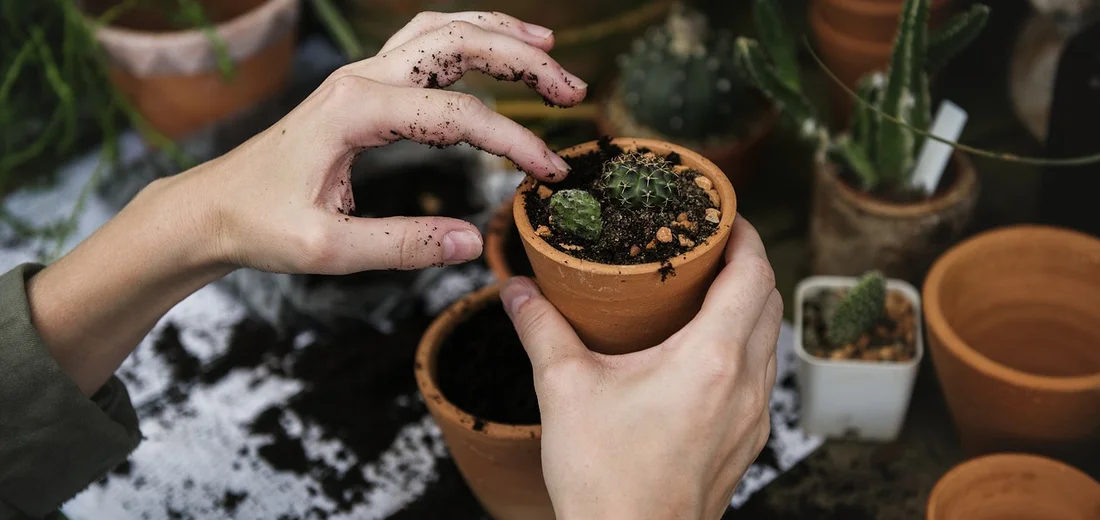
When a ZZ leaf turns completely yellow, it’s time for it to go. I always use a sharp, clean pair of scissors or pruning shears for a precise cut. This prevents tearing the stem, which can open the door to disease. Aim to cut the leaf stem as close to the base of the main plant as you comfortably can.
If only the very tip of a leaf is yellow, you can simply trim off the discolored portion. This little trick keeps the rest of the healthy green leaf contributing to your plant’s energy production. Just make a clean, angled cut to mimic the leaf’s natural shape.
- Wipe your cutting tool with rubbing alcohol to sterilize it.
- Identify the yellow leaf and trace its stem down to the soil line.
- Make one confident, clean cut through the stem near the base.
- Dispose of the removed leaf-don’t leave it sitting on the soil.
Preventing Future Yellow Leaves on Your ZZ Plant
Seeing a yellow leaf can feel like a setback, but it’s often a simple fix. The key to a happy ZZ is replicating the “tough love” conditions of its natural environment. I’ve found that focusing on these three areas makes all the difference.
Mastering the Watering Schedule
Overwatering is the number one cause of yellow leaves on a ZZ plant. My golden rule is to treat my ZZ like a succulent: I only water when the soil is completely dry all the way through. I stick my finger about two inches into the pot—if I feel any moisture at all, I walk away. Yellowing or browning leaves can signal issues beyond overwatering, so recognizing the common causes helps with the right solutions. With the right care—proper watering, drainage, and light—you can revive a stressed ZZ plant.
In my home, this usually means watering only every 3-4 weeks, and even less often in the winter. When you do water, give it a thorough soak until water runs freely from the drainage holes, then let it fully drain. Your ZZ’s potato-like rhizomes store water, so it’s built to handle your forgetfulness. This approach aligns with the general guide on how often to water indoor plants, which favors deep, infrequent watering for drought-tolerant varieties like the ZZ plant.
Finding the Perfect Light
ZZ plants are famous for tolerating low light, but they truly thrive in bright, indirect light. Placing your plant in a spot with plenty of ambient light encourages stronger growth and helps the soil dry out properly between waterings. A north or east-facing window is often ideal.
Be careful of direct, hot sun, which can scorch the leaves. If you see bleached, pale, or crispy spots on the leaves, it’s a clear sign your plant is getting too much direct sun. I once made this mistake with a ZZ in a south-facing bay window, and moving it just a few feet back solved the problem immediately.
The Right Soil and Pot Setup
The perfect home for your ZZ plant starts with the pot and soil. Always, always use a pot with a drainage hole-this is non-negotiable for preventing root rot. A snug pot is better than an overly large one, as too much soil holds excess moisture for too long. In the ZZ plant care guide, you’ll find tips on watering, light needs, and soil requirements. Following these basics helps prevent overwatering and supports healthy growth.
For soil, I create a mix that is fast-draining. A standard potting mix amended with perlite or coarse sand provides the quick drainage ZZ plants crave. This creates air pockets around the roots and prevents water from pooling. This is one of the best soil mixes for ZZ plants, prized for its balance of drainage and moisture retention. Repot only when you see roots circling the bottom of the pot, typically every couple of years.
- Pot: Terracotta is excellent because it’s porous and helps wick away moisture.
- Soil Mix: Try 2 parts regular potting soil to 1 part perlite or orchid bark.
- Repotting Tip: Water your plant a day or two before repotting to reduce transplant shock.
FAQs
Why is it important to remove yellow leaves from a ZZ plant?
Removing yellow leaves helps the plant redirect energy to healthy growth and prevents potential pest issues.
What is the safest way to remove yellow leaves from a ZZ plant?
Use clean, sharp scissors to make a precise cut at the base of the leaf stem to avoid infection.
Should I remove yellow leaves if my ZZ plant is producing flowers?
Yes, carefully remove yellow leaves to help the plant focus its resources on flowering and overall health.
Can I prevent yellow leaves on my ZZ plant by adjusting care?
Proper watering, adequate light, and well-draining soil can minimize yellowing in ZZ plants.
Do all yellow leaves on a ZZ plant need to be removed immediately?
No, only remove fully yellow or damaged leaves, as partially yellow ones may still contribute energy.
What tools are recommended for removing yellow leaves from ZZ plants?
Sterilized pruning shears or scissors are ideal for clean cuts that promote quick healing.
Your ZZ Plant Care Made Simple
In my years of growing ZZ plants, I’ve learned that removing yellow leaves depends entirely on the cause-only snip them off if they’re due to overwatering or disease, not natural aging.
- Trim soft, discolored leaves at the soil line with sterilized scissors to stop rot from spreading.
- Leave older yellow leaves in place if the rest of the plant looks healthy-they’ll drop on their own.
- Always check soil moisture first; yellow leaves often mean you’re watering too much or too little.
You’ve got this-trust your instincts, use clean tools, and your ZZ plant will keep brightening your space with its tough, beautiful leaves, especially when you prune and maintain your ZZ plants properly.
Further Reading & Sources
- r/plantclinic on Reddit: Does anyone know what’s wrong with my zz plant? It’s been yellowing and getting worse. I have watered it and also left it alone.
- Does Your ZZ Plant Have Yellow Leaves? Here Are the 5 Most Common Causes
- After my ZZ plant had a baby all the leaves started to turn …
- Why does my ZZ Plant have yellow leaves? – Bloomscape
Lena Greenfield is a passionate horticulturist and plant care expert with over 10 years of experience cultivating and nurturing hardy house plants. With a deep understanding of both indoor and outdoor gardening, Lena shares practical advice on choosing, caring for, and maintaining resilient plants that flourish year-round. Through her knowledge and hands-on approach, Lena helps plant lovers transform their spaces into vibrant, green sanctuaries, no matter their gardening experience.
Pruning Techniques