
Where to Sell Succulents
Published on: February 9, 2026 | Last Updated: February 9, 2026
Written By: Lena Greenfield
If you’re wondering where to sell your succulents, you might also be concerned about finding reliable buyers or making a profit. As a succulent seller for over five years, I’ve navigated these same questions and turned my plant passion into a steady side income.
In this guide, I’ll walk you through online marketplaces, local selling options, pricing advice, and effective marketing tips to get your succulents sold quickly and easily.
Your Guide to Online Succulent Marketplaces
Over the years, I’ve sold thousands of succulents online. The key to success is matching your plants and your style to the right platform. Each marketplace has its own personality and customer expectations.
Etsy: The Handmade and Vintage Hub
Etsy is my go-to for selling unique succulent arrangements and individual rare specimens. Customers here are looking for a story, not just a plant. I always photograph my plants against a clean, bright background and write detailed descriptions about their care. If you’re wondering where to buy artificial succulents, I recommend looking for shops that specialize in lifelike replicas. Look for detailed photos and clear care guides to ensure authenticity.
- Price competitively but factor in Etsy’s listing and transaction fees.
- Offer combined shipping discounts to encourage larger orders.
- Pack with extreme care; I use tissue paper and secure pots with tape to prevent soil spills during transit.
My best sellers on Etsy are always the ones I’ve personally propagated and nurtured for months. Buyers love knowing the plant’s history.
eBay: For Bulk Sales and Rare Finds
eBay’s auction format is perfect for moving large quantities of common succulents or selling a single, highly sought-after plant. I use “Buy It Now” for bulk listings of propagations and auctions for my most unusual hybrids.
- Take clear photos from multiple angles, highlighting any unique colors or shapes.
- Be brutally honest about any imperfections in the description to avoid returns.
- Set a realistic starting bid to generate early interest.
I once sold a single, mature variegated String of Pearls for over $80 on eBay because I started the bidding low and let demand drive the price up.
Facebook Marketplace: Quick Local Sales
When I need to clear out my greenhouse quickly, Facebook Marketplace is my first stop. This platform is all about convenience and avoiding shipping hassles. I usually list mixed succulent pots or “assorted cuttings” lots.
- Always meet in a safe, public place during daylight hours.
- Take a photo of the exact pot or arrangement you’re selling to prevent confusion.
- Be prepared to negotiate; many buyers will ask for a slightly lower price.
I often sell out within a day by pricing my Facebook listings just below what local nurseries charge.
Instagram and Pinterest: Visual Storytelling for Sales
These platforms aren’t traditional stores, but they are powerful sales engines. I use Instagram to show off my succulents in beautiful, styled photos and short videos of my watering routine. Your profile becomes a living catalog that builds trust and desire.
- Use relevant hashtags like #succulentsforsale and #plantshop to get discovered.
- Post consistently and engage with comments to build a community.
- Direct interested followers to a simple website or a direct message for purchasing.
Most of my repeat customers found me through a stunning photo of a blooming echeveria I posted on Instagram.
Finding Local Buyers for Your Succulents
Selling in person lets you connect with your community and save on shipping materials. Nothing beats seeing a customer’s face light up when they pick out their new plant.
Farmers Markets and Craft Fairs
I’ve done dozens of local markets, and they are a fantastic way to build a loyal customer base. Display is everything. Use tiered shelves to create visual interest and group plants by color or type.
- Bring business cards or a sign with your social media handle.
- Offer a “plant care card” with basic watering and sunlight needs with every purchase.
- Have a square reader or other mobile payment system ready; many people don’t carry cash.
A small, attractive display with healthy plants will always outsell a large, cluttered one. Focus on quality over quantity.
Approaching Local Plant Nurseries and Garden Centers
I supply several local shops with my extra succulents. It’s a steady, reliable income stream. When you approach a nursery owner, be professional and bring a few sample plants with you. If you’re looking to buy succulents in bulk for resale, wholesale nurseries and bulk plant suppliers are the best places to start. I can share a few trusted sources I’ve found reliable.
- Call ahead to find out the best time to stop by, avoiding their busiest hours.
- Be prepared to discuss wholesale pricing, which is typically 50% of the retail price.
- Clearly label your plants with their scientific names; it makes you look more professional.
My first nursery client started with a small trial order of 20 plants. They now order from me every month.
Pop-Up Shops and Consignment Opportunities
Look for local boutiques, coffee shops, or art galleries that host pop-up events. These venues attract customers who appreciate unique, locally-made goods. Consignment, where the shop sells your plants for a percentage, is another low-risk option.
- Create a simple, signed agreement that outlines the consignment percentage and duration.
- Visit the shop regularly to check on your plants, water them, and remove any that aren’t looking their best.
- Your display should complement the shop’s aesthetic, not clash with it.
A pop-up shop inside a popular local cafe helped me reach an entirely new audience that wasn’t actively searching for plants.
How to Price Your Succulents for Profit

Factoring in Plant Size and Rarity
I learned to price my succulents by first looking at their size and how easy they are to find. A common Echeveria in a 2-inch pot won’t command the same price as a large, mature String of Pearls hanging basket. I break my plants into simple categories: common small starters, established specimens, and rare or variegated varieties.
For common varieties like Jade plants or most Haworthias, I use a baseline price. My personal rule is that a healthy, common 2-inch succulent should at least cover the cost of its pot, soil, and a little for my time. Rarity is where the real profit lies. A succulent with unique coloring, like a variegated String of Hearts, or a slow-growing type, like a Crested Euphorbia, can be priced much higher. Knowing how to price succulents correctly is crucial.
- Common & Small (2-4″ pot): $3 – $12. Think Hens and Chicks, Aloe Vera.
- Established & Larger (4-6″ pot): $15 – $30. A full, mature Echeveria rosette.
- Rare & Unusual (any size): $25 and up. Variegated plants, crested forms, or hard-to-propagate species.
Calculating Your True Costs
Many beginners forget to account for all their expenses and end up losing money. Your true cost isn’t just the price of the baby plant you started with; it’s everything that went into growing it to sale size. I keep a simple notebook to track my spending for each batch of plants I plan to sell.
Here’s what I include in my calculations:
- Pot or Container Cost: Even a simple plastic nursery pot has a price.
- Potting Soil & Amendments: I calculate the cost per plant based on the bag.
- Water & Fertilizer: It seems small, but it adds up over months of care.
- Your Time: Pay yourself for propagating, repotting, and daily care!
- Overhead: A portion of your electricity bill for grow lights, or your gas for trips to the garden center.
Quick Tip: Don’t undervalue your time! Even a small hourly wage for your care makes your business sustainable. Once you add up these true costs, you’ll know the minimum price you need to charge just to break even. Your profit is the amount you charge above that number.
Preparing Your Succulents for a Successful Sale
Step 1: The Health and Pest Check
Before any sale, I give every single plant a thorough inspection. Selling a sick plant will ruin your reputation faster than anything else. I check under the leaves and near the soil for any signs of mealybugs (they look like tiny bits of white fluff) or spider mites (fine webbing).
I also look for signs of disease, like mushy stems from overwatering or black spots from fungus. If I find a pest, I immediately isolate that plant and treat it; it does not go up for sale until it’s been pest-free for at least two weeks. Your customers are trusting you to provide a healthy start for their collection.
Step 2: Cleaning and Grooming
A clean plant looks well-cared-for and is more appealing to buyers. I use a soft, dry paintbrush to gently dust off succulents – that beautiful powdery coating on many succulents – and to remove any dirt from the leaves. Safe cleaning keeps dust and dirt from accumulating on succulents. Using gentle, dry or lightly damp methods removes debris without harming the plant. For tougher grime, a damp cloth carefully wiped on sturdy leaves like those of a Snake Plant works wonders.
This is also the time for a little “plant haircut.” I use clean, sharp scissors to snip off any dry, crispy, or dying leaves at the base of the plant. This not only makes the plant look tidier but also directs its energy to healthy new growth. A well-groomed plant signals quality.
Step 3: The Final Presentation
Presentation is what turns a browser into a buyer. I always make sure the top layer of soil is clean and tidy, sometimes adding a decorative top dressing like small pebbles or aquarium gravel for a polished look. If the pot is dirty, I wipe it down so it looks fresh.
Quick Tip: A simple, hand-written tag with the plant’s name and basic care instructions (e.g., “Bright Light, Water When Dry”) adds tremendous value and shows you’re an expert. For photos or in-person sales, I group plants attractively and ensure they have good lighting. A beautiful presentation justifies a higher price and makes your succulents irresistible. Succulents are known for being easy to care for, which makes this approach a natural fit for beginners. This simple setup is a core part of a beginner-friendly, complete easy-care guide.
Creating Listings That Captivate Buyers
Taking Photos That Sell
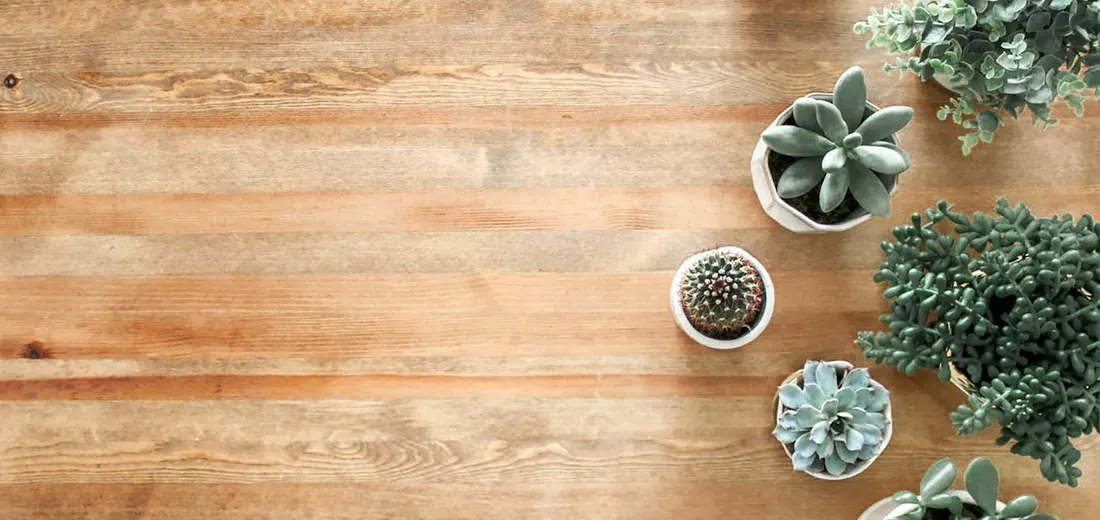
I learned the hard way that a blurry photo in poor lighting makes even the rarest succulent look unappealing. Natural, indirect sunlight is your best friend for showcasing true colors and textures. Take your plant near a bright window but out of direct sun to avoid harsh shadows. Once you’ve got the light right, try creative ways to display succulents around your home. Terrariums, wall-mounted planters, or stacked shelves can highlight their unique shapes.
Always clean the leaves with a soft, dry paintbrush before you shoot. A little dust can make a plant look neglected. Capture multiple angles, including a top-down view of the rosette and a side profile to show its full shape. Don’t forget a close-up shot of any unique features, like farina (that powdery coating) or stress colors.
For a professional touch, use a simple, solid-colored background. A piece of white poster board or a neutral wall works perfectly. A clean background makes your succulent the undeniable star of the photo. This simple setup is ideal for creating a stunning display of rare colorful succulents. With the right lighting, the colors pop even more.
Writing Descriptions With Personality and Care Tips
Your description is your chance to connect with a fellow plant lover. I always start by giving the plant a name, even if it’s a common one like ‘Echeveria Lola’. Describe its personality-is it a “chunky, low-maintenance buddy” or an “elegant, slow-growing showstopper”? This makes it memorable.
Be brutally honest about the plant’s condition. Mention any minor imperfections, like a lower leaf that’s being reabsorbed. Transparency builds immense trust and prevents disappointed customers later.
Always include a quick care guide. This shows you’re an expert who cares about the plant’s future. I structure mine like this:
- Light: Bright, indirect light. A sunny windowsill is perfect.
- Water: Only when the soil is completely dry. I stick my finger in to check!
- Pro Tip: Use a pot with a drainage hole to prevent root rot.
Including these simple care instructions makes a new plant parent feel confident and supported.
Navigating Shipping and Local Pickup
Mastering Plant Shipping
Shipping plants can feel scary, but a good packing method ensures they arrive safely. I never, ever ship a plant with wet soil. I water my succulents about 3-5 days before shipping so the roots are hydrated but the soil is dry. This prevents mold and rot during transit. For a complete, step-by-step guide on safely mailing succulents, check out the complete guide. It covers packing methods, materials, and post-shipment care to keep plants healthy.
The “bare-root” method is the gold standard for shipping. Here is my step-by-step process:
- Gently remove the plant from its pot and brush off all the soil from the roots.
- Let the roots air dry for a few hours to prevent rot.
- Wrap the roots in a slightly damp paper towel and secure it with a rubber band.
- Place the plant in a box, using crumpled paper or bubble wrap to secure it so it can’t move around.
Pack the box as if it will be thrown-because it might be! Shake the closed box gently; if you hear anything rattle, you need more padding.
Setting Up Smooth Local Pickup
For local sales, I find that clear communication is even more important than the packing. I always specify a public meeting spot, like a well-lit supermarket parking lot, for everyone’s safety and convenience.
I send a confirmation message the morning of the pickup with the exact address and a description of my car. This small step prevents 90% of the “I can’t find you” texts. I also keep a small box or tray in my car to make handing over the plant easy and spill-free.
Be prepared for buyers who want to inspect the plant. This is totally normal! I always have a few extra plants in the car, as this often leads to an impulse buy. It’s a win-win!
FAQs

How do I determine the right price for my succulents when selling online?
Price your succulents by comparing similar online listings and accounting for all your growing costs.
What are the advantages of using social media for succulent sales?
Social media helps you visually showcase your plants and directly engage with potential buyers to boost sales.
How can I find local plant swaps or markets to sell my succulents?
Find local selling opportunities by searching online event calendars and joining community gardening groups.
What should I do if a succulent doesn’t sell after several weeks?
If a succulent isn’t selling, try lowering the price, enhancing the photos, or offering it in a bundle.
Is it safe to accept payments through online platforms?
Yes, online payment systems are secure and protect both sellers and buyers during transactions.
How do I ship succulents to different climate zones?
Ship succulents safely by avoiding extreme temperatures and using appropriate packaging to prevent damage.
Your Path to Succulent Selling Success
I’ve sold hundreds of succulents over the years, and the key is picking the right sales channel that matches your plants and your style. Focus on platforms where plant lovers gather to ensure your succulents find happy new homes quickly. For buyers, check out our complete shopping guide on where to buy succulent plants to learn the best sources and what to look for. It ties the selling strategy to smart purchasing decisions.
- Start with online marketplaces like Etsy or local Facebook groups for easy access to buyers.
- Price based on plant size, rarity, and health to attract fair offers.
- Use bright, clear photos and honest descriptions to build trust with customers.
For more hands-on advice and growing tips, keep following along at Hardy House Plants-you’re already on the right track to turning your plant passion into profit. I’ve seen many beginners bloom into confident sellers, and you can too with a little practice and patience.
Further Reading & Sources
- r/succulents on Reddit: Dream job would be to sell succulents
- Make Money Selling Succulents on Etsy | Succulents and Sunshine
- Ways to Make Money with Succulents – Debra Lee Baldwin
- Live Succulents & Houseplants for Sale Online | Succulents Box®
Lena Greenfield is a passionate horticulturist and plant care expert with over 10 years of experience cultivating and nurturing hardy house plants. With a deep understanding of both indoor and outdoor gardening, Lena shares practical advice on choosing, caring for, and maintaining resilient plants that flourish year-round. Through her knowledge and hands-on approach, Lena helps plant lovers transform their spaces into vibrant, green sanctuaries, no matter their gardening experience.
Propagation Methods