
Creating a Stunning Display with Rare and Colorful Succulents
Published on: February 27, 2026 | Last Updated: February 27, 2026
Written By: Lena Greenfield
Have you ever admired a vibrant, one-of-a-kind succulent arrangement and wondered if you could create something similar? Maybe you’ve worried that rare plants are too difficult to keep alive or too expensive to collect.
I’ve been growing these fascinating plants for years, and I’m here to show you that building a jaw-dropping display is totally achievable. We’ll cover selecting the right rare succulents, mastering their simple care, and designing eye-catching arrangements.
Finding Your Perfect Rare and Colorful Succulents
I’ve spent years building my collection, and the hunt for that one special plant is half the fun. Start your search at local, specialized nurseries where the staff can tell you the story behind each plant. I’ve found my most unique specimens, like a crested Echeveria, this way.
Don’t overlook online specialty shops for a wider variety. My advice is to always check seller reviews and look for clear photos of the actual plant you’ll receive.
- Look for Echeveria ‘Rainbow’ or ‘Perle von Nurnberg’ for stunning pink and purple hues.
- Consider the bumpy, geometric texture of a Corpuscularia lehmannii (Ice Plant).
- Seek out a variegated String of Hearts for a trailing plant with pink splashes.
Plant swaps and local hobbyist groups are gold mines. I’ve traded common cuttings for rare finds and gained invaluable care tips from other collectors. The community is incredibly generous.
The Secret to Intense Succulent Color
Many new plant parents don’t realize that the most vibrant colors are often a sign of mild, healthy stress. Those brilliant reds and purples are the plant’s natural sunscreen, activated by sunlight. It’s not about hurting the plant, but giving it the conditions to show off.
Light is the most powerful tool. Gradually introduce your succulents to more direct light to avoid sunburn. You’ll see the colors deepen over a few weeks. Different succulents’ light needs, found here, vary—some tolerate bright sun, while others prefer gentler light. Monitor your collection and adjust exposure to suit each plant.
- Maximize Sun Exposure: A south-facing window is ideal. Rotate pots weekly for even color.
- Adjust Watering: Slightly underwatering can intensify color. Let the soil dry completely between waterings.
- Embrace Cooler Temperatures: A slight temperature drop at night can trigger stunning color changes, much like a maple tree in autumn.
My Crassula ‘Campfire’ turns a fiery red-orange on my sunny patio but stays green in a shadier spot. Observing how each plant reacts is the best way to learn its specific needs for maximum color.
Be patient. A newly purchased, colorful succulent might revert to green as it acclimates to your home’s light levels. Don’t worry-with the right care, the color will return.
Designing Your Succulent Masterpiece
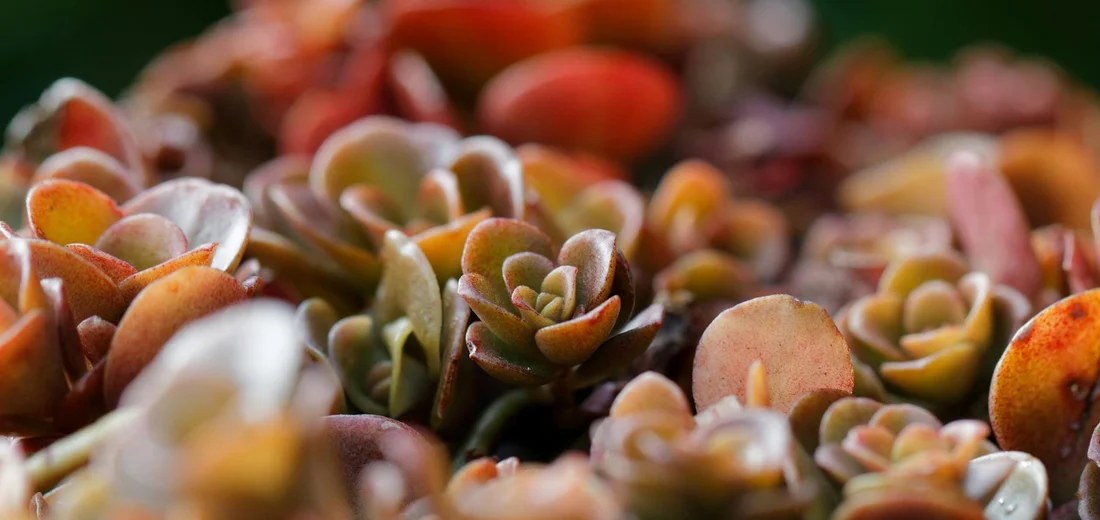
I’ve found that the real magic happens when you stop thinking of your succulents as individual plants and start seeing them as a living palette of textures and colors. Approaching your arrangement like an artist choosing paints completely transforms the process and the final result.
Step-by-Step: Building a Thriving Tray Garden
Let me walk you through the exact process I use for my own tray gardens, which ensures they look beautiful and stay healthy for years.
- Lay the Foundation
Your container is your canvas, and it must have a drainage hole. I learned this the hard way after a beautiful, hole-free ceramic bowl led to a case of root rot. A generous layer of drainage material like perlite or pumice at the bottom is non-negotiable for happy roots.
- Mix Your Growing Medium
Don’t use regular potting soil. I mix two parts succulent/cactus soil with one part perlite for a fast-draining, gritty mix that mimics their natural habitat. This simple step prevents more problems than any other single action. A perlite succulent soil mix ensures drainage and air in the root zone. It mirrors their gritty native soils, making care easier and more successful.
- Arrange Your Plants Before Planting
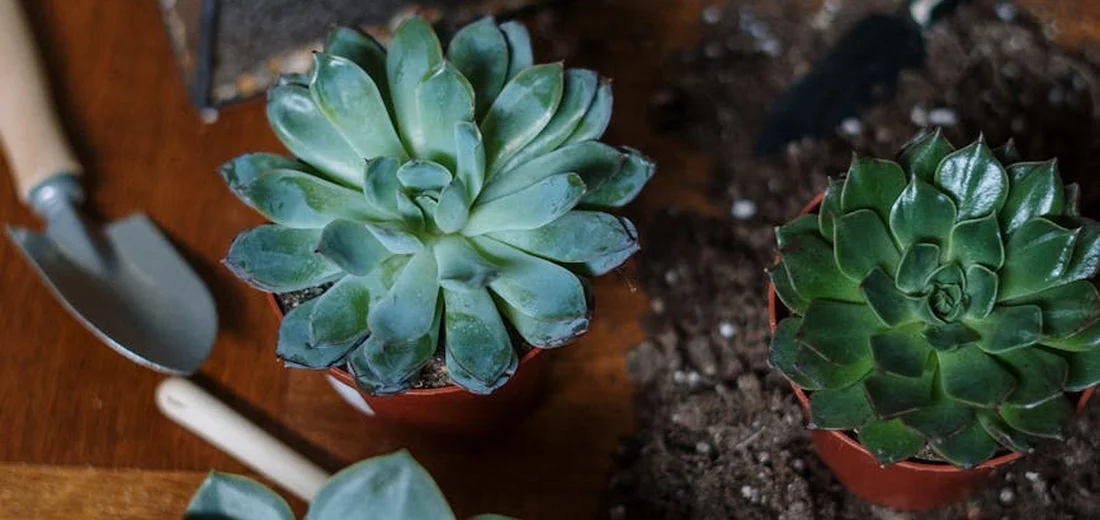
Place all your potted plants on top of the soil mix while they’re still in their nursery pots. This lets you play with the layout, adjust for height and color flow, and ensure you’re happy with the composition before anything goes in the ground. Move them around until it feels just right.
- Plant with Care
Gently remove each plant, tickle the roots to loosen them, and dig a small hole. Plant them at the same depth they were in their original pots. Firm the soil around the base to provide support.
- Add the Finishing Touch
Top-dress the soil with a decorative layer of small pebbles, crushed granite, or aquarium gravel. This top dressing is both beautiful and functional, keeping leaves dry and preventing soil from splashing out during watering.
Choosing Plants for Visual Impact
Selecting the right plants is where your personal style shines. I always aim for a mix of forms to create a dynamic, textured look.
- The “Thrillers” (Upright & Focal Points)
These are your statement pieces. Look for rare finds like the deep purple Echeveria ‘Perle von Nurnberg’ or the architectural Haworthia cooperi with its translucent “windows.” They add height and drama.
- The “Fillers” (Rosette & Mounding Shapes)
These plants build the body of your arrangement. My go-to fillers are colorful Sempervivums (Hens and Chicks) and the pastel-toned Graptopetalums. Their rosette shapes repeat throughout the design, creating a sense of cohesive rhythm.
- The “Spillers” (Trailing & Cascading Forms)
This is the secret ingredient for a professional-looking display. A String of Pearls (Senecio rowleyanus) or the ruby-red Sedum rubrotinctum spilling over the edge softens the hard lines of the container and adds movement.
Quick Tip: For an instant pop of color, tuck a vibrant red or orange Kalanchoe blossfeldiana into your arrangement-it’s a guaranteed showstopper.
Caring for Your Colorful Creation
Once your masterpiece is planted, a little know-how keeps it vibrant. The care is different from a single pot, but just as simple.
The single most important factor for maintaining those incredible colors is light. Most intensely colored succulents need several hours of direct sunlight daily to stay vivid. A south-facing window is ideal indoors. If your colors start to fade and the plants stretch out, they are telling you they need more light. While light is crucial, it is equally important to provide them with the right care in all aspects to keep them healthy.
Watering a group planting requires a gentle touch. I use a small watering can with a long, narrow spout to aim water directly at the soil, avoiding the leaves. Soak the soil completely until water runs out the drainage hole, then wait until the soil is bone-dry before watering again. In winter, this might mean watering only once a month.
Don’t be afraid to give your arrangement a haircut. If one plant grows too quickly and crowds its neighbors, I use clean, sharp scissors to trim it back. You can also gently remove and replant offsets (baby plants) to keep the composition balanced. Rotating your tray garden a quarter-turn every week ensures all sides receive even light and grow symmetrically.
Expanding Your Collection: Propagation Basics
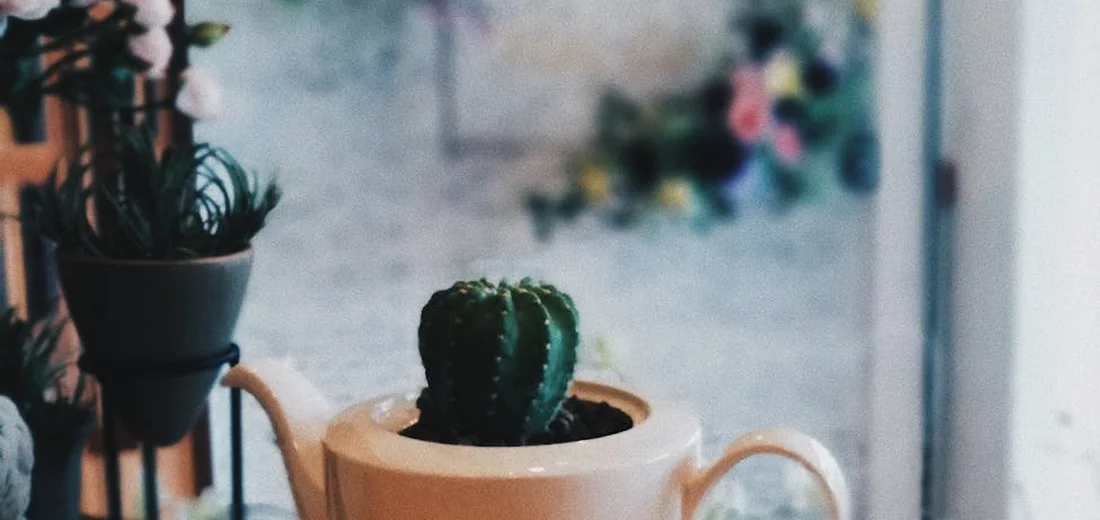
One of my favorite parts of succulent obsession is making more plants for free. Propagation lets you multiply your most beautiful specimens to fill out your display or share with friends. You can propagate rare succulents successfully by choosing robust cuttings and keeping conditions steady. I’ve turned one single echeveria into a whole family over the years.
The Simple Art of Leaf Cuttings
This method works wonders for many colorful succulents like graptopetalum and sedum.
- Gently twist a healthy, plump leaf from the stem. You want a clean break.
- Let the broken end callus over for a few days. I leave mine on a paper towel out of direct sun.
- Place the callused leaves on top of dry succulent soil. Do not bury them.
- Forget about them! Seriously, ignore them. In a few weeks, you’ll see tiny pink roots and a mini rosette.
- Once the mother leaf has shriveled, you can plant your new baby.
Quick Tip: The best time to take leaf cuttings is during your plant’s active growing season, typically spring.
Starting New Plants from Stem Cuttings
If you have a succulent that’s gotten leggy, this is the perfect fix. Leggy growth happens when succulents stretch toward the light. Improving light exposure and pruning can restore a compact shape. I use this for my colorful aeoniums and crassulas.
- Using clean, sharp scissors, snip a piece of stem a few inches long.
- Remove the lower leaves to expose a section of bare stem.
- Let the cut end dry and callus for 2-3 days.
- Stick the bare stem into fresh, dry cactus mix. It will root directly in the pot.
Dividing Offsets (“Pups”)
Some succulents, like sempervivum and aloe, do the work for you by growing tiny clones at their base.
When the pup is about one-third the size of the mother plant, it’s ready for independence. I gently tip the whole plant out of its pot and use my fingers to tease the pup’s roots away from the main root ball. Sometimes a clean knife is necessary for a stubborn connection. Pot it up separately, and you’ve instantly doubled your collection!
Keeping Your Display Healthy and Pest-Free
A stunning display can be ruined overnight by uninvited guests. Vigilance is your best defense; I make a habit of closely inspecting my plants every time I water. Catching a problem early makes all the difference.
Common Culprits and How to Evict Them
Here are the pests I’ve battled and my tried-and-true solutions.
| Pest | What to Look For | My Go-To Solution |
|---|---|---|
| Mealybugs | Small, white, cotton-like fluffs in leaf crevices. | Dip a cotton swab in rubbing alcohol and dab each bug directly. It’s strangely satisfying. |
| Fungus Gnats | Tiny black flies buzzing around the soil surface. | Let the soil dry out completely between waterings. I also use yellow sticky traps. |
| Spider Mites | Fine webbing and tiny speckles on leaves. | Spray the plant thoroughly with a strong stream of water or an insecticidal soap. |
Preventing Fungal Issues
Overwatering is the number one cause of rot and fungal problems. I always use a pot with a drainage hole and a fast-draining gritty mix to prevent water from pooling around the roots. Good air circulation is also crucial; don’t cram your plants too close together.
If you see mushy, blackened leaves or stems, act fast. Use a sterile knife to cut away all the rot until you see healthy tissue. Let the wound callus over completely before you even think about repotting it in fresh, dry soil.
Quick Tip: Bottom-watering your succulents by placing the pot in a tray of water helps keep the precious farina (that powdery coating) on the leaves intact and beautiful. This tip is part of our bottom watering techniques for succulents—covered in the complete guide. For more details, see the full guide on bottom watering techniques for succulents.
FAQs
What are rare colorful succulents?
Rare colorful succulents are unique plant varieties with vibrant, uncommon hues like deep purples, pinks, or reds that are not typically found in standard species. Colorful succulents come in a range of shades, adding a pop of color to any plant collection.
Where do rare colorful succulents originate from?
Many rare colorful succulents originate from dry, sunny regions such as South Africa, Mexico, and Madagascar, where they evolved in specific microclimates. These native regions span continents—from Africa to the Americas—reflecting a global pattern of drought adaptation. Understanding where succulents originate helps explain their distinctive forms and water-saving traits.
Are there hybrids of rare colorful succulents?
Yes, hybrids are intentionally bred by crossing species to produce new varieties with enhanced colors, patterns, or growth habits, like certain Echeveria or Graptoveria hybrids.
Which rare colorful succulents tolerate drought best?
Species such as Lithops and some Sedums are exceptionally drought-tolerant due to their specialized water-storing tissues and slow growth rates.
How to identify authentic rare colorful succulents?
Authentic rare succulents can be identified by their distinct, stable coloration, firm texture, and by sourcing them from trusted, specialized growers with verified credentials. If you’re wondering where to find rare succulents, look to reputable nurseries and verified collectors. They prioritize provenance and quality, helping you locate genuinely rare plants.
How do color changes occur in rare colorful succulents?
Color changes result from environmental stressors like high light exposure or cool temperatures, which activate protective pigments such as anthocyanins or carotenoids in the leaves.
Your Succulent Display Success Starts Now
From my own succulent-growing journey, I can confidently say that crafting a jaw-dropping display hinges on pairing eye-catching, rare plants with their ideal care routine-light, water, and soil are your best friends here.Focus on these core elements for a thriving, colorful arrangement:
- Select succulents with varying colors and textures for visual pop
- Match each plant’s light and water needs to keep them vibrant
- Use well-draining soil and pots to prevent root issues
I share all my hands-on plant experiments and quick fixes over at Hardy House Plants, so follow along for more friendly guidance. If you’re new to repotting succulents, here’s a beginner-friendly, step-by-step guide. Your succulent collection will flourish with a little patience and these simple steps—you’ve got this!
Further Reading & Sources
- Top 10 Colorful Succulents You Should Grow – Birds and Blooms
- Rare & Unique Succulents for Sale | Mountain Crest Gardens®
- Over 500 Types of Succulents – Shop Online at Planet Desert
- Rare & Unusual Succulents: Unique Succulent Gift Decor Ideas – Succulents Box
Lena Greenfield is a passionate horticulturist and plant care expert with over 10 years of experience cultivating and nurturing hardy house plants. With a deep understanding of both indoor and outdoor gardening, Lena shares practical advice on choosing, caring for, and maintaining resilient plants that flourish year-round. Through her knowledge and hands-on approach, Lena helps plant lovers transform their spaces into vibrant, green sanctuaries, no matter their gardening experience.
DIY Projects