
Snake Plant Companion Planting: Best Plant Pairings
Published on: April 2, 2026 | Last Updated: April 2, 2026
Written By: Lena Greenfield
You love your resilient snake plant, but its solo pot might feel a little lonely. The great news is that you can absolutely pair it with other plants to create a stunning, low-maintenance display.
I’ll share my favorite combinations from years of indoor gardening, covering best plant pairings, design tips, care requirements, and common mistakes to avoid.
The Basics of Snake Plant Companion Planting
In indoor container gardening, companion planting is the art of grouping plants together that look good and, more importantly, thrive under similar care routines. You’re essentially creating a mini-ecosystem in a pot where all the residents are happy with the same amount of light, water, and attention.
Pairing plants this way gives you a fuller, more dynamic display than a single plant can offer. You’ll simplify your plant care schedule because you can water and fertilize the whole container at once instead of catering to individual needs.
The snake plant, or Sansevieria trifasciata, is a superstar companion because of its tough-as-nails personality. Its famous drought tolerance means it won’t throw a fit if you forget a watering, and it’s incredibly flexible with light, surviving in everything from a bright spot to a dim corner especially the low-light varieties. This makes it a wonderfully forgiving anchor for your plant groupings.
Top Companion Plants for Snake Plants
Excellent Low Light Pairings
If your space is more on the cozy and dim side, these plants will happily share a pot with your snake plant.
- ZZ Plant (Zamioculcas zamiifolia): With its glossy, dark green leaflets, the ZZ plant mirrors the snake plant’s toughness. I’ve kept this duo together in a north-facing room for years, and they both just slowly and steadily put out new growth without any fuss.
- Cast Iron Plant (Aspidistra elatior): The name says it all. Its broad, dark green leaves provide a lovely textural contrast to the snake plant’s upright spears. This is one of the most low-maintenance pairs you can possibly create.
- Parlor Palm (Chamaedorea elegans): This palm adds soft, feathery fronds that beautifully play against the snake plant’s rigid structure. It appreciates the same infrequent watering but does like a bit more humidity, so an occasional misting keeps it perky.
- Pothos (Epipremnum aureum): While it can handle brighter light, pothos is a champion in low light. I love letting its trailing vines spill over the edge of a pot, softening the sharp vertical lines of the snake plant.
Drought-Tolerant Partners: Succulents and Cacti
For a truly set-it-and-forget-it arrangement, pair your snake plant with other plants that despise wet feet.
- Jade Plant (Crassula ovata): The jade plant’s thick, woody stems and plump leaves create a wonderful, chunky contrast. Both plants store water in their leaves, so they are perfectly in sync on a watering schedule.
- Zebra Haworthia (Haworthiopsis attenuata): This small, sculptural succulent has a similar striped pattern to some snake plants, creating a fun thematic connection. Its low, horizontal growth habit fills the base of the pot beautifully.
- Ponytail Palm (Beaucarnea recurvata): Its swollen, bulb-like base and cascading, curly leaves add incredible architectural interest. This pairing is all about dramatic shapes and zero drama care.
The single most important rule for these pairings is to use a gritty, well-draining cactus and succulent potting mix to prevent root rot for all involved. In our plant cacti succulents together compatibility guide, we explain which combinations work best together and which to avoid. This context helps you plan harmonious arrangements and prevent common issues.
Foliage and Color Contrast Companions
This is where you get to play artist, using different leaf colors and textures to make your arrangement pop.
- Chinese Evergreen (Aglaonema): Available in stunning shades of red, pink, and silver, the Chinese Evergreen provides a spectacular color splash. It enjoys the same warm, stable temperatures as your snake plant.
- Prayer Plant (Maranta leuconeura): Its beautifully patterned leaves with pink veins fold up at night, which is just fascinating to watch. This plant will appreciate a bit more humidity than the snake plant, so grouping them close together can create a more humid microclimate.
- Peperomia (Peperomia spp.): With varieties like the Watermelon Peperomia, you get stunning leaf patterns in a compact size. Their smaller stature makes them perfect for filling in space at the base of the taller snake plant leaves.
When creating these artistic pairs, just keep a close eye on light. A brightly variegated plant might need a bit more light than a deep green snake plant, so a spot with medium, indirect light is often the perfect compromise.
Plants to Avoid Pairing with Your Snake Plant
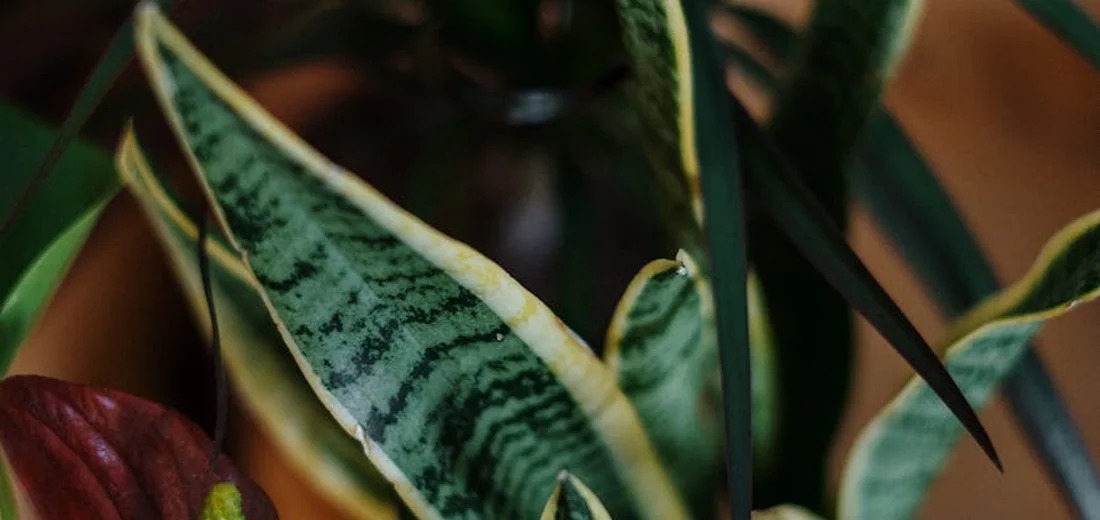
I’ve learned from trial and error that some plants just don’t make good roommates for a snake plant. The biggest conflict usually comes from watering needs; pairing a plant that loves constant moisture with one that thrives on neglect is a recipe for disaster. Care can vary between snake plant types—light, water, and soil needs differ. Some varieties tolerate low light; others need brighter conditions and well-draining soil.
- Ferns, like the Boston or Maidenhair fern, require consistently damp soil and high humidity, which will quickly cause your snake plant’s roots to rot.
- Peace Lilies are dramatic plants that droop when thirsty, tempting you to water the entire pot far too often for a snake plant’s liking.
- Nerve Plants (Fittonia) are beautiful but incredibly thirsty, needing moist soil that would be far too wet for your sansevieria.
- Calatheas and Prayer Plants prefer humid, tropical conditions and evenly moist soil, creating an environment that is the complete opposite of what a snake plant enjoys.
If you have curious pets, you’ll be happy to know the snake plant itself is only mildly toxic. For completely safe pairings, consider other pet-friendly succulents like Haworthia or Burro’s Tail, which share the same easy-care lifestyle. Haworthia and Burro’s Tail are great examples of pet-safe, non-toxic options for homes with animals. They help you keep a lush, pet-friendly display.
Some popular houseplants aren’t ideal companions simply because their care is too different. Pothos and Spider Plants are adaptable, but they grow quickly and can become root-bound, competing for space and nutrients long before your slow-growing snake plant even notices. For snake plants, choosing the right pot is key for proper drainage and healthy roots. Our best pot types snake plants complete guide walks you through terracotta, plastic, and ceramic options, plus tips on sizing and repotting.
How to Create Your Snake Plant Pairing
Choosing the Right Pot and Soil
- Select a decorative planter with adequate drainage. I always look for a pot with at least one good-sized drainage hole; without it, water pools at the bottom and spells doom for the roots.
- Prepare a well-draining potting mix suitable for drought-tolerant plants. My go-to mix is a standard cactus soil with a handful of perlite mixed in for extra aeration.
- Consider the mature size of all plants to ensure enough space. Give them room to grow without being cramped, which helps prevent competition and reduces the risk of pest issues.
Arranging Your Plants for Growth and Beauty
- Position the snake plant as a focal point, considering its height. I often place my tall, upright snake plant towards the back or center of the arrangement to give it a commanding presence.
- Arrange companion plants around it, considering sun exposure for all. Make sure shorter, trailing plants like String of Pearls are placed where they won’t be shaded out by the taller snake plant leaves.
- Ensure good air circulation between plants to support pest resistance. Avoid packing the foliage too tightly; a little breathing room goes a long way in keeping mites and fungus at bay.
Caring for Your Plant Community
Once you’ve chosen your plant partners, the real fun begins: keeping them all happy together. I’ve found that a little upfront planning for their care makes a huge difference in creating a thriving, low-maintenance display. It’s all about finding that sweet spot where everyone’s needs overlap.
A Simple Watering Guide for Your Groupings
Watering is often where people get tripped up, but I use a simple system. I always check the soil with my finger before giving any water to the whole arrangement.
- For ZZ Plant & Snake Plant Pairings: This is the ultimate low-water duo. Let the soil dry out completely all the way to the bottom of the pot between waterings. In my home, this often means watering only once a month, especially in winter.
- For Pothos & Snake Plant Pairings: Your pothos will be the thirstiest member of the group. Water the community when the top 1-2 inches of soil feel dry. The snake plant won’t mind this schedule as long as the pot drains well.
- For Haworthia & Snake Plant Pairings: Treat this succulent pairing like a desert landscape. Soak the soil thoroughly, then let it become bone-dry before even thinking about more water. They store moisture in their leaves, so they prefer neglect over frequent sips.
Quick Tip: When in doubt, wait a few more days to water. It’s much easier to fix an underwatered succulent than an overwatered one. Learn to identify whether your plant is overwatered or underwatered. Then apply the appropriate fix.
Finding the Perfect Light for Your Pairings
Light is the engine for growth, and getting it right ensures all your plants can photosynthesize efficiently. Snake plants are wonderfully adaptable, so I use them as the baseline and match others to them.
- ZZ Plant & Snake Plant: These two are champions of low to medium, indirect light. A north-facing window or a spot several feet back from an east or west window is perfect. They can handle lower light than almost any other houseplant.
- Pothos & Snake Plant: This pairing loves bright, indirect light. An east-facing window is ideal. The good light will encourage faster, more vibrant growth from your pothos, and your snake plant will develop stronger, richer colors.
- Haworthia & Snake Plant: Give these succulents a spot with plenty of bright, indirect light. A south or west window (with a sheer curtain to filter harsh afternoon rays) will keep them compact and happily growing.
I always rotate my pots a quarter-turn every time I water to ensure every side of the plant community gets even light exposure.
Feeding and Maintenance for Growth Synergy
A little food and simple upkeep go a long way in helping your plants support each other. I think of it as team-building for your greenery.
- Feeding: During the spring and summer growing season, I use a balanced, half-strength liquid fertilizer every other month. I water the soil with it, ensuring all the roots in the community get a gentle boost. I stop feeding entirely in the fall and winter when growth naturally slows.
- Dusting: Dust blocks light. Every few weeks, I gently wipe the broad leaves of my snake plant and any other smooth-leaved companions with a damp cloth. This simple act maximizes their light absorption.
- Pruning: Regularly snip off any yellowing or dead leaves from any plant in the group. This not only keeps the arrangement looking tidy but also prevents the plant from wasting energy on failing parts and redirects it to new growth.
Healthy plants growing together create a slightly more humid microclimate around their leaves, which can subtly benefit all the members of your mini-ecosystem.
FAQs
Can snake plants be combined with pothos in the same container?
Yes, pothos is a compatible companion that shares similar low-light tolerance and infrequent watering needs.
Do snake plants pair well with ferns?
No, ferns require consistently moist soil and high humidity, which can lead to root rot in snake plants.
What succulents can be paired with snake plants in mixed pots?
Jade plants, zebra haworthia, and ponytail palms are excellent succulent choices due to their shared drought-tolerant nature. For gardeners seeking guidance, essential succulent care guides for specific varieties can be invaluable. These guides cover watering, lighting, and soil needs for jade, zebra haworthia, and ponytail palms.
Are there any toxic risks when pairing snake plants with other houseplants?
Snake plants are mildly toxic if ingested, so opt for non-toxic companions like haworthia if pets are around.
What potting mix works best for snake plant pairings?
A gritty, well-draining cactus or succulent mix with added perlite prevents moisture retention and supports healthy roots.
Do snake plants thrive with air plants in the same display?
No, air plants need high humidity and frequent misting, which contradicts the dry environment snake plants prefer. If you’re wondering whether snake plants make good indoor houseplants, they do. They tolerate low light and infrequent watering.
Your Snake Plant’s Perfect Plant Partners
From my years of mixing and matching plants, I’ve learned that the key to successful snake plant companion planting is pairing it with other low-maintenance, drought-tolerant plants that thrive in similar conditions. This approach ensures all your green friends stay happy without extra fuss. For best results with fertilizing snake plants, feed lightly in spring and summer and avoid fertilizer in winter. This fits the overall strategy of matching low-maintenance companions with similar care needs.
- Choose plants like ZZ plants, pothos, or succulents for shared care needs.
- Focus on good drainage and indirect light to prevent overwatering.
- Avoid high-humidity or water-loving species to keep things simple.
Now, go ahead and trust your instincts-you’re ready to create a beautiful, resilient indoor garden that grows with confidence and joy!
Further Reading & Sources
- 8 Houseplants You Should Grow With Snake Plants for a Lusher Indoor Garden
- Place Snake Plant With Other Houseplants It Loves
- Enhance Your Snake Plant’s Beauty and Health with These Perfect Companion Plants – Northern Butterfly
- Can you plant snake plant with another houseplant? – Quora
Lena Greenfield is a passionate horticulturist and plant care expert with over 10 years of experience cultivating and nurturing hardy house plants. With a deep understanding of both indoor and outdoor gardening, Lena shares practical advice on choosing, caring for, and maintaining resilient plants that flourish year-round. Through her knowledge and hands-on approach, Lena helps plant lovers transform their spaces into vibrant, green sanctuaries, no matter their gardening experience.
Light Requirements