
Staking and Supporting Snake Plants: Your Simple Guide
Is your tall, proud snake plant starting to droop or lean to one side? You might be worried that you’ve done something wrong or that your plant is damaged beyond repair.
In my years of collecting snake plants, I’ve learned that a little lean is often a simple fix. This guide will walk you through when to stake, how to do it correctly, and the materials that work best.
We’ll cover: when your snake plant actually needs support, the best staking methods for different situations, choosing the right materials, and my step-by-step guide to staking without harming your plant.
Why Would a Sturdy Snake Plant Ever Need Support?
You might think your snake plant is an unshakeable pillar of green strength, and for the most part, you’re right. I’ve had many that stood tall for years without a single complaint. But even the toughest plants can meet conditions they weren’t designed to handle on their own. The most common reason I’ve had to stake a snake plant is when it becomes top-heavy. A large, mature plant in a relatively small or shallow pot is a prime candidate for tipping over. If you notice it’s outgrowing its pot, a proper repot a snake plant can give it new life. Here’s a simple step-by-step guide on how to repot a snake plant.
I once rescued a gorgeous, sprawling snake plant that had been knocked over by a curious cat. The pot was far too shallow for its height, and the impact sent it toppling. Sometimes, the need for support isn’t the plant’s fault at all-it’s an issue with its environment. Other times, the problem starts below the surface. If the roots are compromised by overwatering or rot, they can no longer anchor the plant securely, causing the entire structure to become wobbly and unstable in its pot.
How to Know For Sure It’s Staking Time
Don’t just start poking sticks into your plant’s pot. A little investigation will tell you exactly what’s going on and if support is truly the answer. Taking five minutes to diagnose the real issue will save your plant from unnecessary stress.
Step 1: Check the Soil and Roots
Gently wiggle the base of the plant. Does the whole thing feel loose, like a wobbly tooth? If yes, it’s time for a hands-on inspection. Carefully tip the pot on its side and ease the plant out. Healthy roots should be firm and a vibrant orange or white, not mushy or dark brown. If the root ball is small, shriveled, or smells bad, you’ve found your culprit. A plant with a poor root system simply can’t hold itself up.
Quick Tip: If the soil is bone dry, a good, deep watering might be all the support it needs to firm up!
Step 2: Inspect the Leaves and Stems
Look at your plant from a few different angles. Are the leaves leaning dramatically in one direction, seeking more light? Is the plant so tall that the leaves are starting to arch or curve under their own weight? Run your fingers along the leaves. A healthy, self-supporting leaf will feel rigid and firm from base to tip. If a leaf feels soft, wrinkled, or bends too easily near the base, it’s signaling a weakness that might need external help. I often see this with the outer leaves on very large, dense clumps.
Also, look for any physical damage. A leaf that got bumped or bruised might start to lean as it heals. Identifying whether the issue is one weak leaf or the entire plant is key to choosing the right support strategy.
Gathering Your Gentle Support System

Before you start, you’ll need a few simple items. I always keep a stash of bamboo stakes and soft plant ties in my gardening kit because they’re gentle, effective, and look natural. You don’t need anything fancy; a trip to the garden center or even a look around your house will usually yield what you need. For beginner plant parents, assembling a small set of essential tools and supplies will keep care simple and effective.
- Stakes: Bamboo is my top choice. It’s sturdy, affordable, and blends right in. Moss poles are another great option if you want to add a touch of humidity.
- Ties: Use soft materials! I’ve repurposed old nylon stockings, soft yarn, and velcro plant ties. They won’t cut into the leaves as the plant grows.
- Scissors: For cutting your ties to the perfect length.
- A watering can: You might want to give your plant a drink after you’ve finished. It’s a nice way to help it settle.
Quick tip: If a leaf is only slightly leaning, sometimes just rotating the pot towards the light source is all the support it needs. I’ve fixed many a minor lean just by giving the pot a quarter-turn every time I water.
The Right Way to Stake Your Snake Plant
Staking a snake plant is more about offering a crutch than forcing it into a position. The goal is to provide gentle guidance so the plant can strengthen itself, not to strap it down tightly. I treat it like helping a friend stand up straight-you offer support, but they do the work.
Step-by-Step Staking Guide
- Assess the Situation
Identify which leaves are leaning or flopping. Decide if one central stake will suffice or if you need a few smaller stakes for individual leaves. - Position the Stake
Gently push the stake into the soil, aiming for a spot near the edge of the pot and close to the plant’s base. Be very careful to avoid spearing through the thick, fleshy roots-I push slowly and stop if I feel resistance. - Create the Support Loop
Take your soft tie and create a loose loop around the leaf. You should be able to easily slip a finger or two between the tie and the plant. - Attach to the Stake
Secure the tie to the stake. The leaf should be upright but not pulled unnaturally tight against the support. It should still have a little room to sway. - Check Your Work
Step back and look. Does the plant look supported but not imprisoned? Make any final adjustments to the tightness of the ties.
Remember, this is a temporary measure. The real fix is addressing the underlying cause of the weakness, like insufficient light. To handle light-related issues, learn to identify common symptoms such as leggy growth or pale leaves. Then adjust sun exposure or add a grow light. I usually check my staked plants every few weeks to see if they can stand on their own again.
Caring for Your Newly Supported Plant
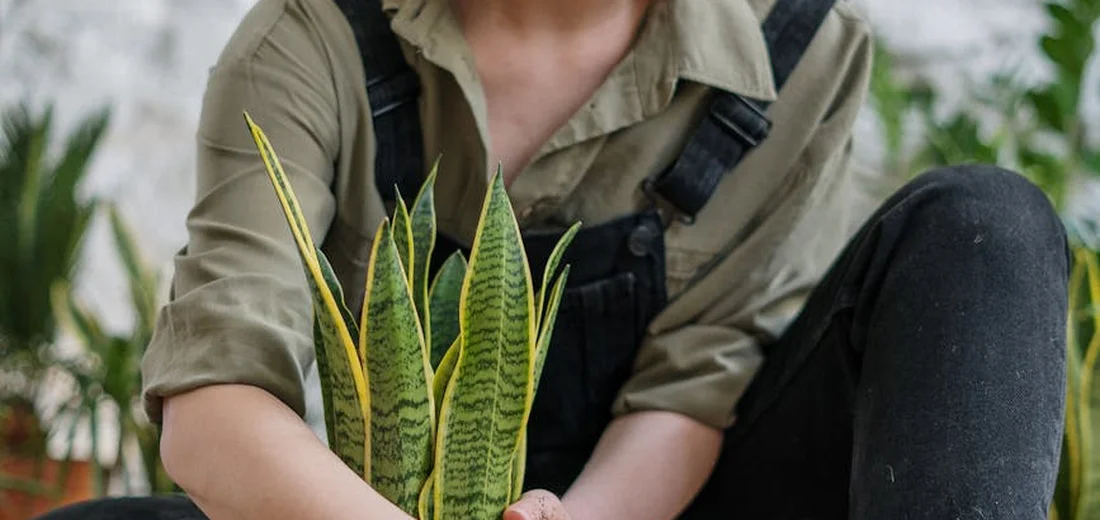
Once you’ve given your snake plant some support, its care routine shifts slightly. The goal now is to encourage the plant to grow strong enough to eventually stand on its own. I’ve found that the most common mistake after staking is returning to the exact same care habits. To maximize growth after staking, also consider a careful fertilization schedule. When fertilizing for best results, feed with a diluted balanced fertilizer in spring and summer, and skip feeding in fall and winter.
Your watering strategy needs special attention. A supported plant isn’t necessarily a healthier plant; it’s a plant you’re helping to correct its posture. Check the soil moisture more frequently, but don’t increase the amount of water. You want to avoid the stress of both drought and soggy roots while it adjusts.
- Water only when the top two inches of soil are completely dry.
- Give it a thorough drink until water runs from the drainage holes.
- Empty the saucer underneath promptly to prevent root rot.
Light is more critical than ever. Move your plant to a spot with plenty of bright, indirect light to fuel strong, upright growth. In my sunroom, I saw staked snake plants put out noticeably sturdier new leaves when they got a few hours of gentle morning sun. Low light will cause it to stretch weakly toward the window, defeating the purpose of the support. Watch for signs your plant isn’t getting the right amount of light: leggy, pale growth can signal too little light. Too much light can scorch leaves and bleach color.
Keep a close watch on the ties. As the plant grows, the soft ties can become too tight and cut into the leaves. I make it a habit to gently loosen and readjust them every two weeks. You should be able to easily slip a finger between the tie and the leaf.
Quick Tip: If your plant was leaning due to overwatering, wait longer between waterings than you normally would. Let it fully recover from the stress before resuming a regular schedule.
What to Do If Staking Isn’t the Answer
Staking is a fantastic tool, but it’s not a cure-all. Sometimes, a leaning snake plant is telling you that its environment is the real problem. If your plant continues to slump or new growth seems weak even with support, the stake is just a temporary bandage.
The first thing I check is the light source. Snake plants will dramatically lean toward any available light, a behavior called phototropism. If your plant is in a corner far from a window, simply rotating the pot a quarter turn every time you water can make a world of difference. This encourages even growth on all sides and prevents the plant from constantly reaching in one direction. Snake plants are forgiving regarding light and can thrive from low to bright indirect light. They don’t have a strict complete light requirement; for best growth, give them some indirect light and rotate the pot to keep growth balanced.
- Rotate your plant 90 degrees with each watering.
- If possible, move it to a brighter location.
- Wipe the leaves with a damp cloth to maximize light absorption.
Consider a strategic trim. If one or two leaves are permanently bent or damaged, it’s often best to remove them. This allows the plant to redirect its energy into producing new, strong, upright growth. Use a clean, sharp pair of scissors or a knife to cut the leaf off at the soil line.
In my experience, a severely leaning plant is sometimes a sign that it’s root-bound and top-heavy. Gently tip the plant out of its pot and check if the roots are circling tightly and forming a dense mat. If they are, it’s time to repot. Choose a new pot that is only one to two inches wider. A pot that’s too large holds excess moisture, which can lead to root rot and more instability.
- Remove the plant from its current pot.
- Loosen the root ball gently with your fingers.
- Place it in a new pot with fresh, well-draining soil.
- You can even divide a large plant into two or more smaller, more manageable plants.
Quick Tip: A heavy, top-heavy plant might just need a heavier pot! Switching from a lightweight plastic pot to a substantial terracotta or ceramic one can provide a much more stable base.
Styling Your Supported Sansevieria
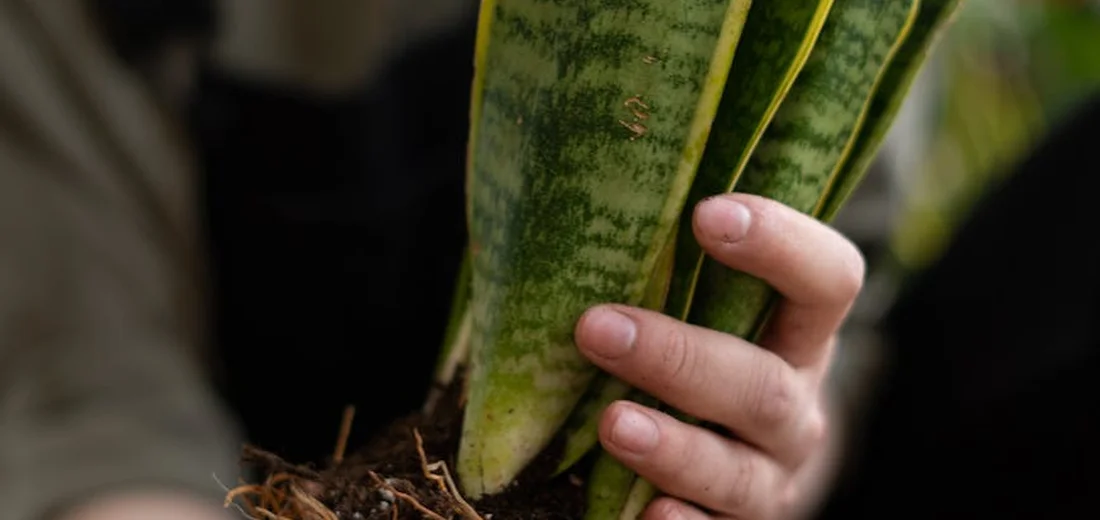
Adding support to your snake plant doesn’t mean you have to sacrifice style. With a little creativity, the support structure can become part of the plant’s visual appeal, enhancing its architectural form rather than detracting from it. A plant braid approach can accent snake plants’ decorative appeal, turning the support into a design feature. I’ve found that the right stake can make a leaning plant look intentional and sculptural.
Choosing the Right Support Material
Your choice of material sets the tone for the entire look. I prefer natural materials because they blend seamlessly with the plant’s organic feel.
- Bamboo Stakes: These are my go-to for a clean, minimalist look. Their natural color and subtle nodes complement the vertical lines of the snake plant leaves beautifully.
- Moss Poles: Ideal for a lush, tropical aesthetic. While snake plants don’t root into them like a monstera would, the green moss provides a wonderful textural contrast against the firm, smooth leaves.
- Copper or Metal Wires: For a modern, industrial vibe, a slender copper rod or a powder-coated metal stake can look stunning. Ensure any metal that touches the soil is rust-resistant.
The Art of Discreet Attachment
How you tie the plant is just as important as what you tie it with. The goal is to provide support without looking like the plant is in a straightjacket.
- Use soft, stretchy ties like velcro plant tape or even old strips of nylon. Never use wire or string that can cut into the leaf as it grows.
- Create a loose loop around the leaf and the stake, forming a figure-eight pattern. This prevents the tie from rubbing directly against the plant tissue.
- Attach the ties at the sturdiest points, typically where the leaf emerges from the soil and again about two-thirds of the way up. You want to guide the plant, not forcibly restrain it.
Check your ties every few months and loosen them if needed to prevent them from becoming too tight as the plant matures. This is a simple habit that prevents long-term damage.
Creative Placement and Grouping
Sometimes, the best support is another plant. If you have multiple snake plants, consider grouping them together in one large pot. For potting, choosing the right pot size matters. Our step-by-step guide shows how to pick the correct pot size for snake plants.
- The leaves will naturally lean on and support each other, creating a dense, full cluster that rarely needs staking.
- For a single plant that’s leaning, try rotating the pot a quarter turn every time you water. The plant will slowly correct itself as it grows towards the light, reducing its dependence on the stake over time.
Positioning your plant so it gets even light exposure is the most natural and effective way to prevent leaning in the first place. I keep my taller snake plants in a bright, east-facing window where the light is strong but indirect, and they grow perfectly straight.
## Common Questions
How long should I leave the stake in place?
You should remove the stake once the plant can support itself, which typically takes a few months as it strengthens.
What if my snake plant is leaning but the roots are healthy?
This is often caused by the plant reaching for light, so try rotating the pot regularly for more even growth.
Can I use something from around the house instead of a stake?
Yes, you can gently tie leaning leaves to a sturdy, central leaf using soft materials like strips of old nylon.
Will the stake hurt my snake plant?
No, if you insert the stake carefully to avoid spearing the roots and use soft, loose ties, it will not cause harm.
Is it better to stake the plant or just cut the leaning leaves?
Staking is preferable to preserve the leaf, but you should remove any leaves that are permanently bent or damaged.
How can I make the support system less noticeable?
Use a natural bamboo stake that blends with the plant’s color and attach it discreetly at the back of the pot.
Your Snake Plant Support Plan
In my years of growing snake plants, I’ve learned that providing support at the right time with the right method keeps them thriving and upright. Stake your snake plant when you notice it leaning or becoming top-heavy to prevent stem stress and encourage healthy, vertical growth. Remember these core steps:
- Choose a sturdy, non-abrasive stake like bamboo or a moss pole.
- Secure the plant gently with soft ties, avoiding tight knots.
- Check and adjust the ties every few weeks as your plant grows.
For a complete indoor snake plant care guide—from placement to maintenance—follow our full guide for ongoing care. It covers lighting, watering, soil, and repotting to keep your plant thriving.
You’ve got all the knowledge to confidently support your snake plant and help it stand tall for years to come. As you care for it, you’ll learn about its maximum height and growth habits. Go give your plant the boost it needs—you’ll love seeing how stable and happy it becomes with your caring touch.
Further Reading & Sources
- Tying and Staking Normal for Snake Plant? : r/SnakePlants
- How To Stake a Laurentii Snake Plant in 5 Easy Steps – Cafe Planta
- Stake Snake Plant – How To Do It? Follow These Easy Steps
- How To Stake a Snake Plant in 5 Easy Steps – Cafe Planta
Lena Greenfield is a passionate horticulturist and plant care expert with over 10 years of experience cultivating and nurturing hardy house plants. With a deep understanding of both indoor and outdoor gardening, Lena shares practical advice on choosing, caring for, and maintaining resilient plants that flourish year-round. Through her knowledge and hands-on approach, Lena helps plant lovers transform their spaces into vibrant, green sanctuaries, no matter their gardening experience.
DIY Projects