
Best Snake Plants for Low Light Rooms
You want a snake plant for that dim corner but worry it won’t survive without much sun? I’m here to tell you that not only will many varieties thrive, but some actually prefer those shady spots.
In this guide, I’ll share my top picks from years of filling my own home with low-light champions. You’ll find the best low-light varieties, my simple care tips for success, and a quick comparison to help you choose.
Understanding Snake Plants and Low Light Tolerance
Snake plants, which you might know as Dracaena trifasciata or by their old name Sansevieria, are champions of neglect. Their secret weapon is a set of thick, water-storing leaves and a robust underground stem called a rhizome, allowing them to survive weeks without water. I’ve forgotten to water mine for over a month, and they barely batted an eye.
When we say “low light,” we’re talking about a north-facing window, a spot several feet back from an east or west window, or an office with just fluorescent ceiling lights. It’s enough light to read a book comfortably but not enough to cast a sharp shadow on the wall.
Plants that excel in these conditions share a few key traits. Look for these features when shopping for any low-light plant:
- Drought tolerance, so they aren’t stressed when water and light are scarce.
- Slow growth rates, which means they don’t demand constant energy from the sun.
- Dark green, wider leaves that can capture more of the available light particles.
- An ability to process light efficiently without getting leggy or stretched out.
Top 5 Low-Light Tolerant Snake Plant Varieties
Sansevieria trifasciata ‘Laurentii’
This is the classic snake plant you picture in your head, with tall, sword-like leaves edged in brilliant yellow. The yellow margins aren’t just for show; they help the plant maximize light absorption in dim corners by providing a different pigment layer. It’s a true workhorse that purifies the air while asking for almost nothing in return.
- Iconic look with bright yellow variegated margins on green leaves.
- Its variegation helps it utilize available light more efficiently in shade.
- Excellent at removing toxins like benzene and formaldehyde from the air.
Sansevieria trifasciata ‘Moonshine’
‘Moonshine’ stands out with its stunning, wide, silvery-green leaves that have a almost metallic sheen. I’ve found its light color acts like a reflector, bouncing what little light exists around its surface, which is a huge advantage in a dark room. It brings a modern, almost ethereal glow to any space.
- Features wide, silvery-green, almost mint-colored leaves.
- Its pale color reflects ambient light, aiding its survival in low light.
- Offers a sleek, contemporary look perfect for modern interior decor.
Sansevieria trifasciata ‘Futura Superba’
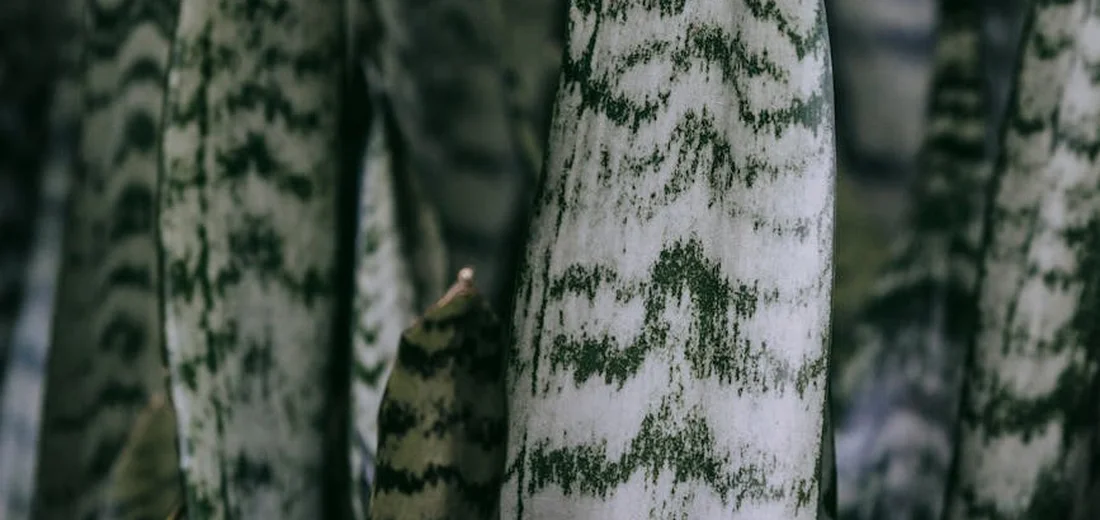
‘Futura Superba’ is a personal favorite for its compact and bold appearance. It has silvery-green leaves dramatically banded with dark green, and they grow in a tight, upright clump. This sturdy growth habit means it won’t get floppy or weak-looking even when light is minimal. It’s incredibly easy to care for and very forgiving.
- Displays compact, silvery-green leaves with striking dark green horizontal bands.
- Sturdy, strongly upright growth habit prevents it from drooping.
- An exceptionally easy-care plant that thrives on benign neglect.
Sansevieria trifasciata ‘Hahnii’ (Bird’s Nest)
If you’re short on space, the ‘Bird’s Nest’ snake plant is your best friend. It forms a beautiful, ground-hugging rosette of short, funnel-shaped leaves. I keep several of these on my bookshelves where taller plants wouldn’t fit, and their vibrant green color stays rich year-round. They have a charming, evergreen appeal.
- A rosette-forming, compact variety that stays low to the pot.
- Ideal for small spaces like desks, shelves, and narrow windowsills.
- Maintains a lush, year-round green color that brightens dim areas.
Sansevieria trifasciata ‘Zeylanica’
‘Zeylanica’ is the rugged, timeless choice. Its long, architectural leaves feature a captivating mottled pattern of light and dark greens. This plant is built for survival, with a legendary drought tolerance that I’ve tested time and again. It’s a classic for a reason-beautiful, structural, and nearly impossible to kill.
- Boasts long leaves with a striking, snake-skin-like mottled green pattern.
- Extremely rugged and drought-tolerant, perfect for forgetful waterers.
- A classic, low-maintenance choice that adds texture and interest.
Caring for Your Snake Plant in Low Light
-
Adjust your watering schedule to prevent overwatering. In low light, snake plants use water much slower, so I wait until the soil is completely dry before giving it a drink. Stick your finger an inch into the soil—if it feels dry, it’s time to water; if not, hold off. From my experience, overwatering is the top reason snake plants struggle in dim spots, leading to mushy leaves and root rot. Proper care for snake plants includes understanding their light, water, and soil requirements.
-
Use a well-draining potting mix suited for succulents. I always blend a standard cactus mix with extra perlite or coarse sand to improve drainage. A fast-draining soil helps roots breathe and reduces the risk of water sitting around too long. This simple tweak has saved many of my plants from soggy soil issues, especially in low-light areas where evaporation is slow.
-
Clean the leaves regularly to maximize light absorption. Dust can block what little light there is, so I gently wipe the leaves with a damp cloth every few weeks. Clean leaves not only look shiny but also absorb more light, which is crucial for photosynthesis in darker rooms. I’ve noticed my snake plants perk up noticeably after a quick cleaning session.
-
Understand that fertilizer is rarely needed in low light. Since growth slows down without bright light, extra nutrients can build up and harm the plant. I skip fertilizing entirely during fall and winter, and only use a diluted succulent fertilizer once in spring if the plant shows new growth. Over the years, I’ve found that less is more-snake plants in low light thrive on neglect rather than frequent feeding.
Choosing the Right Pot and Soil
-
Advise on pot selection, focusing on drainage holes and appropriate size. I always pick pots with at least one drainage hole to let excess water escape. Choose a pot that’s just 1-2 inches wider than the root ball to avoid soil staying wet for too long. In my setup, terracotta pots work wonders because they’re porous and help soil dry evenly, preventing root issues in low-light conditions.
-
Detail the ideal soil components for a snake plant, such as cactus mix and perlite. My favorite blend is two parts cactus soil to one part perlite or pumice for extra aeration. Adding perlite keeps the soil loose and prevents compaction, which is key for healthy roots. I’ve tested various mixes, and this one consistently supports strong growth without holding onto moisture. This approach is part of our complete guide to succulent soil for snake plants. It covers drainage, aeration, and mixing ratios in more detail.
-
Explain why proper soil is critical in low-light conditions. Good drainage is non-negotiable because low light slows down water evaporation. Well-draining soil acts like a safety net, reducing the chance of root rot when light is scarce. From my trials, plants in the right soil mix bounce back faster from occasional overwatering and stay healthier long-term.
Ideal Placement for Maximum Health
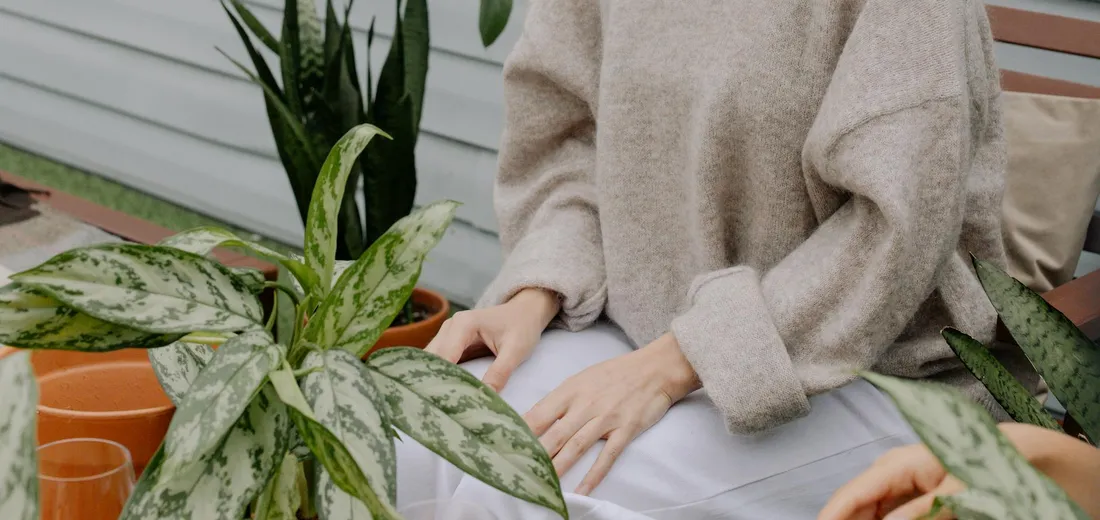
Finding the right spot for your low-light snake plant is like finding a cozy nook for yourself to read a book. I’ve found that rooms with north-facing windows or spaces set back from a bright window are absolute goldmines for these tolerant plants.
- Bathrooms often provide fantastic, gentle light from a small window, plus the humidity from your shower is a welcome bonus.
- Hallways and entryways tend to have consistent, filtered light throughout the day, making them a stable environment.
- Home offices with a single source of artificial light can work beautifully, as the plant isn’t picky about the light source.
- Living rooms, specifically corners farther from the main windows, offer that perfect dappled light snake plants adore.
To figure out if a spot is truly “low light,” try this simple test I use all the time. Hold your hand about a foot above where the plant will sit around noon; if you see a soft, fuzzy shadow, you’ve found a good low-light candidate.
A bright, crisp shadow means the light is too strong, while no shadow at all means it’s probably too dark. Remember, low light is not the same as no light. Placing any plant, even a tough snake plant, in a pitch-black closet or a completely dark corner will eventually cause it to suffer and decline. They still need some ambient light to create energy.
Identifying and Solving Common Low-Light Problems
Signs Your Plant Needs More Light
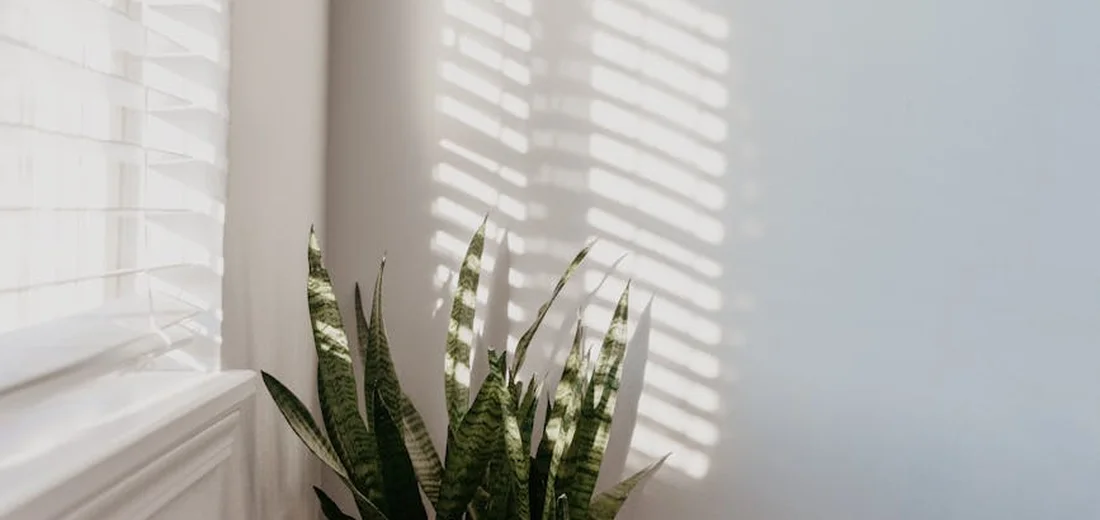
Your snake plant will tell you when it’s feeling a little gloomy. I’ve learned to spot these pleas for more photons over the years. The most common cry for help is signs of leggy growth, where the leaves become abnormally stretched out and the spaces between them widen. Too little light makes it lanky and pale. Too much light can scorch the leaves.
- Leaning severely toward the nearest light source, like it’s trying to escape its pot.
- New leaves coming in much smaller and paler than the older, established ones.
- The vibrant variegation on varieties like the Laurentii starts to fade, looking washed out.
- A complete halt in growth for many months, even during the spring and summer.
The fix is usually straightforward. Simply move your plant a few feet closer to a window or into a brighter room and observe it for a few weeks. You should see it stop leaning and eventually produce more compact, colorful growth. Avoid moving it directly into harsh, direct sun, as this can scorch the leaves.
Issues Caused by Overwatering
This is the number one killer of snake plants, especially in low light where soil takes forever to dry. In dim conditions, your plant uses water much more slowly, so the soil stays wet for a dangerously long time. That’s why snake plants need drainage holes to let excess water escape and prevent root rot. Do snake plants need drainage holes? Yes—without them, waterlogged soil can quickly lead to rot.
You’ll know you have a problem if the leaves feel mushy and soft at the base, almost like overripe fruit. The classic sign is yellowing leaves, starting from the bottom of the plant and moving up. A foul, musty smell coming from the soil is a dead giveaway that root rot has set in.
If you suspect overwatering, act fast. Immediately stop watering and gently remove the plant from its pot to inspect the roots.
- Healthy roots are firm and orange-ish. Cut away any that are black, mushy, or slimy with clean scissors.
- Let the root ball and soil sit out of the pot on a stack of newspapers for a day to air dry.
- Repot the plant into fresh, dry, well-draining succulent and cactus mix.
- Do not water it again for at least a week to let the roots recover.
My golden rule for low-light snake plants is to water only when the soil is completely dry all the way to the bottom of the pot. In winter, this might mean watering only once a month or even less. This approach is a staple in an often-referenced complete guide on how to water snake plants indoors. For a full care rundown, that guide also covers seasonal adjustments and related watering cues.
How to Propagate Your Snake Plant

I’ve filled my home with snake plants from just a few original purchases, and propagating them is incredibly rewarding. You can multiply your collection for free and share the plant love with friends. Their architectural, upright leaves make a natural canvas for plant braids. They add sculptural appeal to any room.
Dividing a Mature Plant at the Roots
This is my go-to method because it’s fast and guarantees the new plant will look exactly like the parent. I do this every couple of years when a plant gets too crowded in its pot.
- Gently remove the entire plant from its pot. You might need to tap the sides or run a knife around the inside edge to loosen it.
- Look for a natural separation in the root ball-a cluster of leaves with its own connected roots, called a rhizome. This is what you’re dividing.
- Using your hands, gently tease the roots and rhizomes apart. For tough, tangled roots, I use a clean, sharp knife to make a clean cut. Always sterilize your cutting tool with rubbing alcohol to prevent spreading disease.
- Pot each new division into a container with fresh, well-draining soil. The pot should be only slightly larger than the root ball.
I find the best time to do this is in the spring, as the plant enters its active growing phase.
Leaf Cuttings in Water or Soil
This method is fun to watch, especially in water, but it requires more patience. A word of caution: if you propagate a variegated variety (like the Laurentii) from a leaf cutting, the new plant will likely lose its yellow edges and revert to all green.
- Choose a healthy, mature leaf and cut it off cleanly at the soil line.
- Using a sharp, clean knife, cut the leaf into horizontal sections, each about 2-3 inches long. It is critical to remember which end was the bottom; the cutting will not root if you plant it upside down. I make a V-shaped notch on the bottom end of each piece to help me remember.
- Let the cuttings sit out for a day or two until the cut ends form a dry callus. This prevents rot.
- For water propagation: Place the bottom end of the cuttings in a jar of water, ensuring only the very bottom is submerged. Change the water weekly.
- For soil propagation: Stick the bottom end of the callused cuttings about an inch deep into a pot of moist, sandy succulent mix.
I’ve had success with both, but I find water propagation more exciting because you can see the tiny white roots and new shoots (pups) develop.
Set Expectations for Slow Growth, Especially in Low Light
Patience is your best friend here. Snake plants are not fast growers to begin with, and in low light, their growth slows to a crawl. As you observe their growth over time, you’ll begin to understand how big snake plants can get and what their maximum height growth habits look like in your space. This knowledge helps you plan placement and long-term care for these sturdy plants.
- Roots from a leaf cutting can take 4-8 weeks to appear.
- A new pup (baby plant) might not emerge from the soil for several months.
- A division will establish itself faster but still won’t put on significant new growth quickly in a dim spot.
Don’t be tempted to overwater or over-fertilize your propagations in an attempt to speed things up-this will likely cause rot. I just find them a spot with the best indirect light I can offer, water sparingly, and let them do their thing. Seeing that first new green shoot is always worth the wait.
Common Questions
What are the best snake plant varieties for low light?
Sansevieria trifasciata ‘Laurentii’, ‘Moonshine’, ‘Futura Superba’, ‘Hahnii’, and ‘Zeylanica’ are all excellent choices for low light conditions.
Where can I see snake plant varieties with names and pictures?
Many online plant retailers and gardening websites provide visual catalogs with names and pictures to help you identify different varieties.
Is there a snake plant varieties chart for easy comparison?
You can find comparison charts on specialty houseplant blogs and some horticultural websites that detail size, color, and light tolerance.
Where can I buy these snake plant varieties?
These varieties are commonly available for sale at local nurseries, large garden centers, and through numerous online plant shops.
Are there specific snake plant varieties in Portland nurseries?
Portland’s nurseries often stock a wide range of snake plants, including low-light varieties like ‘Moonshine’ and ‘Bird’s Nest’. While you can find them locally, you might also want to explore online options to compare prices and varieties.
Which snake plant varieties are best for purifying home air?
All snake plants purify air, but the ‘Laurentii’ variety is particularly noted for its effectiveness in removing toxins like benzene and formaldehyde.
Your Low-Light Snake Plant Choices
When choosing a snake plant for a dim corner, stick with the robust Sansevieria trifasciata varieties like Laurentii, Zeylanica, or Hahnii. These specific types have proven to me, time and again, to be the most tolerant of low-light neglect. They handle the challenge beautifully by growing slower and focusing on just staying healthy.
You can confidently bring one of these resilient plants home and place it in that spot you’ve been unsure about. Trust that your new snake plant is tougher than you think and will thrive with your simple, attentive care. Enjoy the lush, purifying presence it adds to your space! For a complete indoor snake plant care guide—from placement to maintenance—discover simple routines to keep it thriving. It covers lighting, watering, and upkeep.
Further Reading & Sources
- Is a snake plant a good choice for beginners? How much light does it require? – Quora
- Five Indoor Plants That Thrive In Low Light
- Snake Plant as Best Big Indoor Plants For Low Light
- Houseplants that Thrive in Low Light Conditions – Westwood Gardens
Lena Greenfield is a passionate horticulturist and plant care expert with over 10 years of experience cultivating and nurturing hardy house plants. With a deep understanding of both indoor and outdoor gardening, Lena shares practical advice on choosing, caring for, and maintaining resilient plants that flourish year-round. Through her knowledge and hands-on approach, Lena helps plant lovers transform their spaces into vibrant, green sanctuaries, no matter their gardening experience.
Light Requirements