
Watering Succulents: Indoor vs. Outdoor Frequency Guide
Published on: May 10, 2026 | Last Updated: May 10, 2026
Written By: Lena Greenfield
Figuring out how often to water your succulents starts with one key factor: are they indoors or outdoors?
If you’re worried about overwatering or underwatering, you’re not alone-many plant parents struggle with this, but I’ve got straightforward advice from my own succulent-growing journey.
In this guide, I’ll share my hands-on tips for indoor watering routines, outdoor watering adjustments, environmental impacts, and simple troubleshooting steps.
Why Your Succulent’s Location Changes Everything
I used to think watering was a one-size-fits-all routine until I killed a perfectly happy jade plant by treating it the same as its outdoor cousin. The single biggest factor in your watering schedule isn’t the type of succulent, but where it lives. Your home creates a completely different world than your patio. That’s why avoiding common succulent watering mistakes is essential.
Outdoor succulents experience real sunlight, wind, and natural humidity cycles. They dry out faster and often enjoy a good rain shower. Indoor succulents live in a climate-controlled bubble. My indoor plants in a dry, air-conditioned room have vastly different thirst levels than those on my humid, shaded porch. Temperature and humidity requirements are central to healthy succulents. Aligning care with these conditions helps prevent under- or over-watering. You must observe your plant’s specific environment, not just the calendar.
Creating Your Perfect Indoor Succulent Watering Schedule
Forget watering on a strict weekly timetable. The most successful method I’ve used for years is the “soak and dry” approach. This mimics the desert rains these plants have evolved to expect.
The Best Way to Water Your Indoor Succulents
Here is my step-by-step process for a perfect indoor watering:
- Check the soil first. Stick your finger an inch or two into the potting mix. If it’s completely dry, it’s time.
- Take your plant to the sink. Water it thoroughly until you see water flowing freely from the drainage hole.
- Let it drain completely. Leave it in the sink for another 10-15 minutes to ensure no water is left sitting in the saucer.
- Return it to its sunny spot. Only water again when the soil is bone-dry all the way through.
Quick Tip: A dry soil surface can be deceptive; always do the finger test before grabbing your watering can.
Indoor Factors That Change Water Needs
Your home isn’t a uniform environment. I have to adjust my watering based on these four key factors:
- Light Exposure: A succulent in a south-facing window baking in sun will need water more often than one in lower, indirect light.
- Pot Material: My succulents in porous terracotta pots dry out much faster than those in glazed ceramic or plastic pots.
- Season & HVAC: My plants need less water in the winter when growth slows and my heater runs, and more in the summer with the AC on.
- Soil Mix: A gritty, fast-draining cactus mix I make myself dries out quicker than a standard potting soil that holds moisture.
Observing how these elements interact in your space is the true secret to keeping your indoor succulents perfectly hydrated.
Navigating Your Outdoor Succulent’s Thirst
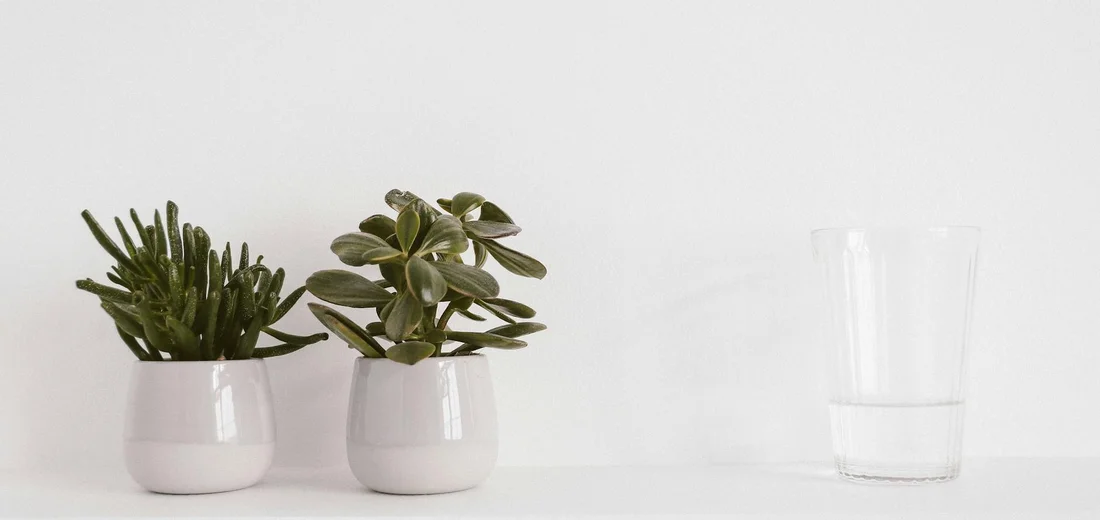
Outdoor succulents live a much different life than their indoor cousins, and their watering needs are far more dynamic. I’ve learned that treating them like houseplants is one of the fastest ways to run into trouble. You’re working with the full force of the elements, and your watering schedule has to be just as flexible. This is the kind of guidance you’ll find in an outdoor succulent care guide for growing succulents in your garden. With the right tips, your garden can host thriving, resilient succulents.
Watering Succulents in the Ground vs. in Containers
This is a critical distinction I always make in my own garden. The rules change completely depending on where your plant’s roots are calling home.
- In-Ground Succulents: Once established, these are the champions of low water. Their roots can spread deep into the soil to find moisture. I often go 2-3 weeks between deep soakings during hot, dry spells. The surrounding earth acts as a giant buffer, preventing the rapid moisture swings that happen in pots.
- Potted Outdoor Succulents: These dry out incredibly fast. Sun and wind whip around the container, pulling moisture from the soil and the pot itself. During a heatwave, I’ve had to water my potted sedums every 4-5 days, whereas the same plant in the ground was perfectly fine for weeks. Always check the soil a few inches down before giving them a drink.
Adjusting Your Routine with the Seasons
Your calendar is one of your best watering tools. I completely shift my approach as the year progresses.
- Spring & Summer (Growth Season): This is when your plants are actively growing and can use more frequent water. I watch for prolonged dry spells and give a deep soak when the soil is completely dry.
- Fall: I start to taper off watering significantly. As temperatures drop, the plants begin to slow their growth and need less to drink. This helps them harden off before winter.
- Winter (Dormant Season): For many succulent varieties, this is a hands-off period. In my rainy climate, I often don’t water my in-ground succulents at all from November through February-they get all they need from the sky. For potted plants in a covered area, a light watering once a month is usually plenty to prevent total root desiccation.
Reading the Leaves: Signs of Overwatering and Underwatering
Your succulents are constantly talking to you through their leaves. Learning this language saved so many of my early plant casualties.
If you see a succulent with translucent, squishy, yellowing leaves that drop at a touch, you’re almost certainly dealing with overwatering. The plant is literally drowning, and the cells in its leaves are bursting. This is an urgent situation that requires you to stop watering immediately and check the roots for rot. To prevent this from happening again, it’s important to identify whether the plant is overwatered or underwatered and apply the appropriate fix. We’ll cover quick signs to tell them apart and the steps to correct each condition.
On the other hand, a thirsty succulent sends a different signal. Look for leaves that are wrinkled, thin, and feel crispy or rubbery. They might start to curl inward. The entire plant can look deflated and lackluster. A good deep drink will usually plump those leaves back up within a day or two. If the leaves are wrinkly but also soft or squishy, that can point to overwatering rather than drought. Texture matters: crispy usually means thirst, while soft indicates waterlogged roots.
A quick tip I use all the time: try the “taco test” on a fleshy leaf like an Echeveria. Gently try to fold a lower leaf in half like a taco shell. If it folds easily without resistance, the plant is thirsty. If it’s firm and snaps or resists, it has enough water.
My Go-To Soil and Potting Mix for Happy, Healthy Succulents
The right soil is the single most important factor in determining how often you’ll need to water. I learned this the hard way after losing a beautiful echeveria to root rot from a standard, moisture-retaining potting mix. That experience completely changed my approach.
The Perfect DIY Succulent Soil Recipe
After years of trial and error, this is the mix I use for nearly all my indoor and outdoor succulents. It’s incredibly simple and mimics their natural, gritty habitats. If you want to customize it, you can try your own succulent potting mix DIY recipes for different textures and drainage. Here are a few easy DIY recipes to get you started.
- 50% Potting Soil: Use a standard, all-purpose mix as your base. Avoid any with added moisture-retaining crystals or slow-release fertilizer, as these can be too strong for succulent roots.
- 50% Gritty Inorganic Material: This is the magic ingredient for drainage. I prefer a combination of perlite and coarse sand (horticultural or poultry grit). Pumice is another fantastic option if you can find it.
Simply mix these two parts together thoroughly in a large tub before potting. You’ll end up with a light, airy mix that looks nothing like the dense soil you buy at the store. When you water it, the liquid runs straight through, which is exactly what you want.
Why Drainage is Non-Negotiable
Succulents store water in their leaves and stems, not their roots. Their roots are designed to drink quickly and then have their “feet” dry out completely. Think of their ideal soil like a rocky hillside after a rainstorm-it gets wet but doesn’t stay soggy. That stored water in the leaves and stems helps them survive dry periods. So they need well-draining soil and infrequent watering.
A dense, water-logged soil creates a suffocating environment. The roots can’t breathe and begin to rot, and that rot travels up into the plant itself. By the time you see mushy leaves, the damage below the soil is often severe.
A Quick Tip on Pot Choice
Your pot is the other half of the drainage equation. Always, always choose a pot with at least one drainage hole in the bottom. I don’t recommend using pots without holes, even with a layer of rocks at the bottom-this just creates a perched water table and can make root rot more likely.
Terracotta pots are my personal favorite because they are porous, allowing the soil to dry out from the sides as well as the top and bottom. This is a huge help, especially for beginners who might be a little heavy-handed with the watering can. Are terracotta pots good indoor plants? They’re well-suited for many indoor plants that like to dry out a bit between waterings. Their breathability helps prevent root rot and keeps indoor soil from staying soggy.
FAQs
How often should you water succulents indoors?
Water them only when the soil is completely dry from top to bottom.
What is the best way to water succulents indoors?
Water thoroughly until it runs out the drainage hole, then let the pot drain completely.
Can I water succulents indoors with tap water?
Yes, but it’s better to use filtered or rainwater to avoid mineral buildup in the soil.
How do I tell if my indoor succulents need water?
The leaves will feel thin, look wrinkled, and be pliable when gently squeezed.
Should I water succulents indoors during winter?
Water much less frequently in winter, as most succulents are dormant and need significantly less moisture.
Does indoor humidity affect watering succulents?
Yes, lower humidity causes soil to dry out faster, while higher humidity means you can water less often.
Your Succulent Watering Success
In my years of growing succulents, the golden rule is to water based on your plant’s surroundings rather than a strict schedule. For a complete guide on how often to water succulents, check soil moisture and environmental conditions. Tailor your watering to the plant’s setup and season.
- Indoor succulents need water only when the soil feels completely dry.
- Outdoor varieties often require more frequent checks due to sun and rain exposure.
- Stick your finger in the soil-if it’s dry an inch down, it’s time for a drink.
Trust yourself and start observing your plants closely – they’ll show you exactly what they need, especially when it comes to succulents. I’ve seen countless succulents bounce back with just a little attention, so go give yours some love today!
Further Reading & Sources
- How Often to Water Succulents Indoors and Outdoors
- How to Water Succulent Plants | Succulents and Sunshine
- How to Water Succulents Indoors, in Outdoor Containers, or in a Garden
- Growing Succulents Indoors | Yard and Garden
Lena Greenfield is a passionate horticulturist and plant care expert with over 10 years of experience cultivating and nurturing hardy house plants. With a deep understanding of both indoor and outdoor gardening, Lena shares practical advice on choosing, caring for, and maintaining resilient plants that flourish year-round. Through her knowledge and hands-on approach, Lena helps plant lovers transform their spaces into vibrant, green sanctuaries, no matter their gardening experience.
Watering Practices