
Common Succulent Watering Mistakes to Avoid
Published on: May 13, 2026 | Last Updated: May 13, 2026
Written By: Lena Greenfield
You’re trying so hard to keep your succulents alive, but they just don’t seem happy. It’s frustrating when you’re giving them attention, yet the leaves are turning yellow, getting mushy, or shriveling up.
In my years of collecting succulents, I’ve made nearly every watering error you can imagine, and I’m here to help you sidestep them. We’ll walk through the key missteps that can sabotage your plants, covering overwatering, underwatering, poor drainage, incorrect seasonal timing, and the effects of tap water.
1. The Biggest Offender: Overwatering and Root Rot
I’ve killed more succulents with kindness than with neglect, and overwatering is always the culprit. Your succulent’s plump leaves are its own personal water storage tanks, designed to survive drought, not a daily drink.
When you water too often, the soil stays soggy. The roots, which need to breathe, literally suffocate and begin to decay. This is root rot, and it’s a fast, silent killer that often isn’t noticed until the plant collapses.
How to Spot Overwatering Before It’s Too Late
Your plant will send you clear distress signals. Look for these signs:
- Squishy, Translucent Leaves: A healthy, firm leaf that suddenly feels soft and looks see-through is holding too much water and starting to rot from the inside.
- Leaves Falling Off at a Gentle Touch: A well-hydrated succulent holds onto its leaves tightly. If they’re dropping with barely any pressure, the stem might be rotting.
- Black or Brown Mushy Stems: This is the point of no return for that part of the plant. The rot has spread up from the roots.
- A Persistent Musty Smell from the Soil: Healthy soil smells earthy. Rotting roots create a foul, swamp-like odor.
Quick Tip: When in doubt, don’t water! Wait another few days. A thirsty succulent is always easier to save than a drowned one.
The “Soak and Dry” Method is Your Best Friend
Forget a little splash every week. I water my succulents exactly like a desert rainstorm: a massive, thorough drench, followed by a long period of complete dryness. This cadence is the core of the complete guide on how often to water succulents. It favors infrequent, deep watering over weekly splashes.
- Take your plant to the sink.
- Water it deeply until streams flow freely out of the drainage hole. This ensures the entire root ball gets wet.
- Let it drain completely. Never let it sit in a saucer of water.
- Do not water again until the soil is 100% bone-dry. Stick your finger in the soil, or for a cleaner method, wait for the leaves to feel slightly less firm.
2. The Silent Killer: Poor Drainage and the Wrong Pot
You can have the most perfect watering schedule in the world, but if your pot and soil are working against you, your succulent will still suffer. Poor drainage is the silent partner in crime to overwatering, trapping moisture around the roots and creating a swampy environment they simply can’t handle.
Your Pot is More Important Than You Think
The container you choose is a life-or-death decision. I learned this the hard way with a beautiful, glazed ceramic pot that had no hole.
- Drainage Holes are Non-Negotiable: This is my number one rule. Every single pot must have at least one hole in the bottom to let excess water escape.
- Terracotta Pots are Champions: Unglazed terracotta is porous, allowing water to evaporate through the sides of the pot. This helps the soil dry out much faster, reducing the risk of rot.
- Beware of Cachepots: The decorative outer pot with no hole is fine, but never plant directly into it. Always keep your succulent in a plastic nursery pot with holes, and then place that inside the decorative pot.
It All Starts with the Soil
Regular potting soil is like a wet sponge—it holds onto moisture for far too long. Succulents need a gritty, loose mix that replicates their native, rocky habitats. Inorganic components like perlite, pumice, and coarse sand drain quickly and prevent root rot, while too much organic matter can keep moisture trapped. So many growers mix in these inorganic ingredients to mimic a dry, rocky environment.
Quick Tip: I always mix my own succulent soil using two parts standard potting soil to one part perlite and one part coarse sand. This creates the fast-draining environment their roots crave. Use perlite succulent soil mixes to tailor drainage for different succulents.
When you repot, you’ll often find that store-bought succulents are planted in dense, peat-heavy soil. Gently tease this away from the roots and replace it with your well-draining mix. This one act can completely transform the health of your plant, especially when you know the right time to repot succulents. It can make your watering efforts actually effective.
3. The Wrong Foundation: Using the Incorrect Soil Mix
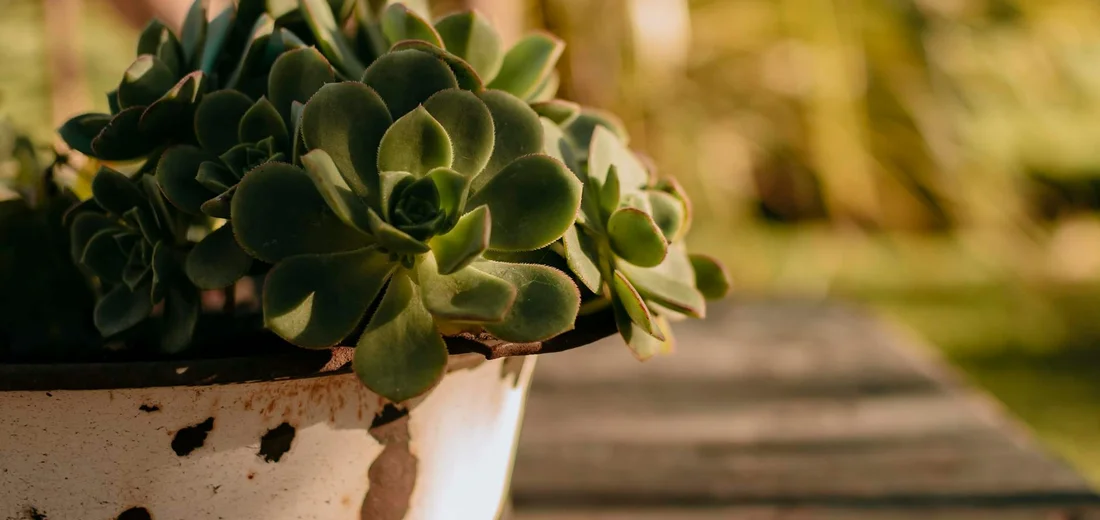
I learned this lesson the hard way with my first jade plant. I potted it in a rich, moisture-retentive potting mix, the same stuff I used for my ferns and peace lilies. That dense soil held water like a sponge, and within a month, my jade’s roots had turned to mush. It was a heartbreaking introduction to the critical role of soil in succulent care.
Regular potting soil is designed to retain moisture, which is the exact opposite of what your succulent’s roots need. Their roots are adapted for quick drinks in arid environments, followed by periods of complete dryness.
What Happens in the Wrong Soil
- Root Rot: Water gets trapped around the roots, creating a soggy environment where harmful fungi and bacteria thrive.
- Oxygen Starvation: Plant roots need to breathe! Soggy soil pushes out all the air pockets, essentially suffocating the roots.
- Stunted Growth: An unhappy root system can’t support healthy growth above the soil, leading to a sad, struggling plant.
Your Perfect DIY Succulent Soil Mix
You don’t need a fancy, store-bought bag. I make my own blend, and my succulents are thriving because of it. My go-to recipe is a simple 1:1:1 ratio that ensures fast drainage and happy roots.
- 1 Part Potting Soil: Use a standard, all-purpose mix as your base. This provides a little structure and minimal nutrients.
- 1 Part Coarse Sand: This is key! Horticultural sand or sharp sand creates large pores for water to flow right through. Do not use fine, beach-like sand, as it can compact.
- 1 Part Perlite or Pumice: These lightweight, porous materials are the champions of aeration. They keep the soil mix light and fluffy, preventing compaction.
When you water a plant in this mix, you’ll see the water immediately drain out the bottom. That’s exactly what you want to see! A quick tip: Always plant your succulents in a pot with a drainage hole. The best soil in the world won’t help if the water has nowhere to go. To be sure your succulent soil drains properly, test its drainage by watering a small amount and watching how fast it exits the pot.
4. The Deceptive Schedule: Watering on a Calendar
This is perhaps the most common mistake I see, and I totally get the appeal. Setting a reminder to “water succulents every Tuesday” feels organized and responsible. But your succulent doesn’t care what day it is. Watering on a strict schedule ignores the plant’s actual needs and the conditions in your home.
Think about the natural desert habitat. It doesn’t rain every seven days. There are downpours, followed by long, hot, dry spells. Your goal is to mimic that cycle, not a calendar alert.
Why Calendars Fail Your Plants
- Seasonal Changes: Your succulent drinks much more water in the bright, warm, growing season (spring/summer) than it does in the dim, cool dormancy of winter.
- Home Environment: A plant in a hot, sunny, south-facing window will dry out faster than one in a cooler, north-facing room. Air conditioning and heating also drastically affect drying time.
- Pot Material: A porous terracotta pot wicks moisture away from the soil, drying it out much faster than a glazed ceramic or plastic pot.
I used to kill plants with kindness by sticking to a weekly schedule. Now, I use a much more reliable method: the touch test.
The “Soak and Dry” Method in Practice
- Stick Your Finger In: Push your finger about two inches down into the soil. If you feel any moisture or coolness at all, walk away. Your plant is not thirsty.
- Wait for Complete Dryness: Only when the entire pot of soil feels completely dry and crumbly is it time to water.
- Soak It Thoroughly: When it’s time, take your plant to the sink and water it slowly and deeply. Pour water all over the soil surface until it runs freely out of the drainage hole. This ensures the entire root ball gets a good drink.
- Let It Drain Completely: Leave the plant in the sink or on a rack for a while to let all the excess water drain out. Never let it sit in a saucer full of water.
A quick tip: For a clear sign of thirst, look for slight wrinkling on the lower leaves of your succulents like Echeveria. This is the plant telling you its internal water reserves are getting low. Learning this visual cue changed my watering game completely.
5. The Seasonal Shift: Ignoring Dormancy Periods
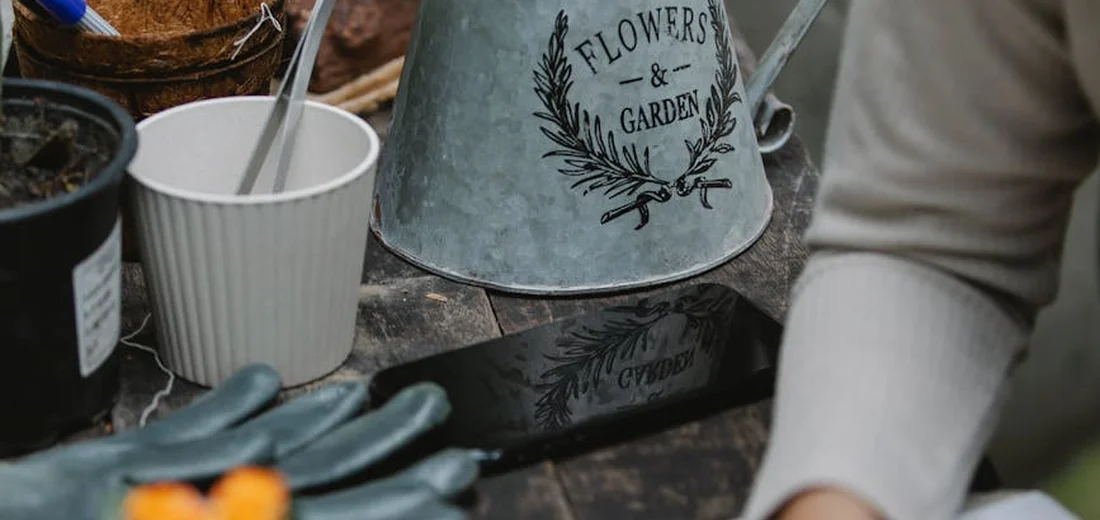
One of the most common mistakes I see new succulent owners make is watering the same way all year round. Succulents have active growing seasons and rest periods, just like a bear hibernates for the winter. Their water needs change dramatically during these times—especially between winter and summer dormancy.
Most of our popular succulents, like Echeverias and Sedums, are summer growers. They kick into high gear with the longer, warmer days. This is when they’re actively drinking and growing, so your regular watering schedule is perfect. However, it’s especially important to adjust your watering when the seasons change.
But many others, including a lot of Haworthias and Aloes, are winter growers. They come alive in the cooler months when other plants are sleeping. I learned this the hard way when I nearly drowned a Haworthia by giving it a “winter break” from water it desperately needed.
How to Adjust Your Watering by Season
- For Summer Dormant Plants (like some Aeoniums): Water deeply but infrequently during summer heat. They’re resting, so overwatering is a huge risk.
- For Winter Dormant Plants (like many Echeverias): Drastically reduce watering from late fall through winter. The soil should stay dry for much longer.
- The Golden Rule: When in doubt during a suspected dormancy, wait a few more days before watering. It’s always safer to underwater a dormant succulent than to overwater it.
Pay close attention to the light and temperature in your home, as indoor growing can blur these natural lines. A quick tip: if your plant isn’t putting out new growth, it’s likely resting and needs less water.
6. The Thirsty Plant: Recognizing Signs of Underwatering
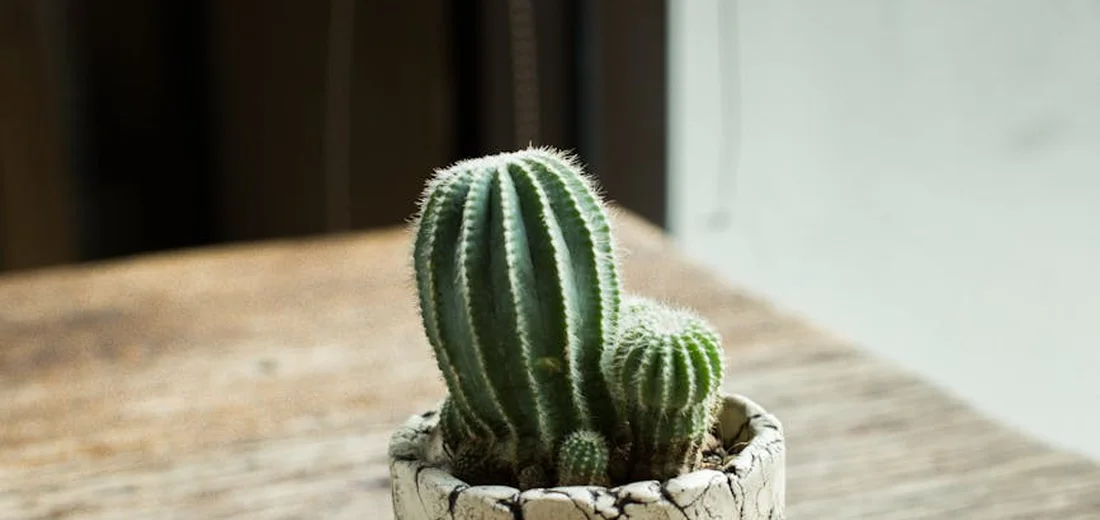
We talk so much about overwatering that we sometimes scare people away from giving their plants a drink! Underwatering is a real problem, but it’s often easier to fix than root rot. The key is learning your plant’s unique language for “I’m thirsty.”
From my experience, a dehydrated succulent will send you clear signals if you know what to look for. The leaves are your best clue. A well-watered succulent has firm, plump leaves full of stored water.
Tell-Tale Signs Your Succulent Needs Water
- Wrinkled or Shrivelled Leaves: The leaves start to look deflated and develop wrinkles, especially on the lower part of the plant.
- Flat Leaves: Instead of being nice and chubby, the leaves become thin and may even curl inward.
- Dry, Crispy Tips: The very tips of the leaves may turn brown and feel crispy to the touch.
- Soil Pulling Away: The potting mix will shrink and pull away from the edges of the pot.
A thirsty succulent is a sad sight, but it’s also a resilient one. I had a String of Pearls that I forgot about for a month. The pearls were all shriveled and the soil was a dry brick. A good, deep soak had it looking plump and happy again within two days.
How to Properly Quench the Thirst
- Don’t just give it a splash. Take the entire pot to the sink.
- Water thoroughly until a steady stream runs out of the drainage hole.
- Let the pot drain completely before putting it back in its saucer or decorative pot.
- You should see the leaves plump back up within a day or two.
Quick tip: If the leaves are soft and mushy, that’s overwatering. If they’re thin and wrinkled, that’s underwatering. Feel the leaves to diagnose the problem.
7. The Finishing Touch: Perfecting Your Watering Technique
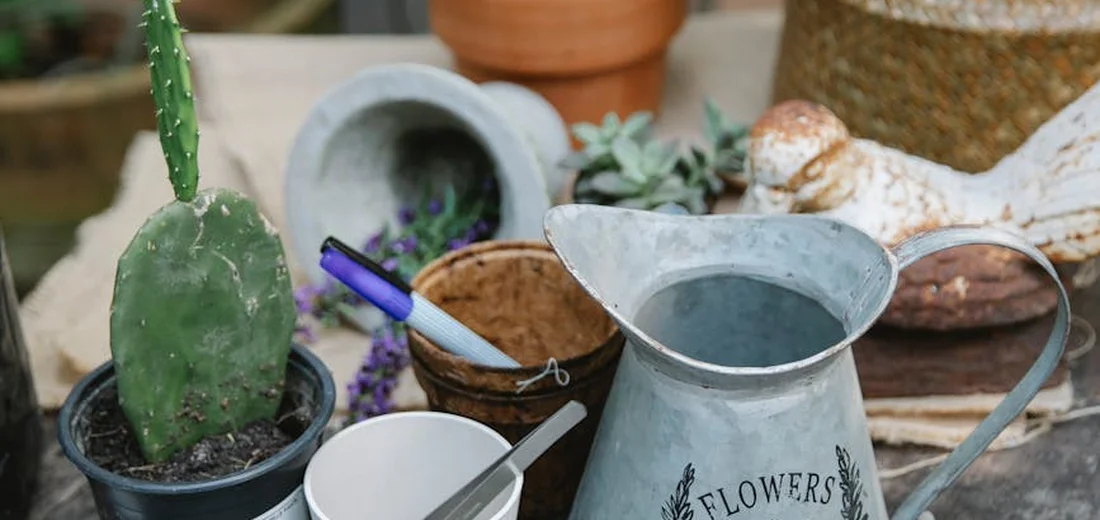
Getting the amount of water right is only half the battle. How you deliver that water is just as critical for a happy, healthy succulent. I learned this the hard way after losing a beautiful echeveria to crown rot from careless watering.
Master the “Soak and Dry” Method
This isn’t just a fancy term; it’s the golden rule. You want to completely saturate the soil until water runs freely out of the drainage hole. Thoroughly drenching the root zone encourages deep, strong roots that make your plant more resilient. Then, you walk away and don’t water again until the soil is completely dry.
I keep a wooden skewer stuck in my pots, much like testing a cake. I pull it out to check for moisture. If it comes out clean, it’s time for a drink.
Water from the Bottom for Ultimate Root Health
This is my go-to method for all my established succulents. I place the pot in a saucer or bowl filled with about an inch of water and let it sit for 20-30 minutes. Bottom-watering coaxes the roots to grow downward, creating a sturdier plant and ensuring the entire root ball gets hydrated. It also keeps the leaves perfectly dry. This method is featured in our bottom watering techniques complete guide. It’s a straightforward entry point for anyone new to succulent care.
- Fill a tray with water.
- Set your pot in the water.
- Wait until the topsoil feels damp.
- Remove the pot and let it drain completely.
Keep Those Leaves High and Dry
Avoid pouring water directly over the plant’s rosette or leaves. Water sitting in the crevices of the leaves is a fast track to rot and can cause unsightly spots. Aim your watering can at the soil line, not the plant itself. If you do get water on the leaves, gently blot it away with a paper towel.
Quick Tip: Water in the morning so any accidental splashes on the leaves have time to evaporate in the daylight.
Never Let Them Sit in Water
After you water, whether from the top or bottom, you must empty the saucer or cache pot. Letting your succulent sit in a puddle is like forcing it to wear wet socks-uncomfortable and a recipe for disaster. I always tip my pots sideways after watering to make sure no hidden water remains.
This simple step is the difference between a thriving succulent and one fighting for its life against root rot.
Common Questions
How often should you water succulents in different seasons?
Water more frequently during their active growing season (typically spring/summer) and drastically reduce watering during their dormant period (usually fall/winter).
What is the best method to water succulents to prevent root rot?
The “soak and dry” method, where you water deeply until it drains from the hole and then wait for the soil to dry completely, is the most effective way to prevent root rot.
Does soil composition affect how often you should water succulents?
Yes, a gritty, fast-draining soil mix dries out much faster than dense, moisture-retentive soil, directly impacting how often you need to water.
Is watering from the top or bottom better for succulents?
Bottom watering is often better as it encourages deep root growth and keeps moisture off the leaves, which can prevent rot.
How does pot size and drainage affect succulent watering needs?
A pot that is too large holds moisture longer, and a pot without a drainage hole traps water, both increasing the risk of overwatering.
How to adjust watering for different succulent species?
Research whether your specific succulent species is a summer or winter growner, as their active and dormant seasons dictate their watering needs. Also learn how to tell when they need water by watching for signs such as wrinkled or shriveled leaves.
Keep Your Succulents Happy and Hydrated
From my years of nurturing succulents, I’ve found that the simplest way to avoid watering mistakes is to treat them like the desert dwellers they are—water deeply but only when the soil is bone-dry. This approach is crucial for preventing diseases in succulents caused by overwatering.
- Always use a well-draining soil mix to prevent soggy roots.
- Check soil moisture with your finger before even thinking about watering.
- Choose pots with drainage holes to let excess water escape.
Now that you’re armed with these easy steps, trust your instincts and give your plants the gentle care they crave-you’ve got this, and your green friends will thrive under your confident touch!
Further Reading & Sources
- How to Water Succulent Plants | Succulents and Sunshine
- How to Water Succulents in Gardens, Containers & If There’s No Drainage
- 6 Must-Know Tips for Watering Your Succulents – Mountain Crest Gardens
- How & When to Water Succulents (& When NOT to Water!) – Mountain Crest Gardens
Lena Greenfield is a passionate horticulturist and plant care expert with over 10 years of experience cultivating and nurturing hardy house plants. With a deep understanding of both indoor and outdoor gardening, Lena shares practical advice on choosing, caring for, and maintaining resilient plants that flourish year-round. Through her knowledge and hands-on approach, Lena helps plant lovers transform their spaces into vibrant, green sanctuaries, no matter their gardening experience.
Watering Techniques