
Are Snake Plants Good Indoor Houseplants?
Published on: May 17, 2026 | Last Updated: May 17, 2026
Written By: Lena Greenfield
You’re wondering if a snake plant is the right choice for your home, and I’m here to tell you-absolutely, yes. I’ve filled my own home with them for years, and they are some of the most forgiving and beneficial plants you can own.
In this guide, I’ll share my hands-on experience to cover their air-purifying power, incredible low-light tolerance, foolproof watering needs, and stylish design versatility.
Why Snake Plants Are a Top-Tier Indoor Choice
The Low-Maintenance Champion
I’ve killed my fair share of plants, but my snake plants have always forgiven me. Snake plants are famously resilient and can handle the kind of neglect that would doom other houseplants. They store water in their thick, upright leaves, creating their own personal reservoir for dry spells.
In my own home, I have one in a guest room that only gets watered when I remember-which isn’t often. This built-in survival system makes them perfect for new plant parents, frequent travelers, or anyone with a busy schedule. You truly don’t need a green thumb to keep one of these alive and looking good.
A Natural Air Purifier for Your Home
Beyond their good looks, snake plants are hard at work cleaning your air. A famous NASA study highlighted the snake plant as one of the top air-purifying plants, known for filtering out toxins like formaldehyde, benzene, and xylene. These are common volatile organic compounds (VOCs) found in household items like furniture, cleaning products, and carpets.
What I find most impressive is their unique ability to perform photosynthesis at night. While you’re sleeping, your snake plant is absorbing carbon dioxide and releasing fresh oxygen at night, making it a fantastic plant for a bedroom. It’s a natural, quiet upgrade to your home’s air quality. But does that mean they release oxygen at night? It’s a common bedroom plant myth we’re here to debunk.
Simple Care for a Thriving Snake Plant
Your Watering Routine: Less is More
The number one mistake I see is overwatering. Think of your snake plant as a camel, not a goldfish. Always let the soil dry out completely between waterings. In the winter, this might mean you only water it once a month or even less. If you want a full, indoors-focused walkthrough on how often to water snake plants, our complete guide covers it in detail. It breaks down watering frequency by season, pot type, and light.
Here’s my simple check:
- Stick your finger about two inches into the soil.
- If it feels dry and crumbly, it’s time for a drink.
- If it feels cool or damp, walk away and check again in a week.
A quick tip: When you do water, give it a thorough soak until water runs out the drainage hole, then let it fully drain. This encourages deep, strong root growth and prevents the roots from sitting in a soggy puddle.
Finding the Perfect Light
Snake plants are incredibly adaptable, but they have preferences. They will tolerate low light, but they truly thrive in bright, indirect light. A spot a few feet back from a south or east-facing window is ideal. If you’re curious about their complete light requirements, snake plants do best with steady bright indirect light, though they can survive in lower light. This makes them a flexible choice for rooms with variable lighting.
I’ve experimented with mine and noticed a clear difference:
- In bright, indirect light: Growth is faster, and the leaf variegation (the yellow or white stripes) becomes more vibrant.
- In very low light: Growth will be much slower, but the plant will generally survive just fine.
Be careful of intense, direct afternoon sun, as it can scorch the leaves, leaving dry, brown patches. If the only spot you have gets direct sun, a sheer curtain is a perfect solution to diffuse the light.
Soil and Potting Basics
The right soil is your secret weapon against root rot. Snake plants need a loose, fast-draining potting mix to prevent their roots from staying wet. A standard cactus or succulent potting mix is perfect and widely available. These notes are part of our complete guide on using succulent soil for snake plants. In the full guide, you’ll learn how to mix and choose the right blend for optimal root health.
You can also make your own simple blend:
- Start with two parts of a standard potting soil.
- Mix in one part perlite or coarse sand.
- Add a handful of orchid bark or pumice for extra aeration.
When it comes to the pot, drainage is non-negotiable. Always choose a pot with at least one drainage hole in the bottom. Terra cotta pots are a great choice because they are porous and allow the soil to dry out more quickly than plastic or ceramic pots. Repot only when you see roots circling the bottom or poking out of the drainage hole-snake plants actually like being a little snug in their pots.
Styling with Snake Plants: A Design Natural
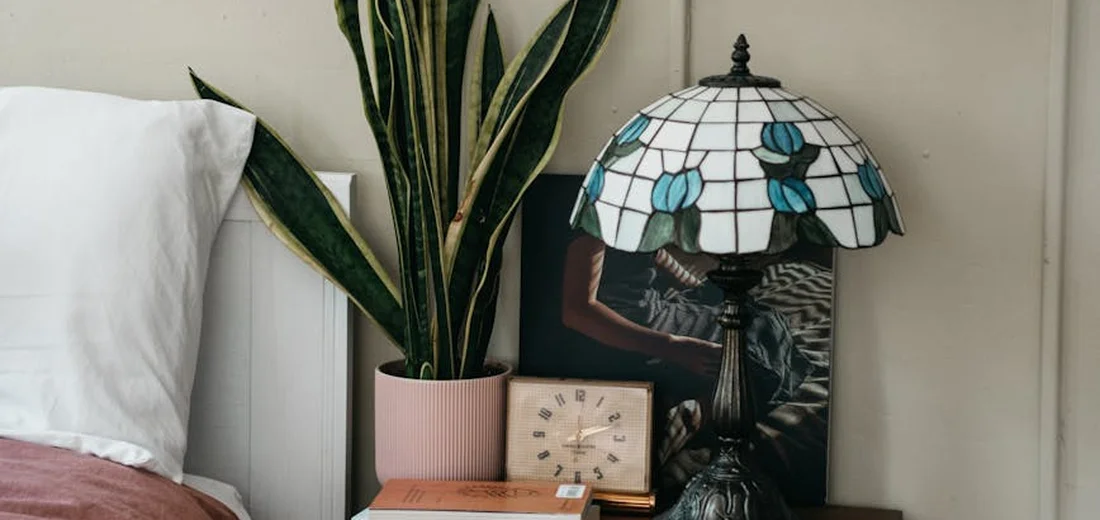
One of my favorite things about snake plants is their incredible versatility in home decor. Their sharp, architectural leaves bring a modern, structural element to any room, effortlessly bridging styles from minimalist to bohemian. I’ve used them as standalone statement pieces and grouped them for a lush, green wall effect. A plant braid of snake plants takes their decorative appeal to the next level, turning the leaves into a sculptural, woven centerpiece. Braiding also highlights the plant’s clean lines while keeping care simple.
Ideal Roommates: The Best Spots in Your Home
Finding the perfect home for your snake plant is part of the fun. They are surprisingly adaptable, but a little thought goes a long way. To pick the best snake plant variety for your home, consider light and space. A well-chosen variety thrives with your routine and decor.
Bright, indirect light is their sweet spot, making east or west-facing windows a prime location. I have one thriving on a shelf about five feet from a large east-facing window, and its growth has been consistently impressive.
- The Bedroom: This is my top recommendation. Snake plants release oxygen at night, which can potentially improve air quality while you sleep. Place one on a nightstand or a dresser.
- The Home Office: Their low-maintenance nature is perfect for a busy workspace. A tall, elegant variety in a simple pot adds a touch of calm to your desk environment.
- The Bathroom: They tolerate lower light and enjoy the humidity from your showers. It’s a great way to add life to a space often forgotten by houseplants.
- Dark Hallways & Corners: While they won’t grow as quickly, they will survive. Use them to brighten up a dull, dimly lit area where other plants would simply give up.
Don’t be afraid to play with height. Placing a tall snake plant in a floor pot behind a sofa or armchair creates a beautiful, layered look that draws the eye upward. I’ve found that grouping three snake plants of different heights together creates a dynamic and visually interesting display.
Important Considerations for Pet Owners
This is the one area where we need to pause and be mindful. As a plant lover with a curious cat, I’ve had to learn which of my green friends require a bit more distance.
Snake plants are considered mildly toxic to cats and dogs if ingested. The plant contains saponins, which can cause nausea, vomiting, and diarrhea in our furry companions.
This doesn’t mean you can’t have them, but it does mean you need a strategy.
- Elevate Your Plants: Use high shelves, hanging planters, or top of bookcases that your pet cannot access. This is my preferred method and it works beautifully.
- Create a Barrier: Place the plant inside a glass cloche or a terrarium. This lets you enjoy the plant while keeping it completely off-limits.
- Use a Deterrent Spray: A pet-safe bitter spray on the outside of the pot and on the lower leaves can discourage curious nibblers.
- Observe Your Pet’s Behavior: Some pets have zero interest in plants, while others see them as a salad bar. Know your animal’s habits.
If you suspect your pet has chewed on a snake plant, contact your veterinarian or the ASPCA Animal Poison Control Center immediately. Being proactive with placement is the absolute best way to ensure a safe and happy home for all your living creatures, both leafy and furry.
FAQs
Can snake plants be grown outdoors?
Snake plants can thrive outdoors in warm, frost-free climates but are primarily recommended as indoor plants in most regions. For those considering outdoor care, check our summer-winter guide for when to place snake plants outside and how to transition them back indoors. It covers seasonal care to keep them healthy year-round.
What are the feng shui benefits of snake plants?
In feng shui, snake plants are thought to purify energy, absorb negative chi, and promote protection and stability indoors.
How should I position my snake plant for good feng shui?
Place snake plants near entrances or in corners to deflect negative energy and enhance positive flow in your home.
Where can I find a huge online store for snake plants?
Large online retailers like Amazon, Etsy, or specialized plant shops such as The Sill offer a wide selection of snake plants. Prices vary by size and cultivar, from about $10 for small plants to $50 or more for larger specimens. It’s worth comparing snake plant prices online with local shops to find the best price and availability.
What type of planter is best for indoor snake plants?
Select a planter with drainage holes and a snug fit to prevent overwatering and support healthy root growth.
How should I fertilize my indoor snake plant?
Fertilize snake plants sparingly with a balanced, diluted fertilizer during the active growing season for best results. Knowing exactly how and when to fertilize snake plants is essential for their health.
Your Snake Plant Adventure Awaits
In my years of nurturing succulents, I’ve found that snake plants are unbeatable for indoor spaces because they forgive mistakes, clean your air, and ask for very little in return—just stick to these simple care habits for a happy plant, like those detailed in this guide.
- Water deeply only when the soil is bone-dry to avoid overwatering issues.
- Place in bright, indirect light, though they’ll still grow in dim corners.
- Enjoy their air-purifying power, which tackles common household toxins.
You’re all set to welcome a snake plant into your home-trust your instincts, enjoy the process, and watch your green thumb grow with every resilient leaf!
Further Reading & Sources
- Snake Plant – Indoor Plants – The Home Depot
- r/houseplants on Reddit: This snake plant is my first indoor plant! Please tell me how to grow them and suggest me more indoor plants 🥺
- Snake Plant: A Forgiving, Low-maintenance Houseplant (Allegheny County)
- Snake Plant Laurentii | Low Light Plants & Houseplants Delivery | The Sill
Lena Greenfield is a passionate horticulturist and plant care expert with over 10 years of experience cultivating and nurturing hardy house plants. With a deep understanding of both indoor and outdoor gardening, Lena shares practical advice on choosing, caring for, and maintaining resilient plants that flourish year-round. Through her knowledge and hands-on approach, Lena helps plant lovers transform their spaces into vibrant, green sanctuaries, no matter their gardening experience.
Light Requirements