
How to Hang and Display Hanging Plants Indoors
Adding hanging plants to your indoor space instantly boosts its charm, and I’ve found that mastering the setup is simpler than most people expect. If you’re nervous about drilling into walls or keeping your plants thriving up high, I’ve been there too-and I can assure you it’s totally manageable with a few smart tricks.
Drawing from my own years of filling rooms with greenery, I’ll guide you through selecting the right hardware, choosing low-maintenance plants, easy installation steps, and creative arranging ideas to make your display both beautiful and worry-free.
Why You’ll Love Hanging Plants in Your Home
Hanging plants instantly add a layer of living texture to a room that floor plants just can’t match. They draw the eye upward, making your ceilings feel higher and your entire space feel more dynamic and lush. I’ve found that a well-placed hanging basket can transform a boring corner into a vibrant focal point.
Beyond pure aesthetics, they are fantastic space-savers. If your floor space is limited by furniture, pets, or kids, going vertical is the ultimate solution. You get all the air-purifying and mood-boosting benefits of houseplants without sacrificing an inch of valuable real estate. My small apartment feels like a jungle, all thanks to utilizing the vertical space.
There’s also a unique sense of tranquility that comes from being surrounded by greenery at different levels. It creates a cozy, enveloping feeling, like your own personal indoor canopy that helps soften the hard lines of a room. I love watching the morning light filter through the trailing leaves of my String of Hearts-it’s a little moment of peace every day.
Choosing the Perfect Hanging Plant for Your Space
Picking the right plant is more than just choosing the prettiest one; it’s about matching a plant’s needs to the conditions you can actually provide. The right plant in the right spot will thrive with minimal effort, while the wrong one will be a constant struggle. I’ve learned this through years of trial and error, and it’s made all the difference in my plant parenting journey.
Trailing Marvels for Low Light Corners
Not every window is a sun-drenched paradise, and that’s perfectly okay! Some of the most beautiful hanging plants actually prefer shadier spots. For north-facing windows or rooms further from a light source, these are my top, foolproof picks that add life without needing much sun.
- Pothos: The ultimate beginner plant. Its heart-shaped leaves trail beautifully and it tolerates forgetful watering. I have one in my bathroom that gets only indirect light and it’s doubled in length in a year.
- Philodendron Heartleaf: Similar to Pothos but with slightly softer, darker green leaves. It’s incredibly forgiving and grows quickly, creating a lush curtain of green.
- Spider Plant: With its arching, striped leaves and adorable “spiderette” babies, it’s a classic for a reason. It’s adaptable and the babies are fun to share with friends.
Sun-Loving Succulents and Cascading Vines
If you’re lucky enough to have a bright, sunny spot-like a south or west-facing window-you can grow some truly spectacular hanging plants. These varieties soak up the sun and reward you with rapid growth and sometimes even flowers. Just be sure to acclimate them slowly to direct sun to prevent scorching.
- String of Pearls: A stunning succulent with bead-like leaves that cascade over the edge of a pot. It needs bright light and well-draining soil. Mine sits in a south window and gets watered only when the pearls start to look a little shriveled.
- Burro’s Tail: Another succulent favorite, known for its long, plump, blue-green leaves that densely pack the stems. It’s a dramatic showstopper that loves lots of light.
- String of Hearts: Delicate, heart-shaped leaves on thin, purple-tinged vines. It grows like a weed in bright, indirect light and is one of the most graceful plants you can hang.
My Go-To Hardy Hanging Plants
These are the plants I recommend to everyone, especially new plant owners, because they can handle a bit of neglect and less-than-ideal conditions. They’re the workhorses of the hanging plant world-tough, beautiful, and low-maintenance. I’ve had these in various homes and they’ve always pulled through.
- Hoya: Hoyas are phenomenal. They have thick, waxy leaves that store water, meaning you can sometimes go two weeks between waterings. They also produce gorgeous, fragrant flower clusters when they’re happy.
- Rhipsalis (Mistletoe Cactus): This is a jungle cactus, so it doesn’t need desert-like conditions. It has fascinating, pencil-thin stems that trail elegantly and it’s very tolerant of lower light.
- Pothos (Yes, again!): I’m listing it twice because it truly is that hardy. It tolerates low light, bright light, and irregular watering. If you only get one hanging plant, make it a Pothos.
Selecting Your Hanging Hardware and Planters
Ceiling Hooks and Anchors: A Safety-First Guide
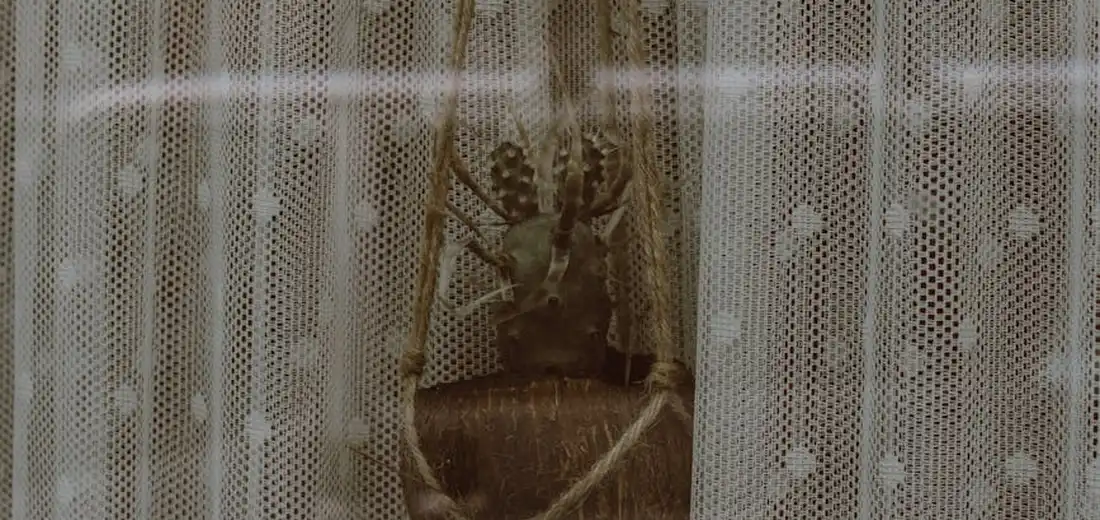
The most important part of your display isn’t the plant-it’s the hook holding it up. I always use a hook rated for at least twice the weight I plan to hang, because a waterlogged pot is far heavier than you think. For plaster or drywall ceilings, a toggle bolt anchor is your best friend; it spreads the weight behind the ceiling for a super secure hold. I learned this the hard way after a heavy ceramic pot came crashing down! For wooden beams or joists, a simple screw-in hook is often all you need.
The Charm of Macrame and Rope Hangers
Macrame hangers add a wonderful, soft texture and bohemian vibe that I absolutely love in my own home. They’re not just decorative; a good macrame hanger allows for better air circulation around the pot, which is fantastic for plant health. I make my own, and the key is to use a sturdy, natural-fiber cord like cotton or jute that can handle moisture without stretching too much. The gentle sway of a plant in a macrame hanger brings a living, breathing energy to a room.
Pots and Planters with Proper Drainage
You might fall in love with a pot that has no drainage hole, but I beg you, don’t use it for a hanging plant. Overwatering is the number one killer of indoor plants, and a pot without drainage is a guaranteed death sentence. I always choose lightweight plastic, fiberglass, or sealed terracotta pots with at least one good-sized hole in the bottom. If you find a beautiful cachepot without a hole, simply use it as an outer sleeve and keep your plant in a basic plastic nursery pot that fits inside.
My Step-by-Step Guide to Hanging Your Plant
-
Step 1: Find the Ideal Spot for Light and Airflow
Hold your hand where you want to hang the plant during the time of day it would get the most light. If you can see a sharp, clear shadow, that’s direct light; a soft, fuzzy shadow means bright, indirect light-perfect for most common houseplants. Choosing indoor plants that suit your home’s light conditions makes care easier and helps them thrive. Think about which spaces get direct sun, bright indirect light, or low light when picking varieties. Also, avoid corners where air becomes stagnant; plants enjoy a gentle breeze from a nearby vent or occasionally opened window to keep them strong and pest-free.
-
Step 2: Install Your Hanging Hardware Securely
You’ll need a drill, the correct drill bit for your wall anchor, a stud finder, and your weight-rated hook. Use the stud finder to locate a ceiling joist for the most secure hold; if you can’t find one, that’s when you must use a heavy-duty toggle bolt anchor. Drill your pilot hole, insert the anchor, and screw in the hook until it’s firmly seated and doesn’t wiggle. Give it a firm tug with your hand to test it before trusting it with your plant.
-
Step 3: Pot Your Plant for Success
Start with a layer of fresh, well-draining potting mix in your chosen pot. For my hanging succulents, I mix in extra perlite or pumice to the soil to ensure it dries out quickly and doesn’t stay soggy. Gently place your plant in, fill in the gaps with more soil, and tap the pot on the table to settle everything in. You want the plant to be secure, but don’t pack the soil down too tightly-roots need air pockets to breathe. Repotting succulents correctly is key to their health and growth.
-
Step 4: Hang, Adjust, and Admire
Loop your hanger onto the secure hook. I always hang the plant a bit higher than I think it should be, as you can always lower it, but raising it is a hassle. Step back and look at it from different angles in the room. The bottom of the pot should typically sit at or just above eye level for the most pleasing visual effect. Once you’re happy, take a moment to appreciate your handiwork-you’ve just created a beautiful, living sculpture.
Creative Display Ideas for a Lush Indoor Garden
Crafting a Focal Point with a Single Statement Plant
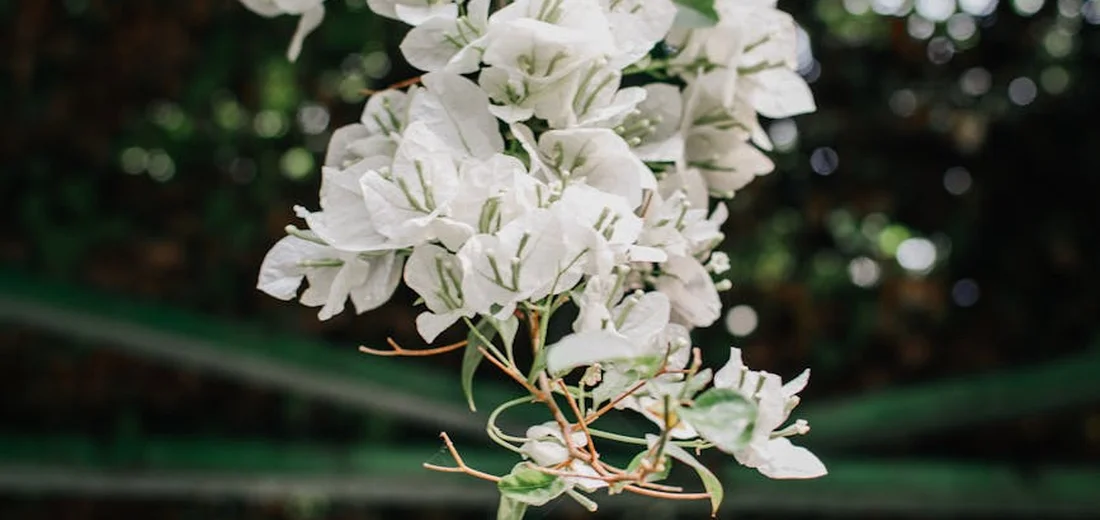
I love using one spectacular hanging plant as a living piece of art. Choosing a single, vigorous specimen like a String of Pearls or a mature Pothos instantly draws the eye and creates a stunning focal point without any clutter. I often hang mine directly in a south or east-facing window where the light can stream through the vines, creating beautiful shadows on the walls. It’s a simple trick that makes a huge impact.
Select a pot that complements your decor, as it becomes part of the statement. A textured macramé hanger adds a bohemian touch, while a sleek, minimalist planter can give a more modern, architectural feel. I have a ceramic planter with a subtle geometric pattern that I use for my Burro’s Tail, and it always gets compliments.
Building a Cascading Gallery with Wall-Mounted Shelves
For a truly dynamic display, I combine wall-mounted shelves with my hanging plants. This creates layers of greenery at different heights, making a small room feel like a lush, vertical jungle. I use a mix of floating shelves and corner shelves to build my gallery. To keep the arrangement cohesive, I curate mixed collections with a shared color palette and similar pot styles. I also select plants with complementary textures so the display reads as a single, intentional design.
Here’s my go-to method for arranging a cascading gallery:
- Start by mounting your highest shelf and hanging a plant with long, trailing vines, like an English Ivy, from the ceiling just above it.
- On the shelf directly below, place a plant with a different texture, such as a String of Hearts.
- On the lowest shelf, use a bushier plant like a Spider Plant to anchor the composition.
The key is variety. Mixing leaf shapes, sizes, and growth habits prevents the display from looking monotonous and adds incredible depth.
Grouping Plants for Maximum Visual Impact
Grouping plants together is my secret weapon for creating an instant “wow” factor. Cluster three to five hanging plants in one corner or along a blank wall to create a powerful, concentrated burst of life. I arrange them at slightly different heights to mimic how plants grow in nature.
When I group plants, I follow a simple formula based on their care needs:
- Thirsty Friends: Group humidity-loving plants like Ferns and Prayer Plants together. They create their own mini-humid microclimate.
- The Drought-Tolerant Crew: Hang succulents like String of Bananas and Donkey’s Tail in a sunny spot. They thrive on similar, infrequent watering schedules.
- The Low-Light Lovers: Pothos, Philodendrons, and some Peperomias can be grouped in a dimmer area where they’ll all be happy.
This grouping strategy not only looks fantastic but also makes your plant care routine much more efficient.
Caring for Your Elevated Indoor Garden
Watering Without the Mess
Watering hanging plants used to be my biggest challenge until I developed a foolproof system. The best time to water is right before you leave the house for a few hours, giving any drips time to evaporate before you return. I always take my plants down for a thorough, deep watering in the sink, letting the water run through the drainage hole. This approach fits with the broader topic of often watering indoor plants—a general guide many follow. In a typical routine, you check soil moisture and water when the top inch is dry.
For a quick top-up between deep waterings, I use a long-spouted watering can. My favorite trick is to repurpose a clean, old turkey baster for spot-watering and for sucking up any excess water that collects in the decorative saucer. This prevents overwatering and keeps your ceilings and floors safe.
Simple Pruning for Lush, Healthy Growth
Don’t be afraid to give your hanging plants a haircut! Regular pruning encourages bushier growth and prevents your plants from becoming long, leggy, and sparse. Pruning helps you control their size and shape. It keeps the plants looking balanced as they grow. I use a clean pair of kitchen scissors or precision snips for this job.
Here is my simple, two-step pruning process:
- Look for any vines that are significantly longer than the others or that have bare sections with no leaves.
- Snip the vine about a quarter-inch above a leaf node (the little bump on the stem where a leaf grows).
You can then propagate these cuttings in water to grow entirely new plants—it’s like getting free plants from a simple trim! For snake plants, you can also propagate using pups or leaf cuttings, and water propagation is a popular method. Simply place the cut end in water, wait for roots, then plant in soil.
Troubleshooting Common Hanging Plant Issues
Even with the best care, issues can pop up. Here’s how I handle the most frequent problems I see with my own collection.
Yellowing Leaves: This is often a sign of too much water. Before you water again, always stick your finger two inches into the soil; if it feels damp, hold off on watering. Make sure your pot has a drainage hole and isn’t sitting in water. If yellowing or drooping persists, troubleshoot other common succulent problems. Check light, soil, drainage, and root health.
Leggy Growth (Long Stems with Few Leaves): This means your plant isn’t getting enough light. Move it to a brighter location, or consider supplementing with a simple grow light to give it the energy it needs to fill out. Pruning the long stems back will also help redirect its energy.
Pests like Fungus Gnats: These tiny flies love moist potting mix. Let the top layer of soil dry out completely between waterings, and place yellow sticky traps in the pots to catch the adult gnats and break their life cycle. This natural method has always worked for me, especially when combined with other strategies to control fungus gnats on indoor plants.
FAQs
Where can I find indoor hanging plants near me?
You can purchase indoor hanging plants at local nurseries, garden centers, or home improvement stores.
How can Pinterest help with indoor hanging plant ideas?
Pinterest offers endless visual inspiration and creative display ideas for hanging plants in indoor spaces.
What are the best indoor hanging plant stands for multiple plants?
Tiered or multi-level plant stands are ideal for efficiently displaying several hanging plants together.
What are some good low light indoor hanging plants?
Pothos, Philodendron, and Spider Plants thrive in low light conditions and are easy to care for.
Which indoor hanging plants prefer direct sunlight?
Succulents like String of Pearls and Burro’s Tail love bright, direct sunlight and well-draining soil.
What type of pots are best for indoor hanging plants?
Lightweight plastic or fiberglass pots with drainage holes help prevent overwatering and are easy to hang.
Ready to Hang Your Plants?
In my years of tending to houseplants and succulents, I’ve found that successful indoor hanging displays rely on secure hardware, proper light placement, and mindful watering routines. Focus on these essentials to keep your plants healthy and your setup safe.
- Use sturdy hooks rated for the plant’s weight.
- Position plants where they get the right light levels.
- Check soil moisture before watering to prevent over or under-watering.
I’ve watched many beginners become confident plant parents, and you can too—start with one hanging plant and enjoy the process. Your care and attention will help your green companions thrive and brighten your space. For absolute beginners, here are essential indoor planting tips to keep things simple. Start with easy-care plants, a simple lighting routine, regular watering, and a basic potting setup.
Further Reading & Sources
- 7 Tips for Creative Hanging Indoor Plants – Costa Farms
- Clever Ways To Hang Your Plants – Clever Bloom
- Hanging Planters – Hanging Plant Pots – IKEA
- 30 Clever Ways to Hang Plants
Lena Greenfield is a passionate horticulturist and plant care expert with over 10 years of experience cultivating and nurturing hardy house plants. With a deep understanding of both indoor and outdoor gardening, Lena shares practical advice on choosing, caring for, and maintaining resilient plants that flourish year-round. Through her knowledge and hands-on approach, Lena helps plant lovers transform their spaces into vibrant, green sanctuaries, no matter their gardening experience.
DIY Projects