
How Often to Water Indoor Plants: A Simple Guide
Published on: May 13, 2026 | Last Updated: May 13, 2026
Written By: Lena Greenfield
Figuring out how often to water your indoor plants is one of the most common challenges for plant owners, and it’s easy to worry you’re doing it wrong. The truth is, there’s no single magic schedule that works for every plant in every home.
After years of nurturing everything from finicky ferns to resilient snake plants, I’ve learned that watering is more about observing your plant’s needs than following a strict calendar. In this guide, I’ll walk you through spotting the signs of overwatering and underwatering, the key factors that change how often you should water, and my go-to method for getting it right every time.
Understanding Your Plant’s Watering Needs
I used to water all my plants on the same day, and I quickly learned that’s a recipe for disaster. Each plant is an individual with its own unique thirst level, and learning to read those signals is the secret to keeping them happy. It’s like getting to know a new friend’s coffee order.
Key Factors in Watering Frequency
Forget the calendar. Your plant doesn’t know what day it is. Instead, focus on these core elements that truly dictate when it’s time for a drink.
Light and Watering
Light is the engine of your plant. The more light it gets, the faster it uses water to create energy through photosynthesis. A plant in a bright, sunny window will need water much more frequently than the exact same type of plant in a low-light corner. Different succulents have different light needs—some crave bright sun, while others tolerate bright indirect light. You can learn more about these varying requirements [here](https://hardyhouseplants.com/how-much-light-do-different-succulents-really-need). Knowing each plant’s preference helps you tailor watering to the light it actually receives. I keep my succulents in a south-facing window, and they dry out in a week, while my ZZ plant in a dim hallway can go a month between waterings.

Think of it this way: a plant in bright light is like a person running a marathon, while a plant in low light is relaxing on the couch. One needs a lot more hydration! But be careful not to overdo it, as too much or too little light can stress your plant.
Pot Size and Drainage
The size and type of your pot are huge players in your watering routine. A small pot holds less soil, which means it dries out incredibly fast. A plant in a tiny, terracotta pot might need water twice a week, while the same plant in a large ceramic pot could be content for two weeks. Terracotta is porous and pulls moisture from the soil, speeding up drying, while glazed ceramic or plastic holds moisture in. Are terracotta pots good for indoor plants? They’re a good fit for many houseplants that prefer drier soil and better airflow, though they aren’t ideal for moisture-loving varieties in very humid spaces.

- Small Pots: Dry out quickly. Require more frequent, careful watering.
- Large Pots: Hold moisture longer. Risk of overwatering at the bottom if you water too often.
- Drainage Holes: Non-negotiable! Without a hole, water pools at the bottom, leading to root rot. I always drill a hole in any pot I fall in love with that doesn’t have one.
Recognizing Signs of Thirst and Overwatering
Your plant is constantly talking to you through its leaves and soil. Learning this language is the most rewarding part of plant care.
Quick Tip: When in doubt, wait it out. It’s much easier to save an underwatered plant than an overwatered one.
How to Check Soil Moisture
This is your most reliable tool. Don’t just look at the surface-dig a little deeper.
- The Finger Test: Push your index finger about 2 inches into the soil. If it feels dry, it’s time to water. If you feel any coolness or dampness, hold off. This is my go-to method for almost every plant.
- The Chopstick Method: Push a wooden chopstick all the way to the bottom of the pot, leave it for a minute, and then pull it out. If it comes out clean, the soil is dry. If it has damp soil stuck to it, there’s still moisture down below.
- Lift the Pot: Get familiar with the weight of your plant right after you water it. A light pot means the soil is dry and needs water. A heavy pot means there’s still plenty of moisture inside. This is a fantastic trick for large floor plants.
Trusting your senses over a schedule will transform your plant care from a guessing game into an intuitive practice. You’ll start to just *know* when your green friends are thirsty.
Watering Schedules for Common Indoor Plants
Succulent and Cacti Care
I’ve killed my fair share of succulents by being too eager with the watering can. The single most important rule for these plants is to let the soil dry out completely between waterings. To avoid common succulent watering mistakes, water only when the soil is dry. Never let the pot sit in water.
For most of my succulents and cacti, I follow a simple “soak and dry” method. I give them a thorough drink until water runs out the drainage hole, then I ignore them until the soil is bone-dry. In my home, that usually translates to watering every 2-4 weeks. For a complete guide on how often to water succulents, this is a baseline you’ll adjust for species and climate.
- Check the soil with your finger. If any moisture is present, wait.
- Watch for visual cues. A thirsty succulent will have slightly wrinkled, softer leaves.
- Reduce watering significantly in winter when growth slows down. I sometimes go 6-8 weeks between waterings for my cacti during this dormant period.
Plump leaves store water, so they are built to handle drought. When in doubt, it’s always safer to underwater a succulent than to overwater it. Many succulents store water in both their leaves and their stems. This storage helps them endure dry spells.
Best Practices for Watering Indoor Plants
Watering Tools and Methods
Using the right tool makes all the difference between a healthy plant and a waterlogged one. I have a few favorites that have never let me down.
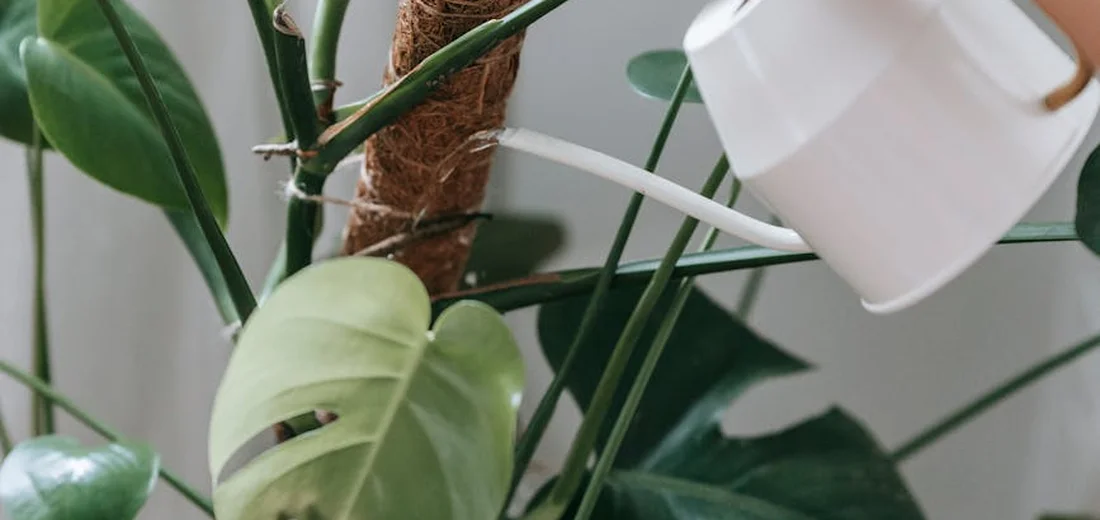
- A watering can with a long, narrow spout lets you direct water precisely to the soil base, avoiding the leaves which can lead to rot or sunscald.
- For my smaller plants, I use a squeeze bottle for ultimate control.
- A moisture meter is a fantastic investment if you struggle with the “finger test.” It takes the guesswork out completely.
The goal is a slow, deep watering that encourages roots to grow downward. I always water until a little bit runs out the drainage hole, then I empty the saucer after 15 minutes so the pot isn’t sitting in a puddle.
Using Ice Cubes and Hydrogen Peroxide
You might have heard the ice cube trick for watering orchids. I tried it for a while, but I don’t recommend it for most houseplants. The cold can shock the delicate root systems.
Room temperature water is much kinder to your tropical plants. Think about how a warm rain feels versus an ice-cold shower-your plants prefer the former!
Now, hydrogen peroxide is a different story. I use a diluted solution as a occasional soil treatment. It adds oxygen to the root zone and can help prevent root rot.
- Mix one part of 3% hydrogen peroxide with four parts water.
- Use this solution in place of a regular watering once every month or two.
- You might see some fizzing-that’s normal and means it’s working!
This is a great rescue remedy if you suspect a plant has been overwatered. Just remember, this is a treatment, not a regular watering substitute.
Adjusting Watering for Seasons and Special Cases
Watering During Winter and Vacations
I learned this lesson the hard way one winter when I nearly loved a fiddle leaf fig to a soggy death. Most of your houseplants hit the snooze button during the shorter, cooler days of winter, meaning their thirst drops dramatically. You might find yourself watering only half as often, or even less.
Instead of sticking to a rigid schedule, I now do the simple finger test every single time. If the soil feels cool and moist an inch or two down, I walk away from the watering can.
- Winter Rule: Water only when the soil is completely dry, and consider using lukewarm water to avoid shocking the roots.
- Summer Rule: Check plants more frequently, as warmer temperatures and active growth mean they’ll drink more.
Going on vacation used to stress me out, but I’ve found some easy, low-tech solutions that work beautifully for a week or two away.
- The Wicking Method: Place a jar of water higher than your plant pot. Run a cotton rope from the water jar deep into the soil. The plant will sip what it needs.
- The Humid Bathroom: For moisture-loving plants like ferns, a group shower works wonders. Give them a good drink, then place them in a tub with a couple of inches of water in a brightly lit bathroom.
- The Plastic Bag Greenhouse: For small plants, water them well and loosely tent a clear plastic bag over them. This creates a mini-humidity dome that recycles moisture.
Advanced Tips for Optimal Plant Care
Once you’ve mastered the basics, a few pro-level tricks can take your plant parenting from good to great. Understanding what’s happening below the soil surface has been the single biggest game-changer for my plant’s health.
Check the Roots, Not Just the Leaves
If a plant is consistently struggling, gently tip it out of its pot to check the root ball. Healthy roots are firm and white or light tan. Mushy, dark roots signal overwatering and root rot. If the roots are coiled tightly in a circle, it’s definitely time to repot into a slightly larger home.
Water Quality Matters
I have a calathea that threw a fit until I switched its water. If you see brown, crispy tips on your plant’s leaves, your tap water might be the culprit. Minerals and chlorine can build up in the soil.
- Let tap water sit out for 24 hours before using it to allow chlorine to dissipate.
- Collect rainwater in a bucket-it’s like serving your plants a gourmet meal for free.
- Use filtered or distilled water for particularly sensitive plants like carnivorous varieties or calatheas.
Boost Humidity the Easy Way
Dry air from heating and air conditioning is a silent plant killer. I don’t like the look of humidifiers, so I use a simpler method. Grouping plants together creates a mini-microclimate where they naturally raise the humidity for each other. Keeping humidity steady is a big part of healthy indoor plants. You can learn more about this in our guide on Keeping humidity steady. Consistent humidity helps prevent leaf browning and disease. You can also place pots on a tray filled with pebbles and a little water, ensuring the pot itself isn’t sitting in the water.
Learn Your Plant’s “Thirsty” Tell
Beyond the finger test, many plants have visual cues. A peace lily will dramatically droop when it needs a drink. A snake plant’s leaves may get a little less rigid and develop subtle wrinkles. A ZZ plant’s stems might start to lean. Paying attention to these subtle signs helps you water on your plant’s schedule, not your own.
FAQs
Is it safe to water indoor plants at night?
Watering at night is not recommended as it can promote fungal diseases due to prolonged moisture on leaves and soil.
How do I water plants in a grow tent?
In a grow tent, check soil moisture frequently because controlled light and humidity may alter watering needs.
What are self-watering globes and how do they work?
Self-watering globes slowly release water into the soil, providing consistent moisture for plants that prefer even watering.
How can I water indoor plants without making a mess?
Use a watering can with a long, narrow spout and a drip tray to direct water precisely and catch excess.
Is morning the best time to water indoor plants?
Watering in the morning allows plants to absorb moisture and dry before evening, reducing the risk of mold and rot.
What is bottom watering and is it effective?
Bottom watering involves placing the pot in a water-filled tray to soak up moisture from below, which helps prevent overwatering and keeps leaves dry. This technique is a staple in a complete guide to bottom watering techniques for succulents. Used correctly, it lets roots absorb water gradually while keeping foliage dry and reducing rot risk.
Your Indoor Plant Watering Roadmap
In my years of nurturing everything from hardy succulents to leafy tropicals, I’ve learned that successful watering hinges on observing your plant’s unique needs rather than sticking to a rigid calendar. This seasonal care guide helps you adjust succulent care through the year. It covers how to tailor watering, light, and feeding to seasonal shifts. Here’s your quick-reference guide:
- Check soil moisture first-water only when the top inch feels dry.
- Tailor frequency to plant type, light exposure, and season.
- For succulents, soak the soil deeply but let it dry out completely between waterings.
You’ve got this! Trust your instincts, use these tips, and watch your plants reward you with vibrant, happy growth.
Further Reading & Sources
- Watering Indoor Plants, A Complete Guide | Joy Us Garden
- r/houseplants on Reddit: How often should I water my indoor plants?
- How Often And How Much You Should Water Houseplants – The Sill
- How Often Should You Water Your Indoor Plants?
Lena Greenfield is a passionate horticulturist and plant care expert with over 10 years of experience cultivating and nurturing hardy house plants. With a deep understanding of both indoor and outdoor gardening, Lena shares practical advice on choosing, caring for, and maintaining resilient plants that flourish year-round. Through her knowledge and hands-on approach, Lena helps plant lovers transform their spaces into vibrant, green sanctuaries, no matter their gardening experience.
Watering Practices