
Are Eggshells and Worm Castings Good for Succulents?
Yes, eggshells and worm castings can be wonderful for your succulents, adding valuable nutrients and enhancing soil health naturally. You might be worried about over-fertilizing or causing root issues, but I’ve used both for years with great success in my own succulent collection.
In this article, I’ll guide you through the benefits of eggshells, how worm castings improve growth, proper application steps, common mistakes, and my personal tips to keep your plants happy and thriving.
What Are Eggshells and How Do They Work in Soil?
Think of eggshells as a tiny, slow-drip calcium IV for your plants. They are made almost entirely of calcium carbonate, the same compound that makes up agricultural lime, which is fantastic for naturally adjusting soil pH.
I’ve learned through trial and error that eggshells don’t offer a quick fix. You crush them up and mix them into your potting soil, and they break down over many months. This slow-release process provides a steady, gentle supply of calcium, which is vital for strong cell walls and overall plant structure.
Beyond just nutrition, I love them for their physical benefits. Here’s what they do for your succulent’s soil:
- They create tiny air pockets as they break down, improving aeration.
- The coarse pieces help loosen compact soil, enhancing drainage significantly.
- They add a bit of grittiness that mimics a succulent’s preferred natural habitat.
Some gardeners swear crushed eggshells deter soft-bodied pests like slugs and snails with their sharp edges. While I’ve found this effect to be a bit hit-or-miss in my own pots, it’s a nice potential bonus that doesn’t hurt to try.
Understanding Worm Castings: A Powerhouse Soil Amendment
Worm castings are simply the digested, nutrient-rich waste produced by earthworms-it’s basically black gold for gardeners. This vermicompost is the result of worms eating organic matter and producing a incredibly fertile, odorless soil amendment.
What makes them so powerful is their complete and balanced nutrient profile. Worm castings contain a perfect, mild blend of the primary macronutrients-Nitrogen (N) for leaf growth, Phosphorus (P) for strong roots, and Potassium (K) for overall health. They’re also packed with a whole suite of micronutrients and beneficial microbes that synthetic fertilizers just can’t match.
Their magic extends far beyond just food. When I mix castings into my succulent soil, I see two major improvements:
- The soil becomes more crumbly and loose, allowing precious oxygen to reach the roots.
- They have a unique ability to help the soil hold onto moisture just long enough for the plant to drink, without becoming waterlogged.
This makes them incredibly forgiving. Unlike harsh chemical fertilizers that can easily burn delicate succulent roots, worm castings are gentle and safe, even for your most sensitive plants. I use them with confidence on all my new propagations.
The Direct Benefits for Your Succulents
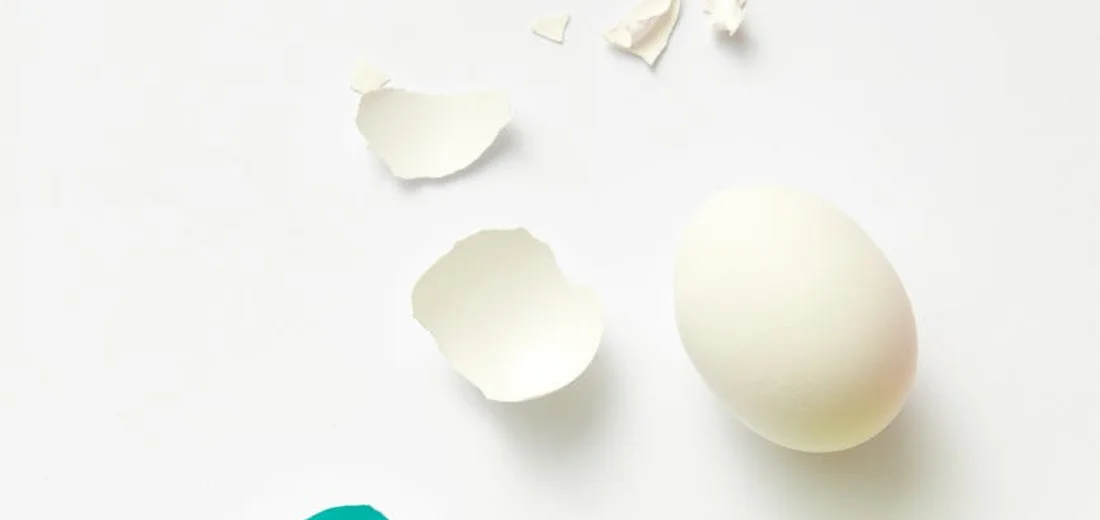
Think of eggshells as a tiny calcium supplement for your plants. Calcium is a crucial building block that helps form strong cell walls, making your succulents’ leaves and stems more rigid and robust. I’ve noticed that my jade plants, in particular, seem to hold their plump, classic shape better when I add a little eggshell powder to their soil.
Worm castings are like a gentle, all-you-can-eat buffet for your plants. They provide a perfectly balanced, slow-release fertilizer packed with nutrients and beneficial microbes that won’t burn delicate succulent roots. I switched to using them years ago and saw a huge difference in the vibrant color and steady growth of my echeverias.
Both of these amendments work wonders on your soil’s texture. Crushed eggshells create tiny air pockets for better drainage, while worm castings help bind the soil, preventing it from becoming too compact or too soggy. This improved structure is your best defense against the dreaded root rot, a problem I’ve successfully avoided in my own collection since making this a routine.
When you combine these benefits, you get a more resilient plant. Your succulents will be better equipped to handle stress, resist minor pests, and produce stronger, more consistent growth throughout the season. It’s a simple way to build a foundation of health from the ground up. That blend of resilience and simplicity explains their rising popularity. People love succulents for their low maintenance and modern look.
How to Prepare Eggshells for Your Plants
Getting eggshells ready for your plants is simple, but doing it right makes all the difference. Here is the method I use in my own kitchen.
-
Rinse the eggshells thoroughly with warm water to remove any leftover egg white or yolk. I then spread them out on a baking sheet and let them air-dry for a day, or you can pop them in an oven on low heat for about 10 minutes to speed up the process and ensure they are completely dry and sanitized.
-
Once the shells are brittle, crush them into a fine powder. I place them in a sturdy plastic bag and use a rolling pin to crush them down. For the best results, a coffee grinder or a high-powered blender will turn them into a super-fine, easily absorbable powder that mixes seamlessly into the soil.
-
Store your prepared eggshell powder in a sealed glass jar in a cool, dry place. I keep a small mason jar in my gardening cabinet. This keeps them fresh and ready for your next potting session or top-dressing application.
Practical Application: Using Them in Succulent Care
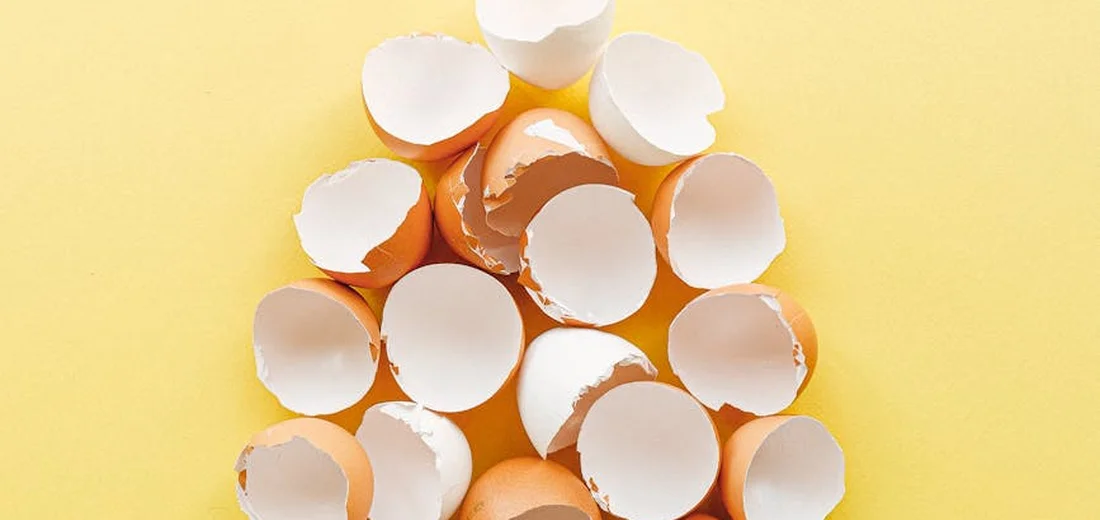
Mixing Amendments into Potting Soil
Getting the mix right is the most important step for a happy plant. I use a base of a gritty, well-draining succulent and cactus mix for all my pots. My go-to recipe is to mix one part worm castings and one part finely crushed eggshells into ten parts of my base potting soil. This creates a nutrient-rich environment without turning the soil dense. Different succulent types can have slightly different soil needs. For instance, desert species often prefer grittier, faster-draining mixes, while some tropical succulents tolerate a bit more organic matter.
Succulents absolutely need that fast-draining quality to prevent root rot. Adding too much of a good thing can create a heavy, moisture-retentive mud pie that will suffocate the roots. Sticking to that 1:10 ratio ensures you boost nutrition while preserving the crucial drainage your succulents crave. Are those amendments truly the best for succulents? Generally, the best for succulents are those that improve drainage and keep the mix light. I always do a squeeze test with my finished mix; it should crumble apart easily and not hold a clumpy shape.
Using as a Top Dressing or Mulch
If you’re not ready to repot, using these as a top dressing is a fantastic alternative. I love sprinkling a thin layer of crushed, clean eggshells over the soil surface. A light layer of crushed eggshells on the soil looks beautifully rustic and provides a slow, steady trickle of calcium with every watering. It’s like a time-release vitamin for your plants.
You can do the same with a dusting of worm castings. This method slowly washes nutrients down to the root zone, mimicking how plants feed in nature from decomposing matter on the surface. It also helps prevent soil from splashing onto the leaves during watering, which keeps your succulents looking pristine. Just be sure the layer is thin enough that it doesn’t form a crust that blocks water from penetrating.
Making and Using Worm Casting Tea
This is my secret weapon for giving my collection a quick, gentle health boost. It’s like a super-smoothie for your plants.
-
Fill a one-gallon jug with non-chlorinated water. If you only have tap water, let it sit out for 24 hours so the chlorine can evaporate. Add about one cup of worm castings to the water. I often put the castings in an old sock or a mesh bag to make straining easier later. Let this brew steep for about 24 hours, giving it a good shake whenever you walk by.
-
After a day, it’s ready to use. Strain out the solids if you didn’t use a bag. Use this tea to water your succulents as you normally would, completely saturating the soil until water runs from the drainage hole. I use worm tea on my succulents about once a month during their active growing season in spring and summer. It’s a mild, immediate nutrient hit that won’t risk burning delicate roots, making it a perfect complement to knowing how often to water succulents.
Potential Risks and How to Avoid Them
-
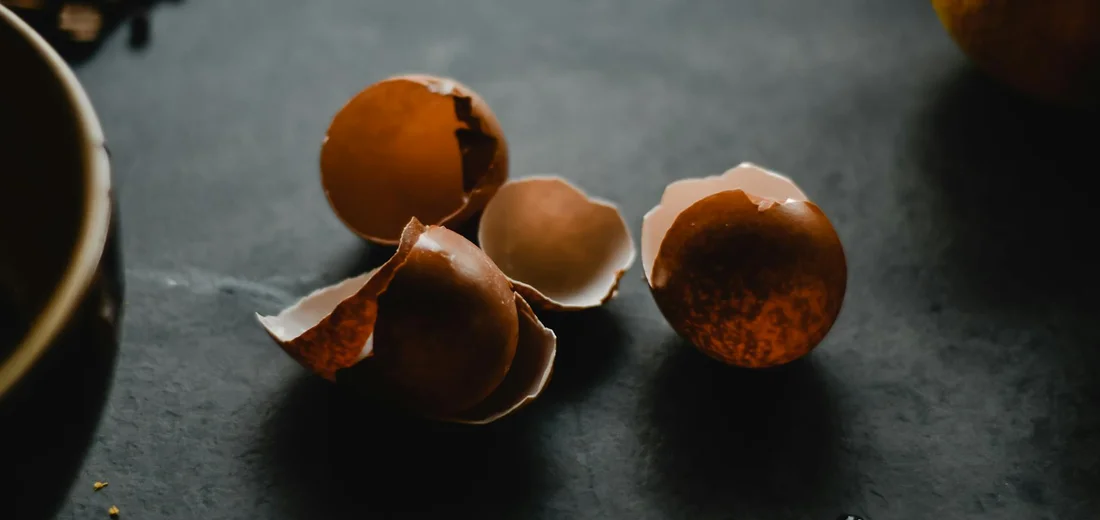
The biggest risk is loving your plants a little too much. Over-amending your soil with worm castings or eggshells can make it too rich and water-retentive. Always err on the side of less amendment, especially with succulents that are adapted to poor, dry soils. If your soil feels heavy or stays wet for more than a few days, you’ve likely added too much, which can be one of the signs of poor soil quality in succulents.
-
Eggshells can slowly make your soil more alkaline over a very long period. Most succulents are fine with this, but if you have a species that prefers acidic soil, be mindful. For many succulents, the ideal soil pH is around 6.0–7.0, slightly acidic to neutral. Monitoring pH helps keep them happy. I’ve never had a pH issue from my eggshell top-dressings, but it’s good to know for the long-term health of your collection. Too much calcium can also lock out other nutrients, so moderation is key.
-
If you don’t wash and dry your eggshells thoroughly before crushing them, you risk leaving behind organic residue. Always rinse your eggshells and bake them at a low temperature (200°F) for 10 minutes to dry them out and eliminate any smell or pest-attracting film. This simple step ensures you’re only adding clean, beneficial calcium to your pots.
Other Organic Options for Succulent Health
While eggshells and worm castings are fantastic, my plant shelf holds a few other organic favorites that deliver consistent results. Having a variety of options lets you tailor your feeding strategy to each plant’s specific needs.
Here are a few other organic amendments I regularly use for my succulent collection:
- Compost: This is my go-to for a general soil boost. A small handful mixed into the potting soil provides a wide spectrum of nutrients and improves moisture retention without getting soggy.
- Kelp Meal: I consider this a secret weapon. It’s packed with micronutrients and natural growth hormones that encourage strong root development and help plants handle stress better.
- Alfalfa Meal: This is a gentle, nitrogen-rich option I use for a little growth spur. It breaks down slowly, so there’s no risk of burning those tender succulent roots.
- Bone Meal: When I want to encourage more blooms on my flowering succulents like Kalanchoe, I mix in a bit of bone meal for its high phosphorus content.
So how do these stack up against our main stars? Worm castings are the ultimate all-rounder, while these other options often specialize in one area.
- Compared to eggshells, which mainly offer calcium, kelp meal provides a much broader range of trace minerals.
- Compost improves soil structure like worm castings, but it’s generally less concentrated in immediately available nutrients.
- Options like alfalfa and bone meal offer a more targeted nutrient release than the balanced, slow-feeding nature of worm castings.
My personal strategy is to create a custom soil mix. I typically start with a gritty base and then add a scoop of compost, a handful of worm castings, and a light sprinkle of kelp meal for a powerhouse blend. This gives my succulents everything they need to thrive for months. If you’re keen to make your own succulent potting mix, this can serve as a starting DIY recipe you customize at home. Try adjusting the gritty base and amendments to match your climate and plant types.
FAQs
What are eggshells and how are they used in gardening?
Eggshells are the calcareous shells from eggs that gardeners crush and add to soil to provide calcium and improve drainage.
How to prepare eggshells for composting?
Rinse and crush eggshells before adding them to your compost pile to help them break down faster.
Do eggshells deter pests in the garden?
Crushed eggshells can act as a physical barrier to deter slugs and snails from plants.
What are worm castings and what benefits do they provide to soil?
Worm castings are the digested waste of earthworms that enrich soil with nutrients and beneficial microbes.
Can worm castings improve seed germination rates?
Yes, worm castings can enhance seed germination by providing a nutrient-rich and well-aerated environment for seeds.
How do you make worm castings at home?
You can make worm castings at home by setting up a worm bin with bedding, worms, and kitchen scraps for them to consume.
Your Succulent Care Toolkit
Ultimately, both eggshells and worm castings can be fantastic additions to your succulent care routine when used correctly. My best advice is to use worm castings as a gentle, nutrient-rich soil amendment and to use crushed eggshells primarily for improving drainage, not as a main fertilizer. This fits with our best fertilizer for succulents complete guide, which emphasizes gentle, steady nutrition. Using these for the right purpose keeps roots happy and plants thriving. Here’s the quick-reference guide:
- Worm Castings: A gentle, all-purpose, slow-release fertilizer.
- Eggshells: A great drainage booster and a slow-release calcium source.
Now that you know how to use these natural helpers, I encourage you to give them a try. Don’t be afraid to mix a handful of castings into your next potting project or sprinkle some crushed shells at the bottom of a pot. Your green thumb is more capable than you think, and your succulents will thank you for the thoughtful, natural care. For targeted tips, check our essential succulent care guides for specific varieties. They walk you through how different species like Echeveria, Haworthia, and Aloe each need their own care routine.
Further Reading & Sources
- Worm castings for succulents?
- How to Fertilize Succulents Scientifically | THE NEXT GARDENER – Thenextgardener
- Succulent Fertilizer – Which, When and How Often | The Succulent Eclectic
- How to Make Worm Castings Tea – simple fertilizer for succulents
Lena Greenfield is a passionate horticulturist and plant care expert with over 10 years of experience cultivating and nurturing hardy house plants. With a deep understanding of both indoor and outdoor gardening, Lena shares practical advice on choosing, caring for, and maintaining resilient plants that flourish year-round. Through her knowledge and hands-on approach, Lena helps plant lovers transform their spaces into vibrant, green sanctuaries, no matter their gardening experience.
Fertilization