
What Temperature Range Can Snake Plants Tolerate?
Published on: July 31, 2026 | Last Updated: July 31, 2026
Written By: Lena Greenfield
You’re likely wondering just how tough your snake plant really is, especially when it comes to temperature swings. The good news is they’re incredibly resilient, but they do have their limits, and understanding them is the key to a thriving plant.
In my years of filling my home with greenery, I’ve tested snake plants in various spots and learned exactly what keeps them happy. I’ll walk you through their ideal comfort zone, the warning signs of temperature stress, and simple fixes to keep your plant healthy year-round.
We’ll cover the ideal temperature range, signs of cold and heat damage, seasonal care adjustments, and the best indoor placement tips.
The Ideal Temperature Sweet Spot for Snake Plants
In my years of collecting snake plants, I’ve found they truly thrive in the same temperatures most people find comfortable. You’ll see the happiest growth when your home stays between 70°F and 90°F (21°C to 32°C). This is their Goldilocks zone—not too hot, not too cold.
I keep most of my snake plants in my living room, which naturally stays around 75°F. They consistently push out new, sturdy leaves in that environment. Think of this range as their active growing season. Warmer temps, within reason, can actually encourage growth. Big snake plants can grow quite tall under the right conditions, so understanding their maximum height and growth habits helps set expectations. With time and good light, some specimens can rise noticeably taller.
How Humidity Plays a Supporting Role
Snake plants are champions of adaptability when it comes to the moisture in the air. Average household humidity, typically between 30% and 50%, is perfectly adequate for a snake plant. You don’t need to run a humidifier for them.
I’ve never had to mist my snake plants. In fact, high humidity can sometimes be a problem if the soil stays wet for too long. If your air is very dry, your snake plant might just need a drink a little more often, but it won’t suffer. They are far more concerned with the temperature of their environment than its humidity level.
Pushing the Limits: Understanding Their Tolerance
These plants are tough, but they have breaking points. They can handle brief stints outside their comfort zone, but prolonged exposure will cause stress. I learned this the hard way one winter when a plant was left near a frequently opened door.
The Real Danger of a Deep Chill
Cold is the number one enemy of a snake plant. Anything below 50°F (10°C) is risky, and temperatures at or below 32°F (0°C) will cause severe, often fatal, damage. The cells in their leaves freeze, rupture, and turn to mush.
Look out for these signs of cold stress:
- Soft, mushy spots on the leaves
- Leaves that are wilted and drooping dramatically
- Discolored, water-soaked patches
Once a leaf is damaged by frost, it will not recover. Your best move is to move the plant to a warmer spot immediately and trim away any completely mushy tissue to prevent rot from spreading.
When the Heat Is Just Too Much
While they enjoy warmth, extreme heat is also a problem. Sustained temperatures over 100°F (38°C) can literally cook your plant, especially if it’s in direct, hot sunlight. The plant loses water faster than its roots can absorb it.
In a heatwave, I move my pots away from south-facing windows. Signs your plant is too hot include:
- Brown, crispy leaf tips and edges
- Leaves that look sun-bleached or scorched
- The soil drying out at an alarming rate
A quick tip for hot days: water deeply in the early morning so the plant is hydrated before the peak heat hits. This gives it a much better chance of riding out a scorcher.
Spotting the Signs of Temperature Trouble
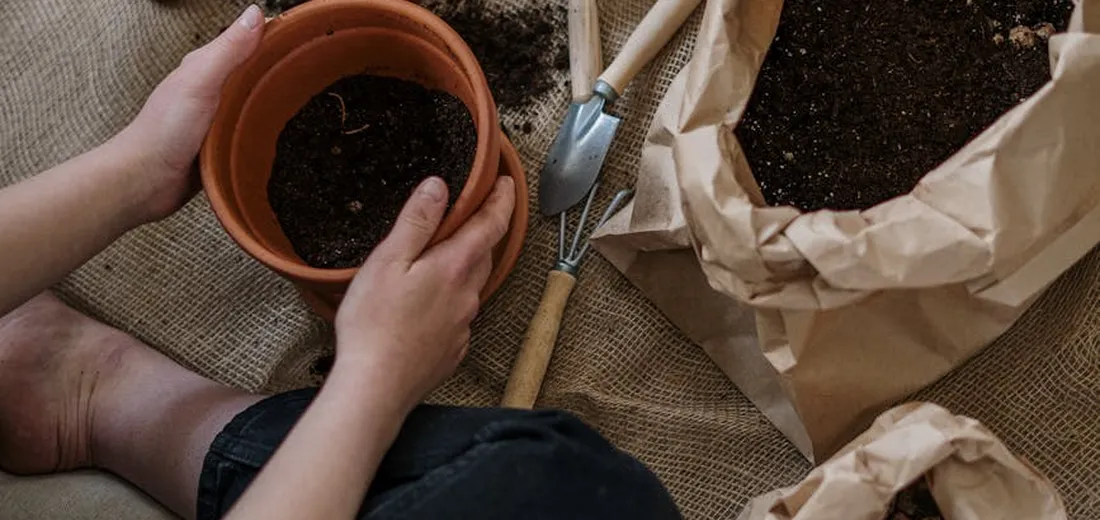
Your snake plant is a tough cookie, but it will tell you when it’s feeling the temperature pinch. I’ve learned to spot these subtle cries for help long before a plant is in serious danger. Catching these signals early is your best defense.
When it’s too cold, the leaves often feel soft and mushy, especially at the base. You might see dark, water-soaked spots that look like bruises. This is a classic sign of cold damage, and it means you need to move your plant to a warmer spot immediately. In severe cases, the damaged parts will eventually collapse.
Heat stress looks different. The leaves might become wrinkled or develop dry, crispy, brown patches, particularly on the edges. If your snake plant’s leaves are bleached-looking or turning a pale, yellowish color, it’s likely getting too much intense, hot sun. I’ve seen this happen when a plant is placed right against a hot south-facing window in the middle of summer.
Beyond the leaves, pay attention to growth. A snake plant that has stopped growing completely for months might be stuck in a spot that’s consistently too cold for its liking. It’s basically hibernating until conditions improve. Quick Tip: Run your hand along the leaf. If it feels unusually warm to the touch, it’s getting too much direct heat.
Your Guide to Seasonal Snake Plant Care
Snake plants have different needs as the seasons change. Adjusting your care with the calendar is the secret to keeping your plant thriving year-round, not just surviving. In this complete guide on how often to water snake plants indoors, you’ll learn the right cadence to prevent soggy roots and dry spells. I’ve had my oldest snake plant for over a decade by following this simple seasonal rhythm.
Step-by-Step: Safely Moving Your Plant Outdoors for Summer
Giving your snake plant a summer vacation outdoors can give it a wonderful growth boost. The key is to do it gradually to prevent shock. For more proven tips and techniques to help your snake plant grow faster, follow these care steps.
- Wait for the Right Time: Don’t move it outside until nighttime temperatures are consistently above 50°F (10°C). A sudden cold snap is a major risk.
- Choose a Shady Start: Place your plant in full shade for the first 1-2 weeks. Your indoor plant is not used to the intensity of direct outdoor sun.
- Introduce Morning Sun: After it’s acclimated to the shade, you can slowly move it to a spot that gets some gentle morning sun, but is protected from the harsh afternoon rays.
- Check Watering More Often: Outdoor conditions dry the soil faster. Check the soil moisture twice a week, but still only water when the soil is completely dry.
Step-by-Step: Bringing Your Plant Back Inside for Winter
This process is all about preventing you from bringing outdoor pests into your home. I learned this the hard way one year with a minor fungus gnat infestation!
- Inspect for Hitchhikers: Carefully check the leaves, especially the base and undersides, for any insects or eggs. A magnifying glass helps.
- Give it a Shower: Take the plant to a sink or hose and gently spray the leaves to dislodge any tiny pests you might have missed.
- Wipe Down: Use a damp cloth to wipe the top and bottom of each leaf. This cleans off dust and gives you one last close look.
- Quarantine if Possible: Keep the plant in a separate room from your other houseplants for about a week, just to be absolutely sure no pests appear.
- Find its Winter Spot: Place it in its permanent winter home, away from cold drafts from doors and hot, dry air from heating vents. A bright, indirect light spot away from temperature extremes is the winter sweet spot.
Creating a Stable Home Environment
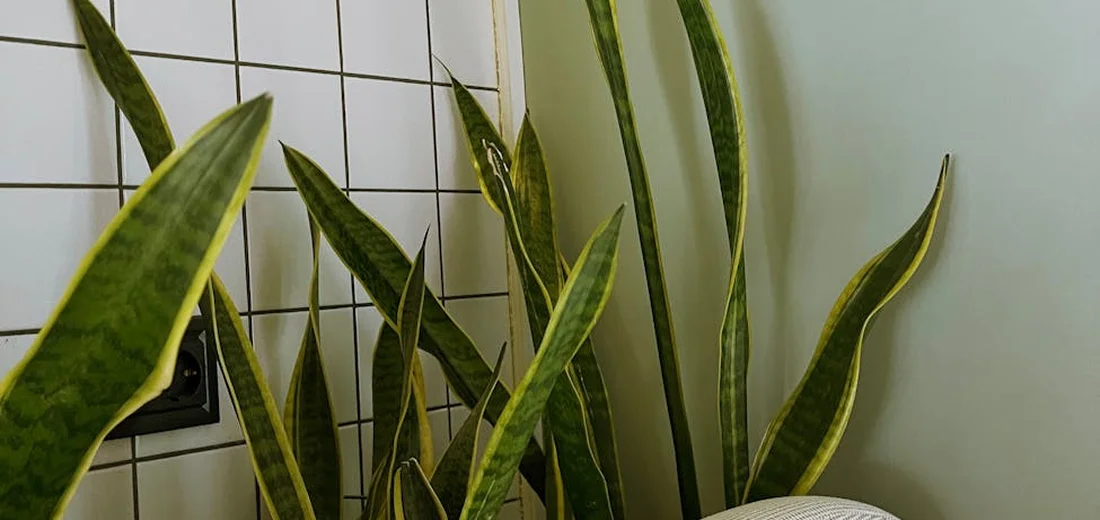
In my own home, I’ve found that where you place your snake plant matters just as much as your thermostat setting. The spot that feels perfectly comfortable to you might be a hidden danger zone for your plant. I learned this the hard way when a beautiful specimen I had near a large, sunny window started showing stress signs, not from the light, but from the cold glass at night.
Keep your plant away from areas with sudden temperature swings. This includes:
- Heating and AC vents: That direct blast of hot or cold air is a major shock.
- Drafty windows and doors: The constant chill in winter can slowly damage the plant.
- Fireplaces and radiators: The intense, dry heat can scorch leaves and dehydrate the plant much faster.
- Directly in front of an exterior door: Every time the door opens in winter, your plant gets a blast of freezing air.
My best advice is to place your snake plant in an interior room, like a bedroom or home office. Rooms with more consistent, ambient temperatures are sanctuaries for these resilient plants. I keep most of mine at least ten feet away from any vent or window, and they reward me with steady, trouble-free growth year after year. This is part of a complete indoor snake plant care guide, covering placement and maintenance for thriving plants.
Quick Action Plan for Temperature Stress
If you suspect your snake plant is suffering from a temperature issue, don’t panic. They are remarkably tough. Acting quickly can often reverse the damage and help your plant recover fully. If you’re unsure whether your plant is dying, look for signs like drooping leaves, yellowing, or brown tips. These signs can often be reversed with prompt care. Here is my simple, step-by-step plan based on what has worked for me.
-
Identify the Problem
Look for these tell-tale signs:
- Cold Damage: Soft, mushy spots on the leaves. They may look water-soaked and feel squishy.
- Heat Stress: Dry, crispy brown patches, especially on the leaf edges. The soil may also dry out impossibly fast.
-
Move the Plant Immediately
Gently relocate your snake plant to a room with a stable, ideal temperature (between 70-90°F or 21-32°C). This immediate change in environment stops any further damage from occurring.
-
Assess and Prune
Using clean, sharp scissors, carefully trim away any severely damaged, mushy, or completely crispy leaves. Cutting off the hopeless parts allows the plant to focus its energy on healing and new growth. For cold damage, cut well above the mushy area into firm, healthy tissue.
-
Check Your Watering
A stressed plant’s watering needs can change. Feel the soil. If it’s bone dry, give it a modest drink. If it’s wet and the plant is cold-damaged, hold off on watering until the soil is nearly dry to prevent root rot.
-
Wait and Watch
Place the plant in a spot with bright, indirect light and leave it alone. Resist the urge to overwater or fertilize, as this adds more stress. In a few weeks, you should see signs of recovery, like firm new growth emerging from the soil.
Quick Tip: If a cold snap is forecast and your plant is near a window, simply pulling down the blinds or drawing a thick curtain can provide a crucial layer of insulation to protect it.
FAQs

What is the snake plant’s temperature tolerance?
Snake plants tolerate a wide range but are most comfortable between 50°F and 100°F, with ideal growth occurring from 70°F to 90°F. In winter, keep them in a draft-free spot with stable temperatures around 60–75°F and water sparingly, letting the soil dry between waterings.
What is the snake plant temperature range in Celsius?
The safe temperature range for snake plants is 10°C to 38°C, with the ideal range being 21°C to 32°C.
Can snake plants tolerate outdoor temperatures?
Yes, snake plants can tolerate outdoor temperatures if kept above 50°F (10°C) and below 100°F (38°C), but they require acclimation and protection from extremes. For seasonal tips on keeping snake plants outside, check our snake plants outside summer-winter guide. It covers acclimation, seasonal protection, and indoor transitions.
What happens if a snake plant gets too hot?
If a snake plant gets too hot, it may develop brown, crispy leaf edges and show signs of dehydration or sun scorch.
What are the snake plant’s temperature requirements?
Snake plants require stable indoor temperatures between 70°F and 90°F (21°C to 32°C) to thrive and avoid stress.
What is the snake plant temperature range in Fahrenheit?
The recommended temperature range for snake plants in Fahrenheit is 70°F to 90°F, with tolerance from 50°F to 100°F.
Your Snake Plant’s Temperature Sweet Spot
From my years of nurturing snake plants, I’ve found they’re incredibly forgiving but truly shine when kept in a steady 60°F to 80°F range, steering clear of anything below 50°F. Here’s a quick checklist to keep top of mind:
- Aim for 60-80°F (15-27°C) as the ideal growing zone
- Avoid cold drafts, direct heat vents, and frosty windowsills
- Watch for drooping or discolored leaves as signs of temperature stress
Now that you’re armed with these tips, go find that perfect sunny nook for your snake plant-it’s ready to reward your care with lush, vibrant growth. You’ve got this, and your green thumb is only going to get stronger!
Further Reading & Sources
- What is the bare minimum temperature snake plants can handle without damage? Is 45-50 F(7-10 C) okay for nighttime temps? : r/SnakePlants
- What is the Optimal Temperature for Snake plant? (Range, Effects, and Abnormalities)
- A Handy Guide to the Snake Plant (Dracaena trifasciata) to Care For It Like a Pro
- How To Care for a Snake Plant | The Sill
Lena Greenfield is a passionate horticulturist and plant care expert with over 10 years of experience cultivating and nurturing hardy house plants. With a deep understanding of both indoor and outdoor gardening, Lena shares practical advice on choosing, caring for, and maintaining resilient plants that flourish year-round. Through her knowledge and hands-on approach, Lena helps plant lovers transform their spaces into vibrant, green sanctuaries, no matter their gardening experience.
Light and Temperature