
Winter Care Guide for Snake Plants: Keeping Them Healthy in Cold Months
Published on: March 8, 2026 | Last Updated: March 8, 2026
Written By: Lena Greenfield
You’re probably wondering if your tough snake plant needs special attention now that the temperatures are dropping, and maybe you’re even noticing a sad, wrinkled leaf or two. The good news is, with just a few simple tweaks to your routine, your snake plant can not only survive the winter but actually continue to thrive.
In my years of growing these resilient plants, I’ve found that winter care really boils down to understanding a few key changes. I’ll walk you through watering adjustments, ideal temperature ranges, light requirements, and humidity management to keep your plant in perfect health until spring.
Understanding Snake Plant Winter Dormancy
During winter, your snake plant isn’t dead or sick-it’s just sleeping. Think of it as the plant’s version of hibernation; its growth slows down or stops completely to conserve energy. I’ve watched my own snake plants go months without putting out a single new leaf, and that’s perfectly normal. This dormancy is a survival mechanism triggered by shorter days and cooler temperatures. Because the plant isn’t actively growing, its needs for water, fertilizer, and even bright light decrease significantly. Fighting this natural cycle by over-caring is the most common winter mistake I see.
Essential Winter Care Steps for Snake Plants
Watering Adjustments for Cold Months
This is the single most important change you must make. Overwatering is the fastest way to kill a dormant snake plant, as cold, wet soil leads directly to root rot. Different snake plant types vary a bit in light and watering needs, but all thrive with bright, indirect light and well-draining soil. Tailor your approach to the specific variety you own. In my sunroom, where temperatures dip, I sometimes go 6-8 weeks between waterings. Your goal is to keep the soil mostly dry. Here’s my simple method:
- Stick your finger about two inches into the soil.
- If you feel any moisture at all, wait and check again in a week.
- Water only when the soil is completely dry deep down.
When you do water, use room-temperature water. I keep a watering can filled in the same room as my plants so it’s never shockingly cold. A quick, deep soak is better than frequent, light sprinkles.
Optimizing Light Exposure in Low Light Conditions
Shorter days mean less natural light, but your snake plant still needs some. Even in dormancy, light is its source of energy, so placement becomes more critical than ever. I once moved a snake plant just three feet closer to a window, and its color became much more vibrant. Don’t be afraid to shift your plants around to find the best spot for the season.
- Best Spot: An east or south-facing window is ideal for catching the weaker winter sun.
- Low-Light Solution: If your home is very dark, a simple LED grow light for a few hours a day can work wonders.
- Cleaning Tip: Gently wipe the leaves with a damp cloth. Dust blocks precious light, and clean leaves can absorb up to 15% more.
Maintaining Safe Temperature Ranges
Snake plants dislike the cold more than they dislike neglect. Consistently cold temperatures below 50°F (10°C) can cause irreversible damage, making leaves soft, mushy, and discolored. I learned this the hard way when I left a plant too close to a drafty old window. Your home’s consistent temperature is their best friend. Brown tips can signal cold stress or drafts. Keeping the room warm and away from chilly windows helps prevent it.
- Ideal Range: Keep them in rooms between 60°F and 80°F (15°C – 27°C).
- Danger Zones: Keep plants away from cold drafts from doors, windows, and also from direct blasts of hot, dry air from heating vents.
- Nighttime Check: Temperatures can drop significantly at night. If you feel a chill, your plant does too.
Balancing Humidity Levels
Winter air inside our homes is notoriously dry due to heating systems. While snake plants are tolerant of low humidity, extremely dry air can lead to brown, crispy leaf tips. I don’t recommend misting, as it doesn’t raise humidity for long and can promote fungal issues on the leaves. Instead, try one of these simple, effective methods:
- Pebble Tray: Place your pot on a shallow tray filled with pebbles and water. As the water evaporates, it creates a humid microclimate.
- Grouping: Cluster your plants together. They release moisture and can slightly raise the humidity for each other.
- Room Humidifier: This is the most effective solution and has the added benefit of being better for your own skin and sinuses.
Soil and Fertilization Management in Winter
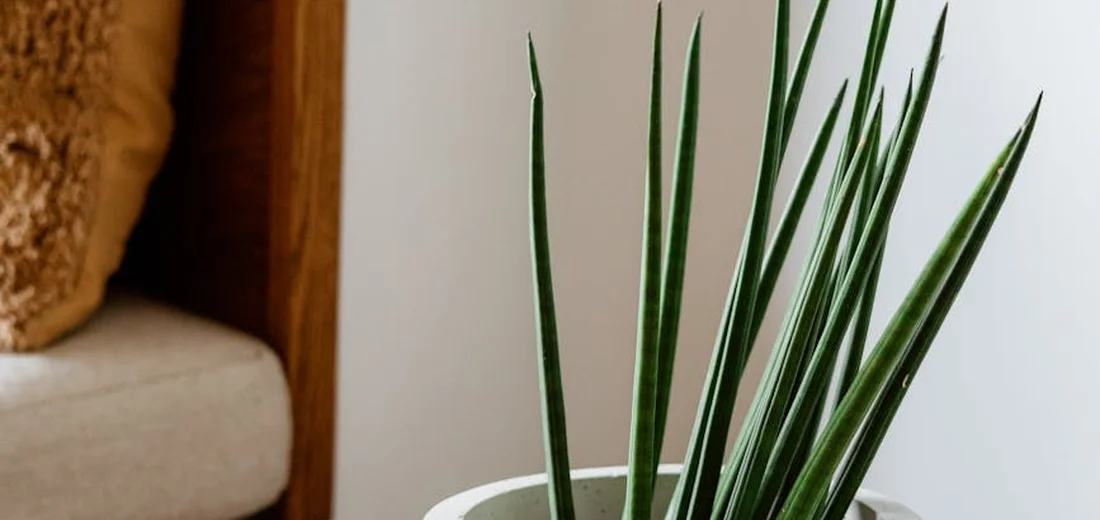
During the winter, your snake plant’s relationship with soil and food changes completely. The goal is to keep the roots from sitting in moisture, as cold, wet soil is a one-way ticket to root rot. I learned this the hard way after losing a beautiful Laurentii to soggy soil one particularly gloomy winter.
Your watering schedule needs to slow way down. Instead of watering on a set day, I now only water when the soil is completely dry all the way to the bottom of the pot. You can check this with a moisture meter or the good old-fashioned chopstick method-stick it in the soil, and if it comes out clean, it’s time for a drink.
My Winter Watering Routine
I’ve adapted my routine to the plant’s dormant state.
- Water deeply but infrequently, giving the plant a thorough soak only when needed.
- Always use room-temperature water to avoid shocking the roots.
- Ensure your pot has excellent drainage holes and never let the plant sit in a saucer of water.
When it comes to fertilizer, I give my snake plants a complete break. Feeding a dormant plant is like offering a heavy meal to someone who is asleep-it just sits there and can cause problems. The nutrients aren’t used and can build up in the soil, potentially burning the delicate roots.
The Right Soil Mix Matters
A well-draining potting mix is your best defense against winter woes. I make my own blend for extra insurance.
- Two parts standard potting soil
- One part perlite for aeration
- One part coarse sand or orchid bark for drainage
This chunky mix prevents water from pooling around the roots, which is crucial when the plant isn’t actively drinking.
Pest Monitoring and Disease Prevention
Winter doesn’t mean pests take a vacation. In fact, the dry air from our heating systems can create a perfect environment for certain bugs. My number one tip is to give your snake plant’s leaves a quick wipe-down with a damp cloth every few weeks. This simple act removes dust and lets you spot any unwanted visitors early.
I keep a particularly close eye out for mealybugs, which look like tiny bits of white fluff in the leaf crevices. Spider mites are another common culprit; they love dry conditions and can weave fine webs on your plant.
My Simple Pest Check Routine
- Inspect both the top and underside of the leaves under good light.
- Look for any sticky residue, webbing, or unusual spots.
- Check the base of the plant and the point where leaves emerge from the soil.
If you do find pests, don’t panic. I’ve successfully treated minor infestations with a simple solution of mild liquid soap and water sprayed directly onto the bugs. For more stubborn cases, neem oil is a fantastic, plant-safe option.
Preventing disease is mostly about avoiding overwatering, but good air circulation helps too. I make sure my plants aren’t crammed too close together, which allows air to move freely around the leaves and discourages fungal growth. A small fan set on low in the room can work wonders if your plant area feels stuffy.
Spotting Early Signs of Trouble
- Soft, mushy leaves at the base often signal root rot from overwatering.
- Brown, crispy tips can mean the air is too dry, or you’ve accidentally touched a cold window with the leaves.
- Yellowing leaves, especially if they’re soft, are a classic cry for help about too much water.
Common Winter Care Mistakes to Avoid
I’ve learned these lessons the hard way over many winters, so you don’t have to. The biggest threat to a snake plant in winter isn’t the cold itself, but how we change our care routines. Our helpful instincts often lead us astray. When it comes to fertilizing, timing matters for best results. Feed during the snake plant’s active growing season and skip fertilizer in winter.
Overwatering: The Silent Killer
This is, without a doubt, the number one cause of snake plant decline in winter. Your plant’s growth has slowed to a crawl, so its water needs plummet. Sticking to your summer watering schedule is a surefire way to cause root rot. I’ve lost a beautiful Laurentii this way, and the mushy, black base is a heartbreaking sight.
My method is simple. I don’t water on a schedule. Instead, I stick my finger deep into the soil, at least two inches down. If I feel any moisture at all, I walk away. In winter, I often go 4-6 weeks, sometimes longer, between waterings. The plant will tell you it’s thirsty long before it suffers any real damage.
Letting Leaves Get Wet and Cold
Watering in the evening or allowing water to sit in the crown of the plant is a recipe for trouble. Cold, wet leaves combined with chilly nighttime temperatures can invite fungal diseases and cause soft, mushy spots. I always water my snake plants in the morning with room-temperature water, aiming directly for the soil and avoiding the leaves, especially when watering after repotting.
Ignoring Drafts and Cold Spots
That beautiful window ledge or spot by the front door can become a death trap in winter. Snake plants hate sudden temperature drops more than they hate consistent coolness. I moved a plant away from a drafty window after noticing its leaves felt colder than the others. Feel your plant’s leaves occasionally; if they’re cold to the touch, it’s time to find a new spot.
Fertilizing During Dormancy
Your snake plant is essentially napping. Fertilizing a dormant plant is like forcing a sleeping person to eat a big meal-it can’t use the nutrients and the salts can burn its roots. I completely stop feeding my snake plants from late fall until early spring. They get all the energy they need from the light they receive.
- Quick Tip: When in doubt, don’t water. A thirsty snake plant is always better than a drowned one.
Handling Outdoor Snake Plants in Cold Months
If you’ve been giving your snake plant a summer vacation outdoors, it’s crucial to bring it in before the temperatures drop. Snake plants are tropical and cannot tolerate frost or even prolonged temperatures below 50°F (10°C). In practice, they do best when indoor temperatures stay around 60–85°F (15–29°C). Keeping them within this temperature range helps prevent stress and damage from cold snaps.
I follow a specific process to make this transition smooth and pest-free.
Step 1: Know Your Timing
Don’t wait for the first frost warning. I always bring my outdoor snake plants inside when nighttime temperatures consistently hover around 55°F (13°C). This gives them a buffer and time to acclimate to the indoor environment, especially since snake plants can’t survive harsh winter conditions.
Step 2: The Thorough Inspection and Pest Check
You do not want to bring outdoor pests inside to infest your other houseplants. I take my plant to a bright, isolated spot like a garage or porch. This fits an integrated pest management approach for indoor plants. Quarantine and monitor before reintroducing the plant, and use targeted, minimal treatments if needed.
- I inspect every single leaf, front and back, looking for bugs, eggs, or webbing.
- I wipe down each leaf with a soft cloth dampened with a mix of water and a few drops of mild dish soap.
- I check the soil surface and the drainage hole for any hitchhikers like pill bugs or ants.
Step 3: Gradual Acclimation to Lower Light
Moving a plant from bright, direct outdoor sun to a dim indoor spot can shock it. If possible, I gradually move the plant to a shadier spot outdoors for a week or two before the final move inside. This helps it get used to lower light levels without dropping leaves.
Once inside, place it in the brightest spot you have, like a south-facing window. It’s normal for the plant to go through a brief period of adjustment where it might not grow much. Just maintain your sparse winter watering and it will perk up.
- Quick Tip: A few weeks after bringing a plant inside, I give it a gentle tug. If it feels loose, it might have root rot from the outdoor-to-indoor transition stress. Check the roots and repot if necessary.
FAQs
How often should I water my snake plant in winter?
Water only when the soil is completely dry deep down, which may mean waiting 4-8 weeks between waterings.
What is the ideal indoor temperature for a snake plant in winter?
Keep your snake plant in rooms between 60°F and 80°F to avoid cold damage.
Can snake plants survive winter outdoors?
No, snake plants cannot tolerate frost or prolonged cold below 50°F and must be brought indoors for winter.
How do I adjust light for an indoor snake plant in winter?
Place it in a bright spot like a south-facing window to maximize limited natural light.
Should I fertilize my snake plant during winter?
No, avoid fertilizing in winter as the plant is dormant and cannot use the nutrients.
What are signs of overwatering a snake plant in winter?
Look for yellowing, mushy leaves or soft stems, which indicate root rot from too much water.
Your Snake Plant is Tougher Than Winter
With just a little mindfulness-watering less, keeping them warm, and providing bright light-your snake plant will cruise through the cold season without a fuss. The core winter care strategy is simple: less is more. In our snake plants indoors complete guide, you’ll find clear watering frequencies, seasonal tweaks, and the signs that tell you when to water next. This practical approach helps ensure healthy growth even through the cold months.
- Water only when soil is completely dry.
- Protect from drafts and cold windows.
- Maximize any available sunlight.
You’ve got this. Trust your instincts, trust your plant’s resilience, and give it the cozy, low-maintenance winter it deserves. Your snake plant is built to survive, and with your care, it will absolutely thrive. In our complete indoor snake plant care guide, you’ll learn about placement and simple maintenance to keep it healthy year-round. Explore practical tips on light, water, and routine care to support its growth.
Further Reading & Sources
- Snake Plant Care and Best Varieties
- Can snake plants live outside in the winter? – Quora
- Winter Care Guide for Snake Plant – Nursery Kart
- Your Snake Plant Needs Special Care in the Winter-What to Do Now So It Thrives Year-Round
Lena Greenfield is a passionate horticulturist and plant care expert with over 10 years of experience cultivating and nurturing hardy house plants. With a deep understanding of both indoor and outdoor gardening, Lena shares practical advice on choosing, caring for, and maintaining resilient plants that flourish year-round. Through her knowledge and hands-on approach, Lena helps plant lovers transform their spaces into vibrant, green sanctuaries, no matter their gardening experience.
Light and Temperature