
Can You Grow Succulents in Water? A Hydroponic Guide
Published on: September 2, 2026 | Last Updated: September 2, 2026
Written By: Lena Greenfield
You absolutely can grow many succulents in water, and I’ve done it successfully for years with my own plant collection. The biggest worry is usually root rot, but a water-based setup, when done correctly, can actually help you avoid that common soil-based problem.
In this guide, I’ll walk you through which succulents work best, how to transition a plant from soil to water, my simple step-by-step setup, and the long-term care that keeps them thriving.
Hydroponic Succulent Fundamentals
Growing succulents in water feels like a magic trick, but it works because these plants are survivors. Their roots will adapt to a water environment, growing thinner and more feathery compared to their soil-grown counterparts. I’ve successfully kept echeverias and a jade plant in water for over a year, and watching the root systems evolve is fascinating.
This method eliminates the most common killer of succulents: overwatering in dense, soggy soil. In a hydroponic setup, the roots get constant access to moisture and oxygen. You’re essentially giving the plant a direct, controlled drink without the risk of root rot from waterlogged dirt. It’s a cleaner, more forgiving way to grow, especially if you’re a chronic over-lover with a watering can. To avoid common succulent watering mistakes, keep a steady, regular schedule and monitor moisture rather than guessing. Even in hydroponics, consistency is key to prevent those missteps.
Starting Your Hydroponic Succulents
-
Choosing the Right Cutting or Plant
Your success begins with a healthy starting point. Look for a succulent with a sturdy stem and plump, firm leaves that show no signs of squishiness or discoloration. I’ve had the best luck with stemmed varieties like echeveria, graptopetalum, and certain sedums. Leaf propagations can work, but they take much longer to develop substantial roots for a water setup. Avoid any plant that looks sickly or stressed; it won’t have the energy to adapt.
-
Preparing the Plant for Water
If you’re using a cutting from a garden or a friend’s plant, this step is non-negotiable. You must let the cut end dry out and form a callus before it touches water. I lay my cuttings on a paper towel in a bright spot (out of direct sun) for 2-3 days. This sealed end acts like a scab, preventing the stem from absorbing too much water and rotting immediately. For a store-bought plant, gently wash all the soil from the roots. Be patient and rinse them under a gentle stream of lukewarm water until they are completely clean.
-
Selecting Your Container and Setup
You don’t need fancy equipment. A simple glass jar, vase, or even a cleaned-out spice jar works perfectly. The key is to choose a container where the plant can be suspended above the water, with only the very bottom of the stem or roots submerged. I use narrow-necked bottles or place a piece of plastic wrap with a hole poked in it over a wider jar to hold the plant in place. The roots need to breathe, so they shouldn’t be fully immersed. Clear glass is my favorite because it lets you monitor root growth and water clarity.
-
The Initial Watering and Placement
Fill your container with enough water to just kiss the base of the stem or the tips of the cleaned roots. Use room-temperature distilled or filtered water to avoid mineral buildup that can stain the glass and stress the plant. For bottom watering, you can place the pot in a shallow tray of water until the soil wicks up what it needs. This is a core technique you’ll find detailed in our bottom watering techniques complete guide. Place your new hydroponic succulent in a spot with plenty of bright, indirect light. A south or east-facing windowsill is ideal. Avoid harsh, direct afternoon sun, which can scorch the leaves, especially while the plant is adjusting to its new home.
Essential Care for Water-Grown Succulents

Lighting and Placement
I keep my water-propagation station on a bright windowsill that gets plenty of indirect light all day. Succulents in water still crave bright light to stay compact and colorful, but direct sun through a glass vase can superheat the water and essentially cook the roots. Understanding the light requirements for different succulents can help you choose the best spot for them. Think of a bright spot where you’d comfortably read a book without needing sunglasses.
In my experience, an east-facing window is perfect, providing that gentle morning sun. If you only have a south or west window, pull the vase back a foot or two from the glass or use a sheer curtain as a filter. I rotate my jars a quarter-turn every time I change the water to ensure every side of the plant gets its fair share of light and grows evenly.
Water and Nutrient Management
Your biggest job here is managing the water. I use plain, room-temperature tap water that I’ve let sit out for a day to allow the chlorine to evaporate. Change the water completely every one to two weeks to prevent stagnation and bacterial slime. This is non-negotiable for healthy roots.
When it comes to food, less is definitely more. I add a single drop of a balanced, water-soluble fertilizer to a full liter of water only once a month during the spring and summer. Over-fertilizing in a water system will burn those delicate new roots and can lead to a nasty algae bloom. In the fall and winter, I skip fertilizer entirely and let the plants rest.
Aeration and Root Health
Healthy roots need oxygen, which is why the setup of your vase matters. I always choose a container with a narrow neck or use a piece of craft mesh to suspend the plant so only the very bottom of the stem touches the water. This gap allows the crucial root crown and most of the roots to breathe, preventing them from drowning.
When you change the water, take a moment to inspect the roots. They should be white or light tan and feel firm. Here’s my quick root health checklist:
- Rinse the roots gently with room-temperature water to wash off any slippery film.
- Use clean, sharp scissors to snip off any brown, mushy, or slimy roots.
- If you see algae starting to form on the glass, give it a good scrub with hot water and a bottle brush.
A clean vase and healthy roots are your best defense against rot. I find this little monthly check-in keeps everything thriving.
Troubleshooting Common Hydroponic Issues
Even with the best care, you might run into a couple of problems. I certainly have.
If you see green algae coating the inside of your vase, it’s getting too much light. Move it to a slightly shadier spot and be diligent about changing the water weekly. A quick tip: opaque or tinted glass jars can significantly slow down algae growth.
Mushy, translucent leaves are a classic sign of rot, usually from the stem being submerged too deep. Act fast by pulling the plant out, cutting off all mushy parts above the rot, letting the cut end callus over for a few days, and then starting fresh in a clean vase with new water.
If your succulent is getting tall, pale, and stretched out (a condition called etiolation), it’s desperately searching for more light. Gradually move it to a brighter location. Leggy growth won’t reverse, but new growth will be compact if the light is sufficient. To fix and prevent etiolation, provide consistent bright light. If needed, use a grow light and rotate the plant for even exposure.
Best Succulent Varieties for Hydroponics
Through lots of trial and error, I’ve found that some succulents adapt to water life far better than others. You want varieties that root easily and aren’t prone to dramatic rot. That naturally leads to the question: water vs soil propagation—what’s better? In my experience, some succulents root readily in water, while others do best in well-draining soil.
My absolute top performers, the ones I recommend to everyone starting out, are:
- Echeverias: They form beautiful, rose-like shapes and send out roots reliably. Just be sure to keep the lovely rosette high and dry.
- Haworthias (like the Zebra Plant): These are tough, adaptable, and their chunky roots seem to love the hydroponic environment.
- Sedums (especially Burro’s Tail): I’ve had great success popping individual leaves or strands into water. They root quickly and are very forgiving.
- Christmas Cactus: While not a true succulent in the same way, its water roots are impressive and it thrives in this setup, often blooming on schedule.
I’d advise avoiding jades and other crassulas in pure water; in my experiments, they tend to become mushy and rot rather than forming stable roots. Start with the easy winners to build your confidence.
Hydroponic System Options for Your Home
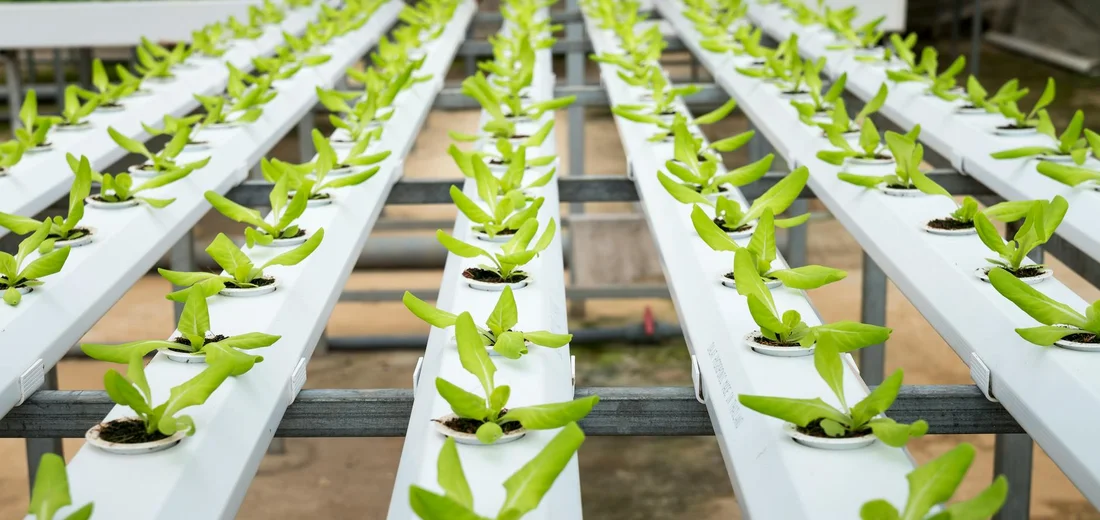
You don’t need a fancy lab to grow succulents in water. I’ve had great success with simple, low-cost setups you can assemble in an afternoon. Water-based setups translate well to water succulents terrariums. They make elegant, low-maintenance displays. Let’s explore the methods that work best for these desert natives.
Passive Water Culture (The Easiest Method)
This is my go-to method for beginners. It’s exactly what it sounds like-the plant’s roots dangle in the water with no moving parts.
- What You Need: A glass jar, vase, or bottle and some way to suspend the plant.
- How to Set It Up: I place my succulent cutting on top of a narrow-necked bottle so its stem hovers above the water. For wider containers, I create a support system using plastic wrap with a hole poked in the center or a small piece of craft mesh.
- My Experience: This method is foolproof for monitoring root growth. You can see everything, which makes it incredibly satisfying and easy to spot any issues early.
Deep Water Culture (DWC)
This is a step up that provides more oxygen to the roots, which succulents appreciate.
- What You Need: A container, a lid (like a net pot lid), an air pump, an air stone, and airline tubing.
- How to Set It Up: The succulent sits in the net pot, its roots submerged in the nutrient solution below. The air pump and stone constantly bubble air into the water.
- My Experience: I find my succulents in DWC grow slightly faster. The constant oxygenation prevents root rot, which is the biggest killer of hydroponic plants. The gentle bubbling is also quite peaceful!
The Wick System (The Low-Maintenance Choice)
If you’re a forgetful waterer, this system is for you. It draws moisture up to the plant as needed.
- What You Need: Two containers (one for water, one for the plant), and a wick-I often use a nylon rope or a strip of felt.
- How to Set It Up: Place one end of the wick in the water reservoir and the other end in the growing medium (like LECA clay pebbles) surrounding your succulent’s roots.
- My Experience: This is fantastic for when I travel. The plant sips water at its own pace, preventing both drought and drowning. It’s a true “set it and forget it” system for weeks at a time.
Long-Term Hydroponic Success and Maintenance
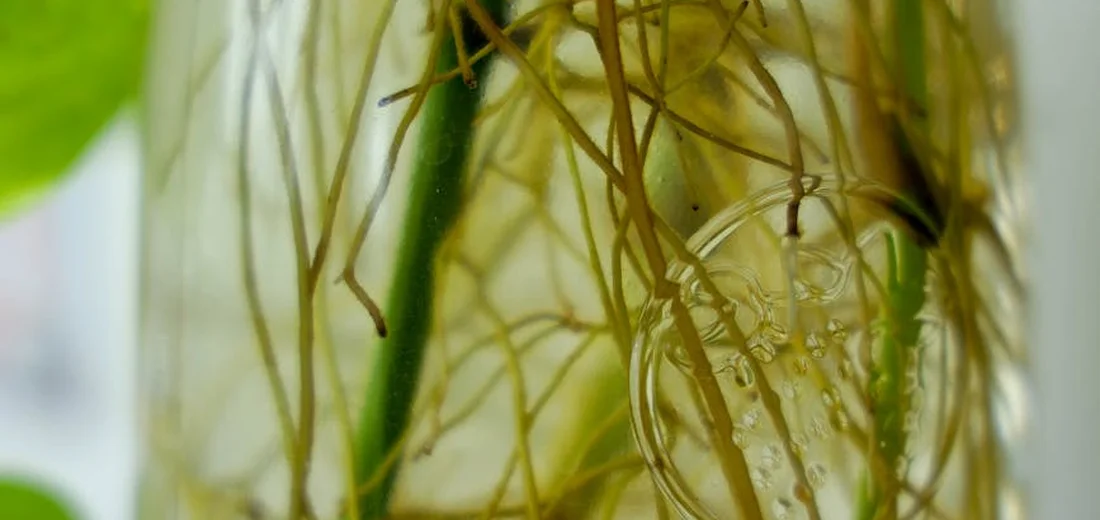
Getting your succulent started is one thing; keeping it thriving is another. Consistent, simple care is the secret to long-term hydroponic happiness. Here’s my routine.
Water and Nutrient Management
This is the most critical part of the process. You can’t just use tap water and hope for the best.
- Change the Water Regularly: I refresh the water in my passive and DWC systems every two to three weeks. This prevents the buildup of algae and bacteria.
- Use the Right Nutrients: Plain water lacks the minerals succulents need. I use a diluted, balanced hydroponic nutrient solution. A common mistake is using full-strength fertilizer, which can “burn” the delicate water roots. I start with a quarter-strength dose.
- Mind the Water Level: Never let the water touch the base of the plant itself-only the roots. I always leave a small air gap between the water and the plant’s stem to prevent rot.
Lighting and Environment
Just because they’re in water doesn’t mean their light needs change.
- Bright, Indirect Light is Key: I place my hydroponic succulents in the same bright spot as my potted ones. A south or east-facing window is perfect.
- Watch for Algae: Clear containers exposed to light will grow algae. It’s mostly harmless but looks unsightly. To combat algae, I simply wrap the glass in foil or use a colored vase to block light from the roots.
- Keep Them Comfortable: Succulents enjoy the same room temperatures we do. Avoid placing them in drafty spots or right next to heating vents.
FAQs
What is a hydroponic succulent?
A hydroponic succulent is a succulent grown without soil in a water-based system where roots absorb nutrients directly from the water.
What nutrients do hydroponic succulents need?
Hydroponic succulents need a balanced, water-soluble fertilizer diluted to quarter-strength to avoid root burn.
How often should you feed hydroponic succulents?
Feed hydroponic succulents with a diluted nutrient solution once a month during the spring and summer only.
How much light do hydroponic succulents require?
Hydroponic succulents require bright, indirect light for 6-8 hours daily to prevent etiolation or scorching.
What is the best substrate for hydroponic succulents?
The best substrate for hydroponic succulents is an inert medium like LECA clay pebbles in wick systems, or no substrate in pure water culture. Compared with organic soils, inorganic media provide little to no nutrient reserve, so all nutrients must be supplied via the solution. This is a key point in the organic vs inorganic soil components discussion for succulents—drainage and salt management often favor inorganic options in controlled systems.
How do you propagate succulents hydroponically?
Propagate succulents hydroponically by taking a healthy cutting, allowing it to callus for 2-3 days, then placing it in water with only the base submerged. You can also propagate succulents from leaf cuttings by detaching a healthy leaf, letting the cut end callus, and placing the leaf on a damp, well-draining medium (or in a shallow water setup) until roots form.
Ready to Grow Your Succulents in Water?
Based on my years of nurturing succulents, you can successfully grow them in water by focusing on clean water, proper light, and vigilant root care. This method taps into the basic requirements that succulents need to thrive, such as clean water and proper light.
- Start with healthy cuttings and use filtered or distilled water.
- Place them in bright, indirect light and change the water every 1-2 weeks.
- Watch for root rot and adjust care if leaves show distress.
Now that you have the basics, I’m excited for you to experiment and see your succulents thrive in their new aquatic home—you’ve got this! Keep an eye out for signs your propagation is successful: tiny roots, plump leaves, and steady new growth. With patience, you’ll notice more color and a sturdier plant as roots establish and thrive.
Further Reading & Sources
- Succulent Hydroponics: Growing Succulents in Water | THE NEXT GARDENER – Thenextgardener
- r/succulents on Reddit: Hydroponics of Succulents(254days,LED Only)
- Hydroponic succulents: How to grow and care for succulents in water?
- How To Grow Succulents In Water
Lena Greenfield is a passionate horticulturist and plant care expert with over 10 years of experience cultivating and nurturing hardy house plants. With a deep understanding of both indoor and outdoor gardening, Lena shares practical advice on choosing, caring for, and maintaining resilient plants that flourish year-round. Through her knowledge and hands-on approach, Lena helps plant lovers transform their spaces into vibrant, green sanctuaries, no matter their gardening experience.
Watering Techniques