
Can Succulents Thrive in Bathroom Humidity? Your Questions Answered
Published on: September 17, 2026 | Last Updated: September 17, 2026
Written By: Lena Greenfield
You might be wondering if it’s possible to keep succulents happy in your bathroom, where steamy showers create a humid environment that seems opposite to their desert origins. I’ve successfully grown succulents in bathrooms for years, and with a few adjustments, many types can not only survive but flourish there.
In this article, I’ll share my hands-on advice and cover how bathroom humidity impacts succulents, which varieties handle moisture best, and easy care tweaks for a healthy plant.
Understanding Bathroom Humidity Levels
Bathroom humidity isn’t just a steamy mirror after a hot shower; it’s the amount of invisible water vapor hanging in the air. This invisible moisture directly impacts how your plants breathe and drink.
What Humidity Means for Plant Health
Plants absorb water through their roots and release it through tiny pores in their leaves, a process called transpiration. High humidity slows this down dramatically because the air is already saturated. I’ve seen many new plant parents panic when a succulent in a humid room stops growing, not realizing the air itself is putting the brakes on. That light airflow helps prevent succulent diseases by keeping leaf surfaces dry. A gentle breeze or small fan can keep air moving and reduce humidity around the plant.
Think of it like trying to dry a wet towel in a already damp room-it just takes forever. For a plant that’s built to conserve every drop, a constantly damp environment is confusing and stressful.
Ideal Humidity Ranges for Most Succulents
Most succulents, like my collection of Echeverias and Haworthias, prefer a dry climate. Their sweet spot is between 30% and 50% humidity. Temperature and humidity for succulents also play a key role in health; aim for daytime temps around 65-80°F (18-27°C) and guard against cold drafts. Maintaining steady warmth supports healthy succulents alongside the right humidity. For more detailed information, check out this guide on temperature and humidity for succulents.
- Below 30%: Generally fine, as they are drought-tolerant.
- 40%-50%: The perfect comfortable range for steady growth.
- Above 60%: The danger zone where problems like rot can begin.
For context, a steamy bathroom can easily hit 80-90% humidity and stay elevated for hours. Quick tip: A simple digital hygrometer, which costs less than a coffee, will tell you exactly what you’re working with in your bathroom.
How High Humidity Impacts Succulent Growth
High humidity doesn’t just make your succulent uncomfortable; it actively works against its survival instincts. The plant stops pulling water from the soil because it can’t release any into the air, leaving its roots sitting in wetness. I learned this the hard way with a beautiful Jade plant that developed soft, yellow leaves after being in a guest bathroom for a few months. Recognizing seasonal stress signs in succulents helps you respond quickly to changing conditions. When you see signs like yellowing leaves or soft texture, adjust watering and light to protect the plant.
This environment also invites fungal spores to settle and multiply on damp soil and leaves. Essentially, you’re forcing a desert plant to live in a tropical rainforest, and it will eventually protest.
Signs Your Succulent is Struggling with Moisture
Your succulent will tell you it’s unhappy long before it’s too late. Watch for these clear signals:
- Translucent or Yellowing Leaves: The leaves become see-through and squishy, a condition often called edema, where cells burst from too much water.
- Black or Brown Mushy Spots: This is often the start of rot, beginning at the base or on lower leaves touching damp soil.
- Dropping Healthy Leaves: The plant might shed plump, otherwise good leaves in an attempt to reduce its surface area and water content.
- A White, Fuzzy Coating: This is powdery mildew, a direct result of stagnant, moist air on the foliage.
If you see any of these, move your plant to a brighter, airier spot immediately.
Preventing Mold and Root Rot
Prevention is always easier than cure. Here’s my battle-tested strategy for keeping mold and rot at bay in a humid room.
- Maximize Airflow: Run the bathroom fan during and for at least 30 minutes after a shower. A small, oscillating fan pointed away from the plant can also work wonders to keep air moving.
- Use a Gritty, Fast-Draining Soil: I mix my standard succulent soil with equal parts perlite and coarse sand. This creates air pockets and ensures water flows through instantly, never pooling around the roots.
- Water Deeply but Infrequently: Only water when the soil is completely bone-dry. In a humid bathroom, this might mean watering only once a month or even less.
- Choose the Right Pot: Always use a pot with a drainage hole. Terracotta pots are my top choice because the porous clay pulls moisture away from the soil.
A sprinkle of cinnamon powder on the soil surface is a fantastic natural fungicide I use to discourage mold growth.
Best Succulents for Bathroom Conditions
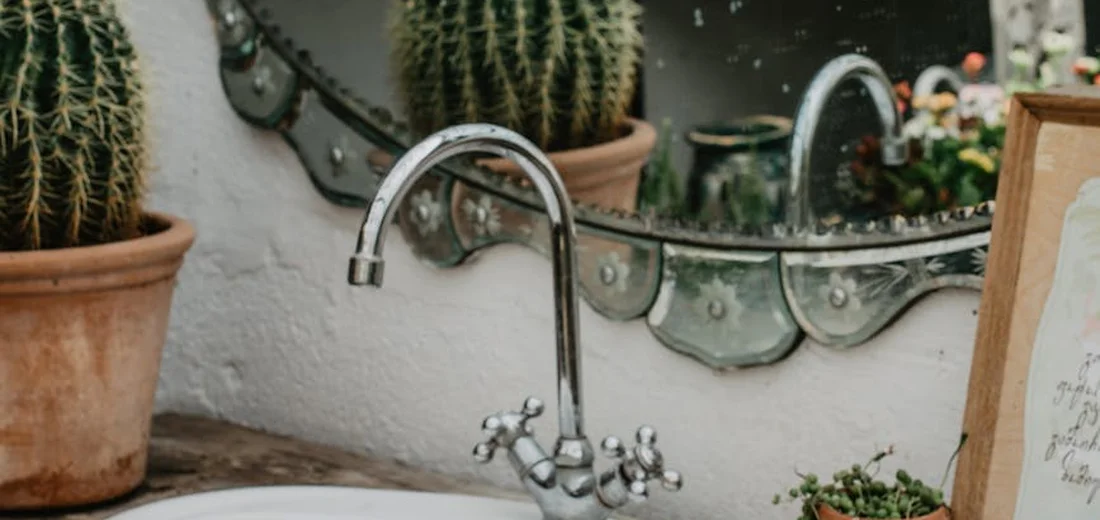
Top Picks for Low-Light, High-Humidity Spaces
I’ve tested many succulents in my own bathroom over the years, and a select few consistently outperform the rest. These champions are naturally more tolerant of the lower light and higher moisture levels found in most bathrooms. My top recommendations are the ones I’ve personally seen thrive where others have failed. These hardy types also perform well in other dim rooms around the house. If you’re after the best low-light succulents for dim spaces, these varieties consistently deliver.
- Snake Plant (Sansevieria): This is my number one pick. I have a ‘Moonshine’ variety that has been happily living in my windowless, en-suite bathroom for over two years, growing slowly but steadily.
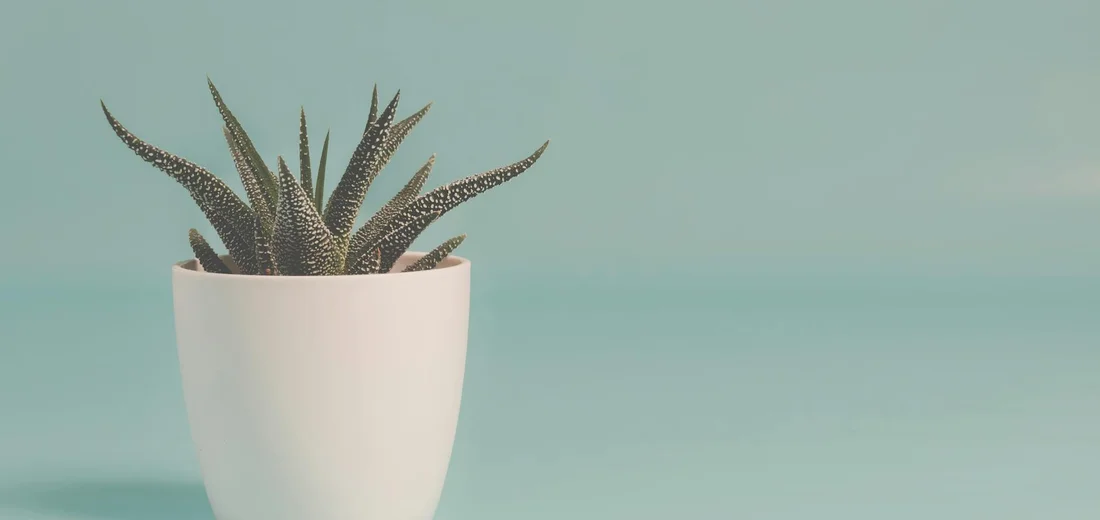
- Zebra Haworthia (Haworthiopsis attenuata): With its striking striped pattern, this little succulent handles humidity surprisingly well. It’s a slow grower, so it won’t outgrow a small space quickly.
- ZZ Plant (Zamioculcas zamiifolia): While technically not a true succulent, its water-storing rhizomes give it succulent-like qualities. It’s practically indestructible in low-light, humid conditions.
- Gasteria: Often called “Ox Tongue” plants, their thick, textured leaves are built to handle less-than-ideal conditions. I find they are less prone to rot than some Echeverias.
- Ponytail Palm (Beaucarnea recurvata): Its bulbous trunk stores a tremendous amount of water, meaning you can forget to water it for weeks, and the bathroom humidity will help keep it content.
Care Requirements for Each Recommended Type
Choosing the right plant is only half the battle; knowing how to care for them is what leads to long-term success. Tailoring your care to each plant’s specific needs is the secret to keeping them healthy in a humid environment. Here’s a quick guide based on my experience.
- Snake Plant: Water only when the soil is completely dry, which could be every 3-6 weeks in a humid bathroom. It truly does not care about light levels, from bright indirect to a dim corner.
- Zebra Haworthia: Provide bright, indirect light if possible (like near a frosted window). Water deeply only when the soil is dry to the touch. Its plump leaves will tell you it’s happy.
- ZZ Plant: This plant thrives on neglect. Water it only when the soil is bone dry. It can survive in very low light, but a bit of indirect light will keep it growing.
- Gasteria: Prefers bright, indirect light but is tolerant of lower levels. Water when the soil has dried out completely. Be extra careful not to overwater.
- Ponytail Palm: Place it in the brightest spot you can. Water very sparingly, allowing the soil to dry out thoroughly between waterings. The bulbous base is your indicator of its water reserves.
Caring for Succulents in Humid Bathrooms
Optimizing Watering and Drainage
This is the most critical adjustment you’ll make for bathroom succulents. In a humid room, the soil takes much longer to dry out, so your watering schedule needs to slow down dramatically. This is one of the common succulent watering mistakes to avoid—overwatering in humid spaces. Water less, and always let the soil dry out between waterings. I learned this the hard way with a jade plant that developed root rot.
- Forget the Calendar: Do not water on a schedule. Always check the soil moisture first by sticking your finger an inch or two into the soil. If it feels at all damp, wait.
- The “Soak and Dry” Method: When you do water, do it thoroughly. Take the plant to a sink or shower and water it until it runs freely out of the drainage hole. Then, let it drain completely before returning it to its decorative pot or saucer.
- Potting Mix is Key: Use a very fast-draining cactus and succulent mix. I often make my own by adding extra perlite or pumice (about 50/50) to a standard succulent mix to ensure it doesn’t hold onto moisture.
- Never Let Them Sit in Water: This is a death sentence for succulents, especially in a humid room. Always empty the catch tray or outer pot after watering to prevent the roots from sitting in a puddle.
Enhancing Airflow and Light Exposure
Since you can’t change the fundamental humidity of a bathroom, you must focus on the factors you can control. Improving air circulation is a simple trick that can significantly reduce the risk of fungal issues and rot.
- Crack a Window: If your bathroom has a window, open it for a little while after a shower to let the steam escape and fresh air circulate.
- Use a Fan: Always run the exhaust fan during and for at least 20-30 minutes after a hot shower. This pulls the moist air out of the room.
- Give Them Space: Avoid crowding your plants together. Leaving space between pots allows air to move freely around the leaves and soil surface.
- Maximize Every Bit of Light: Place your succulents as close to the natural light source as possible, even if it’s just a small, frosted window. If your bathroom has no natural light, a simple grow light bulb in a regular lamp can be a game-changer. I use a small, clip-on grow light for my snake plant in the windowless bathroom, and it has made a noticeable difference in its vigor.
- Clean the Leaves: Gently wipe the leaves with a damp cloth every month or so. This removes dust and allows the plant to absorb more of the available light.
Troubleshooting Common Humidity-Related Problems
I’ve walked into my own bathroom to find a succulent looking a bit sad, and I know the struggle is real. If your bathroom succulent has soft, mushy leaves or a pale, translucent appearance, it’s often a sign of too much moisture. The plant is essentially drowning from the air around it.
Quick Fixes for Overly Damp Environments
You don’t need to give up on your bathroom succulent dream just yet. A few simple adjustments can make a world of difference.
- Boost Airflow: After a shower, I always open a window or turn on the exhaust fan for at least 30 minutes. This simple step pushes the steamy air out and brings in drier air, giving your plant a break.
- Check Your Soil Mix: The bagged succulent soil from the store often holds too much water for a humid room. I mix in extra perlite or pumice-sometimes up to 50% of the total mix-to create a super-fast-draining environment for the roots.
- Reposition the Plant: Move your succulent away from the direct line of the shower spray. Placing it on a shelf across the room or on a windowsill can drastically reduce the amount of moisture it encounters.
- Water Less, and I Mean Less: In a humid bathroom, the soil takes forever to dry out. I wait until the soil is completely dry all the way to the bottom of the pot, and then I wait another few days before giving it a thorough drink.
- Use a Moisture Meter: This $10 tool took the guesswork out of watering for me. It tells you exactly how wet the soil is deep down, so you never accidentally water a damp plant.
For a quick rescue of a plant showing early signs of rot, unpot it, brush away the wet soil, and let the roots air dry for a day before repotting in fresh, dry mix. A light sprinkle of cinnamon on the roots can also help prevent fungal issues-it’s a neat little trick I’ve used for years.
Alternatives if Succulents Aren’t Thriving
Sometimes, even with your best efforts, a particular bathroom is just too steamy for most succulents. If you’ve tried the fixes and your plant is still struggling, it’s okay to pivot! Switching to plants that naturally love humidity can turn a frustrating situation into a lush, green victory.
I’ve had incredible success with these humidity-loving alternatives in my own home:
- Snake Plant (Sansevieria): This is my top pick. It has the sculptural, modern look of a succulent but is far more tolerant of humidity and lower light. It’s practically indestructible.
- ZZ Plant (Zamioculcas zamiifolia): With its glossy, dark green leaves, the ZZ plant thrives on neglect and handles bathroom conditions with ease. It’s a stunning, low-drama option.
- Pothos: This classic trailing plant grows vigorously in bathroom humidity. You can find varieties with beautiful marbled or golden leaves that brighten up any space.
- Air Plants (Tillandsia): They absorb all their water and nutrients from the air, making them perfect for a humid environment. Just mist them once a week or give them a quick soak.
- Peperomia: Many types, like the Watermelon Peperomia, have succulent-like leaves but actually prefer the consistent moisture found in a bathroom.
Remember, choosing a plant that matches your actual environment is a sign of a smart gardener, not a failed one. You can always keep your sun-loving succulents in other, brighter rooms and create a separate, steamy jungle oasis in your bathroom. If you’re looking for plants that thrive in humid environments, consider some tropical succulent varieties that can handle the moisture.
FAQs
Can succulents survive in a bathroom with no natural light?
Yes, some low-light tolerant varieties like snake plants can survive, but they may grow slower without supplemental light. If you’re wondering which snake plant varieties for low light are best, look for cultivars such as Sansevieria trifasciata ‘Laurentii’ and Sansevieria trifasciata ‘Moonshine’ that perform well in dim rooms. Choosing the right variety can help maintain color and encourage steady growth with minimal light.
How often should I water succulents in a humid bathroom?
Water only when the soil is completely dry, which could be as infrequently as once a month.
What are the best succulent types for a steamy bathroom?
Snake plants, Zebra Haworthia, and ZZ plants handle bathroom humidity better than most succulents.
Why are my succulent’s leaves turning yellow in the bathroom?
Yellow leaves often indicate overwatering or high humidity causing the plant to absorb too much moisture.
How can I improve conditions for succulents in a humid bathroom?
Increase airflow with a fan and use fast-draining soil to reduce moisture-related risks.
What should I do if my bathroom succulent shows signs of rot?
Move it to a drier, brighter spot immediately and repot in fresh, dry soil if necessary.
Your Succulent Bathroom Journey Starts Now
From my years of growing succulents, I can assure you that with smart plant choices and adjusted care, these resilient plants can handle bathroom humidity beautifully. Do succulents thrive in humid bathrooms? They can, provided you choose drought-tolerant varieties and give them bright light, well-draining soil, and mindful watering. Remember these core tips:
- Pick humidity-tolerant varieties like Snake Plants or Haworthias.
- Boost air flow and use well-draining soil to prevent moisture issues.
- Water only when the soil is completely dry to the touch.
You have all the tools to create a happy home for your succulents, even in steamy spaces. Trust your observations, tweak your routine as needed, and watch your green friends flourish—you’re more than ready to nurture them with confidence! This is your complete guide to growing outdoor succulents indoors, helping you translate outdoor sun and airflow into a thriving indoor setup.
Further Reading & Sources
- 10 Best Bathroom Plants That Absorb Moisture & Freshen Air – Planters Etc
- r/succulents on Reddit: Humidity and succulents?
- r/succulents on Reddit: Succulents in bathrooms
- How Humidity Affects Your Succulents: A Guide for Healthy Growth – Succulents Box
Lena Greenfield is a passionate horticulturist and plant care expert with over 10 years of experience cultivating and nurturing hardy house plants. With a deep understanding of both indoor and outdoor gardening, Lena shares practical advice on choosing, caring for, and maintaining resilient plants that flourish year-round. Through her knowledge and hands-on approach, Lena helps plant lovers transform their spaces into vibrant, green sanctuaries, no matter their gardening experience.
Watering Practices