
How Long Can Succulents Go Without Water?
Published on: September 26, 2026 | Last Updated: September 26, 2026
Written By: Lena Greenfield
You can relax-most healthy succulents can easily survive for two to three weeks without a single drop of water, and some hardy types can go for months. I know you’re probably worried about your plants while you’re on vacation or just have a busy schedule, but these plants are true survivors.
In my years of collecting, I’ve left my succulents for weeks and returned to find them perfectly happy. I’ll walk you through everything you need to know, including: typical survival timelines, clear signs your plant is thirsty, and the key factors that affect how long they can last.
The Amazing Drought Tolerance of Succulents
Succulents are like tiny, living water reservoirs. They store moisture in their fleshy leaves, thick stems, and even their root systems, creating a personal supply to tap into during dry spells. When you give one a deep drink, it doesn’t just use the water right away-it hoards it for later.
Their physical adaptations are incredible feats of evolution. Many have a waxy, powdery coating on their leaves called farina, which helps shield them from sunburn and reduces water loss. Others have swapped traditional leaves for spines, dramatically cutting down on surface area from which moisture can evaporate. They even breathe differently, opening their pores only at night to take in carbon dioxide, which prevents them from losing precious water vapor during the hot, sunny day.
From my own collection, I’ve seen this resilience firsthand. I once forgot a small pot of Sempervivum on a sunny, sheltered patio for nearly ten weeks. When I finally remembered it, the outer leaves were papery and crisp, but the central rosette was still faintly green and firm. After a thorough soak, it plumped back up and started growing again within a month, proving just how tenacious these plants can be.
Key Factors That Determine Survival Time
Not all succulents are created equal when it comes to thirst. The length of time a succulent can go without water depends on a dynamic mix of its biology and its environment.
- Species Type: A plump Jade Plant can often outlast a thin-leaved String of Pearls.
- Plant Age & Size: A large, mature succulent has more water storage capacity than a tiny, newly propagated pup.
- Root System Health: A strong, established root network is better at absorbing every last drop of moisture from the soil.
- Climate & Temperature: Hot, dry, and windy conditions will dry a plant out much faster than a cool, humid one.
- Sun Exposure: A succulent in direct, all-day sun will use its water reserves more quickly than one in bright, indirect light.
- Pot Size & Material: A small, shallow terracotta pot dries out in a flash, while a large, deep plastic pot holds moisture for much longer.
- Soil Mix: This is a huge one. A fast-draining, gritty mix mimics their natural habitat and prevents soggy roots, while dense, moisture-retentive potting soil can be a death sentence.
Indoor Versus Outdoor Growing Conditions
Where you keep your plant makes a world of difference. My indoor succulents often need water every 3-4 weeks because they live in a stable, climate-controlled environment with consistent, indirect light. They aren’t battling harsh sun or drying winds, so their water consumption is slower and more predictable. Outdoor succulents, by contrast, may need more frequent watering in hot, sunny weather. Knowing whether a plant lives indoors or outdoors helps tailor its watering schedule.
Outdoor succulents have a much wilder life. Plants living on a sunny balcony or in a garden bed are exposed to full sun, rain, and wind, which can cause their soil to dry out in just a week or two during a heatwave. You have to watch them more closely and be ready to adjust your care based on the weekly forecast. During hot summer months, water deeply but infrequently, letting the soil dry between waterings. If possible, provide some shade during the hottest part of the day to protect the plants.
Seasonal Watering and Dormancy Periods
Succulents have active growing seasons and sleepy dormant periods, just like trees. During the winter, most succulents slow their growth to a crawl and need significantly less water, sometimes going 6-8 weeks between drinks. Knowing how often to water succulents in winter vs summer can help you avoid overwatering, which is one of the easiest ways to harm a dormant plant.
When spring arrives and you see new, bright green growth emerging from the center, it’s their signal that they’re waking up. This is your cue to gradually increase watering frequency, matching their renewed thirst for the growing season ahead. I always do the “finger test” before watering, no matter the time of year-if the soil is bone dry an inch or two down, it’s time for a drink.
Signs Your Succulent Needs Water Now
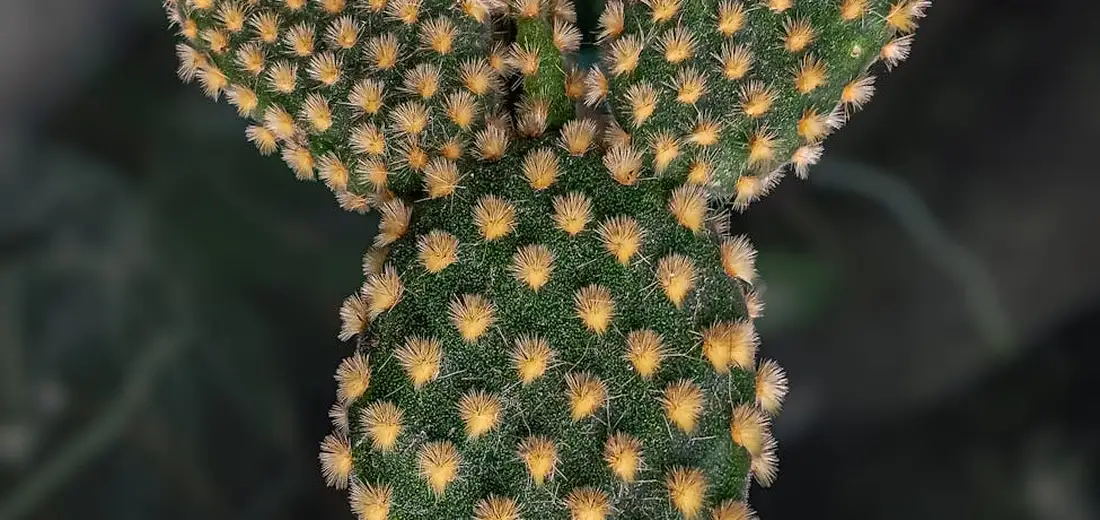
After years of nurturing my own collection, I’ve learned to spot a thirsty succulent from across the room. Catching these signs early is the single best way to prevent long-term damage and keep your plant thriving. Learn to read the tell-tale signs of thirst—wrinkled or shriveled leaves and a slight withering that tells you it’s time to water. Conversely, mushy, translucent leaves warn of overwatering.
-
Identify visual cues like leaf shrinkage, wilting, or color changes.
Look for leaves that are no longer plump and firm. They will start to feel soft, look slightly deflated, and may even wrinkle, like a raisin. A healthy, well-hydrated succulent leaf should feel taut and full of moisture, not squishy or bendable. You might also notice the lower, older leaves drying out completely and becoming crispy. Some succulents, like certain Echeverias, will also show a duller color when they’re thirsty, losing that vibrant glow.
-
Describe how to gently check soil moisture and root health.
Never just water on a schedule. I always do the “finger test.” Stick your finger about two inches into the soil. If it feels completely dry and you don’t detect any coolness or dampness, it’s time to water. For a less messy check, you can use a wooden chopstick. If the chopstick comes out clean and dry, your plant is ready for a drink. If you’re still unsure, gently tip the plant out of its pot to check the roots. Healthy, thirsty roots will be light in color and firm, not dark, mushy, or brittle.
-
Share my method for differentiating thirst from other stress signs.
This is where many plant parents get tripped up! Wrinkled leaves can look similar to the symptoms of overwatering. Here’s my simple trick: a thirsty plant has *wrinkled, thin, and often flexible* leaves. An overwatered plant has *soft, mushy, and often translucent* leaves that may fall off at the slightest touch. Think of it as the difference between a wrinkled prune (thirsty) and a waterlogged sponge (overwatered)-the texture tells you everything. If the stem is also black or squishy, that’s a sure sign of rot from too much water, not too little.
Top Succulent Species for Minimal Watering
If your life is busy or you’re just starting out, choosing the right succulent species makes all the difference. Some of these tough plants can handle a surprising amount of neglect and still look fantastic. For beginners, the best succulents are the top 10 easy-care varieties that thrive with minimal attention. These picks are ideal for busy homes and first-time plant owners.
- Jade Plant (Crassula ovata): This is a true champion of drought tolerance. With its thick, woody stems and plump leaves, my large Jade can easily go 4-6 weeks without water, especially in the winter. It’s incredibly forgiving.
- Echeveria: Known for their beautiful rosette shapes, many Echeverias are quite hardy. They typically need water every 3-4 weeks. I find they tell you they’re thirsty when their lower leaves start to be reabsorbed.
- Haworthia (like the Zebra Plant): These are perfect for lower-light conditions and are very drought-tolerant. My Haworthias are happy with a drink every 4-5 weeks. Their leaves will start to curl inwards and lose their deep green color when they need water.
- Snake Plant (Sansevieria): An almost indestructible choice. I’ve left my Snake Plant for over two months without water, and it didn’t bat an eye. It’s the ultimate low-maintenance plant.
- Aloe Vera: Another great healer and survivor. The plump leaves hold a lot of water, allowing it to last 3-5 weeks between thorough waterings. The leaves will feel less firm and may thin slightly when it’s time.
| Succulent Species | Estimated Weeks Without Water | Best For |
|---|---|---|
| Jade Plant | 4-6 weeks | Beginners, busy plant parents |
| Snake Plant | 6-8 weeks | Extremely low-maintenance, low-light areas |
| Echeveria | 3-4 weeks | Sunny spots, collectors |
| Haworthia | 4-5 weeks | Lower light, office desks |
| Aloe Vera | 3-5 weeks | Beginner-friendly, useful household plant |
For absolute beginners, I always recommend starting with a Snake Plant or a Jade Plant. They communicate their needs clearly and are very resilient, giving you a confidence boost as you learn the ropes of succulent care. Their ability to withstand occasional forgetfulness is truly remarkable. In our beginner’s complete guide to easy-care succulents, these picks are highlighted as ideal starters. They show how low-maintenance succulents can be.
Creating a Water-Efficient Care Routine
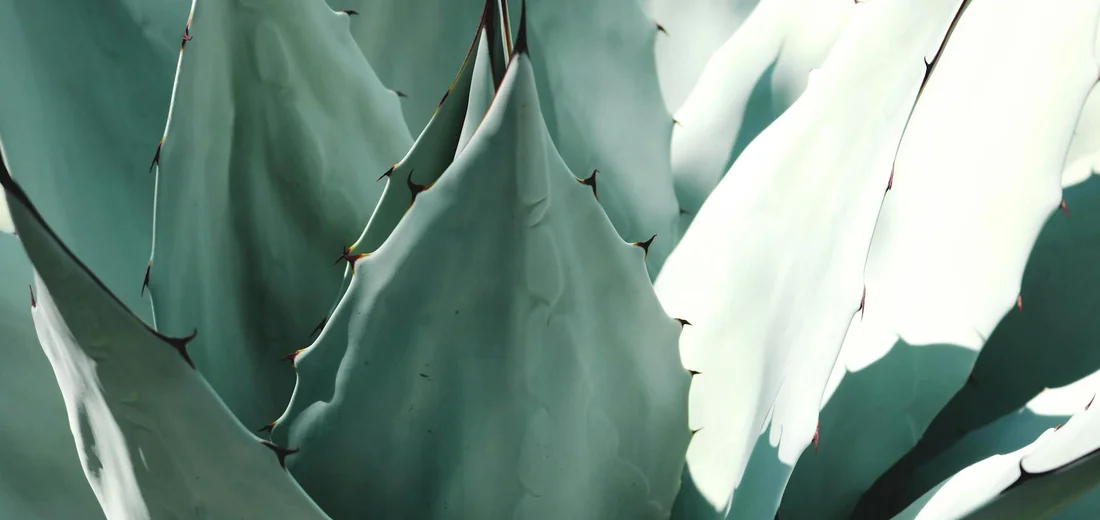
Over the years, I’ve learned that a proper watering routine isn’t about a rigid calendar; it’s about understanding your plant’s language. This approach builds resilient plants that can handle the occasional missed watering with grace.
Step-by-step guide to deep watering for strong root systems
- Check the soil first. Push your finger an inch or two into the potting mix. If it’s completely dry, it’s time for a drink.
- Take your succulent to the sink or use a watering can with a narrow spout. This lets you target the soil directly and avoid water sitting on the leaves.
- Water slowly and evenly around the entire base of the plant. Keep going until you see water freely running out of the drainage hole at the bottom.
- Let the pot drain completely in the sink before you return it to its saucer or decorative pot. Never let your succulent sit in a puddle of water.
Deep watering encourages roots to grow downward, creating a stable, robust plant that’s better at sourcing its own moisture. I’ve seen plants perk up visibly within hours after a good, thorough soak.
Tips for choosing well-draining soil and pots to prevent overwatering
Your choice of pot and soil is your first line of defense against overwatering. I made the mistake of using regular potting soil when I started, and I lost a few beautiful echeverias to root rot.
- Soil: Always use a succulent or cactus mix. I often make my own by mixing two parts of this specialty soil with one part perlite or coarse sand for extra grit and aeration.
- Pots: Terra cotta pots are my go-to. They are porous, which allows the soil to dry out more evenly and quickly than plastic or glazed ceramic. This simple switch was a game-changer for my collection’s health.
- Drainage: This is non-negotiable. Every single pot must have a drainage hole. If you fall in love with a pot without one, use it as a decorative cache pot and keep your plant in a plain plastic nursery pot inside it.
The right soil and pot combo acts like a life insurance policy for your succulent, protecting it from its biggest threat: soggy roots.
Advice on establishing a flexible schedule based on plant signals
Forget watering every Sunday. Your plant doesn’t know what day it is. Instead, learn to read its subtle cues.
- Leaf Feel: Gently squeeze a few lower leaves. A well-hydrated succulent’s leaf will feel firm and plump. If the leaves start to feel a bit soft or flexible, it’s asking for water.
- Visual Inspection: Look for slight wrinkling on the leaves, especially on varieties like Pachyphytum. The plant will also look less plump overall.
- Soil Dryness: The “finger test” is your best friend. Dry soil, plus soft or wrinkled leaves, equals a clear signal to water.
This responsive method means you might water every 10 days in the summer and only once a month in the winter. Your plant will tell you what it needs.
Propagating Succulents with Little Water
One of the most magical things about succulents is how you can create new plants from just a single leaf, and it requires almost no water at all. Many succulents store water in their leaves (and sometimes their stems), which helps them survive extended dry spells.
- Leaf Cuttings: Gently twist a healthy leaf from the stem. Let it sit out in a bright, dry spot for a few days until the broken end forms a callus. Then, just place it on top of dry succulent soil. Do not water. Wait until you see tiny pink roots and a new baby plant forming, which can take weeks. Only then, begin to lightly mist the soil around the new roots every few days.
- Pups or Offsets: Many succulents, like aloes and haworthias, grow little baby plants at their base. You can carefully separate these and pot them directly into dry soil. Wait a week before giving them their first tiny sip of water to allow any disturbed roots to heal.
I’ve propagated dozens of succulents on a sunny windowsill using this “neglect” method. My most successful story is a jade plant that started from a single leaf I found on the floor of a garden center. It’s now a thriving, large plant. The key is patience and resisting the urge to water too soon.
Handling Long Periods Without Water
Life happens, and sometimes you need to leave your plants for a while. The good news is that with a little prep, your succulents can handle your absence beautifully.
Provide travel tips for trips from days to months
- Weekend Trip (3-4 days): Do nothing. A healthy succulent will be perfectly fine. Just give it a good deep watering right before you leave.
- One to Two Weeks: Water deeply before you go and move all your plants away from direct, hot sun into a spot with bright, indirect light. This slows down their water consumption.
- One Month or Longer: For extended absences, I use the “plastic bag greenhouse” method for my most precious plants. Water them normally, let them drain, and then place a clear plastic bag loosely over the plant and pot, using stakes to keep the plastic from touching the leaves. This creates a humid micro-climate that drastically reduces water loss. Place them in bright, indirect light-never direct sun, or you’ll cook them.
Discuss using self-watering setups or natural humidity tricks
You don’t need fancy gadgets. A simple wicking system can work wonders.
- String Wick: Place one end of a cotton string deep into the soil of the pot and the other end in a jar of water placed slightly higher than the base of the pot. The soil will draw up moisture as it needs it.
- Water Tray: Group your plants together and place them on a large, shallow tray filled with a layer of pebbles and a little water. The evaporating water increases the local humidity around the plants, helping them stay hydrated longer. Ensure the pots are on the pebbles, not sitting directly in the water.
These low-tech solutions have saved my plants during several long summer vacations.
Include how to revive plants after extended drought upon return
Coming home to a shriveled succulent can be scary, but don’t give up hope. I’ve revived plants that looked like crispy ghosts.
- Assess the Damage: Check if the plant’s core (the center growth point) is still firm and has some color. If it’s mushy or completely dried to a crisp, it may be too late. But if the core is intact, there’s a chance.
- Rehydrate Slowly: Don’t flood it. Give the soil a thorough, deep watering and let it drain. Sometimes, that’s all it takes. The leaves should plump up over the next few days.
- For Severe Cases: If the plant is extremely dehydrated, you can try bottom-watering. Place the pot in a shallow tray of water for about 30 minutes. This allows the soil to soak up water evenly and gently, encouraging the roots to drink without shocking them.
Be patient-it can take a week or two for a severely dehydrated plant to show significant signs of recovery. Trim away any fully dead, papery leaves to help the plant focus its energy on new growth.
FAQs
What are succulents that survive with minimal water?
Jade Plants and Snake Plants are champion species known for surviving with very minimal watering.
Can succulents thrive indoors without regular watering?
Yes, many succulents thrive indoors where stable conditions allow them to go weeks between waterings.
Which succulent species require almost no watering?
Snake Plants are exceptionally hardy and can go for months without needing a drink.
What soil mix is best for water-conserving succulents?
A fast-draining, gritty mix of cactus soil with added perlite or coarse sand is ideal.
How do you detect underwatering vs overwatering in succulents?
Underwatered succulents have wrinkled, flexible leaves, while overwatered ones have soft, mushy, and often translucent leaves. If you’re wondering why succulent leaves are wrinkly, soft, or squishy, it’s usually due to improper watering. Adjusting your watering routine can help restore them to health.
Can you propagate succulents with minimal watering?
Yes, leaf and pup propagation requires almost no water until new roots and a baby plant have formed.
Your Succulent Survival Plan
In my years of growing succulents, I’ve found that they’re tough but thrive best with a simple, mindful routine—water deeply only when the soil is completely dry to prevent issues. For small mini succulents, which are often watered in tiny pots, the soil dries out quickly, so they may need watering a bit more frequently, but you should still water deeply only after the soil dries. Stick to this golden rule, and your plants will reward you with steady growth and vibrant health.
- Check soil moisture with your finger before each watering.
- Adjust for seasons-less in winter, more in active growth periods.
- Use pots with drainage holes and fast-draining soil mixes.
Now, go give your succulents the care they deserve, and watch them flourish under your confident touch. You’ve got the know-how to keep them happy, so enjoy every moment of your plant journey!
Further Reading & Sources
- How Often to Water Succulents Without Killing Them
- r/succulents on Reddit: HOW OFTEN DO YOU WATER YOUR INDOOR SUCCULENTS?
- How Often to Water Succulents | Kellogg Garden Organics™
- How to Water Succulent Plants | Succulents and Sunshine
Lena Greenfield is a passionate horticulturist and plant care expert with over 10 years of experience cultivating and nurturing hardy house plants. With a deep understanding of both indoor and outdoor gardening, Lena shares practical advice on choosing, caring for, and maintaining resilient plants that flourish year-round. Through her knowledge and hands-on approach, Lena helps plant lovers transform their spaces into vibrant, green sanctuaries, no matter their gardening experience.
Watering Practices