
Where Do Succulents Come From? A Guide to Their Native Regions
Published on: November 4, 2026 | Last Updated: November 4, 2026
Written By: Lena Greenfield
Succulents originally come from dry, sunny spots like deserts and rocky hillsides all over the world. If you’ve ever worried about why your succulent isn’t thriving, knowing its roots can solve mysteries like overwatering or poor light.
Drawing from my years of growing and studying these resilient plants, I’ll walk you through their diverse native habitats, unique survival adaptations, and simple ways to care for them based on their origins.
The Incredible Succulent Survival Story
I’ve always been amazed at how succulents don’t just survive; they thrive where other plants would wither in hours. Their entire anatomy is a masterclass in water conservation, from plump leaves that act as internal canteens to waxy coatings that seal in precious moisture. They’ve turned harsh, arid environments into their personal playgrounds.
One of their coolest tricks is a different way of breathing. Most plants open their pores during the day, but this lets too much water escape in the heat. Succulents use a method called Crassulacean Acid Metabolism (CAM), opening their pores only at night to take in carbon dioxide. This brilliant night-shift system allows them to keep their water reserves locked in during the scorching daytime sun, making them perfect to care for in the summer. I see this resilience firsthand when I forget to water my jade plant for a few weeks-it barely notices.
Their roots tell another part of the story. Many develop incredibly shallow, widespread root systems that sit just below the soil surface. This design is perfect for quickly slurping up every single drop of a rare desert rain before it evaporates. It’s a survival strategy I try to mimic by using pots with good drainage and giving my plants a thorough, deep watering rather than frequent sprinkles.
Succulent Hotspots: A Tour of Native Regions
- Deserts and Semi-Arid Regions of the Americas
- Africa, with a focus on South Africa and Namibia
- Madagascar and Arabia
- The Mediterranean Basin
The Americas: Cacti Kingdoms and Andean Heights
When people picture succulents, the iconic Saguaro cactus of the Sonoran Desert often comes to mind, and for good reason. The Americas are the undisputed home of the cactus family, with thousands of unique species adapted to life from the southwestern US down to the dry valleys of Chile. I find the variety here astounding, from the giant prickly pears to the tiny, hidden pincushion cacti.
But it’s not all about cacti! High in the Andes Mountains, other fascinating succulents have carved out a home. Genera like Oreocereus cacti grow thick, hairy coats to protect themselves from the intense high-altitude sun and freezing nighttime temperatures. This is a great reminder that ‘succulent habitat’ isn’t just about heat-it’s about any place where water is a precious, limited resource. Even some sedums and echeverias, common in our homes, trace their roots back to the rocky outcrops of Mexico.
Africa’s Arid Lands: A Succulent Treasure Trove
If the Americas rule the cactus world, then Africa is the epicenter for virtually every other type of succulent. South Africa and Namibia alone are home to an almost unbelievable diversity, including the otherworldly “living stones” (Lithops) that perfectly mimic the pebbles they grow amongst. I still get a thrill spotting these cleverly disguised plants in my collection.
The Karoo region in South Africa is a particular hotspot, giving us beloved houseplants like the aloe and the sprawling, trailing string of pearls (Senecio rowleyanus). Many of these African natives are perfectly adapted to periods of drought followed by heavy downpours, which is exactly the watering cycle I try to replicate on my windowsill. The sheer weirdness and beauty of stapeliads, with their starfish-shaped, often foul-smelling flowers, show just how creative evolution can be in these dry landscapes.
Other Unique Origins: From Madagascar to the Mediterranean
Madagascar, an island isolated for millions of years, became a laboratory for unique succulent evolution. This is the original home of the spiny, sculptural Pachypodiums and over half the world’s species of Aloe, including the popular Aloe vera. The island’s varied microclimates have produced succulents you simply won’t find anywhere else on Earth.
Moving north to the Mediterranean Basin, we find succulents adapted to a different kind of challenge-hot, dry summers and mild, wetter winters. Many sedums and sempervivums (hens and chicks) hail from these rocky, well-draining hillsides, which is why they are so fantastically cold-hardy and perfect for outdoor rock gardens in temperate climates. I’ve learned that understanding a plant’s native origin is the first step to keeping it happy in my care.
Don’t forget the arid pockets of the Arabian Peninsula, either. This region gifted us the stunning, geometric Adenium obesum, or Desert Rose, with its spectacular swollen caudex and vibrant flowers. It’s worth checking out the care tips for this captivating succulent. Each of these regions contributes a unique chapter to the global story of succulent survival.
Why Origins Matter for Your Home Care
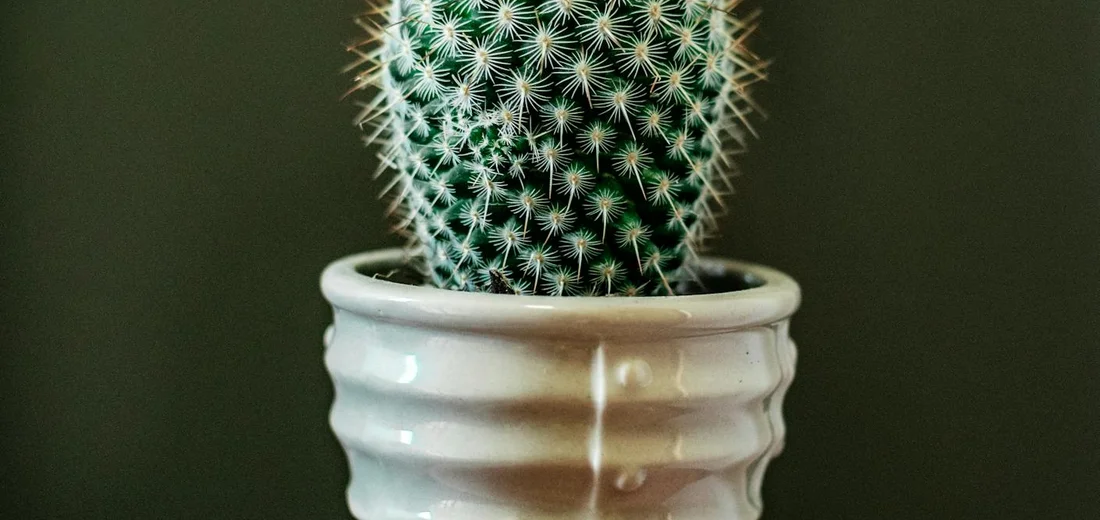
I’ve learned that treating all succulents the same is the quickest way to a sad, mushy plant collection. Their native habitats are like a personal care manual written by nature itself. A plant from a sun-scorched desert has completely different needs than one from a misty, seaside cliff. That’s why essential succulent care guides for specific varieties are so helpful. They translate wild adaptations into practical, actionable steps you can follow.
Think about light first. My high-altitude Echeverias from Mexico thrive on my sunniest south-facing sill. But my Haworthias, which evolved tucked under shrubs in South Africa, would scorch in that same spot. Matching your plant’s light to its homeland prevents sunburn and etiolation.
Watering is the next big lesson. I used to drench my String of Pearls on the same schedule as my Jade plant. Big mistake. The Jade, from arid regions, handled it. The String of Pearls, native to drier parts of Southwest Africa, rotted almost instantly. Succulents from truly arid zones need the soil to dry out completely, while some forest-dwellers prefer a hint of moisture.
Temperature and seasons matter, too. Many popular succulents are from the Southern Hemisphere. Their growth cycle is flipped! They want to grow in our winter and rest during our summer. Understanding this natural rhythm is the secret to getting them to flower indoors. So, when do succulents bloom, and why? Understanding flowering cycles helps you time care to coax blooms. I adjust my watering and feeding to match their dormant and active periods, and the results are incredible.
Exploring Succulent Diversity by Family
Grouping succulents by their plant family helps me make sense of their care needs. It’s like understanding that all cousins in a family might share certain traits.
Crassulaceae Family (The Stonecrops)
This is a massive family with some of the most popular houseplants. Think Jades (Crassula), Echeverias, and Sedums.
- Native Regions: Found across the globe, but heavily concentrated in Mexico, South Africa, and the Mediterranean.
- Key Traits: They often have a beautiful rosette shape and are masters of water storage in their thick leaves.
- My Care Tip: Most need intense light to maintain their compact form. They propagate incredibly easily from a single leaf, which I find magical.
Asphodelaceae Family (The Aloes and Haworthias)
This group is almost exclusively from Southern Africa. They are tough, architectural plants.
- Native Regions: Primarily South Africa, Madagascar, and the Arabian Peninsula.
- Key Traits: Many have medicinal properties (like Aloe vera) and their leaves often have unique textures, spots, or stripes.
- My Care Tip: They are generally more tolerant of lower light and occasional overwatering than some Crassulas. My Haworthias do perfectly well in bright, indirect light.
Aizoaceae Family (The Ice Plants)
This family is a true spectacle, including the mind-boggling “Living Stones” (Lithops).
- Native Regions: Overwhelmingly from the extremely dry, rocky deserts of Southern Africa.
- Key Traits: They are extreme survivalists. Many mimic the stones around them to avoid being eaten.
- My Care Tip: Their watering needs are ultra-specific and tied to their growth cycle. When in doubt, don’t water a Lithops. I only water mine a few times a year, mimicking the brief, heavy rains of their native desert.
FAQs
What exactly makes a plant a succulent?
Succulents are defined by their ability to store water in thick, fleshy tissues like leaves, stems, or roots to survive dry environments. The way they store water is quite fascinating.
When did succulents first evolve?
Succulents originated millions of years ago, with fossil evidence suggesting they appeared during the Cretaceous period as adaptations to arid climates.
Are all succulents native to deserts?
No, while many succulents hail from deserts, others originate from diverse habitats like rocky slopes, coastal areas, or regions with seasonal rains. This variety leads to a wide range of forms and colors. It also serves as a natural lead-in to a comprehensive overview of the many types of succulents and their unique adaptations.
How are succulents classified botanically?
Succulents are not a single plant family but span multiple families, such as Cactaceae and Crassulaceae, based on shared water-storing traits. Succulent plants are characterized by their specialized water-storage tissues that allow them to thrive in arid environments.
What role do succulents play in their native ecosystems?
In their native regions, succulents often provide food and shelter for wildlife while helping prevent soil erosion in arid landscapes. Their native habitats span from tropical regions to arid deserts, so understanding these habitats helps answer whether succulents are tropical plants.
Can succulents be found in unexpected places?
Yes, some succulents thrive in unexpected areas like tropical forests or high-altitude zones where water is scarce but not always in deserts. In tropical regions, many succulent varieties are adapted to humid environments with regular rainfall. They often tolerate warm, wet air and can thrive in shaded, well-ventilated spots.
Bringing It All Home
The key to happy succulents is simply mimicking their native habitats; recreate their home environment, and they will thrive in yours. Focus on these three essentials from their origins:
- Maximum sunlight exposure
- Fast-draining, gritty soil
- Infrequent, deep watering
Now that you know where your leafy friends come from, you have the insight to care for them with confidence. Use this knowledge, trust your instincts, and enjoy the unique, resilient beauty each succulent brings to your space.
Further Reading & Sources
- Succulent plant – Wikipedia
- Where Do Succulents Come From?
- A brief guide to succulents | The Little Botanical
- Why You Need to Know Where Succulents Come From – Debra Lee Baldwin
Lena Greenfield is a passionate horticulturist and plant care expert with over 10 years of experience cultivating and nurturing hardy house plants. With a deep understanding of both indoor and outdoor gardening, Lena shares practical advice on choosing, caring for, and maintaining resilient plants that flourish year-round. Through her knowledge and hands-on approach, Lena helps plant lovers transform their spaces into vibrant, green sanctuaries, no matter their gardening experience.
Types of Succulents