
How Many Types of Succulents Are There? A Complete Guide
Published on: January 20, 2026 | Last Updated: January 20, 2026
Written By: Lena Greenfield
You might be wondering just how many types of succulents exist, and if it’s possible to ever know them all. It’s easy to feel overwhelmed when you see the sheer variety at a garden center or online shop.
In this guide, I’ll walk you through the classification system for succulents, the most popular genera you’ll encounter, the best beginner-friendly varieties, essential care tips for different types, and creative ways to style them in your home.
What Exactly is a Succulent?
At its heart, a succulent is a plant that has evolved to store water in its leaves, stems, or roots. This built-in water reservoir is what gives them that characteristically plump, fleshy look we all adore. I like to think of them as nature’s little water balloons, perfectly designed to survive in dry climates where a good drink is a rare treat.
This isn’t just one plant family, but a survival strategy shared by many different plant families. That’s why you’ll see such incredible variety in their shapes, from the smooth, round leaves of a Jade Plant to the geometric precision of a Living Stone. The one thing they all have in common is their ability to thrive on a bit of neglect, making them perfect for busy or forgetful plant parents.
Popular Succulent Generas for Your Home
Over the years, I’ve filled countless shelves and windowsills with these fascinating plants. Starting with a few key genera is the best way to build a diverse and manageable collection. You’ll be amazed at how different they can look while sharing the same basic care needs.
Echeveria and Other Rosette-Forming Succulents
This group is the poster child for the modern succulent trend, and for good reason. Their beautiful, symmetrical shapes look like living flowers carved from jade, dust, or even pastel chalks. I’ve found them to be some of the most rewarding plants for creating stunning arrangements.
- Echeveria: The classic rosette. They come in a rainbow of colors, from the silvery-blue ‘Perle von Nurnberg’ to the fiery red-tipped ‘Lola’.
- Sempervivum (Hens and Chicks): These are the tough guys. They can handle colder temperatures and spread by producing adorable little “chick” offsets around the main “hen”.
- Aeonium: Known for their almost perfect, saucer-shaped rosettes on long, woody stems. The ‘Zwartkop’ variety has stunning, near-black foliage.
- Graptopetalum: These often have a lovely, pearlescent sheen to their leaves and are prolific propagators from a single leaf.
Quick Tip: Rotate your rosette succulents every few weeks to prevent them from leaning awkwardly toward the light. They are sun worshippers and will stretch to find it!
Spiky and Architectural Succulent Types
If you’re looking for a plant with serious personality and dramatic form, this is your category. These succulents add incredible texture and a sculptural element to any space. I love using them as a striking focal point on a minimalist desk or shelf.
- Aloe: Beyond the famous Aloe vera, there are hundreds of types. I’m particularly fond of the spiral-shaped Aloe polyphylla and the spotted, coral-like Aloe juvenna.
- Agave: These are the grand statement pieces. They form large, architectural rosettes with often sharp spines on the leaf tips, so place them where they won’t be brushed against.
- Haworthia: Perfect for lower light conditions! Their striped, windowed, or bristly leaves (like the “Zebra Plant”) are endlessly fascinating up close.
- Sansevieria (Snake Plant): An absolute champion of neglect. Their tall, upright spears are virtually indestructible and are fantastic air purifiers.
The Wonderful World of Cacti
All cacti are succulents, but not all succulents are cacti! The key difference is that cacti have areoles-those small, fuzzy bumps from which spines, flowers, and new branches grow. This is the defining feature that sets them apart. When identifying cacti vs succulents, look for areoles as the quick telltale sign. Other succulents lack these structures.
From my experience, cacti are some of the most low-maintenance houseplants you can find. Their slow growth and minimal water needs make them ideal for anyone who struggles with a consistent plant care routine. Their flowers are also often spectacular, bursting from the most unlikely-looking stems.
- The Forest Cacti: Think Christmas Cactus or Orchid Cactus. These are epiphytes that grow in trees in nature and prefer a bit more humidity and less direct sun than their desert cousins.
- The Desert Globular Cacti: These are the classic, round cacti like the Golden Barrel Cactus. They are built to store massive amounts of water and thrive on bright, direct light.
- The Columnar Cacti: Tall and statuesque, like the Old Man Cactus or the San Pedro Cactus. They create a stunning vertical accent in any plant collection.
Handling cacti can be tricky, but I always use a pair of kitchen tongs or wrap the plant in a folded newspaper to protect my fingers from the spines during repotting. It’s a simple household trick that makes the job painless!
Answering the Big Question: How Many Types Exist?
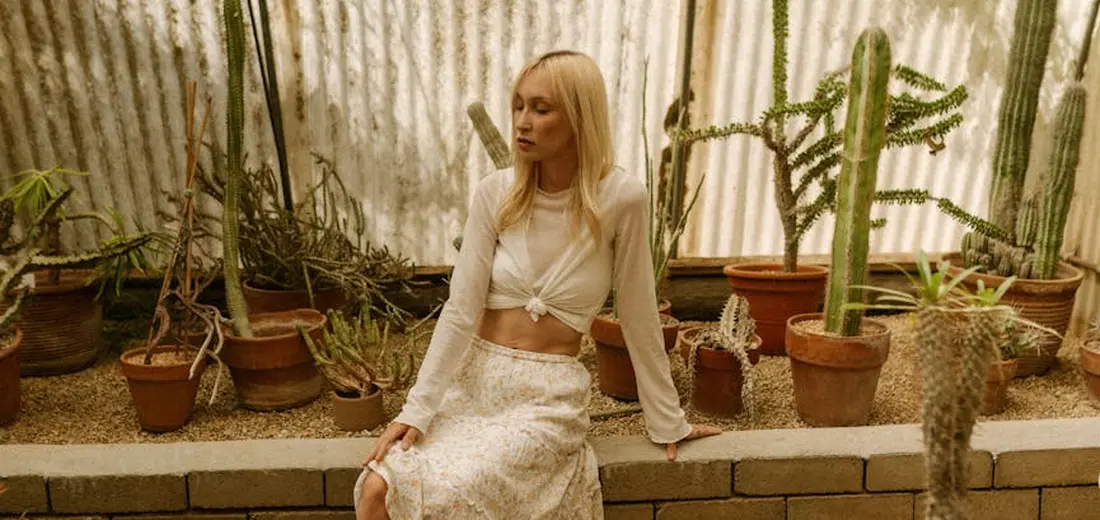
I get this question all the time, and the honest answer is that nobody has a definitive count. Pinpointing an exact number is nearly impossible because new species are still being discovered and classified, especially in remote areas. From my years of collecting and researching, I’ve seen estimates ranging from a conservative 10,000 to a staggering 25,000 different succulent species and cultivars.
That massive range exists because the term “succulent” isn’t a strict scientific classification like a genus or family. It’s a descriptive term for plants that have adapted to store water in their leaves, stems, or roots. This means countless plant families have succulent members. Think of it like asking how many types of red cars exist-the number is always changing and depends on how you define it.
For us home gardeners, the most useful number to remember is around 60 major plant families that contain succulents. The most common families you’ll encounter are Crassulaceae (like jade plants and echeverias), Aizoaceae (the living stones), and Cactaceae (the cacti). Focusing on these families makes identifying and caring for your plants much simpler.
Grouping Succulents by Their Growth Habits
Instead of getting lost in the thousands, I find it much more helpful to group succulents by how they grow. This tells you instantly what kind of space they’ll need and how they’ll fit into your home decor. That also highlights architectural succulent varieties that act as living sculptures in modern home decor. They bring sculptural forms—tall columns, flat pads, or geometric rosettes—into contemporary spaces.
Tall-Growing and Tree-Like Succulents
These are the statement pieces, the architectural plants that add vertical interest to a room. They often develop woody stems over time.
- Jade Plant (Crassula ovata): This is a classic I’ve had for over a decade. It starts small but can eventually grow into a miniature tree several feet tall with a thick, trunk-like stem.
- Snake Plant varieties like ‘Laurentii’ or ‘Bantel’s Sensation’: While some snake plants stay compact, many varieties send up tall, sword-like leaves that can easily reach four feet, creating a dramatic, modern look.
- Saguaro Cactus (Carnegiea gigantea): While a giant outdoor plant in the wild, small, young saguaros are popular indoors and have that iconic, upward-reaching form.
Quick Tip: Rotate your tall succulents a quarter turn every time you water to prevent them from leaning heavily toward the light source. It’s especially important if you’re relying on artificial lighting. I learned this the hard way with a lopsided jade plant!
Compact and Clumping Succulent Varieties
These are the charming, space-filling plants that stay low to the ground and spread outwards, creating beautiful, dense mats or rosette clusters.
- Echeveria: Probably the most famous clumping succulents, they form perfect, flower-like rosettes and produce many “chicks” or offsets around the mother “hen.”
- Sempervivum (Hens and Chicks): These are incredibly cold-hardy and prolific clumpers. I have a pot on my patio that started with three rosettes and is now a tight, beautiful colony of dozens.
- Haworthia (like Haworthia attenuata): Many Haworthias stay small and form tight clusters of striped or textured leaves, perfect for a bright windowsill.
- Aloe varieties (like Aloe aristata): While some aloes get large, many smaller types form neat, stemless clumps that are easy to manage and propagate.
The real joy of clumping varieties is how easily you can propagate them. You can gently remove the offsets and pot them up to create new plants for friends or to expand your own collection. It’s one of the most rewarding parts of succulent care. With the right care, you can transplant offsets and propagate succulents successfully. Use well-draining soil in a shallow pot and water sparingly until roots establish.
Caring for Different Types of Succulents
While many people think all succulents want a blast of desert sun and a sip of water once a month, that’s a quick way to end up with a collection of crispy or mushy plants. In my own greenhouse, I’ve learned that treating every succulent the same is the biggest mistake you can make. Their care needs are as varied as their shapes and colors. If you’re wondering how often to water succulents, this complete guide has you covered. From signs of thirst to proper soil moisture, it breaks down watering for each plant and season.
Spotlight on Unique Succulent Needs
Let’s look at a few popular types that break the standard “succulent care” mold. Understanding their individual quirks is the secret to keeping them happy for years.
Echeveria: The Sun Worshippers
Echeverias are the classic rosette-shaped succulents you see everywhere. They crave bright, direct light to maintain their tight, beautiful form and sometimes vibrant colors. If your echeveria starts stretching out and getting “leggy,” it’s desperately reaching for more sunlight. Learn how to fix and prevent stretched succulents in that case. I keep mine in the sunniest south-facing window I have.
They also hate getting their leaves wet. Water them at the soil level to prevent rot. A long-spouted watering can is your best friend here.
Lithops: The “Living Stones”
Lithops are fascinating mimics that look like little pebbles. Their watering schedule is completely different from any other succulent I own. You must ignore them for most of the year, especially when they are splitting to produce a new pair of leaves. Watering during this phase can kill them instantly.
I only give my lithops a tiny drink when the old leaves have completely withered and the new ones look wrinkled. It feels strange, but it works.
String of Pearls: The Trailing Beauties
This succulent with its cascading strands of pea-like beads has a thinner, more delicate root system. Unlike a desert cactus, my string of pearls prefers a bit more frequent watering and appreciates slightly higher humidity. I let the soil dry out completely, but then I water it thoroughly before another dry spell.
It also likes bright, but indirect, light. Too much harsh sun will sunburn those plump little “pearls.”
Haworthia: The Shade Tolerators
If your home doesn’t get blazing sun all day, haworthias are for you. Their striped, architectural leaves burn easily in direct afternoon light. I’ve had great success growing haworthias on a bright desk or in an east-facing window where they get gentle morning sun. They are some of the most forgiving succulents for lower-light conditions.
Quick Tip: Feel the leaves! A firm, plump leaf means your succulent is happy. A soft, wrinkly leaf means it’s thirsty.
FAQs
What are some common types of succulents with red tips?
Echeveria ‘Lola’ and Graptopetalum paraguayense often develop vibrant red tips when exposed to bright sunlight.
Which succulents have large, thick leaves?
Aloe vera and Jade Plant (Crassula ovata) feature large, fleshy leaves ideal for water storage.
Can you name succulents that develop long stems?
Aeonium arboreum and certain Sansevieria varieties grow long, stem-like structures as they mature.
How can I find pictures to identify different succulent types?
Use online resources like plant identification apps or gardening websites to view images and names of various succulents. By comparing photos, leaf shapes, and growth habits, you can identify your plant’s type. This is the first step in our identify your succulent plant type complete guide.
What are some tall-growing succulent varieties?
Saguaro cactus and Snake Plant ‘Laurentii’ can grow several feet tall, making them striking indoor plants.
What are general care tips for different succulent types?
Provide well-draining soil, ample light, and water only when the soil is completely dry to keep most succulents healthy. Do succulents thrive under these conditions? They generally do when provided bright light and infrequent watering, which mimics their natural arid habitats.
Your Succulent Journey Starts Now
With so many types of succulents available, the best approach is to start with a few easy-care varieties that match your home’s light conditions. If you’re new to growing succulents, consider the best succulents for beginners—the top 10 easy-care varieties—to guide your selection. Remember these three simple rules for success: provide bright light, use a well-draining soil mix, and water thoroughly only when the soil is completely dry.
I hope this guide helps you feel confident in choosing your next plant. For more specific care tips on any succulent you bring home, be sure to check back here at Hardy House Plants. We also publish essential succulent care guides for specific varieties to tailor tips to each plant. You’ve got this, and soon you’ll have a thriving plant family to enjoy.
Further Reading & Sources
- Types of Succulent Plants (with pictures) | Succulents and Sunshine
- Over 500 Types of Succulents – Shop Online at Planet Desert
- Types of Succulents | Digital Printable Succulent Identification Chart – Succulents Box
- 20 Types of Succulents: Names, Care & More | Bouqs Blog
Lena Greenfield is a passionate horticulturist and plant care expert with over 10 years of experience cultivating and nurturing hardy house plants. With a deep understanding of both indoor and outdoor gardening, Lena shares practical advice on choosing, caring for, and maintaining resilient plants that flourish year-round. Through her knowledge and hands-on approach, Lena helps plant lovers transform their spaces into vibrant, green sanctuaries, no matter their gardening experience.
Types of Succulents