
How Succulents Store Water in Their Leaves and Stems
Published on: September 14, 2026 | Last Updated: September 14, 2026
Written By: Lena Greenfield
You’ve probably noticed how plump and fleshy your succulents are, and maybe you’ve even worried about how they survive when you forget to water them. Their secret is a brilliant, built-in water storage system that turns them into tiny, living canteens.
In this guide, I’ll share what I’ve learned from years of growing these amazing plants, covering specialized water-storing tissues, the role of their unique leaf structure, how their stems act as reservoirs, and the special adaptations that prevent water loss.
The Succulent Survival Strategy: More Than Just Thick Leaves
When we admire a plump succulent, we’re looking at a master of survival known as a xerophyte-a plant specially adapted to thrive with very little water.
That plumpness is called succulence, and it’s the plant’s brilliant strategy for storing precious moisture for the dry spells ahead.
When you notice those thickened leaves and stems, you’re seeing the first, most obvious clue to their incredible drought-tolerant nature.
The Anatomy of a Water Reservoir: Inside Succulent Leaves and Stems
Specialized Water Storage Tissue: The Hydrenchyma
Inside those fleshy leaves and stems lies a special tissue called hydrenchyma, a type of parenchyma tissue designed for one job: holding water.
Imagine these cells as living, breathing water balloons-they have large, flexible, thin walls that can expand to hold a massive amount of liquid.
The real magic happens inside each cell, where a huge central vacuole acts like a personal storage tank, swelling with water to keep the plant firm and hydrated.
The Outer Defenses: Cuticle and Epidermis
To protect its internal water supply, a succulent develops a super-tough outer skin, or epidermis, and coats it with a thick, waxy layer called the cuticle. This detail is a key part of understanding what succulent plants are, a focus of a complete definition guide.
This waxy coating is the plant’s version of a high-quality raincoat, dramatically slowing down water loss from the surface of the leaves and stems.
In my own collection, I’ve noticed that succulents with a pronounced, sometimes bluish, powdery coating (called farina) are often even more resilient to dry air. That same powdery look—farina—is a protective wax that helps reduce water loss and can give a dusty appearance.
Stomata: The Smart Water Gates
Unlike most plants, succulents have far fewer stomata-those tiny pore-like openings on the leaf surface.
Even smarter, these stomata only open at night to take in carbon dioxide, a process directly linked to their unique CAM (Crassulacean Acid Metabolism) photosynthesis.
By working the night shift, they avoid the hot, drying sun and conserve incredible amounts of water that would otherwise be lost during the day.
The Night Shift: CAM Photosynthesis and Water Conservation
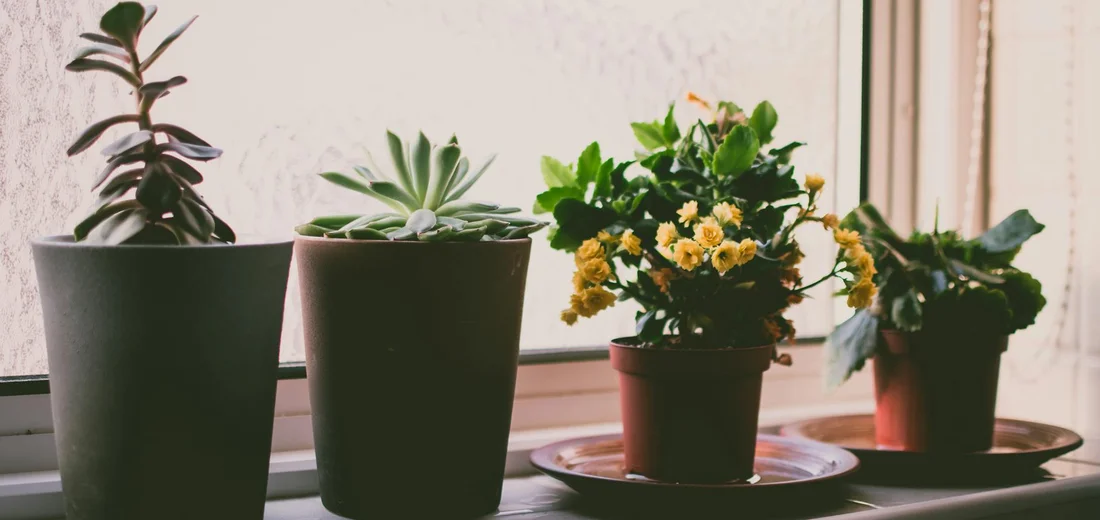
Most plants open their tiny leaf pores, called stomata, during the day to breathe in carbon dioxide for photosynthesis. Succulents flipped the script with a clever trick called CAM photosynthesis, which stands for Crassulacean Acid Metabolism. It sounds complex, but I like to think of it as their “night shift” schedule.
While your other houseplants are working in the sun, succulents keep their stomata tightly closed to prevent precious water from evaporating. They wait for the cool, humid night to open up and stockpile carbon dioxide. They store this CO2 as an acid and then use it to fuel photosynthesis when the sun comes up, all while keeping their pores shut tight against the drying day. In daylight, photosynthesis releases oxygen, which can help improve indoor air quality. The impact from succulents alone is typically modest, but every plant adds a bit of fresh air.
Here’s the step-by-step that makes this so brilliant for saving water:
- At night, temperatures drop and humidity rises, creating a much less thirsty environment.
- The succulent opens its stomata and collects carbon dioxide, converting it into malic acid for temporary storage.
- When daylight returns, the stomata close, forming a seal against water loss.
- The plant then uses the stored malic acid, breaking it down back into CO2 to power photosynthesis behind closed doors.
This entire nightly routine slashes water loss by an incredible amount, which is why these plants are champions of dry climates. I’ve seen my own succulents thrive on neglect thanks to this built-in survival mechanism. To keep that advantage, it’s crucial to avoid common succulent watering mistakes, such as overwatering or letting pots sit in standing water. Being mindful of this helps prevent rot while still giving them what they need.
From Plump to Wrinkly: How Water Storage Affects Your Plant’s Look
The plump, firm feel of a happy succulent comes from something called turgor pressure. Imagine each leaf is a full water balloon; the water inside pushes outward, creating that satisfying firmness. This internal pressure is what keeps the plant’s structure upright and rigid. Learn how to make your succulents grow bigger and plump to truly feel the difference.
When water becomes scarce, the plant performs osmotic adjustment. This is its way of carefully managing the concentration of sugars and salts inside its cells to hold onto every last drop of moisture. It’s a delicate internal balancing act that helps it survive dry spells.
As the plant uses its stored water, that internal pressure drops. You’ll see the leaves start to soften, thin out, and develop wrinkles, like a deflating balloon. If you’re wondering why your succulent leaves look wrinkly, soft, and squishy, it’s usually a sign they’re dehydrated. This is your succulent’s clear, visual way of telling you its water reserves are running low. In my experience, a few wrinkles are a gentle nudge, while deep, widespread wrinkles are a cry for help.
Putting Knowledge into Practice: Watering Based on Storage
How to Water for Optimal Hydration
Watering a succulent isn’t about a schedule; it’s about responding to the plant’s stored water levels. Here’s how I do it: bottom watering to ensure the roots get enough moisture.
- Check the soil moisture by sticking your finger two inches deep. It should be bone-dry. Then, gently squeeze a leaf. If it feels firm, wait. If it has some give, it’s time.
- Take the plant to the sink and soak the soil thoroughly until water runs freely from the drainage holes. This mimics a rare desert downpour, allowing the roots to drink their fill.
- Let all excess water drain away completely. The most critical step is to then allow the soil to become utterly dry before you even consider watering again. This dry period is when the roots breathe and prevents rot.
Choosing the Right Pot and Soil
Your potting setup directly supports your succulent’s water-storage strategy.
- You must use a gritty, fast-draining soil mix. I always mix regular potting soil with plenty of perlite or pumice. This creates air pockets and ensures water doesn’t linger around the roots, matching their natural rocky habitat.
- I am a huge advocate for unglazed terracotta pots. The porous clay walls allow the soil to breathe and dry out evenly from all sides, which is a game-changer for preventing overwatering. Plastic pots trap moisture, but terracotta works with you.
Recognizing the Signs of Thirst and Overwatering
Your plant communicates its needs through its leaves. Learning this language is the key to success.
- Signs of Thirst: The leaves look thin and deflated. They develop wrinkles, often starting at the bottom of the plant. The plant may feel lighter, and the leaves will be soft and pliable when gently squeezed.
- Signs of Overwatering: The leaves become mushy, soft, and may appear translucent or yellow. They might fall off at a slight touch. In severe cases, the stem will turn black or brown and feel rotten. Overwatering is a far more common killer than underwatering, so when in doubt, wait it out.
FAQs
Do succulents store water?
Yes, succulents store water in specialized tissues to survive dry periods.
Why do succulents store water?
They store water to endure long droughts and thrive in arid environments.
How do succulents store water?
Succulents store water using expandable cells in their hydrenchyma tissue that hold large amounts of liquid.
Where do succulents store water?
Succulents primarily store water in their fleshy leaves and thickened stems.
What is the purpose of water storage in succulents?
The purpose is to maintain hydration for essential functions like photosynthesis during water shortages.
How much water do succulents store?
Succulents can store enough water to survive for weeks or months without additional watering, depending on the species. Long succulents, with their thick, water-storing tissues, can endure extended dry spells. This makes them well suited to low-water care.
Your Succulent Care Confidence Boost
In my years of tending succulents, I’ve learned that their water-storing leaves and stems mean they thrive with minimal, thoughtful care—so focus on infrequent watering and bright light. This outdoor care guide will help you grow succulents in your garden with confidence. We’ll cover sun, soil, and drainage for thriving outdoor plants.
- Water only when the soil feels completely dry to prevent rot.
- Use a fast-draining soil mix, like cactus blend, for healthy roots.
- Place them in a spot with plenty of indirect sunlight daily.
You’re all set to give your succulents the love they need! Trust your instincts, enjoy the process, and watch your plants reward you with vibrant growth and beauty.
Further Reading & Sources
- How to Water Succulents ‘Care & Growing Guide’ | Planet Desert
- Succulent | Definition, Facts, & Examples | Britannica
- Do all succulents store water in their leaves? If so, why not just store water in the ground like other plants? – Quora
- Plants that store water | Succulents | Drought Tolerant Plants
Lena Greenfield is a passionate horticulturist and plant care expert with over 10 years of experience cultivating and nurturing hardy house plants. With a deep understanding of both indoor and outdoor gardening, Lena shares practical advice on choosing, caring for, and maintaining resilient plants that flourish year-round. Through her knowledge and hands-on approach, Lena helps plant lovers transform their spaces into vibrant, green sanctuaries, no matter their gardening experience.
Types of Succulents