
Root Bound Plants: How to Spot and Save Them
Published on: January 9, 2026 | Last Updated: January 9, 2026
Written By: Lena Greenfield
Is your plant looking sad, with stunted growth and yellowing leaves, even though you’re watering it regularly? You might have a root-bound plant on your hands, but don’t worry-it’s a common and fixable problem.
I’ve rescued dozens of root-bound plants over the years, and in this guide, I’ll share exactly what to do. We’ll cover how to identify a root bound plant, the step-by-step process to fix it, and simple ways to prevent it from happening again.
What a Root Bound Plant Really Means
When I say a plant is root bound, I’m not just talking about a cozy fit. I’m describing a plant that has completely run out of room in its pot. Think of it like trying to live in a studio apartment that keeps shrinking while your family grows-eventually, you just can’t function properly. The roots have wrapped around themselves so tightly that they’ve formed a dense, solid mass, often taking the shape of the pot itself. I’ve pulled plants out where the root ball was a perfect plastic container replica. This tangled web can’t effectively take up water or nutrients anymore, and it literally strangles the plant from the roots up.
The Telltale Signs Your Plant is Cramped
You don’t always need to pull your plant out of its pot to know it’s feeling cramped. Your plant will send you clear signals if you know what to look for. That often signals it’s time to repot. When you do, choosing the right pot size matters for healthy growth.
- Stunted Growth: This is often the biggest clue. If your plant was putting out new leaves regularly and then just… stops, even during its growing season, it’s likely screaming for more space. It has no energy left for new growth because it’s all going to just keeping the existing roots alive.
- Yellowing Leaves: You might think yellow leaves mean you’re under-watering, but it can be the exact opposite. A severely root-bound plant can’t absorb water efficiently, leading to drought stress and yellowing, even if you’re watering on schedule.
- Water Runs Straight Through: When you water, does it immediately gush out the drainage hole without soaking in? That’s a classic red flag. The root mass is so dense and compacted that there’s no soil left to hold the moisture-the water just hits the solid wall of roots and flows right past it.
- Roots Visible at Surface or Through Holes: If you see a tangled mat of roots on the soil’s surface or poking defiantly out of the drainage holes, the party inside the pot is definitely over. The roots are exploring every possible exit in search of new territory.
Quick Tip: Do the “Lift and Peek” test. Gently tip the plant on its side and carefully slide it out of the pot. If you see more roots than soil, and they’re circling the bottom and sides, it’s time for a new home.
Special Signs for Root Bound Succulents
Succulents are tough cookies, but they communicate their root-bound status in unique ways. From my experience with a crowded jade plant, I learned to watch for these specific signals. Do succulents like small pots? Understanding root crowding helps you tell when it’s time to repot.
- Pushing Themselves Out of the Pot: The plant may literally start to lift itself up and out of the soil as the compacted root ball expands and has nowhere else to go.
- Extremely Slow Growth or “Pups” on Stems: While succulents are slow growers, a complete halt is a sign. Some, like aloes and haworthias, might even start producing lots of offsets (pups) high up on the stem as a survival tactic to propagate beyond the cramped pot.
- Bottom Leaves Dry Up Faster Than Usual: It’s normal for succulents to reabsorb bottom leaves, but if this process suddenly speeds up dramatically, the root system might be too stressed to support the entire plant.
- The Pot Becomes Dangerously Top-Heavy: A dense root ball can make a small pot so heavy that it tips over easily. If your succulent is constantly falling over, the root-to-pot ratio is likely way off.
Your Step-by-Step Rescue Plan
-
Step 1: Gently Remove the Plant
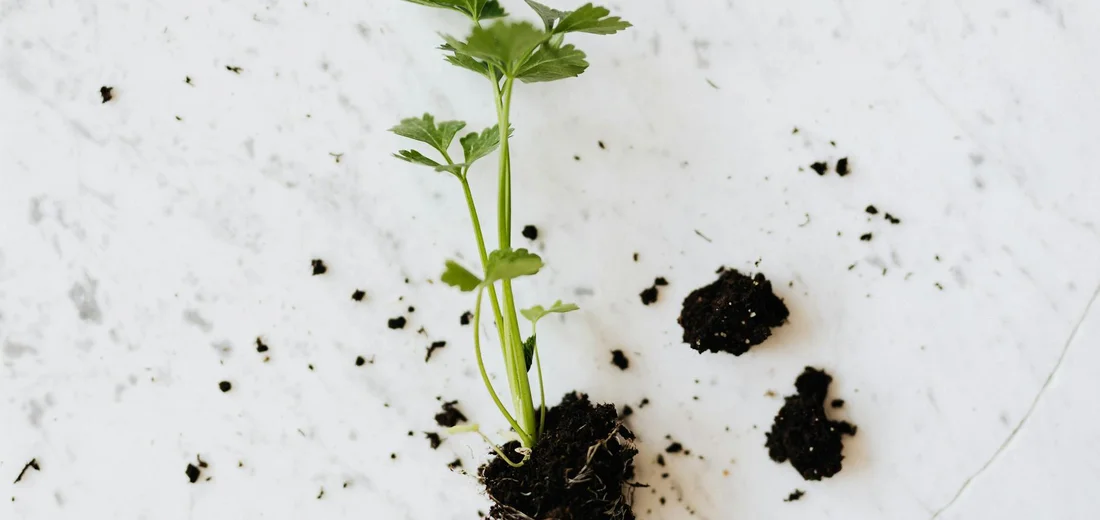
First, water your plant lightly a day before you plan to repot; this makes the root ball more flexible and easier to work with. To get the plant out, I gently turn the pot on its side and tap the bottom and sides firmly with my hand-you’ll often hear a satisfying “pop” as the root mass releases. Never pull on the stem; if it’s really stuck, you can carefully run a butter knife around the inside edge of the pot to loosen it.
-
Step 2: Inspect and Diagnose the Root Mass
Once the plant is out, take a good look. A healthy root system is firm and white or light tan. You’re looking for roots that are circling the outside of the soil in a tight web or have formed a dense, solid mat that perfectly holds the shape of the old pot. Give it a sniff-if you detect a sour or rotten smell, that indicates root rot, which is a more serious issue you’ll need to address during pruning.
-
Step 3: Carefully Loosen and Prune the Roots
This step feels intimidating, but it’s a kindness that encourages new growth. Using your fingers, gently tease apart the outer layer of roots to break the tight circling pattern. For thicker, woodier roots that you can’t untangle by hand, I use a pair of clean, sharp scissors or pruning shears to make a few vertical cuts about an inch deep into the root mass and trim away any obviously dead or mushy roots. Don’t be shy-a good haircut tells the plant it’s time to grow outward again.
-
Step 4: Choose the Perfect New Pot
The biggest mistake I see is moving a plant into a pot that’s way too big. Always select a new pot that is only 1 to 2 inches wider in diameter than the old one; this gives the roots room to explore without being overwhelmed by soggy soil. The material matters, too—unglazed terracotta is my go-to for most houseplants because it’s porous and helps prevent overwatering. And that leads to the golden rule: the pot must have a drainage hole. No exceptions. For a ZZ plant, pot size matters: go only a little larger than the root ball. Our ZZ Plant Ultimate Guide walks you through exact pot sizing and when to repot.
-
Step 5: Repot with Fresh Soil
Place a layer of fresh, well-draining potting mix in the bottom of the new pot. Set your plant inside, making sure the top of the root ball sits about an inch below the rim of the pot to leave room for watering. Then, fill in the gaps around the sides with more soil, gently tamping it down as you go to eliminate large air pockets. Don’t pack it down like concrete-roots need air, too!
-
Step 6: The First Crucial Watering
This initial watering is vital. It’s called a “settling soak,” and its job is to help the new soil make contact with the roots and settle any air pockets. Water thoroughly until it runs freely out of the drainage hole, then let the pot drain completely. After this, your plant will need a little recovery time. Place it in a spot with bright, indirect light and hold off on watering again until the top inch or two of soil feels dry.
Tailored Tips for Repotting Succulents
Succulents need a slightly different approach because they are so prone to rot. My number one tip is to wait a full week after repotting before you give them that first watering after repotting; this gives any tiny root abrasions time to callus over and heal. After that waiting period, give the plant a light, thorough soak and let the soil drain completely. Then resume watering only when the top inch of soil is dry. I also use a grittier soil mix for them, often adding extra perlite or poultry grit to the standard potting mix to ensure it drains incredibly fast. Handle their fleshy leaves and stems with extra care, as they can bruise easily.
How to Prevent Your Plants from Becoming Root Bound
- Establish a regular repotting schedule. For fast-growing tropical plants, I check them every spring. For slower growers like snake plants or some succulents, every 2-3 years is often sufficient.
- Perform a gentle “root check” every few months during your regular watering. Simply tip the plant partway out of its pot to see if you can spot roots starting to crowd the edges.
- Choose the right pot materials from the start. Porous pots like terracotta and ceramic “breathe,” which encourages a healthier root system and makes overwatering harder.
Quick Tip: Pay attention to your plant’s growth cycles; the best time to repot is at the start of its active growing season, usually early spring, so it can recover and explode with new growth.
Picking the Best Pot to Avoid Future Problems
Pot choice is a long-term strategy for plant health. I almost always recommend pots that are slightly taller than they are wide, as this encourages roots to grow downward in a more natural pattern rather than circling. While decorative cache pots without holes are beautiful, I use them as an outer sleeve, always keeping my plant in a functional, draining nursery pot inside. For beginners, lightweight plastic or composite pots are a great, affordable choice as they are easy to move and drill extra drainage holes into if needed.
## Common Questions
How long can a root bound plant survive?
A root bound plant can survive for months or even years, but its health and growth will be severely stunted.
What are the key symptoms of a root bound plant?
Key symptoms include water running straight through the pot, roots circling the surface or growing from drainage holes, and the plant becoming top-heavy and unstable. To tell when your succulents need water, watch for Signs your succulents need water like wrinkled, soft leaves and a dry soil. Water when the soil is dry several inches down to keep plants healthy.
What is the best type of pot to prevent root binding?
Pots that are slightly taller than they are wide and made of porous materials like terracotta help encourage healthy root growth and prevent circling. For indoor plants, terracotta pots are often recommended because their porosity promotes drainage and helps prevent overwatering.
Should I buy a root bound plant from the shop?
You should avoid buying a root bound plant from a shop, as it will require immediate repotting to recover and begin growing properly.
Is being root bound more dangerous for indoor or outdoor plants?
Being root bound is typically more immediately dangerous for outdoor plants, as they are more exposed to drying winds and intense sun that can accelerate stress.
How long can a root bound plant live without being repotted?
A root bound plant can live without being repotted until it ultimately exhausts the remaining nutrients in its compacted soil and dies.
Your Plant’s New Beginning Starts Now
Remember, a root-bound plant is a cry for help, not a death sentence, and you now have the simple tools to fix it: check the roots, gently loosen them, and give your plant a new, slightly larger home. With a fresh pot, some new soil, and a little TLC, your plant will quickly reward you with vigorous new growth. After addressing root rot, properly repot in a clean pot with drainage holes and fresh, well-draining soil. Water sparingly until you see new growth.
For more hands-on plant care guides that turn problems into successes, keep exploring our articles right here. You’ve got this-every challenge just makes you a more confident plant parent!
Further Reading & Sources
- r/houseplants on Reddit: What do you do with something so rootbound?
- How to Identify and Fix a Root-Bound Plant
- Wild Interiors – Root Bound Plant Symptoms and Repotting Tips
- How to Fix Root Bound Plants – Flower Patch Farmhouse
Lena Greenfield is a passionate horticulturist and plant care expert with over 10 years of experience cultivating and nurturing hardy house plants. With a deep understanding of both indoor and outdoor gardening, Lena shares practical advice on choosing, caring for, and maintaining resilient plants that flourish year-round. Through her knowledge and hands-on approach, Lena helps plant lovers transform their spaces into vibrant, green sanctuaries, no matter their gardening experience.
Repotting Guidelines