
Where to Buy Succulent Pots and Planters: Style Guide
Published on: January 23, 2026 | Last Updated: January 23, 2026
Written By: Lena Greenfield
Are you searching for the ideal pots to complement your succulent collection? You might be worried about balancing aesthetics with functionality to keep your plants healthy and happy.
In this guide, I’ll draw from my own succulent-growing journey to walk you through top retailers, style-matching tips, material comparisons, and smart shopping strategies.
Why Your Succulent’s Pot Matters More Than You Think
I used to think any old container would do for my succulents. Choosing the right home for your succulent is the single most important decision you make after selecting the plant itself. A pot isn’t just decoration; it’s a life-support system controlling moisture, temperature, and root health. Get it wrong, and you’re fighting an uphill battle against rot and stress.
Your succulent’s roots need to breathe almost as much as its leaves do. A pot that traps water turns your plant’s cozy home into a swampy nightmare. Avoid common succulent watering mistakes by prioritizing drainage and a light watering routine. These small tweaks protect root health and keep the plant within its dry cycle. I learned this the hard way when a beautiful glazed ceramic pot without a drainage hole claimed one of my favorite echeverias. The right pot material and size work with your watering habits to create the perfect dry cycle succulents crave.
Navigating the Material Maze: A Guide to Pot Types
Walking through a garden center can feel overwhelming with all the options. Each pot material has a unique personality and interacts with soil and water differently. Your local climate, your watering style, and even your succulent’s growth stage all play a role in which material will make your plant thrive.
The Classic All-Rounder: Terracotta Pots
Terracotta is my desert island pick for succulent beginners and experts alike. The porous clay walls act like a wick, pulling excess moisture away from the soil. This gives you a wider margin for error if you tend to be an over-enthusiastic waterer. I can literally feel the pot get damp on the outside after a deep watering-that’s the magic happening.
- Breathable walls prevent soil from staying soggy
- Heavy enough to support top-heavy succulents
- Classic, earthy look that complements any plant
- Affordable and widely available
They do dry out faster, so check soil moisture more often in hot weather. During the hot summer months, monitor moisture closely to keep succulents happy. For most succulent varieties, terracotta’s drying power is a fantastic safety net.
Stylish and Sturdy: Ceramic and Stone Planters
When I want a pop of color or a specific aesthetic, I turn to ceramic and stone. Glazed ceramic pots offer endless design possibilities but hold moisture much longer. They’re perfect for mature succulents that you water infrequently or for humid environments where terracotta would dry too slowly.
- Choose glazed ceramic for decorative statement pieces
- Opt for unglazed stoneware for a middle-ground option
- Always verify drainage holes exist-drill your own if needed
- Reserve for succulents you know have low water needs
These materials feel substantial and premium. Their weight makes them ideal for large floor plants that might tip in lighter pots. Just remember to let the soil dry completely between waterings since evaporation happens mostly from the soil surface.
Modern and Minimal: Metal and Glass Containers
Metal and glass bring sleek, contemporary vibes to your plant display. Use these materials for short-term arrangements or with extreme caution for long-term planting. Metal conducts heat and cold rapidly, which can shock roots during temperature swings. Glass containers trap moisture completely and often lack drainage.
- Best suited for temporary succulent displays
- Create a drainage layer with pebbles at the bottom if using glass
- Monitor soil moisture daily in metal pots outdoors
- Perfect for office succulents or air-conditioned spaces
I’ve successfully kept haworthias in a metal pot on my desk for over a year. The key is treating these as specialized housing that requires closer attention to your plant’s signals. When in doubt, use metal or glass as a decorative cache pot with a functional nursery pot hidden inside.
Finding the Perfect Fit: A Guide to Pot Sizing and Drainage
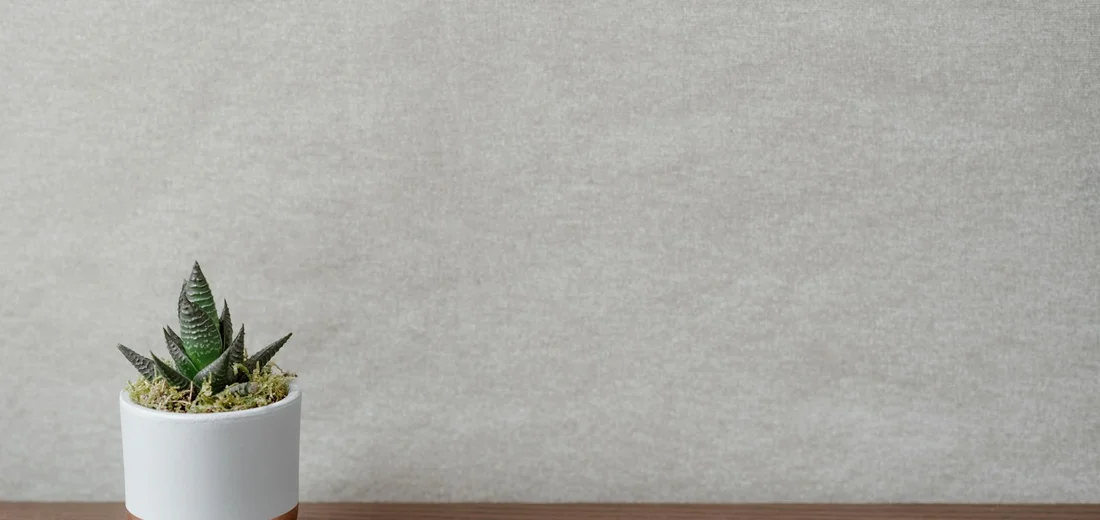
Getting the pot size right is one of the most critical skills I’ve learned in my years of growing succulents. Choosing a pot that’s too large is a common mistake that can lead to soggy soil and root rot, while a pot that’s too small will stunt your plant’s growth. You want a home for your plant that’s cozy but not cramped. When you repot, size the new pot to fit the root ball with just a little extra room for growth. This helps prevent overwatering and gives roots space to breathe.
How to Choose the Right Size Pot
I follow a simple rule of thumb that has never failed me. Look for a new pot that is only about 1-2 inches wider in diameter than the current root ball of your succulent. This gives the roots a little room to grow without being surrounded by a vast amount of damp soil they can’t drink from. This approach helps keep succulents small, compact, and healthy.
- For a single succulent: Match the pot’s diameter to the plant’s widest leaf span.
- For arrangements: Ensure there’s about a half-inch to an inch of space between the plants and the pot’s rim.
- Pot depth matters: Shallow pots are fantastic for succulents with shallow root systems, like many echeverias and sempervivums.
The Non-Negotiable: Drainage Holes
Let me be perfectly clear: drainage holes are not optional for succulents. I’ve lost more plants to “cute” pots without holes than I care to admit-it’s a heartbreaking lesson. That single hole at the bottom is your plant’s emergency exit for excess water.
If you fall in love with a pot that has no drainage, all is not lost! You have two simple options:
- Use it as a decorative cachepot. Simply plant your succulent in a plain plastic nursery pot with drainage and then slip that pot inside the decorative one. Remember to empty any water that collects in the outer pot after watering.
- Drill your own hole. With a masonry or diamond-tipped drill bit, you can carefully add a drainage hole to ceramic, terracotta, or concrete pots. I do this all the time-just go slow and use a little water to keep the bit cool.
Your Ultimate Shopping Guide: Where to Buy Succulent Pots
Finding the perfect pot is a fun treasure hunt. I’ve sourced my collection from everywhere, from high-end boutiques to my local thrift store. The best pot for you is one that fits your plant’s needs, your personal style, and your budget.
Exploring Online Marketplaces and Specialty Shops
Online shopping is a game-changer for unique finds. The sheer variety available online is incredible, allowing you to find pots in every imaginable shape, color, and material. You can find artisans from all over the world creating beautiful, one-of-a-kind planters.
- Etsy: My go-to for handmade and artistic pots. You can find everything from minimalist concrete planters to whimsical, hand-painted ceramics.
- Amazon: Excellent for affordable bulk sets, especially when you’re potting a large collection or creating gifts.
- Specialty Online Shops: Retailers that focus solely on indoor plants often carry thoughtfully designed pots with perfect proportions and built-in drainage saucers.
Discovering Local Gems: Garden Centers and Home Goods Stores
Nothing beats being able to see and touch a pot before you buy it. Visiting a local garden center is my favorite weekend activity-you can often get expert advice while you shop. They understand plant needs and typically stock pots designed for health, not just looks.
- Local Garden Centers/Nurseries: The best source for classic terracotta pots and high-quality glazed ceramics. You can also find all the potting soil and amendments you need in one trip.
- Home Goods Stores: Stores like HomeGoods, TJ Maxx, and Target are fantastic for stylish, budget-friendly pots. I always check the home decor aisles for those hidden gems.
Quick Tip: Always bring a measuring tape or a photo of your plant when you go shopping in person. It makes matching the size so much easier!
Scoring Budget-Friendly Finds: Big-Box Retailers and Thrift Stores
You do not need to spend a lot of money to have a beautiful succulent display. Some of my most charming pots cost less than a cup of coffee, proving that style doesn’t have to be expensive. Embrace the thrill of the hunt! Creative ways to display succulents in your home are easy. Try repurposed containers, mini terrariums, or stacked shelves to showcase them.
- Big-Box Stores: Walmart, IKEA, and craft stores like Michaels offer incredibly inexpensive basic pots. The plastic pots from IKEA are particularly great for beginners.
- Thrift Stores & Flea Markets: This is where the real magic happens. Look for vintage teacups, mugs, small bowls, or even old kitchen colanders. With a drill, you can upcycle almost anything into a quirky, conversation-starting planter.
- Dollar Stores: Don’t overlook them! You can find simple ceramic and plastic pots that are perfect for a quick repot or for propagating succulent pups.
Elevate Your Greenery: Styling Your Succulents with the Right Planter
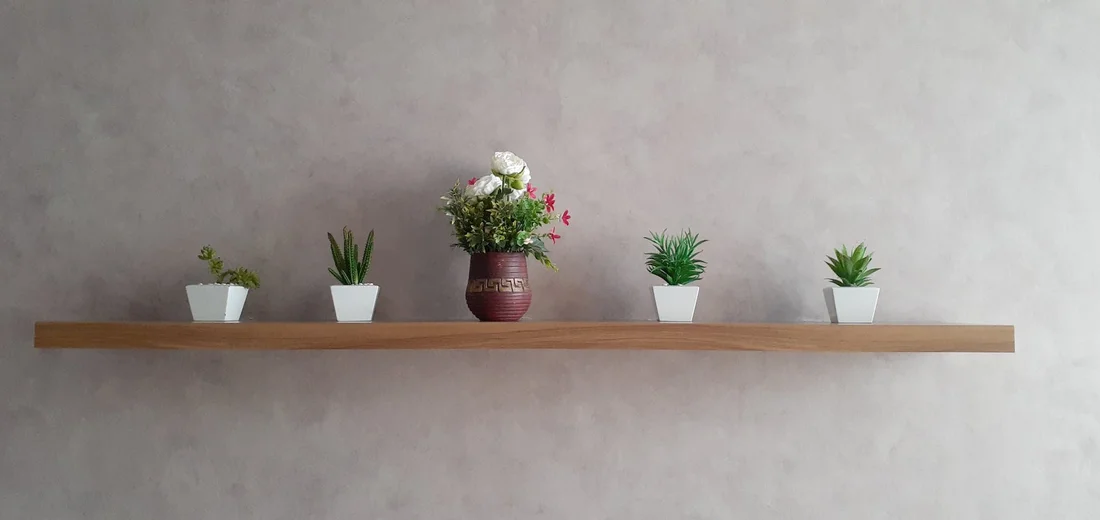
Choosing a pot is like picking out the perfect frame for a piece of art. The right planter doesn’t just hold your plant; it elevates the entire aesthetic and can even make your succulent’s colors pop. I’ve found that playing with different textures and materials is the fastest way to create a stunning display.
Playing with Textures and Materials
Think about the feel of your succulent’s leaves. A smooth, glossy jade plant looks incredible in a matte, textured pot. A spiky aloe vera can be softened by a rounded, smooth ceramic planter. Contrasting textures create visual interest that makes your plant the star of the room. In my own home, I love pairing rough, handmade terracotta with the sleek leaves of a echeveria.
The Power of Color and Scale
Color is your secret weapon. A vibrant, flowering kalanchoe can handle a boldly colored pot, while a pale, dusty blue succulent might look best in a neutral-toned container. Don’t be afraid to match your pot to your home’s decor rather than just the plant itself. This creates a cohesive look that feels intentional. These prettiest succulent varieties also make thoughtful home decor gifts—easy to care for and visually striking. Try options like echeveria, haworthia, or sedum for compact, gift-ready accents.
Scale is equally important. A tiny, delicate succulent can get lost in a huge pot. A good rule of thumb I follow is to choose a pot that is only about an inch or two wider in diameter than the plant’s root ball. This prevents the soil from staying too wet and gives the plant a balanced, proportional look. Choosing the right pot size is just one part of ensuring your succulents thrive.
Getting Creative: DIY and Upcycled Succulent Pot Ideas
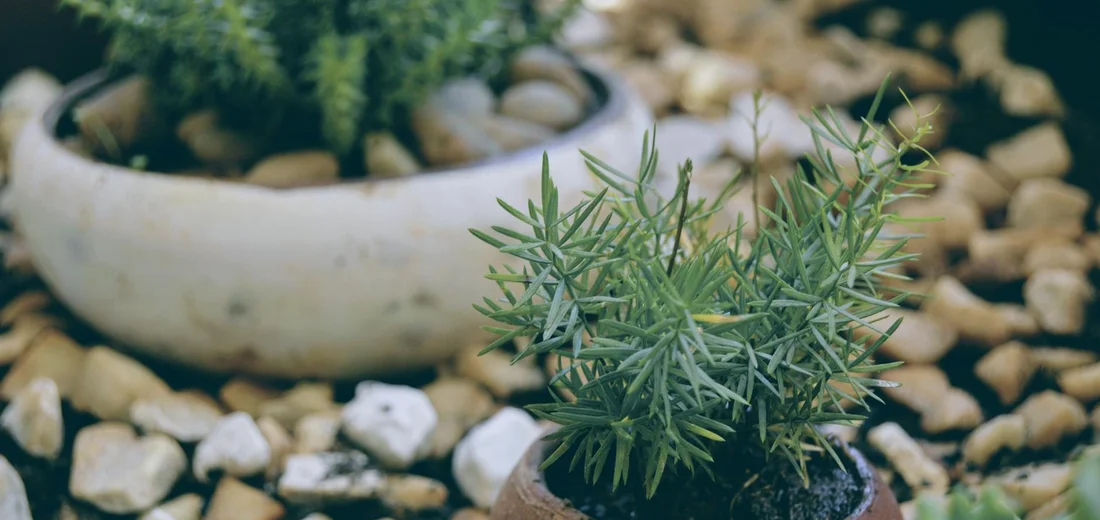
Some of my favorite planters didn’t come from a store. Upcycling items from around your house is a fantastic way to create unique, personal planters for a fraction of the cost. It’s also a fun weekend project that adds a story to your plant collection.
Household Items with a Second Life
Look in your kitchen cabinets or thrift stores for potential gems. Old mugs, teacups, and even colanders can become charming, quirky homes for your succulents. I’ve successfully planted a small sedum in a vintage teacup, and it’s one of the most complimented plants I own. Just remember the golden rule: drainage. Donkey tail (Sedum morganianum) thrives with bright light, a gritty, well-draining mix, and infrequent watering. With the right setup, you can grow sedum morganianum successfully in repurposed containers too.
- Mugs & Teacups: Perfect for small, shallow-rooted succulents like haworthias. Their handle makes them easy to move.
- Tin Cans: Thoroughly wash and remove the label. You can paint the outside or leave the rustic metal look. Use a nail and hammer to poke drainage holes in the bottom.
- Wooden Crates or Boxes: Great for creating a succulent arrangement. Line the inside with a plastic sheet (like a cut-up nursery pot) before adding soil to protect the wood from moisture.
- Ceramic Bowls: Ideal for a “succulent sphere” arrangement. You’ll need to be extra careful with watering since bowls lack drainage.
The Essential DIY Drainage Hack
Most upcycled containers don’t have drainage holes, which is the biggest risk for succulents. My go-to method is to use the container as a “cachepot.” I keep the succulent in its original plastic nursery pot and simply place it inside the decorative, hole-less container. When it’s time to water, I take the inner plastic pot out, water it in the sink, let it drain completely, and then place it back. It’s foolproof.
If you’re feeling brave, you can drill a hole. For ceramic or glass, use a diamond-tip drill bit and go slow with steady water flow to keep the bit cool. For tin cans, a simple nail and hammer will do the trick. Always wear safety glasses!
Thoughtful Gifts for Plant Lovers: Curating the Perfect Planter
Finding a gift for someone who adores plants is one of my favorite things to do. The key is to think beyond the plant itself and consider the home it will live in. A beautiful planter isn’t just a container; it’s a piece of decor that shows you understand their passion.
Match the Planter to Their Personality and Space
I always start by picturing the person’s home. Are their shelves filled with minimalist art and neutral tones? A sleek, matte ceramic pot would be perfect. Do they have a cozy, bohemian vibe with lots of textures? A hand-painted terracotta or a woven basket planter would feel right at home.
- The Modern Minimalist: Choose geometric shapes, concrete finishes, or simple glazed ceramics in monochrome colors.
- The Bohemian Spirit: Look for macrame hangers, pots with intricate patterns, or rustic, unglazed terracotta.
- The Vintage Collector: Scout thrift stores or online marketplaces for unique, one-of-a-kind finds like vintage teacups or small, ornate cachepots.
My go-to move is to sneak a peek at their existing plant collection to see what styles and colors they’re already drawn to. This almost always gives me the perfect inspiration.
Consider Function as Well as Form
A gorgeous pot is useless if it drowns their precious succulent. The most thoughtful gifts consider the plant’s needs and the owner’s habits. I learned this the hard way after gifting a stunning, non-draining pot to a friend who then nervously overwatered her jade plant.
- Check for Drainage: This is non-negotiable for succulents. If you find a pot without a hole, pair it with a simple, plastic nursery pot that fits inside.
- Size Appropriately: A planter should only be 1-2 inches wider than the plant’s current nursery pot. Too much soil stays wet for too long.
- Think About Weight: A large ceramic pot is beautiful but heavy. For someone who likes to rearrange often, a lightweight fiberglass or resin planter is a kinder choice.
For the friend who always forgets to water, a self-watering planter is a lifesaving and incredibly considerate gift. I’ve gifted a few of these, and the relief on the recipients’ faces is priceless.
Material Matters for Gifting
Different materials send different messages and suit different lifestyles.
| Material | Why It’s a Great Gift | Best For |
|---|---|---|
| Glazed Ceramic | Huge variety of colors and finishes; feels substantial and high-quality. | Someone with a curated, stylish home who appreciates design. |
| Terracotta | The classic choice; breathable walls help prevent overwatering. It develops a beautiful patina over time. | The traditional plant lover or anyone who tends to over-love their plants with water. |
| Concrete | Modern, industrial look; very durable and stable. | Gardeners who love architectural plants and have a contemporary aesthetic. |
| Fiberstone/Resin | Lightweight, looks like stone or ceramic, and is often frost-proof. | Anyone with a balcony, or for people who like to change their decor frequently without the heavy lifting. |
Add a Personal Touch
Elevate your gift from great to unforgettable with a small, personal addition.
- Create a Kit: Don’t just give the pot. Include a bag of fresh succulent potting mix, a small bag of decorative top dressing like pebbles or moss, and a cute, tiny watering can.
- Pair with a Tool: A stylish pair of pruning snips or a sleek soil probe is a practical and thoughtful companion to the planter.
- Offer a Repotting Service: For a truly personal touch, offer to help them repot a plant into their new gift. It turns the present into a fun, shared experience.
The most memorable gift I ever received was a simple, handmade pot from a friend’s child; it wasn’t fancy, but the thought behind it meant everything. It’s not always about the price tag, but the intention.
FAQs
What is an STL file for succulent pots?
An STL file is a 3D model format used for printing custom succulent pots at home.
Where can I find STL files for succulent planters?
You can download STL files from online repositories like Thingiverse or Cults 3D.
What materials are safe for 3D printing succulent pots?
Use non-toxic filaments like PLA or PETG to ensure plant safety.
How do I ensure proper drainage in a 3D printed pot?
Design or modify the STL file to include drainage holes before printing.
Are 3D printed pots durable for outdoor succulents?
They can be, but choose UV-resistant materials to prevent degradation.
Can I customize pots for specific succulent types using STL files?
Yes, STL files allow you to tailor pot size and shape to your plant’s needs.
Your Succulent Pot Shopping Adventure Awaits
After years of curating my own succulent family, I’ve found that the perfect pot marries sharp drainage with your personal flair, and you can score them from online gems like Etsy, local plant shops for hands-on picks, or big-box stores for budget-friendly finds. For more tips on choosing the right container, check out our guide on pots and containers for succulents.
Keep browsing Hardy House Plants for more plant-parent wisdom—you’re on the right track, and your succulents will reward your care with vibrant growth and beauty. Make sure to check out our pick of the best succulents for beginners to find the perfect ones for you.
Further Reading & Sources
- Succulent – Plant Pots – The Home Depot
- Succulent Planters in Indoor Planters – Walmart.com
- Unique Succulent Planters for Sale | Cute Succulent Pots
- Pots for Succulent | Growing Succulents in Containers | Succulent Home Decor Ideas – Succulents Box
Lena Greenfield is a passionate horticulturist and plant care expert with over 10 years of experience cultivating and nurturing hardy house plants. With a deep understanding of both indoor and outdoor gardening, Lena shares practical advice on choosing, caring for, and maintaining resilient plants that flourish year-round. Through her knowledge and hands-on approach, Lena helps plant lovers transform their spaces into vibrant, green sanctuaries, no matter their gardening experience.
DIY Projects