
Architectural Succulent Varieties for Modern Home Decor
Published on: February 1, 2026 | Last Updated: February 1, 2026
Written By: Lena Greenfield
You might be wondering which succulents can add bold, sculptural shapes to your clean-lined modern spaces, and whether they’ll thrive with your lifestyle.
In my years of designing with plants, I’ve found that picking the right varieties makes all the difference-so let me walk you through standout succulent picks, smart styling strategies, simple care steps, and their decor perks to help you create a stunning, low-fuss green oasis.
Defining Architectural Greenery: More Than Just a Plant
An architectural succulent isn’t just a plant you water; it’s a living sculpture you curate. I think of them as the furniture of the plant world-pieces that command attention and define the space around them through their powerful form. They’re the plants you choose not just for their life, but for their lines.
These plants possess a few key traits that set them apart from their more casual cousins.
- Sculptural Forms: They look like they were carved by an artist. Think of a perfect, mathematical rosette or a tower of stacked, coin-like leaves.
- Strong, Clean Lines: Their shapes are bold and graphic, not soft or bushy. They create visual impact with sharp silhouettes against a wall.
- Striking Symmetry: Many grow in near-perfect, radial patterns that feel both natural and meticulously designed.
- Textural Leaves: You want to reach out and touch them. Their surfaces can be smooth and waxy, ridged, or even bumpy, adding a tactile layer to their beauty.
To see the difference, compare the rigid, upright spears of a Snake Plant to the trailing, chaotic tendrils of a String of Pearls. Both are wonderful, but the Snake Plant acts as a structural pillar, while the String of Pearls is more of a soft, flowing accessory. If you’re weighing the ZZ plant against the snake plant, our zz plant vs snake plant detailed comparison guide can help. It highlights care, resilience, and decorative potential. Architectural plants are the statement-makers.
Top Sculptural Succulent Species for Your Space
Ready to meet the superstars? These are the genera and species I consistently recommend for their powerful presence and relatively easy-going nature.
- Echeveria: The quintessential rosette. Their flawless, flower-like symmetry makes them look like living art. They come in colors from dusty blue to lavender-pink.
- Haworthia: A master of geometric patterns. Many, like the Haworthia cooperi, have translucent leaf tips that look like little windows. I keep a Haworthia fasciata (Zebra Plant) on my desk, and its bold, white-striped ridges never fail to impress visitors.
- Crassula: Home to the famous Jade Plant and the mind-bending ‘Buddha’s Temple’. Their stacked, architectural growth can resemble a miniature skyscraper.
- Agave: For the boldest statement. Their fierce, geometric rosettes and sharp points scream modern desert chic. They demand space and reward you with immense presence.
- Aloe: Offers a more relaxed, yet still structured, form. The Aloe polyphylla (Spiral Aloe) is the holy grail, with leaves that spiral into a perfect Fibonacci sequence.
- Sansevieria (Snake Plant): The undisputed king of vertical lines. Its sharp, upright leaves are impossibly low-maintenance and cut through a room with pure, graphic strength.
My first major architectural plant was a large Agave in a terracotta pot, and it completely transformed a boring corner of my living room into a focal point. It taught me that one perfect plant can be more powerful than a dozen smaller, less defined ones.
How to Select the Right Architectural Succulent for Your Home
Picking the perfect plant feels less like a chore and more like an exciting design project when you break it down. I always start by getting to know a room’s personality before I ever bring a plant home. These are the key factors that determine plant suitability in indoor environments: light, humidity, temperature, space, and care needs. Matching a plant to those conditions helps it thrive.
A Simple 3-Step Selection Process
- Assess Your Light
Walk through your home at different times of day and just notice where the sun falls. South-facing windows get the most intense, direct light all day. East-facing ones offer gentle morning sun. West-facing windows get the strong afternoon rays, and north-facing ones have soft, indirect light all day.
- Measure Your Space
Grab a tape measure and note the height and width of your potential plant spot—a windowsill, a side table, an empty floor corner. This one act prevents the most common mistake: buying a plant that’s simply too big or too small for its intended home. Then use those measurements to pick plants that fit your room size and layout. This helps you map plant scale to furniture and traffic flow so the space feels balanced.
- Choose a Form That Complements Your Furniture
Look at the lines of your furniture. Do you have a low, long mid-century sofa? A tall, spiky plant like a Snake Plant can create a beautiful vertical contrast. Is your desk sleek and modern? A geometric Haworthia or a cluster of stacked Echeverias can mirror that clean aesthetic.
Quick Tip: If you’re unsure about your light levels, download a free light meter app on your phone-it’s a game-changer for removing the guesswork.
Essential Care for Your Drought-Tolerant Sculptures
The best part about these sculptural plants is that they thrive on a little benign neglect. Over the years, I’ve found that almost all problems stem from being too attentive, not from forgetting about them.
Their care revolves around three simple, non-negotiable pillars. Get these right, and your plants will be effortlessly stunning for years. In this living succulent wall garden creation care guide, we translate these pillars into practical steps for a thriving vertical garden.
- Light Requirements: Bright, Indirect is Best
While some, like Agaves, can handle direct sun, most architectural succulents prefer a bright spot where the sun’s rays aren’t directly scorching their leaves. A spot a few feet back from a south or west window is usually perfect. While light needs vary by species, it’s worth considering how much light different succulents really need. In practice, you may need to adjust by observing growth and color. You’ll know they’re getting enough light when they maintain their tight, compact form and vibrant colors.
- Watering Method: The Soak and Dry Technique
Forget the watering schedule. Instead, wait until the soil is completely dry all the way to the bottom of the pot. Then, take the plant to the sink and drench it until water runs freely out the drainage hole. Let it drain completely before putting it back. This method mimics the rare, heavy desert downpours these plants are built for.
- Soil Type: Gritty and Well-Draining is Non-Negotiable
Regular potting soil holds too much moisture and will cause rot. You need a specialized succulent and cactus mix. I often make my own by mixing two parts of this commercial mix with one part perlite or pumice for extra drainage. The goal is a soil that feels gritty and doesn’t clump together when wet. You can learn more about how to use perlite in succulent soil mixes to improve aeration and drainage.
These plants are wonderfully forgiving. If you forget to water for a few extra weeks, they’ll use the reserves stored in their leaves. Some succulents store water in their leaves, others in their fleshy stems. That built-in resilience is what makes them such fantastic companions for busy, modern lives.
Styling with Sculptural Succulents: A Modern Decor Guide
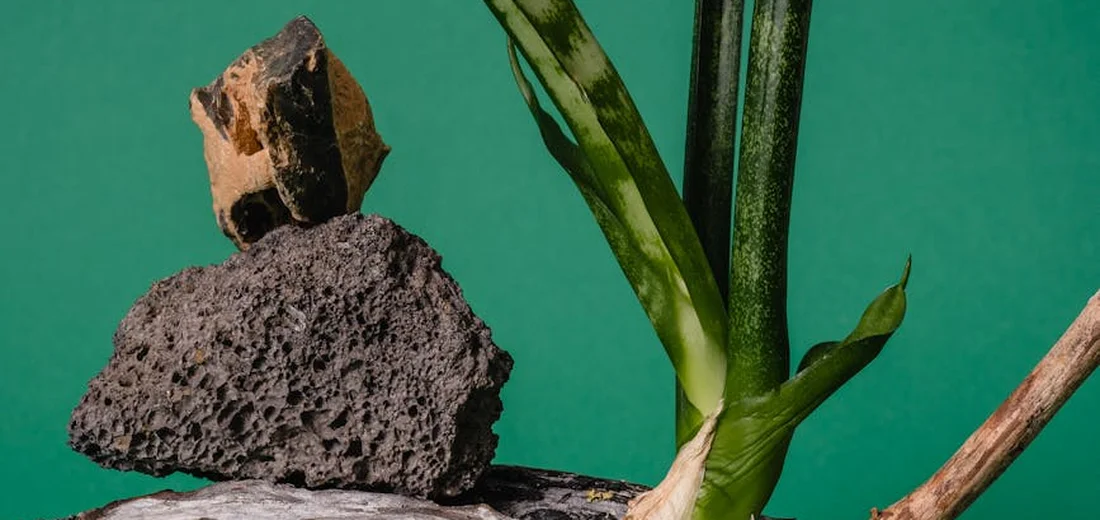
Treating these plants as living sculptures completely changed how I decorate my own space. Their strong forms and unique textures do the heavy lifting, so you don’t need a lot of clutter to make a stylish impact. The key is to let their natural architecture shine.
Choosing the Right Planter
The pot you choose acts as the sculpture’s pedestal. I lean towards materials that complement the plant’s modern vibe without competing for attention.
- Concrete Planters: I love the raw, industrial feel of concrete. It creates a beautiful contrast with the smooth, fleshy leaves of a Echeveria or the sharp lines of an Agave.
- White Ceramic: For a brighter, more minimalist look, a simple white ceramic pot is my go-to. It makes the colors of the succulent pop and fits seamlessly into any room.
- Geometric Designs: Hexagons, triangles, and cubes add another layer of modern artistry. I have a Haworthia cooperi in a glossy black geometric pot on my desk, and it always gets compliments.
Creative Display Ideas
How you place your plants is just as important as the plants themselves. Here are a few of my favorite setups.
- Solo Statement: Let one spectacular plant be the star. A large, mature Snake Plant or a sprawling Jade Plant in a beautiful pot can anchor an entire corner of a room.
- Grouped Collections: Create a captivating tableau by grouping 3-5 different architectural succulents together. Play with height and form by mixing tall, spiky varieties with low, rosette-shaped ones. I did this on my windowsill, and it feels like my own tiny, curated desert garden.
- Wall-Mounted Vertical Gardens: Short on surface space? Go vertical! You can mount individual pots on a wall grid or use a dedicated vertical planter. I installed a simple wooden shelf with a lip to hold a row of small Haworthias, and it turned a blank wall into a living art installation.
I once helped a friend style a bare entryway table with just a single, large Aloe vera in a sleek, cylindrical concrete pot. That one simple addition instantly made the space feel intentional and designed, proving you don’t need a jungle to make a statement.
Simple Propagation to Expand Your Indoor Greenery Collection
One of the most rewarding parts of this hobby is making new plants from the ones you already own. I remember being nervous the first time I tried it, but it’s honestly much easier than most people think.
Propagation feels like a little bit of magic happening right on your windowsill. You’re not just growing plants; you’re growing your confidence as a plant parent.
How to Propagate from a Leaf
This method works beautifully for Echeverias, Sedums, and many other rosette-forming succulents.
- Gently Twist: Choose a healthy, plump leaf from the bottom of the plant. Hold it firmly and give it a gentle twist from side to side until it snaps off cleanly at the base. You want the entire leaf base intact.
- Let it Callus: This is the most critical step! Place the leaf on a dry paper towel out of direct sun and leave it alone for 2-4 days. The end must form a dry, hardened “callus” to prevent it from rotting when you set it on soil.
- Lay on Soil: Once callused, simply lay the leaves on top of well-draining succulent soil. Do not bury them. Mist the soil lightly every few days, only when it is completely dry.
- Wait for Magic: In a few weeks, you’ll see tiny pink roots and a miniature rosette emerging from the callused end. Keep misting until the mother leaf withers away, then pot up your new baby plant!
How to Propagate from an Offset (Pup)
Plants like Aloe, Haworthia, and Sempervivum (Hens and Chicks) generously produce small offshoots, making propagation a breeze. With proper hens and chicks succulent care—bright light, well-draining soil, and sparse watering—you can grow a range of sempervivum varieties and enjoy their enduring rosettes.
- Locate the Pup: Find a good-sized offset growing from the base of the mother plant. The bigger it is, the better its chances of surviving on its own.
- Separate Carefully: Gently brush away the soil from the base. If the pup is connected by a stem, use a clean, sharp knife to make a clean cut. If it has its own roots, you can often just wiggle it free with your fingers.
- Pot it Up: Plant the offset in its own small pot with fresh succulent soil. If it had roots, water it lightly right away. If it was rootless, treat it like a leaf cutting and wait a week before watering.
Seeing that first tiny root is a thrill every single time. Don’t be discouraged if a leaf or two doesn’t make it; that’s perfectly normal. Propagation is a numbers game, and even a 50% success rate means you’ve doubled your plant collection for free.
Common Questions
How do architectural succulent varieties differ from regular succulents?
They are distinguished by their strong, sculptural forms, clean lines, and striking symmetry, which act as bold design elements rather than just greenery.
How much light do architectural succulent varieties need?
Most thrive in bright, indirect light, positioned a few feet away from a south or west-facing window to maintain their compact form.
How often should architectural succulent varieties be watered?
Water them thoroughly only when the soil is completely dry, using the “soak and dry” method to mimic natural desert rainfall.
Can architectural succulent varieties be grown in containers?
Yes, they are excellent container plants and often look best in modern planters like concrete or geometric ceramic pots that complement their forms. Are these the best pots for succulents? Generally, containers with drainage holes and shallow depth work best to keep succulents healthy.
Are architectural succulent varieties drought tolerant?
Absolutely, they are highly drought-tolerant by nature, storing water in their leaves to survive long periods without irrigation.
What maintenance is required for architectural succulent varieties?
They require minimal maintenance, primarily needing well-draining soil, infrequent watering, and occasional removal of dead leaves at the base.
Your Succulent Style Simplified
In my years of decorating with architectural succulents, I’ve learned that success hinges on selecting low-maintenance varieties and mimicking their natural habitat with bright light and sparse watering. Focus on these three elements to keep your modern decor looking fresh and vibrant. These basics also pave the way for creative ways to display succulents in your home. Try stacked trays, hanging terrariums, or sculptural containers to showcase them.
- Opt for sculptural types like Echeveria or Haworthia that complement clean lines.
- Ensure they get ample indirect sunlight to maintain their striking forms.
- Water only when the soil is completely dry to prevent root rot.
For ongoing tips and to see how I style my own space, follow along at Hardy House Plants (www.hardyhouseplants.com). You’re on the right track-these plants are tough and will thrive with your care, adding a touch of nature to your home effortlessly.
Further Reading & Sources
- Indoor Succulent Plants: Best Varieties for Your Home
- 80 Types of Succulents for Beginners and Expert Gardeners
- Types of Succulents to Grow in Your Home
- 12 Types of Succulents for a Low-maintenance Garden | HowStuffWorks
Lena Greenfield is a passionate horticulturist and plant care expert with over 10 years of experience cultivating and nurturing hardy house plants. With a deep understanding of both indoor and outdoor gardening, Lena shares practical advice on choosing, caring for, and maintaining resilient plants that flourish year-round. Through her knowledge and hands-on approach, Lena helps plant lovers transform their spaces into vibrant, green sanctuaries, no matter their gardening experience.
Types of Succulents