
How to Save a Broken Succulent
Published on: February 3, 2026 | Last Updated: February 3, 2026
Written By: Lena Greenfield
You’ve just knocked over your favorite succulent, and a piece has broken off-don’t panic! I’ve been in your shoes many times over the years, and I can tell you with confidence that most broken succulents are far from a lost cause.
In this guide, I’ll walk you through exactly what to do next, based on my own hands-on experience nursing dozens of plants back to health. We’ll cover saving the broken leaves, propagating the stem piece, and your options for replanting the original base.
First Aid: Assessing Your Broken Succulent
Can You Save a Broken Succulent Leaf?
When a leaf snaps off, your first move is to check its condition. Gently squeeze the leaf; if it feels firm and full, not mushy or papery, you have a great chance of propagating it. I’ve found that a clean break at the base, where the leaf attaches to the stem, often gives you the best shot at growing a new plant.
If the leaf is torn, squishy, or translucent, it’s usually a goner. Toss it in your compost. But a healthy, plump leaf is worth the effort. Place it on dry soil in bright, indirect light and forget about it for a few weeks. I once rescued a dozen broken Echeveria leaves this way, and most sprouted tiny pink roots.
How to Fix a Broken Succulent Stem
A broken stem feels more dramatic, but it’s often an easy fix. The most critical step is letting the broken end dry out and form a callus, which is a hard, protective layer over the wound. I always set the broken piece on a paper towel on my windowsill for 3-5 days. This prevents rot when you replant it.
If the break is clean, you’re in luck. A jagged break needs a little help. Use a clean, sharp knife or scissors to make a straight cut just below the break. This gives the plant a clean slate to callus over. I keep a dedicated pair of tiny scissors in my plant kit just for this purpose.
Your Immediate Action Plan
Should You Trim Damaged Parts or Leave Them?
My rule is simple: if it’s damaged, trim it. A crushed leaf or a partially broken stem won’t heal. Leaving damaged tissue invites fungi and bacteria to attack the healthy parts of your plant. I use sterilized scissors to snip off any bruised, bent, or torn sections. Make a clean cut back to the healthy, firm green tissue.
Think of it like pruning a tree after a storm. You’re not hurting the plant; you’re helping it redirect its energy. The plant will stop trying to save the doomed part and focus on pushing out new growth. Pruning succulents correctly supports their health and keeps their shape neat. It also enhances their aesthetics for a tidy, vibrant look. I’ve seen succulents bounce back with double the vigor after a strategic trim.
Stabilizing a Severed Stem or Rosette
Once your cutting has callused, it’s time to give it a new home. Don’t bury the callused end deep in the soil; just rest it on top or make a shallow indentation so it stands upright. I use a chopstick to make a small pilot hole in dry, gritty succulent mix, then gently place the stem inside.
For a top-heavy rosette that keeps tipping over, get creative. I’ve used small rocks as a supportive collar around the base. You can also use bamboo skewers as mini stakes. The key is to provide support without constricting the plant. Don’t water it for at least a week to encourage the roots to search for moisture and anchor themselves.
Propagating Your Broken Pieces
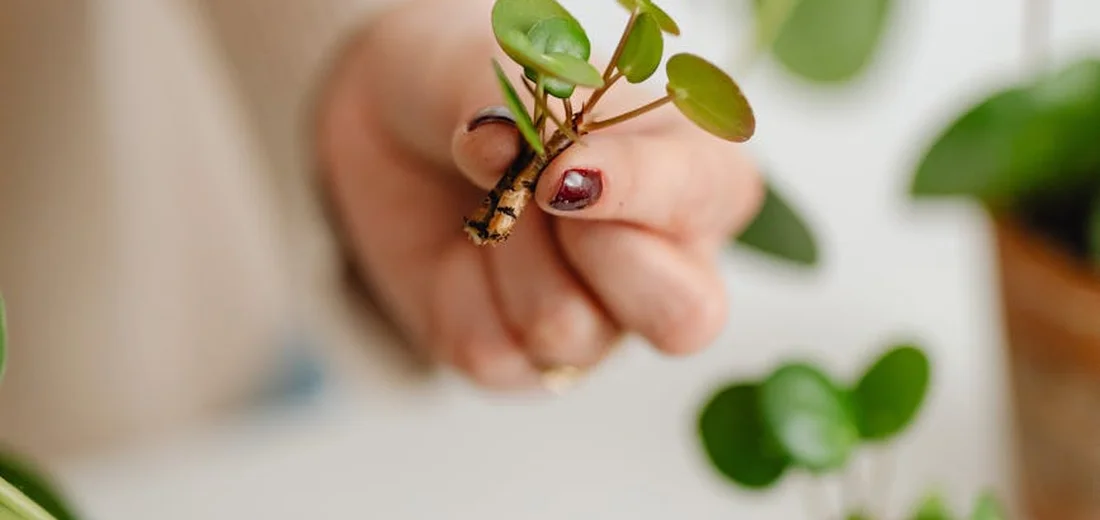
How to Propagate a Broken Succulent Stem
Finding a snapped stem used to break my heart, but now I see it as a chance for more plants. The first and most critical step is to let the broken end dry out and form a callus. I lay the stem piece on a paper towel out of direct sun for a few days until the wound looks dry and sealed.
Once calloused, you can plant it. I stick the stem about an inch deep into dry, gritty soil. Resist the urge to water for at least a week to encourage the stem to send out new roots searching for moisture. After that first week, I give the soil a light sprinkle, just enough to dampen the top layer.
Can You Root a Broken Leaf to Regrow a New Plant?
You absolutely can, and it’s my favorite kind of succulent magic. For a leaf to have the best shot, it needs a clean break right from the stem. If it’s torn, it often just rots. I gently wiggle the leaf side-to-side until it snaps off.
Lay the whole leaf on top of dry soil; don’t bury it. Place it in bright, indirect light and forget about it-seriously, no water. In a few weeks, you’ll see tiny pink roots and a miniature rosette emerging from the base. I only start misting the soil lightly when the mother leaf starts to shrivel up.
Replanting a Dislodged Rosette or Offset
When a whole rosette snaps off, you’re already most of the way to a new plant. Treat it just like a broken stem. Let the base of the rosette callus over completely before you even think about soil. This prevents a mushy, rotten center, which is a death sentence.
After it’s calloused, set it on top of a pot filled with your dry succulent mix. The existing roots, if any, should barely touch the soil surface. Wait another week before introducing a tiny bit of water. The plant will sense the soil below and drive its roots down into it on its own.
The Perfect Setup for Recovery
What Soil Mix is Best for a Damaged Succulent?
Regular potting soil holds too much water and will rot your fragile cuttings. I make my own recovery mix with two parts potting soil to one part perlite and one part coarse sand. This creates a loose, airy environment that provides support but drains instantly.
You want a mix that feels gritty, not dense or muddy. A fast-draining soil is your number one defense against rot while your plant has no roots or fresh wounds. If you buy a pre-made cactus mix, I always stir in extra perlite to be safe.
Choosing the Right Container
The pot matters almost as much as the soil. Always, always choose a container with a drainage hole—terracotta pots are my go-to because they breathe. This allows excess water to escape and helps the soil dry out faster, which is exactly what your succulent needs. So, are best pots containers for succulents? The short answer is yes—choose breathable, well-draining containers to keep succulents thriving.
For a single leaf or small stem cutting, start small. A tiny 2-inch pot is perfect because it prevents the small root system from sitting in a large volume of damp soil. A pot that’s too big is a common mistake that keeps the soil wet for far too long.
Ideal Light, Temperature, and Humidity for Healing
Your recovering succulents need a bright spot but must be protected from harsh, direct afternoon sun. I place mine in a spot that gets plenty of morning light or bright, filtered light all day. Direct sun can scorch a vulnerable cutting that isn’t yet taking up water. Light and gentle airflow work together to prevent succulent diseases by keeping leaves dry. A little air movement also reduces moisture that fungi thrive on.
Normal room temperatures between 65°F and 75°F are ideal. Keep them away from cold drafts from windows or the direct blast of a heating vent. Most home humidity levels are fine; you don’t need to create a humid environment like you would for tropical plants.
Long-Term Healing and Care
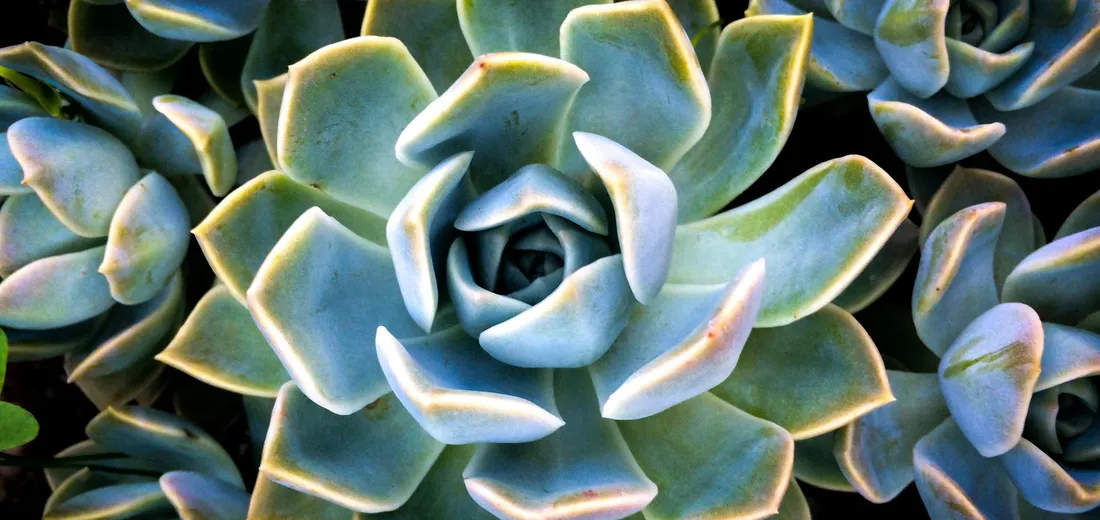
How to Water a Broken Succulent During Recovery
Watering a healing succulent is a delicate dance, and I’ve learned from experience that the biggest mistake is being too eager with the watering can. The golden rule is to treat the soil, not the plant, letting it dry out completely between waterings. A freshly potted broken piece has tiny root hairs that are incredibly vulnerable to rot in consistently damp soil. To avoid common succulent watering mistakes, wait until the soil is fully dry before watering again. If in doubt, err on the side of under-watering.
I always use the “soak and dry” method, but with extra caution during this period. I place the pot in a sink with a few inches of water and let the soil wick up moisture from the bottom for about 15-20 minutes. This encourages the new roots to grow downward seeking water. Then, I let it drain thoroughly before returning it to its spot.
Your plant will tell you what it needs. If the remaining leaves start to feel a bit soft or look slightly wrinkled, it’s a clear signal for a drink. If the leaves are firm and plump, hold off. Bottom-watering is your best friend here, as it prevents water from sitting on the broken end or in the leaf rosette where it can cause rot.
How Long Does it Take for a Succulent to Heal After Breaking?
Patience is the most important tool in your plant rescue kit. A broken succulent isn’t like a cut on your finger; it heals on a much slower, plant-time scale. You can expect to see the first signs of new root growth, tiny pink or white nubs, anywhere from two to six weeks after you’ve planted the broken piece.
The original break itself will callus over permanently, forming a rough, corky scar. The plant won’t regenerate the lost tissue, but it will focus all its energy on building a new root system and, eventually, new leaves from its center. A full recovery, where the plant is firmly rooted and showing consistent new growth, typically takes a full growing season, which is about three to four months.
I had a jade plant stem snap clean in half, and it took a solid eight weeks before it felt secure in its pot when I gave it a gentle wiggle. Resist the urge to constantly check for roots by pulling the plant out, as this disturbs the very delicate process you’re trying to encourage. Trust the process and let the plant do its work in peace.
Essential Tools for Succulent Rescue
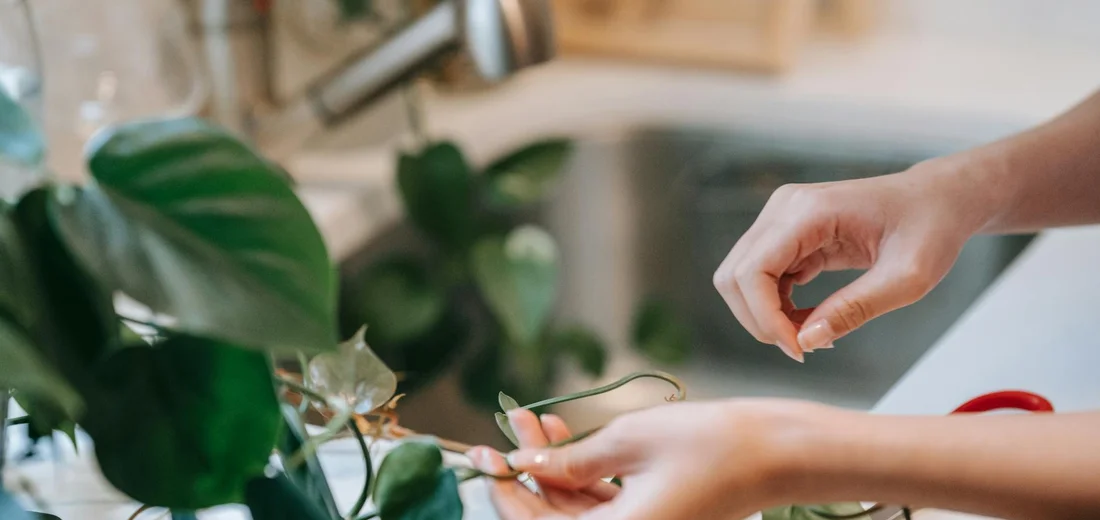
Having the right gear on hand turns a potential plant tragedy into a simple procedure. Over the years, I’ve found that a small, dedicated kit makes all the difference.
- Sharp, Clean Scissors or Pruners: A clean cut is crucial for preventing infection and helping the plant callus quickly. I wipe my blades with rubbing alcohol before every use.
- Well-Draining Potting Mix: Regular potting soil holds too much moisture. I always use a specialized succulent and cactus mix, or make my own with two parts potting soil, one part perlite, and one part coarse sand.
- A Pot with a Drainage Hole: This is non-negotiable. Terracotta pots are my favorite for succulents because they are porous and help wick away excess moisture from the soil.
- Small Trowel or Spoon: Perfect for easily filling your new pot with soil without making a huge mess on your table.
- Rubbing Alcohol and Cotton Balls: For sterilizing your cutting tools before and after you use them. This simple step prevents the spread of bacteria and fungus.
- Rooting Hormone (Optional but Helpful): While not strictly necessary, a powdered rooting hormone can give your broken stem piece a boost, encouraging faster root development. I dip the callused end in it right before planting.
Keep these items together in a small box, and you’ll be ready to act fast the next time a succulent takes a tumble. Being prepared is half the battle in successful plant parenthood. For more tips on caring for succulents, especially when repotting, check out this step-by-step guide on how to repot succulents for beginners.
Preventing Future Breaks
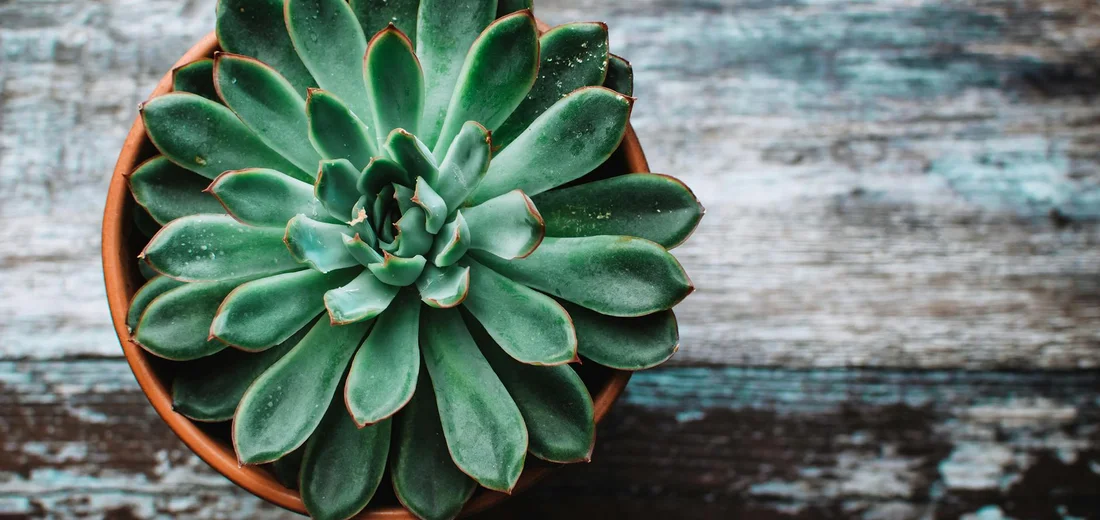
After nursing a broken plant back to health, the last thing you want is a repeat performance. I’ve learned through trial and error that most succulent breaks are completely preventable with a few simple habit changes. Let’s make your plants more resilient. If a piece does break, you can replant and regrow it into a healthy new plant. Many succulents root easily from cuttings, so you’ll be back to a thriving display in no time.
Give Them the Right Amount of Light
Stretching for light, or etiolation, is a top reason stems get weak and snap. Your succulent is basically telling you it’s starved for sunshine.
- Bright, Direct Light: Most succulents crave several hours of direct sun daily. A south-facing window is often perfect.
- Watch for Stretching: If you notice more space between the leaves and the stem looks pale and thin, it needs more light, pronto.
- Rotate Regularly: I give my potted succulents a quarter-turn every time I water. This ensures every side gets its time in the sun and grows evenly.
A firm, compact rosette is a sign of a happy, well-lit succulent that’s far less likely to topple over.
Master the Art of the Watering Can
Overwatering doesn’t just cause root rot; it makes leaves and stems soft, heavy, and prone to breaking off.
- The “Soak and Dry” Method: This is my golden rule. I drench the soil completely, then wait until it’s bone-dry before even thinking about watering again.
- Feel the Soil: Don’t just go by a schedule. Stick your finger an inch or two into the dirt. If it feels damp, walk away from the watering can.
- Use Pots with Drainage: This is non-negotiable for me. A pot with a drainage hole lets excess water escape, preventing a soggy, unstable base.
Succulents are built for drought; treating them like a tropical plant is a one-way ticket to mushy, broken stems.
Handle with Care and Choose a Safe Spot
Sometimes, the problem isn’t the plant-it’s its environment. A little foresight can prevent a lot of accidents.
- High-Traffic Zones: Avoid placing your succulents on narrow windowsills or wobbly side tables where pets, kids, or elbows can easily knock them over.
- Repotting Gentle: When it’s time for a bigger home, handle the plant and its roots as little as possible. I support the main stem with one hand while tipping the pot with the other.
- Sturdy Pot Selection: A top-heavy succulent in a lightweight, narrow-based pot is an accident waiting to happen. I opt for heavier terracotta or wide-based ceramic pots for stability.
Think of your succulent’s spot like a safe little neighborhood—it should be bright, quiet, and free from bumpy traffic. To grow them effectively indoors, supplement with grow lights to ensure they get enough light. Position the lights close enough to mimic sun but not so close as to scorch, and use a timer to create regular day-night cycles.
Quick Troubleshooting Guide
| Problem | Likely Cause | Quick Fix |
|---|---|---|
| Stem is long, thin, and leaning | Not enough light | Move to a brighter location immediately |
| Leaves are soft, translucent, and falling off | Overwatering | Stop watering; check for root rot |
| Plant keeps tipping over in its pot | Pot is too small or light | Repot into a wider, heavier container |
FAQs
Can I use rooting hormone on a broken succulent stem?
Yes, applying rooting hormone to the callused end can speed up root growth for better establishment.
Is it possible for a broken succulent to regrow from a node?
Yes, if the stem includes a healthy node, it can produce new roots and shoots for regeneration.
What signs indicate a broken succulent is rotting or failing?
Watch for soft, blackened areas or a musty smell, which often mean rot has set in.
Should I repot a damaged succulent, and when?
Repot after the break has callused, using a fresh, fast-draining mix to reduce stress.
How do I sterilize tools before repairing a succulent?
Clean blades with isopropyl alcohol to eliminate pathogens and prevent disease spread.
Are there safer alternatives to adhesives for stabilizing a broken succulent?
Use gentle props like bamboo skewers or pebbles to hold the plant upright without chemicals.
Your Succulent’s Comeback Story
In my years of nurturing succulents, I’ve learned that saving a broken one hinges on quick, gentle action and a bit of patience. If you’ve found fallen or broken leaves, you’ll want to decide the best next step. By focusing on clean handling and the right environment, you can often turn a mishap into new growth. Here’s a quick recap of the essentials:
- Let the broken piece callous over before planting.
- Use well-draining soil to prevent rot.
- Water sparingly until roots establish.
For more hands-on tips, keep browsing Hardy House Plants – I share real-life lessons that make plant care feel doable. Are succulents easy care for beginners? This complete guide covers the basics. Your succulent is tougher than it looks, and with these steps, you’ll both bounce back stronger.
Further Reading & Sources
- How to Revive a Succulent
- How To Revive Your Busted Succulents | by Succulent Studios | Medium
- How to Revive a Succulent So It’s Healthy and Thriving Again, According to Expert Gardeners
- r/succulents on Reddit: Is there any way to revive my dried out Succulents?
Lena Greenfield is a passionate horticulturist and plant care expert with over 10 years of experience cultivating and nurturing hardy house plants. With a deep understanding of both indoor and outdoor gardening, Lena shares practical advice on choosing, caring for, and maintaining resilient plants that flourish year-round. Through her knowledge and hands-on approach, Lena helps plant lovers transform their spaces into vibrant, green sanctuaries, no matter their gardening experience.
Propagation Methods