
Where to Buy Mermaid and Dolphin Succulents
Published on: February 13, 2026 | Last Updated: February 13, 2026
Written By: Lena Greenfield
Finding a real mermaid or dolphin succulent can feel like searching for a mythical creature, and you’re right to worry about ending up with a fake or overpaying for a common plant.
In this guide, I’ll share my own hunt for these charming plants, covering trusted online shops, local nursery strategies, price expectations, and how to spot scams so you can bring one home with confidence.
What Are Mermaid and Dolphin Succulents?
Let’s get to know these charming plants. I’ve been lucky enough to grow both in my own collection, and their whimsical shapes always bring a smile to my face.
The Mermaid Tail Succulent
The plant commonly called the “Mermaid Succulent” is a crested form of the Senecio vitalis, sometimes sold as Curio talinoides. Its scientific name is Senecio vitalis f. cristata, and it’s a fascinating example of a mutation called fasciation. Instead of growing in its usual spiky, shrub-like form, the growth point flattens and fans out, creating a wavy, undulating structure that looks just like a mermaid’s tail. The color is a soft, sea-foam green with a subtle powdery coating.
The Dolphin Succulent
The adorable “Dolphin Succulent” is a hybrid, scientifically known as ×Senecio ‘Hippogriff’ or more commonly, Senecio peregrinus. This plant is a cross between the String of Pearls (Senecio rowleyanus) and the Candle Plant (Senecio articulatus). The result is a trailing vine where each small, plump leaf has a distinctive “fin” that makes it look like a pod of tiny dolphins leaping through the air. The leaves are a beautiful blue-green color. Beyond its blue-green leaves, there are many colorful succulent varieties in pink, blue, and purple. These hues can make striking mixed arrangements with the Dolphin Succulent.
Key Visual Features for Identification
- Mermaid Tail: Look for a fan-shaped, wavy crest. It doesn’t have traditional leaves but a continuous, flattened stem that resembles coral or a tail. The surface is smooth and can have a slight bluish tint.
- Dolphin Succulent: Identify it by the trailing stems covered in small, fleshy leaves, each with a pointed protrusion (the dolphin’s “nose”) and a split “fin” on the top. It grows in a cascading habit, perfect for hanging baskets.
Why They’re Considered Rare and Unique
From my experience hunting for unusual succulents, these two stand out for specific reasons. The Mermaid Tail is rare because the crested mutation doesn’t occur often and can’t be reliably produced from seed; it’s usually propagated by cuttings from existing crested plants. The Dolphin Succulent is unique because it’s a specific hybrid. While it’s becoming more popular, a mature, well-formed plant with clearly defined “dolphins” is still a special find. Their whimsical, figurative shapes are what truly make them conversation starters and prized possessions in any plant lover’s home. With proper care—bright, indirect light and well-draining soil—these trailing forms thrive and spill over pots. The playful dolphin and mermaid tail shapes are a defining feature of these unique trailing varieties, making them standouts for collectors seeking character and charm.
Finding Mermaid and Dolphin Succulents Online
Online shopping is your best friend when hunting for these specialty plants. I’ve bought most of my rare succulents online, and it opens up a world of possibilities you won’t find at the local garden center. For rare Korean succulents online, look for online nurseries that curate Korean cultivars or marketplaces that clearly label their sources and shipping options.
Benefits of Online Shopping
- Wider Selection: Local nurseries rarely stock these niche plants. Online specialty shops and marketplaces like Etsy are dedicated to rare and unusual succulents, giving you a much better chance of finding them.
- Direct from Growers: You can often buy from the small-scale growers who specialize in propagating these exact plants, which usually means healthier specimens and more expert care.
- Community Reviews: You can read detailed feedback from other buyers about the plant’s size, health upon arrival, and the seller’s shipping methods before you commit to a purchase.
Using Search Terms Effectively
To find exactly what you’re looking for, you need to speak the language of succulent enthusiasts. Be specific and try a combination of terms like “mermaid tail succulent for sale,” “Senecio peregrinus live plant,” or “dolphin string succulent.” Avoid overly generic terms like “cute succulent.” Including the scientific name in your search often leads you to more serious and knowledgeable sellers. I also recommend searching for “established” or “rooted” mermaid or dolphin succulent to ensure you’re getting a plant that’s past the fragile propagation stage. If you’re also curious where to buy real or artificial succulents, you can compare listings from reputable garden centers and decor shops. Look for clear labeling—live plant versus artificial—to avoid buying the wrong type.
Evaluating Online Succulent Stores
Before you click “add to cart,” take a few minutes to vet the seller. Your plant will be traveling in a box, so you want to set it up for success.
- Check the Photos: A reputable seller will use actual photos of the plant you will receive, not just a generic stock image. Look for bright, firm leaves and no signs of pests or rot.
- Read the Shipping Details: Look for phrases like “bare root shipping” (soil is removed to prevent mess and rot during transit) and “secure packaging.” Good sellers will explain how they protect the plant in the box.
- Review the Shop’s Policies: A clear “Live Arrival Guarantee” is a great sign. It shows the seller stands behind their product and shipping methods.
- Pay Attention to the Season: I never order live plants online during extreme weather-either the deep cold of winter or the scorching heat of summer-as this dramatically increases the risk of shipping damage. Aim for spring or fall for the safest transit.
Locating Mermaid and Dolphin Succulents Locally
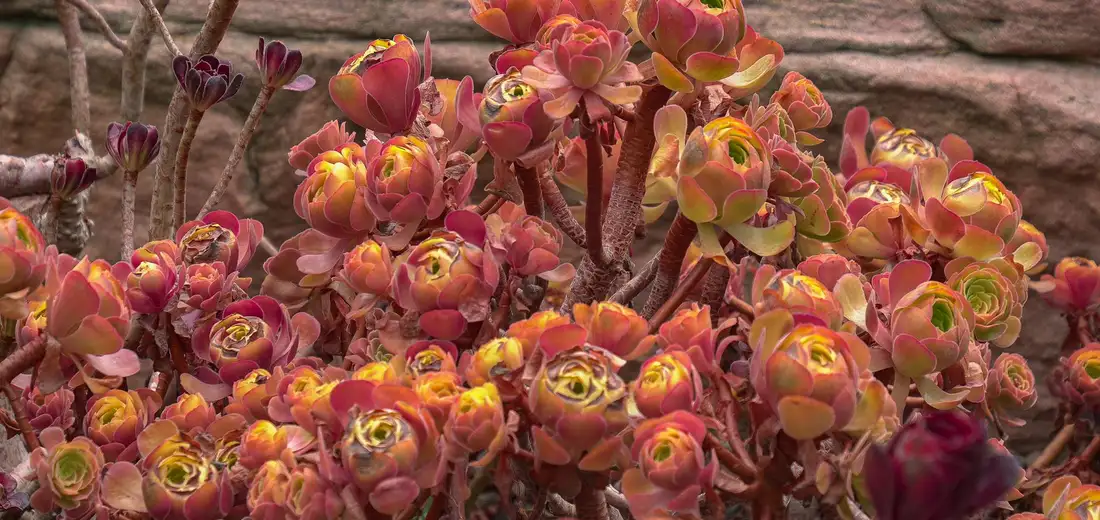
Finding these charming plants in person feels like a treasure hunt, and I’ve had my best luck by getting specific with my searches.
Instead of just searching for “succulent nursery near me,” I use more targeted phrases like “rare succulent sellers” or “cactus and succulent specialty nursery.” These shops are more likely to cultivate unique varieties than a big-box garden center. Rare succulent varieties are often found in specialty nurseries.
When you visit a local shop, don’t just scan the shelves. Here is my tried-and-true method for inquiring:
- Ask an employee directly: “I’m looking for Senecio peregrinus or Senecio ‘Hippogriff’, often called dolphin or mermaid succulents. Do you ever carry those?”
- Be prepared with the botanical name, as common names can cause confusion.
- Politely ask if they have a waiting list for rare plants or if they can recommend another local seller who might.
Some of my favorite finds have come from local plant enthusiasts, not stores.
Don’t overlook local plant swap groups on social media or community garage sales focused on gardening. I once traded a propagated String of Pearls for a beautiful, established Dolphin Succulent at a swap meet. These events are goldmines for passionate growers who often have rare cuttings.
Evaluating Sellers for Quality and Reliability
Buying plants online requires a bit of detective work to ensure you get a healthy specimen. I’ve learned this through both fantastic successes and a few disappointing purchases.
-
Seller reviews are your best friend. I always sort by “most recent” to see the current state of their business. Look beyond the star rating and read comments specifically mentioning plant health upon arrival and accuracy of the plant ID. If multiple reviews mention receiving the wrong plant or one that was rotting, I move on. This also gives you a realistic idea of the current mermaid succulent price and dolphin succulent price.
-
Scrutinize the product photos. A reputable seller will use their own photos, not generic stock images. I look for clear, close-up shots that show vibrant green leaves (dolphins or fins) with no signs of yellowing, spots, or shriveling. A blurry photo is a major red flag for me, as it can hide pests or poor health.
-
Always check the shipping details before clicking “buy.” A good seller will have a clear shipping policy that explains how they insulate plants and what to do if your plant arrives damaged. I specifically look for phrases like “heat packs included in winter” or “bare-root shipping” to ensure the plant is sent in the safest way possible. A seller without a return or damage policy is a big risk.
After Purchase: Basic Care for Mermaid and Dolphin Succulents
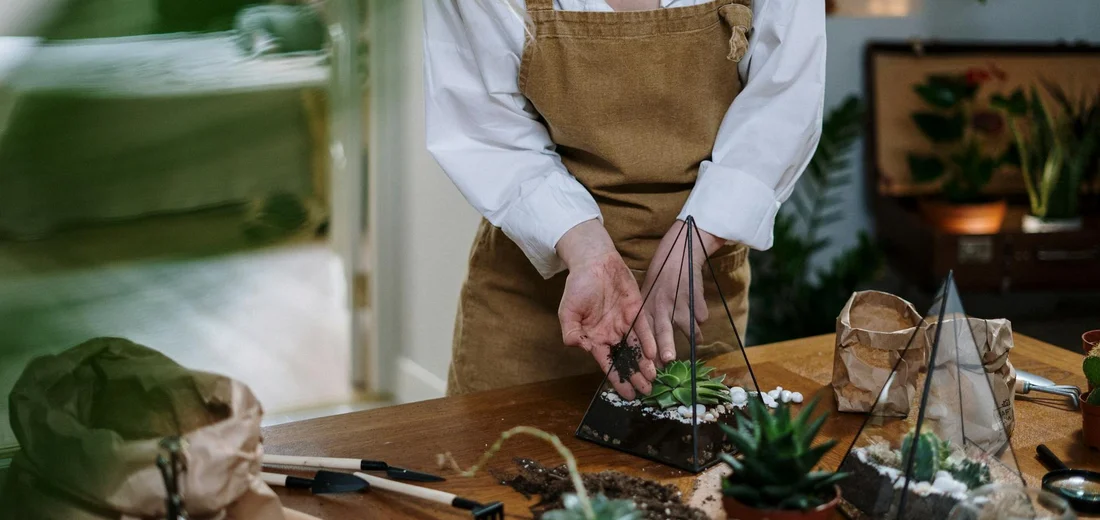
Getting these beauties home is just the start. Your main job is to resist over-loving them, which usually means overwatering. I’ve killed my share of succulents with kindness before learning their simple language. If you’re new to succulents, the best starting point is the top 10 easy-care varieties for beginners. They’re forgiving of watering mistakes and thrive on simple care.
Essential Care Needs
Think of these succulents as sunbathing tourists who hate wet feet.
- Light: They crave bright, indirect light. A south or east-facing window is perfect. Too much direct, hot sun can scorch their unique leaves, causing brown or white scars. If you only have a low-light spot, the stems will stretch out and lose their compact shape.
- Watering: This is the most common mistake. Wait until the soil is completely dry, then give it a thorough soak until water runs out the drainage hole. In my home, this means watering every 2-3 weeks in summer and maybe once a month in winter. Stick a wooden toothpick into the soil; if it comes out clean, it’s time to water.
- Soil Mix: Regular potting soil holds too much moisture. I always make my own mix: two parts potting soil, one part perlite, and one part coarse sand. This gritty mix ensures water flows through quickly, preventing root rot.
Common Issues to Watch For
These plants will tell you what’s wrong-you just have to look.
- Overwatering (Squishy Leaves): If the leaves feel soft, mushy, or translucent, you’re watering too much. The stem might also turn black. Let the soil dry out completely and check for root rot. If the stem is black, you’ll need to behead the plant and re-root the top.
- Underwatering (Wrinkled Leaves): The leaves will look shriveled and feel thin. A good drink will plump them back up within a day or two.
- Pest Problems (Mealybugs): These look like tiny bits of white cotton in the leaf crevices. I dab them directly with a cotton swab dipped in rubbing alcohol, which kills them on contact without harming the plant.
Household Solutions for Vibrant Growth
You don’t need fancy products to keep them happy.
- For a simple soil amendment, mix in a handful of small gravel or chicken grit with your potting soil.
- To clean dust off leaves and discourage pests, gently wipe them with a damp paper towel.
- If you suspect early root rot, sprinkle a little cinnamon on the soil surface. It’s a natural antifungal that I’ve used for years with great success.
Expanding Your Collection: Propagation Tips
Creating new plants from your existing ones is incredibly rewarding. Propagation feels like getting free plants, and it’s a fantastic way to share the joy with friends. I find mermaid tails a bit easier to propagate than dolphin succulents, but both are doable with patience. It’s especially helpful to know the right techniques when propagating succulents from leaves and cuttings.
How to Propagate from Leaves or Cuttings
You have two main methods, and I’ve had the best luck with stem cuttings.
- Choose Your Method: For leaf propagation, gently twist a healthy, plump leaf from the stem. For a stem cutting, use a clean, sharp knife or scissors to snip a piece of stem with a few leaves attached.
- The Callous is Key: This is the most critical step! Let the cut end of your leaf or stem dry out and form a hard, scab-like callous for 2-4 days. If you skip this and plant it right away, it will absorb too much water and rot.
- Prepare for Rooting: Fill a small pot with the same fast-draining soil mix you use for the mother plant. Lightly mist the surface so it’s just barely damp.
- Planting Time: For leaves, just lay them on top of the soil. For stem cuttings, place the calloused end into the soil, just deep enough to support it.
- The Waiting Game: Place the pot in bright, indirect light. Mist the soil lightly every few days only when it feels completely dry. Roots and a tiny new plant (a pup) will eventually emerge from the leaf base or stem. This can take several weeks.
Personal Experience for Best Results
From my many propagation attempts, I’ve learned a few tricks.
- Spring and early summer are the absolute best times to propagate, as the plants are in their active growth phase.
- My success rate with stem cuttings is about 80%, while individual leaves are closer to 50%. Don’t get discouraged if some leaves just shrivel up-it’s a numbers game!
- Resist the urge to tug on the cutting to check for roots. You’ll know it’s working when you see new growth from the top.
FAQs
How do I differentiate between a healthy and unhealthy mermaid or dolphin succulent?
A healthy plant has firm, vibrant leaves with no signs of yellowing, mushiness, or pests.
Are mermaid and dolphin succulents toxic to cats or dogs?
Yes, both are toxic if ingested and can cause vomiting or irritation in pets.
What is the typical lifespan of mermaid and dolphin succulents?
With proper care, they can live for several years and even outgrow their pots.
How often should I fertilize my mermaid or dolphin succulent?
Fertilize lightly with a diluted succulent formula once in spring and summer, but avoid winter feeding.
Can mermaid and dolphin succulents be grown outdoors?
Yes, in warm, frost-free climates with partial shade to protect them from intense sun.
What are the signs that my succulent needs more light?
Stretching stems or faded color indicate it needs brighter, indirect light to maintain its shape.
Your Succulent Journey Starts Here
Based on my years of nurturing succulents, the key to buying mermaid and dolphin varieties is choosing healthy plants from reliable sources and giving them the right care from day one. I always check for sellers with solid reputations to avoid common pitfalls like pests or poor quality. For anyone wondering where to buy succulent plants, this part of the guide points you to trusted sources. It wraps up our complete shopping guide by outlining what to look for in retailers and how to choose healthy stock.
- Select vendors with positive reviews and clear photos
- Inspect for plump, vibrant leaves without spots or wilting
- Opt for local nurseries when possible to see plants in person
Follow Hardy House Plants at www.hardyhouseplants.com for more easy-to-follow plant tips and tricks. Don’t stress if you’re just starting out – these succulents are quite resilient and will flourish with your attention. Are succulents easy to care for? A beginner’s guide to caring for succulents.
Further Reading & Sources
- Mermaid Tails – In Succulent Love
- String of Dolphins Succulent For Sale – Dolphin-shaped Leaves Plants – Succulents Box
- Mermaid’s Tail Succulent
- Succulent Dolphin
Lena Greenfield is a passionate horticulturist and plant care expert with over 10 years of experience cultivating and nurturing hardy house plants. With a deep understanding of both indoor and outdoor gardening, Lena shares practical advice on choosing, caring for, and maintaining resilient plants that flourish year-round. Through her knowledge and hands-on approach, Lena helps plant lovers transform their spaces into vibrant, green sanctuaries, no matter their gardening experience.
Types of Succulents