
Rarest Succulents and Where to Find Them
Published on: February 28, 2026 | Last Updated: February 28, 2026
Written By: Lena Greenfield
You’re probably wondering what the rarest succulents are, and you might be worried they’re impossible to find or too difficult to keep alive. I’ve been there myself, hunting for that one special plant to complete my collection.
I’ll guide you through the world of ultra-rare succulents, drawing from my own years of searching at specialty nurseries and plant shows. We will cover what makes a succulent rare, highlight specific rare varieties, and explain how you can find them ethically.
What Makes a Succulent Truly Rare?
Rarity Explained: Endemic Habitats and Slow Growth
In my years of collecting, I’ve learned that true rarity often starts in nature. A succulent is genuinely rare when its entire existence is tied to a single, tiny patch of land on the planet. These plants are endemic, meaning they grow nowhere else. I once waited over a year for a *Conophytum burgeri* because it only exists on one specific hilltop in South Africa. The threat of habitat loss for these specialized plants is very real and makes them incredibly precious. Their entire world is that one spot.
Slow growth is another huge factor in rarity. Some succulents take a decade or more to reach a mature, “collectible” size, which severely limits how many are available to enthusiasts. Plants like the Bowiea volubilis, or Climbing Onion, grow from a bulb that seems to take forever to get bigger. I’ve had mine for five years, and it’s only now starting to look like the photos you see online. When a plant grows this slowly, nurseries can’t produce them in large quantities, creating a natural scarcity.
The Rarity of Cultivation: Hybrids and Variegates
Then there’s rarity created by human hands. Hybrids are unique crosses, sometimes achieved by painstakingly pollinating flowers by hand to create a one-of-a-kind plant. I’ve dabbled in hybridizing Echeverias, and it’s a game of patience and luck. You might create a hundred seedlings to find one with the perfect color and form. That single standout plant can then be propagated, but it takes years to build up stock.
Variegation is a beautiful genetic lottery. A variegated plant has sections without chlorophyll, creating stunning patterns of white, yellow, or pink, but these mutations are unstable and can revert to green. I own a variegated *String of Pearls* where every single strand is a mix of green and creamy white. Finding a cutting that maintains that pattern is tricky. Because the plant can’t photosynthesize as efficiently, it also grows much slower, making a stable, beautifully variegated specimen a true treasure.
A Collector’s Guide to Rare Succulent Varieties
Spotlight on Rare Genera: Haworthia, Echeveria, and Lithops
If you’re hunting for rare gems, focus on these three genera. They are full of stunning, hard-to-find varieties that will make any collector’s heart beat faster.
Haworthia
Haworthias are the intricate jewels of the succulent world, often hiding their beauty in small, windowed leaves.
- Haworthia truncata ‘Lime Green’: This isn’t your typical dark green truncata. Its leaves are a vibrant, almost translucent lime color. I found my small cluster at a specialty show, and it’s one of my most prized plants for its unique hue.
- Haworthia maughanii ‘Shirotae’: A stunning Japanese cultivar with incredibly white, almost porcelain-like leaf windows. It grows in a spiral pattern and is exceptionally slow, making a mature plant a real investment.
- Haworthia cooperi var. pilifera: This form has plump, completely translucent leaves that look like a cluster of tiny green grapes. Quick Tip: For haworthias, use a gritty soil mix and bright, indirect light to keep their windows clear and beautiful.
Echeveria
Echeverias are loved for their rosettes, but the rare ones push the boundaries of color and form.
- Echeveria ‘Rainbow’: A variegated form of the popular ‘Perle von Nürnberg’. Its leaves display a breathtaking watercolor wash of pink, purple, and cream. No two plants are exactly alike.
- Echeveria ‘Laulensis’: Known for its massive, powder-blue rosettes that can span over a foot wide. It’s a slow grower and needs perfect conditions to achieve its legendary size.
- Echeveria ‘Ice Green’: A Chinese hybrid with thick, icy jade-green leaves that have a soft, waxy coating. It’s difficult to propagate from leaves, which keeps its numbers low.
Lithops
Lithops, or living stones, are masters of camouflage, and the rare ones are exceptionally strange and wonderful.
- Lithops optica ‘Rubra’: This is a shocking pink or deep magenta Lithops, a stark contrast to the typical stone-like colors. It needs even more careful watering than other Lithops to prevent rot.
- Lithops coleorum: A highly sought-after species known for its intricate, webbed patterning on the leaf tops. It’s endemic to a very small region and is seldom offered for sale.
- Lithops werneri: Prized for its tall, tower-like body shape and beautiful reddish-brown tones. Quick Tip: When you find rare Lithops, plant them in a substrate that is at least 80% inorganic material like pumice or perlite to ensure survival.
Ethical Sourcing for Rare and Endangered Succulents
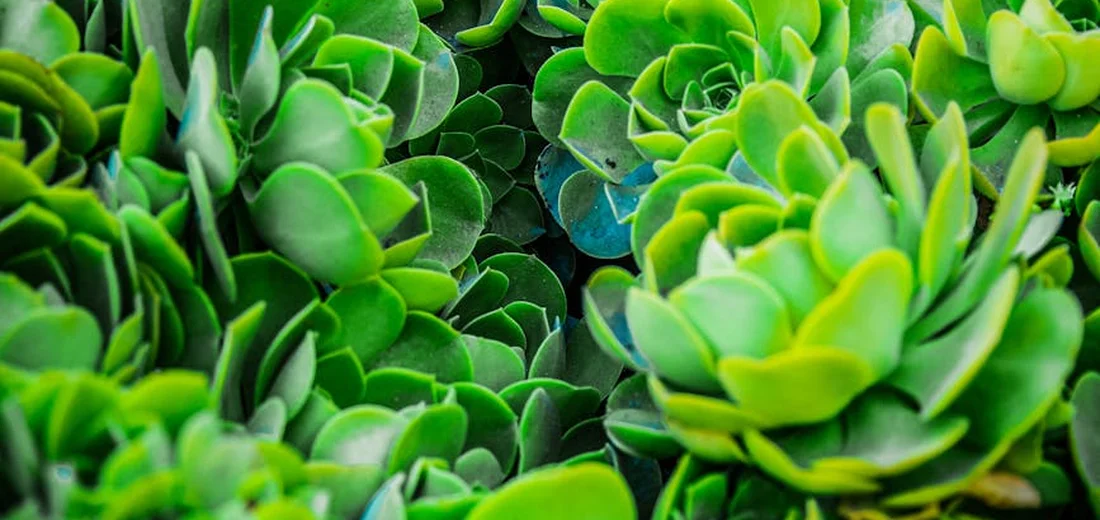
Finding a rare succulent is exciting, but getting it the right way matters just as much. I always make sure my plant collection grows without harming wild populations, and I encourage you to do the same. It’s the only way to ensure these incredible plants are around for future gardeners to enjoy. To showcase them, create a stunning display of rare colorful succulents that highlights their hues and textures. With thoughtful pairing and placement, these plants can transform any space.
Why Poaching Threatens Rare Succulents
When people illegally dig plants from their natural habitats, it’s called poaching. Poaching doesn’t just remove one plant; it can collapse an entire ecosystem that depends on it. I’ve seen photos of landscapes stripped bare, and it’s heartbreaking.
Many rare succulents grow very slowly. A poached plant might be decades old, and it rarely survives the stressful transition to a pot. You’re far more likely to end up with a healthy, thriving plant by purchasing from an ethical grower. They’ve done the hard work of propagation for you. From this point, a gentle aftercare routine helps it settle in. Our care guide for newly propagated succulents covers light, watering, and potting steps.
- Poached plants are often stressed and carry pests or diseases into your collection.
- Wild populations cannot reproduce fast enough to recover from systematic theft.
- Ethically grown plants are acclimated to life in containers, giving them a much better survival rate.
A great alternative to seek out is tissue-cultured plants. Tissue culture is a lab process that creates exact clones, taking all the pressure off wild specimens. It’s how I found my variegated String of Hearts, and it’s been one of my most robust plants.
Where to Hunt for Rare Succulents
The hunt is part of the fun! Over the years, I’ve found my best treasures in two main places: online from trusted sellers and in person at local events.
Online Hunting: Reputable Nurseries and Marketplaces
Your computer is a portal to a world of rare plants. The key to online success is buying from specialists who are passionate about what they grow. I avoid generic big-box stores for my rare finds.
Look for nurseries that provide detailed care information and use secure, professional packaging. A good sign is a seller who communicates where and how the plant was propagated. This shows they value transparency.
- Start with specialty succulent nurseries-they often have an “Rare Finds” or “Collector’s Corner” section.
- Check dedicated plant marketplaces where individual sellers are rated and reviewed by the community.
- Always read the seller’s policy on phytosanitary certificates if you’re ordering from another country.
One of my favorite online finds was a crested Euphorbia. The seller included a handwritten note about its growth habits, which made the experience feel personal and trustworthy.
The Thrill of the Find: Plant Shows and Swaps
Nothing beats the joy of seeing a rare succulent in person before you buy it. Local plant shows and swaps are goldmines for unique specimens and direct advice from the growers. The energy is contagious! If you’re wondering where to buy lifelike succulents, try reputable garden centers or specialty online shops. Look for listings with clear photos and accurate details to ensure you get a high-quality piece.
I’ve made some of my best plant friends at these events. You get to hear the plant’s story straight from the person who nurtured it from a cutting or seed. That connection is priceless.
- You can inspect the plant’s health up close, checking for firm leaves and strong roots.
- Growers are usually happy to share their specific tips for care, tailored to your local climate.
- Swaps are a fantastic way to trade a duplicate from your own collection for something new and exciting.
My quick tip: bring a small, sturdy box to carry your new treasures home safely from a swap. I learned this the hard way after a precious cactus took a tumble in a flimsy bag!
Caring for Your Prized Rare Succulents
Finding a rare succulent is a thrill, but keeping it thriving is the real victory. These aren’t your average grocery store echeverias; they demand a more attentive and nuanced approach to care. I’ve learned this through both happy successes and a few heartbreaking losses in my own collection. Are succulents easy to care for as a beginner? This complete guide breaks down simple, reliable steps to keep them thriving.
Perfecting the Environment: Light, Soil, and Water
Getting the basics right is non-negotiable for rare varieties. They are often slow-growing and less forgiving than common types.
Light is their lifeblood, but it must be the right kind. Many rare succulents, like the crested or variegated forms, are more sensitive to intense, direct afternoon sun. I provide bright, indirect light for most of mine, with perhaps a few hours of gentle morning sun. A south or east-facing window is ideal. If you see signs of sun stress, like crispy edges or bleached colors, pull them back immediately. Seasonal shifts can bring different stress signs in succulents. Recognize them early and respond with appropriate light and watering adjustments.
Your soil mix is their foundation. I never use pre-bagged potting soil straight from the bag for my rare specimens. It holds too much moisture. My go-to mix is a very gritty, fast-draining blend. I combine:
- Two parts potting soil
- One part coarse perlite
- One part poultry grit or crushed pumice
This creates an airy environment that prevents dreaded root rot.
Watering is where most people go wrong. The “soak and dry” method is your best friend here. I wait until the soil is completely dry all the way to the bottom of the pot. Then, I take the plant to the sink and drench it until water flows freely from the drainage holes. I let it drain completely before returning it to its spot. In winter, I might only water my rarest plants once a month or less.
Propagating Your Treasures
Successfully propagating a rare succulent is one of the most rewarding experiences for a collector. It’s like creating a living legacy. Patience is your most important tool, as rare varieties often propagate much slower than common ones. With careful technique, you can propagate rare succulents successfully. Maintain clean tools, proper moisture, and steady warmth to nurture strong roots.
For succulents that produce offsets or “pups,” like some rare Haworthias, the process is straightforward. I wait until the pup is about one-third the size of the mother plant. Then, I unpot the entire plant and gently tease the pup away, ensuring it has some of its own roots. If it doesn’t pull away easily, I use a clean, sharp knife to make a clean cut. I let the wound callous over for a few days before planting it in its own tiny pot with my gritty mix. This method is part of my overall approach to transplant and propagate succulents successfully.
Leaf propagation is trickier with rare types. Not all will propagate from leaves, and the success rate can be low. I’ve had the best luck by selecting a healthy, plump leaf from the lower part of the plant and giving it a clean, gentle twist. The goal is to get the entire base of the leaf without breaking it. I then place the leaf on top of dry soil in bright, indirect light and forget about it. I don’t water until I see tiny pink roots searching for moisture, which can take months.
For the truly unique, like crested succulents, propagation is a gamble. Crested succulents must be propagated from cuttings, not leaves, to maintain their rare form. I take a small, clean cutting from the crested section, let it callous, and then plant it. Sometimes it reverts to a normal growth form, but when it doesn’t, it’s a huge win. For many other succulents, however, leaf cuttings can also yield new plants—simply remove a healthy leaf, let it callous, and root it. This gives you another route to expanding your collection without losing the crested form you treasure.
FAQs
How can I verify if a succulent is truly rare?
Check for limited commercial availability, high collector demand, and origins from tiny, specific habitats.
Are there any rare succulents that are suitable for beginners?
Some hardy, slow-growing varieties like certain Haworthias are easier to maintain with basic care.
What are the best online sources for rare succulents in Australia?
Look for specialized Australian nurseries and trusted online plant shops with positive customer feedback.
How do I care for rare succulents in different Australian climates?
Adapt watering schedules and provide shade in hotter regions while using fast-draining soil mixes.
Can I import rare succulents into Australia, and what are the rules?
Importing requires biosecurity permits and phytosanitary certificates to comply with strict regulations.
What are some native Australian succulent varieties that are rare?
Rare native types include unique forms of Disphyma and Carpobrotus, often found in specialized collections.
Your Rare Succulent Journey
The key to finding and keeping rare succulents is a blend of patience, proper care, and knowing where to look. Focus on providing the right environment, and the rare finds will follow. Do succulents need to thrive? They do—thriving comes from meeting their core needs. Remember these three pillars:
- Master their basic needs: bright light, infrequent watering, and gritty soil.
- Be patient; building a collection takes time.
- Connect with specialty nurseries and fellow collectors.
Don’t get discouraged if a specific variety is hard to find right away. Your collection will grow beautifully with time and care. We’ll be here at Hardy House Plants with more guides to help you every step of the way on your plant parenthood adventure.
Further Reading & Sources
- Rare & Unique Succulents for Sale | Mountain Crest Gardens®
- Online Rare Succulents and Cactus Shops based in Los Angeles, CA
- Rare Succulents Nursery – exotic plants for the collector
- Where to find rare succulents near you | The Horticult
Lena Greenfield is a passionate horticulturist and plant care expert with over 10 years of experience cultivating and nurturing hardy house plants. With a deep understanding of both indoor and outdoor gardening, Lena shares practical advice on choosing, caring for, and maintaining resilient plants that flourish year-round. Through her knowledge and hands-on approach, Lena helps plant lovers transform their spaces into vibrant, green sanctuaries, no matter their gardening experience.
Types of Succulents