
How to Create Cohesive Plant Displays with Mixed Collections
Published on: February 25, 2026 | Last Updated: February 25, 2026
Written By: Lena Greenfield
Have you ever brought home a beautiful new plant, only to feel it looks awkward next to your others? You’re not alone-creating harmony from a mix of different plants is a common challenge, but it’s far easier than you think.
I’ve spent years curating my own indoor jungle, and I’ll walk you through my favorite design secrets. We’ll cover color coordination, texture pairing, container selection, and spatial arrangement.
Start with a Cohesive Color Palette and Texture
When I first started mixing plants, my displays looked chaotic. I learned that the secret to a harmonious look is to treat your plant shelf like an artist’s palette. Instead of grabbing one of every color, I pick a dominant hue, like various shades of green, and then add one or two accent colors.
My favorite combination is a base of muted greens with pops of burgundy from a Rubber Plant or a Philodendron ‘Prince of Orange’. Limiting your color scheme instantly makes a collection of different plants feel intentional and curated. It stops the display from looking like a random assortment and turns it into a designed scene.
Texture is just as important as color for creating depth. I love pairing plants with wildly different leaf surfaces together. Place a spiky Snake Plant next to the soft, velvety leaves of a Purple Passion Plant for a tactile experience you can almost feel with your eyes. The contrast makes each plant’s unique features stand out more beautifully.
Master Plant Grouping Through Form and Scale
Grouping plants isn’t just about putting them close together. Think about the shapes-the forms-of your plants and how they interact visually. I always look for a mix of upright growers, trailing vines, and rosette shapes to build a dynamic and full display.
Scale is crucial for a balanced look. A common mistake I see is using plants that are all the same height. Create visual interest by using tall, statement plants in the back, medium-sized shrubs in the middle, and cascading or low-growing plants in the front. This layering technique gives your display a professional, multi-dimensional feel.
Creating a Focal Point
Every great plant display needs a star. Choose one show-stopping plant as your focal point to anchor the entire arrangement. This could be a large Fiddle Leaf Fig, a uniquely shaped succulent like a spiral Albuca, or a plant with unusually vibrant foliage.
I always position my focal point slightly off-center for a more natural, appealing look. Your eye needs a place to rest, and a strong focal point provides that visual anchor, making the entire composition feel stable and purposeful. All the other plants in the group should complement, not compete with, this main attraction.
Using Repetition for Rhythm
Repetition is the unsung hero of plant styling. Repeating a specific plant, pot color, or leaf shape throughout your display creates a rhythm that guides the eye smoothly across the arrangement. It’s what makes a collection feel like a single, cohesive unit instead of a bunch of individual items.
In my own living room, I’ve repeated the same type of trailing String of Pearls in three different spots on a long shelf. This simple trick of repetition ties the whole shelf together and makes it feel thoughtfully designed rather than accidentally assembled. You don’t need many repeats-even two or three of the same element can create that connection.
Selecting Plants for Shared Care Needs
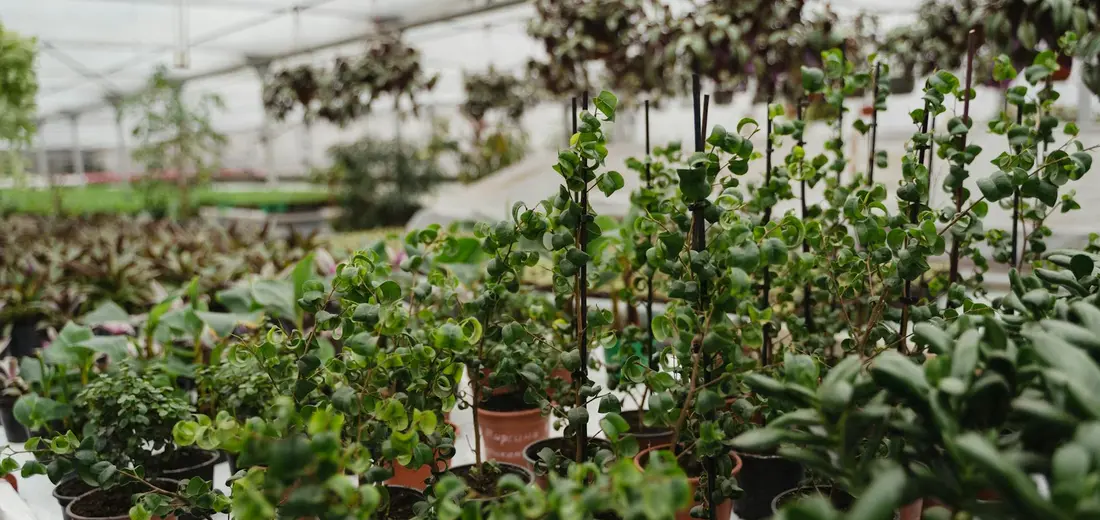
Grouping plants with similar needs is the secret sauce to a low-stress, thriving display. I learned this the hard way after killing a maidenhair fern by placing it in a succulent bowl-their thirst levels are worlds apart! When plants share a home, they should also share a care routine.
Lighting as a Design Tool
Think of light as your primary paintbrush. It dictates your plant palette and the mood of your display. A bright, south-facing window is perfect for a sun-worshipping collection.
- High-Light Group: Combine succulents like Echeveria, cacti, and jade plants. Their love for sun creates a sculptural, desert-inspired vignette.
- Medium-Light Group: Snake plants, ZZ plants, and pothos are my go-to team. They tolerate a range of conditions and their varying heights and leaf shapes create instant visual interest.
- Low-Light Group: Build a lush, green corner with peace lilies, cast iron plants, and some philodendrons. Their deep green foliage looks rich and calming away from direct sun.
I always place the tallest plant at the back or center and layer shorter ones in front. This creates depth and ensures every plant gets its moment in the (indirect) spotlight. Don’t forget to give your pots a quarter-turn every time you water. This simple habit prevents plants from leaning awkwardly toward the light source.
Simplifying Irrigation for Mixed Collections
Watering is where most mixed collections fail. You can’t treat a cactus and a calathea the same. The solution is to group by thirst.
- The “Dry Club”: This is for your drought-tolerant friends. Succulents, snake plants, and cacti prefer to dry out completely between waterings. I let the soil get bone-dry to the touch.
- The “Moisture Lovers”: Ferns, nerve plants, and prayer plants like consistently damp (not soggy) soil. I use a moisture meter for this group to take the guesswork out of watering.
- The “In-Betweens”: Pothos, philodendrons, and ZZ plants are flexible. They like the top inch or two of soil to dry out before a good drink.
Using a long-spouted watering can lets you target the soil directly without wetting the leaves. Bottom-watering is another fantastic method I use for smaller pots; just place them in a tray of water and let the soil soak up what it needs. This prevents overwatering and keeps fungal issues at bay.
Choosing Containers for Design Cohesion
Your pots are the unifying frame for your living artwork. Consistency is key here. In my own home, I stick to a simple color palette for all my containers.
A collection of white ceramic pots makes any plant combination feel intentional and chic. Neutral terra cotta pots offer a warm, earthy vibe and are porous, which helps soil dry out faster-a bonus for succulents. Matching your pot colors is the fastest way to make a group of different plants look like a curated collection.
Material matters for both aesthetics and plant health.
- Terra Cotta: Breathable and classic. Perfect for plants that hate wet feet.
- Ceramic (Glazed): Less porous, so they hold moisture longer. Great for your tropical plants that enjoy humidity.
- Concrete & Fiberglass: Modern and durable. Ideal for large, statement floor plants.
Ensure every pot has at least one drainage hole. If you fall in love with a pot without a hole, use it as a decorative cachepot and keep your plant in a plain plastic nursery pot inside. This makes repotting and checking root health incredibly easy. When you repot, choose the right pot size for the root ball—select a pot that fits with only a little extra room. Too large a pot can lead to waterlogged soil, while too small a pot can cramp roots, so aim for a pot about one size bigger than your current container. Vary the heights and sizes of your pots, but keep their style or color family the same to tie everything together beautifully.
Planning Your Display Layout and Spacing
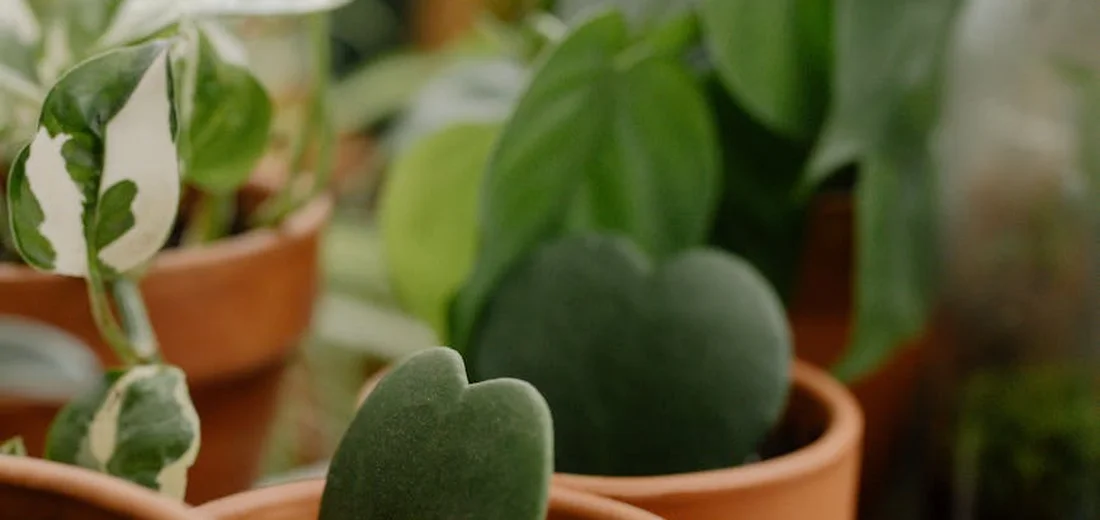
I’ve learned that the difference between a chaotic cluster and a stunning display often comes down to a simple plan sketched on a piece of paper first. Taking five minutes to map out your vision saves so much time and frustration later.
The Triangle Rule for Visual Interest
When I arrange a mixed collection, I always think in triangles. This creates a natural flow for your eyes. Place your three most visually striking plants at different points of an imaginary triangle within your display.
- Anchor Point: Your tallest plant, like a Fiddle Leaf Fig or Snake Plant.
- Color Point: A mid-height plant with vibrant foliage, like a Pink Princess Philodendron.
- Texture Point: A trailing or uniquely shaped plant, like a String of Pearls or a Ruffled Echeveria.
Mastering Plant Spacing
Cramming plants together seems cozy, but it invites pests and disease. Always leave enough space for air to circulate freely between the foliage of your plants. I use my hand as a quick guide.
- For small succulents and cacti: Leave at least a hand’s width of space between pots.
- For medium leafy plants: Allow space for one or two mature leaves to overlap slightly-this creates fullness without crowding.
- For large statement plants: Give them a solo spotlight. Their grandeur is the display.
Remember, plants grow! What looks sparse today will fill in beautifully in a few months.
Playing with Height and Depth
A flat display is a boring display. I create layers to make it dynamic.
- Start with the Backbone: Position your tallest plants at the back or center, depending on if the display is against a wall or viewable from all sides.
- Add the Middle Layer: Use mid-height plants and bushy specimens to fill the visual field. This is where you can group smaller pots together on a stand.
- Finish with the Front Line: Place trailing plants and your smallest succulents at the front, where they can spill over the edges of shelves or pots.
Quick Tip: Use overturned pots or sturdy books hidden under decorative moss to instantly boost a shorter plant’s height.
Maintaining Your Display Over Time
Creating the display is just the first chapter. The real joy comes from nurturing it and watching it evolve. A cohesive display is a living, breathing entity that changes with the seasons and your care.
The Gentle Art of Plant Rotation
Plants are like sunbathers; they all want a turn in the best light. I make it a habit to give every pot a quarter-turn every time I water. This prevents plants from leaning drastically toward the light source and keeps their growth even. Watch for signs of too little light, like leggy growth and pale leaves. If a plant gets too much light, you may see scorched leaf tips or bleached patches.
For displays on shelves, I’ll sometimes swap the positions of two plants every few months if one seems to be outpacing the other. A little rotation ensures every plant gets its moment in the sun, literally.
Embracing Seasonality and Succession
Your plant display doesn’t have to be static year-round. I love treating mine like a seasonal garden.
- Spring & Summer: This is the time for bold, fast-growing tropicals. I might temporarily add a flowering Kalanchoe or a vibrant Coleus for a pop of seasonal color.
- Fall & Winter: I shift the focus to textural and structural plants. My succulents, ZZ plants, and Sansevierias take center stage, as they thrive with less light and add a sculptural element.
Succession planting is a game-changer for keeping things fresh. If a plant outgrows its space or isn’t thriving, I don’t hesitate to swap it out. I keep a few “understudy” plants on a separate shelf, ready to be promoted to the main display. If a plant is truly beyond saving, I pull it and compost what I can, then replace it with a fresh understudy. This keeps the arrangement looking intentional and healthy, rather than letting a struggling plant drag down the whole vibe.
Quick Tip: A soft paintbrush is my secret weapon for keeping fuzzy-leaved plants like African Violets or succulents dust-free and photosynthesizing efficiently. Regularly dust succulents by gently brushing the leaves to remove dirt safely, avoiding moisture buildup. This helps keep their surfaces clean and prevents damage to the fleshy leaves.
FAQs
How do I choose the right pot size for my mixed plant collection?
Select pots that accommodate root growth and have drainage holes to ensure healthy plant development.
What are some low-maintenance plant combinations for busy individuals?
Combine hardy plants like snake plants and ZZ plants for a display that thrives with minimal attention.
How can I add height to my plant display without using tall plants?
Elevate smaller plants with decorative stands or overturned pots to create visual interest and depth.
What should I do if my plants start to look crowded over time?
Prune overgrown foliage or repot plants to maintain adequate spacing and prevent pest issues.
Can I mix scented plants in my indoor display?
Incorporate mildly fragrant plants like lavender or jasmine in well-ventilated areas to enhance the ambiance without overpowering. If you’re growing indoors, grow jasmine and lavender indoors as they thrive near bright indirect light, and pineapple plants can add a tropical touch.
How do I clean and maintain the leaves of my plants in a display?
For the best method of cleaning indoor plant leaves, wipe leaves gently with a damp cloth or use a soft brush to remove dust and keep plants photosynthesizing efficiently. These simple methods are gentle and effective for most houseplants.
Your Path to Plant Display Success
In my years of nurturing mixed houseplant and succulent collections, I’ve found that a cohesive display hinges on pairing smart care habits with thoughtful visual harmony. Balancing a mixed collection means recognizing that different plants have varying light, water, and humidity needs. A few quick adjustments to routines can accommodate those differences while keeping the display cohesive. Focus on grouping plants with similar light and water needs first—this keeps your routine simple and your plants thriving.
- Match plants by care requirements to prevent over or under-watering.
- Choose a consistent pot style or color theme for visual unity.
- Layer heights and mix textures to add depth and interest.
You’re well on your way to creating stunning, healthy plant arrangements that reflect your personal touch. Remember, every plant parent learns through trial and error, so embrace the process and enjoy watching your space transform. For more hands-on tips and friendly advice, our website is a trusted resource to support your green journey. If you’re new to indoor gardening, essential indoor planting tips for absolute beginners can help you build confidence with simple, forgiving steps. Start with low-maintenance plants, match light to their needs, and water only when the top inch of soil dries.
Further Reading & Sources
- 3 Unique Ways to Display Your Plants | Hy-Vee
- 15 Creative Ways to Display Your Indoor Plants – ChhajedGarden.com
- Creative Plant Arrangements: Tips for Unique Displays | Live to Plant
- Styling Your Home with Indoor Plant Displays – Earth’s Ally
Lena Greenfield is a passionate horticulturist and plant care expert with over 10 years of experience cultivating and nurturing hardy house plants. With a deep understanding of both indoor and outdoor gardening, Lena shares practical advice on choosing, caring for, and maintaining resilient plants that flourish year-round. Through her knowledge and hands-on approach, Lena helps plant lovers transform their spaces into vibrant, green sanctuaries, no matter their gardening experience.
DIY Projects