
Growing Pothos and Snake Plants in Your Aquarium
Published on: February 28, 2026 | Last Updated: February 28, 2026
Written By: Lena Greenfield
Yes, you can absolutely grow common houseplants like pothos and snake plants with their roots submerged in your fish tank, and no, it won’t harm your fish when done correctly.
In this guide, I’ll walk you through everything I’ve learned from my own aquariums, covering the benefits for your tank’s ecosystem, a simple step-by-step setup, the best plants to use, and easy maintenance tips.
The Amazing Benefits of Houseplants in Your Fish Tank
Adding houseplants to your aquarium is one of the best decisions I’ve made for my tanks. The difference in water clarity and fish behavior is noticeable within just a few weeks.
- Plants dramatically reduce harmful nitrates, acting as a natural, living filter.
- They improve overall water quality by absorbing fish waste products like ammonia.
- They create a beautiful, natural habitat that makes fish feel secure and reduces stress.
I remember the first time I added a pothos cutting to my community tank. The water went from having a slight yellowish tint to being genuinely crystal clear. My neon tetras became more active, darting in and out of the new root systems with obvious excitement.
Houseplants like pothos and snake plants are nitrate sponges. They pull these compounds directly from the water to fuel their growth. This natural filtration means you can often go longer between water changes. It’s a win-win for you and your aquatic pets.
Why Pothos is a Perfect Aquarium Companion
If I had to recommend one plant for a beginner’s aquarium, it would be pothos, also known as devil’s ivy or by its scientific name, Epipremnum aureum. This plant is nearly impossible to kill and thrives on neglect, making it ideal for busy plant and fish parents.
Its adaptability is legendary. I’ve grown pothos in everything from a brightly lit betta tank to a dimly lit shrimp bowl. It consistently puts out long, trailing roots that are incredibly effective at filtering nitrates and ammonia. You just need to ensure its leaves remain out of the water and its roots are submerged.
Propagation is wonderfully simple. Snip a stem with a few nodes, pop it in your tank, and watch the roots develop. I’ve started dozens of new plants this way, creating a free, endless supply of natural filtration for all my aquariums.
Key Advantages of Pothos in Aquariums
- Superior nitrate reduction that rivals some mechanical filters.
- Extremely low maintenance; it doesn’t demand special lights or fertilizers.
- Generally safe and non-toxic for most common community fish.
- The dense root mass provides perfect hiding and foraging spots for baby fish and shrimp.
In my own tanks, I’ve watched cherry shrimp constantly picking through the pothos roots for bits of food. That tangled root system becomes a miniature, thriving ecosystem all on its own. It adds a whole new layer of life and interest to your underwater world.
Step-by-Step Guide to Adding Pothos to Your Aquarium
-
Select a healthy pothos cutting or a small plant from a trusted source. I always inspect the leaves and stems closely for any tiny bugs or webbing to avoid introducing pests into my aquarium ecosystem.
-
Gently rinse all the soil off the roots under lukewarm water. Trimming the roots to about two or three inches encourages fresh, white water roots to form and helps prevent any decaying organic matter from fouling your tank water.
-
Place the pothos so its roots are submerged but all its leaves remain completely out of the water. You can simply drape the plant over the side of the tank or anchor the stem in the substrate with a small plant weight.
-
Watch for new root growth, which usually appears as small white nubs within a week or two. If the leaves seem to be reaching for light, don’t be afraid to gently reposition the plant for better exposure.
Choosing the Right Pothos Variety
-
Golden pothos is my top pick for beginners because it grows vigorously and its variegated leaves brighten up any space. Other types like marble queen or jade pothos are beautiful but often grow a bit slower, which can be an advantage in a smaller tank setup.
-
I suggest starting with a common golden pothos. Its resilience and fast growth make it very forgiving while you learn the ropes of this unique planting method.
Secure Placement Techniques
-
Suction cups with plant clips work wonderfully for holding stems in place on the tank glass. For a more natural look, I often use a small, smooth river rock to gently weigh down the roots in the gravel.
-
Always ensure every single leaf stays dry and above the waterline. Leaves that sit in water will quickly turn yellow and mushy, creating a mess and potentially harming your water quality.
Caring for Pothos in Your Aquarium
-
Pothos is happiest in bright, indirect light but it will stubbornly persist in low-light corners. I’ve found that a north or east-facing window provides the ideal gentle light for lush growth without encouraging algae. Temperature matters too—pothos thrive in stable room temps around 65–85°F to make the most of that light. Sudden temperature swings can stress the plant, even when the light is right.
-
This plant thrives in standard aquarium water conditions. Your fish provide a constant, gentle supply of natural fertilizer through their waste, so the pothos rarely needs anything extra.
-
Prune long vines back to a leaf node to keep growth bushy and controlled. Regular trimming prevents the pothos from completely taking over the top of your tank and blocking light for submerged plants.
-
Avoid adding liquid fertilizers to the water. These can cause dangerous ammonia or nitrate spikes that are very stressful, and sometimes fatal, for your fish.
Light and Water Needs
-
Too much direct sun will scorch the leaves, causing pale, bleached spots. In very dim light, the vibrant variegation on golden pothos may fade to a solid green as the plant prioritizes chlorophyll production.
-
Pothos roots prefer stable water temperatures and a neutral pH. Sudden, large water changes can shock the root system, so I always try to match the temperature and pH of new water during partial changes.
Why Snake Plants Thrive in Aquatic Environments
-
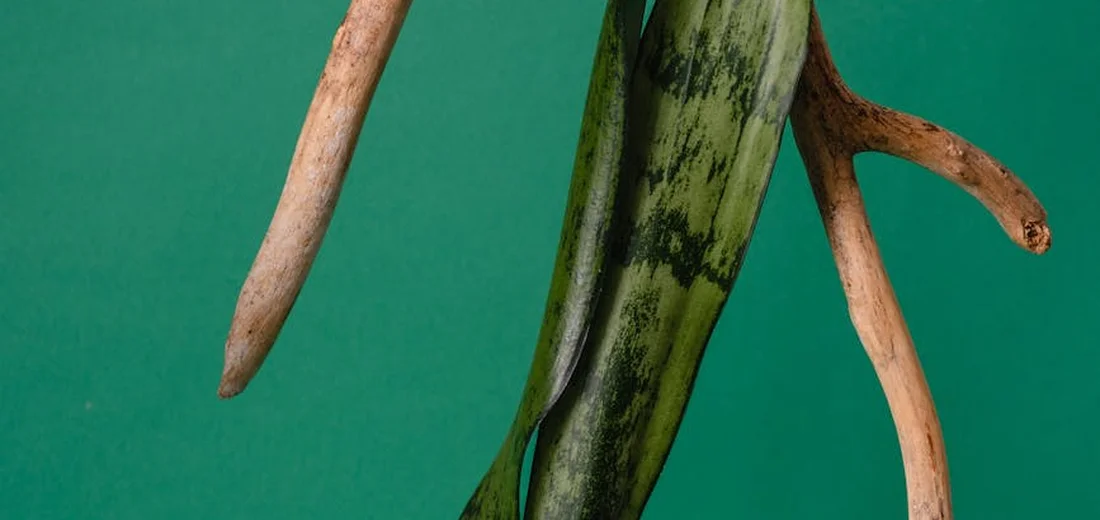
Snake plants are famously tough and can handle the low-light conditions found in many home aquariums. Different snake plant types vary a bit in light and water preferences, but all thrive with well-draining soil. They are also completely non-toxic to fish, which gives me great peace of mind with curious swimmers in the tank.
-
Their slow growth rate is a major benefit in an enclosed space. Unlike some plants, their roots are adapted to handle constant moisture without succumbing to rot, as I’ve seen in my own paludarium setups.
-
I love how their upright, architectural leaves add height and structure. They create wonderful shady spots that shy fish and shrimp appreciate for hiding and resting.
Benefits of Sansevieria in Aquariums
-
Snake plants are excellent at pulling excess nitrates out of the water, just like pothos. Their sturdy leaves provide fantastic cover for fish, making the tank feel more secure and natural for its inhabitants.
-
The thick, waxy leaves resist moisture exceptionally well. Even in the high humidity right above the water surface, they stay firm and don’t get soft or damaged.
How to Introduce Snake Plants to Your Fish Tank
-
Choose a healthy, pest-free snake plant. I recommend starting with a smaller variety like a young Sansevieria trifasciata, as their root systems are more manageable for most tank sizes. In our best pot types for snake plants complete guide, we break down which pots support healthy roots and easy care. Selecting the right pot—favoring pots with drainage and breathable materials—helps prevent overwatering and promotes strong growth.
-
Wash all the soil off the roots and trim any long, tangled roots if needed. A clean start is crucial to prevent soil particles from clouding your aquarium water.
-
Plant it so the roots are in the water or substrate but the green leafy crown is completely above water. Keeping the crown dry is the single most important step to prevent rot from setting in.
-
Secure the base with a layer of gravel or a decorative stone. This prevents active fish like cichlids or loaches from uprooting your new plant as they forage.
Planting Methods for Snake Plants
-
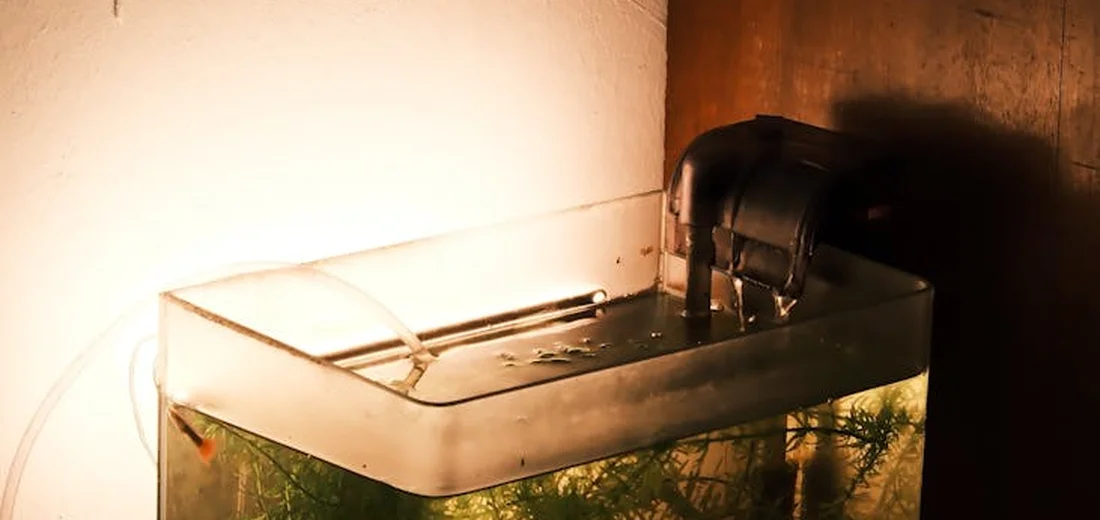
You can bury the roots directly into a gravel or sand substrate. Alternatively, you can let the roots dangle freely in the water, which works well in tanks with a hang-on-back filter.
-
From my experience, partial submersion gives the best results. I usually submerge about one-third to one-half of the root mass, which provides plenty of water access while keeping the plant stable.
Snake Plant Care in Aquarium Settings
-
Snake plants are champions of low-light tanks but will grow a bit faster with moderate, indirect light. I’ve never had one complain about the light levels in any of my home aquariums. If you’re curious which snake plant varieties are best for low light, solid-green cultivars like Sansevieria trifasciata ‘Zeylanica’ or ‘Moonshine’ tend to thrive in dim spaces. Variegated types can fade in very low light, so for darkest corners solid greens are usually the safer bet.
-
They prefer consistent water parameters and don’t need frequent water changes. Stability is key-they don’t appreciate big swings in temperature or chemistry.
-
Fertilization is rarely necessary. Simply wipe the leaves with a damp cloth every few weeks to remove any dust or light algae film and keep them looking their best.
-
You can easily propagate them by dividing the root clump. I’ve split one large mother plant to provide starters for three different tanks, and all divisions established themselves without any issues.
Managing Common Issues
-
Yellowing, soft leaves usually mean the base is too wet. If you see this, gently raise the plant so more of the crown is exposed to air.
-
Snake plants are very pest-resistant. Just keep an eye out for pond snails hitching a ride on the leaves or algae building up in stagnant water areas.
Troubleshooting Common Issues with Aquarium Houseplants
-
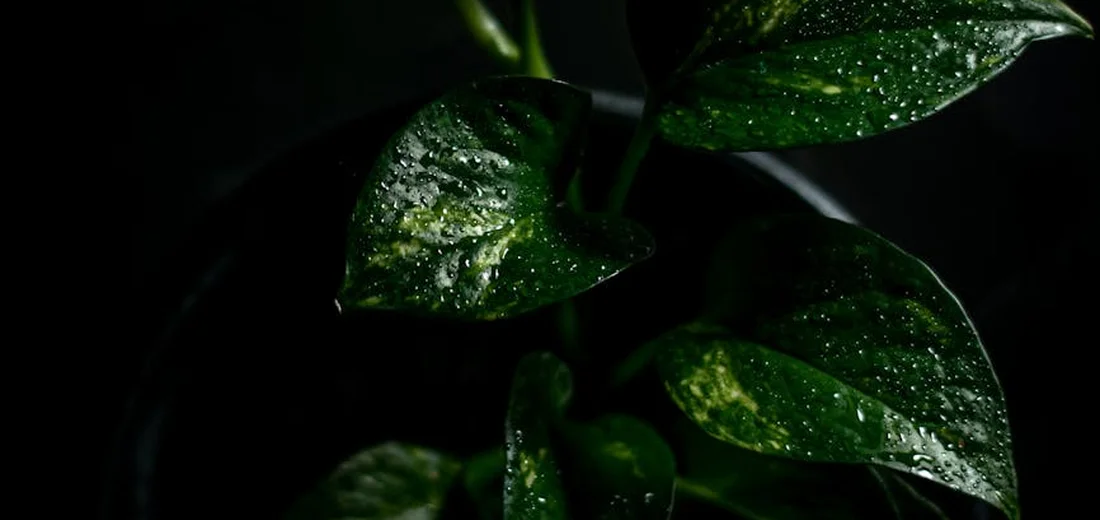
Yellow leaves can signal overwatering, too much light, or a nutrient imbalance. Improving water circulation around the roots with a small air stone often solves multiple issues at once.
-
Root rot appears as brown, mushy roots with a foul smell. Immediately trim away all the affected parts and rinse the remaining healthy roots before returning the plant to the tank.
-
Algae growth on leaves or tank walls is common. I keep a very soft, dedicated toothbrush handy to gently scrub algae off pothos leaves during water changes.
Pothos-Specific Problems
-
Pothos leaves turning yellow often happens with excessive direct light. Sticking to a regular partial water change schedule usually keeps the water quality high enough for pothos to stay vibrant.
-
Prevent stem rot by ensuring the point where leaves meet the stem stays dry. Healthy pothos roots in an aquarium are thick, white, and spread out like a little underwater forest.
Snake Plant-Specific Challenges
-
Extremely slow growth is normal in low-light aquariums. You can add a simple, full-spectrum LED light to encourage a bit more growth without creating stressful, bright conditions for your fish.
-
If the leaf bases feel soft or look waterlogged, the plant is sitting too deep. My fix is to slip a small piece of filter sponge under the base to lift it just enough to keep the crown dry.
How to Introduce Snake Plants to Your Fish Tank
-
I always start by picking a healthy snake plant, and I lean toward smaller types like Sansevieria trifasciata because they fit nicely in tanks without overcrowding. Choosing a compact, vibrant plant ensures it adapts quickly to the aquatic environment. When choosing the best snake plant variety for your home, consider space and light to pick one that fits your room. This makes it easier to maintain and enjoy its look daily.
-
Before adding it, I gently rinse the roots to remove any soil and trim them if they’re too long-this prevents debris from clouding your water. Clean roots help maintain water clarity and reduce the risk of introducing pests.
-
Plant the snake plant so the crown stays above water to avoid rot; I use substrate to anchor it lightly. Keeping the crown dry is a simple trick I learned to prevent mushy leaves in my setups. Brown leaves are a common sign of overwatering. Preventing moisture at the crown helps stop browning.
-
Secure the plant with gravel or decorations to stop fish from dislodging it-my curious tetras used to uproot plants until I tried this. A stable base lets the roots settle without constant disturbance.
Planting Methods for Snake Plants
-
Burying roots in substrate gives a natural look and steady growth, while floating roots can work in bare-bottom tanks. I’ve experimented with both and found buried roots support stronger anchor points for the plant.
-
I recommend partial submersion, where only the roots are underwater and the leaves stay dry. This method, which I use in my own aquariums, balances hydration and air exposure for healthy growth.
Snake Plant Care in Aquarium Settings
-
Snake plants thrive in low to moderate indirect light; I place mine near tank lights but away from direct sun to avoid algae. They’re forgiving and won’t fuss if your lighting isn’t perfect, unlike some other houseplants which have specific light requirements.
-
They prefer stable water conditions without frequent changes, so I test parameters monthly. Consistent water quality reduces stress on both the plant and your fish.
-
Fertilize minimally with liquid aquarium plant food, and wipe leaves occasionally to prevent algae buildup. A quick wipe with a soft cloth keeps leaves clean and photosynthesis efficient.
-
Propagate by dividing the plant at the roots; I’ve split mature snake plants to share between tanks. Division is an easy way to expand your green collection without buying new plants. Propagating snake plants using pups or cuttings is straightforward, but division is particularly convenient for mature plants.
Managing Common Issues
-
Watch for yellowing leaves, which often signal overwatering-I adjust by raising the plant higher in the water. Moving it to a shallower spot usually resolves the issue within weeks.
-
Snake plants resist pests well, but I keep an eye out for snails or algae on leaves. Many people wonder if snake plants attract or repel snakes or bugs. They’re generally pest-resistant and aren’t known to attract snakes, though occasional bugs like mealybugs can occur. Manual removal or introducing snail-eating fish has worked for me in the past.
Troubleshooting Common Issues with Aquarium Houseplants
-
Yellow leaves, root rot, or algae growth can affect both pothos and snake plants. Regular checks help you catch problems early before they spread.
-
Adjust light levels, improve water flow, or trim damaged parts to revive plants. Simple tweaks like these have saved many of my aquarium plants from decline.
-
For algae on pothos leaves, I use a soft brush to gently scrub them clean. This hands-on approach keeps leaves healthy without harsh chemicals.
Pothos-Specific Problems
-
Yellowing often comes from too much light or poor water quality; I stick to a regular tank maintenance routine. Consistent water changes and filtered light prevent most pothos issues.
-
Prevent rot by keeping stems dry and ensuring roots are healthy and white. I trim any brown roots promptly to stop decay from spreading.
Snake Plant-Specific Challenges
-
Slow growth in low light is common; I add a gentle LED to boost it without stressing fish. A bit of extra light encourages growth without disrupting your aquarium’s balance.
-
Leaf softening from excess moisture can be fixed by raising the plant higher in the tank. I’ve found that elevating the crown restores firmness over time.
FAQs
What do Reddit users say about pothos in aquariums?
Reddit communities often highlight pothos as a low-maintenance plant that effectively reduces nitrates and enhances water clarity in fish tanks.
Can pothos grow in an aquarium with a lid?
Yes, pothos can grow with a lid if there is adequate air circulation to prevent excess humidity from damaging the leaves.
Why are my pothos leaves turning light green in the aquarium?
Light green leaves usually result from too much direct light or a nutrient imbalance, so adjust lighting and monitor water quality.
Is pothos sufficient as the only filter in an aquarium?
Pothos helps with nitrate reduction but should complement a mechanical filter for optimal waste removal and water circulation.
How does pothos affect aquarium water change frequency?
Pothos can reduce the need for frequent water changes by absorbing nitrates, but regular partial changes are still advised for stability.
What substrate is ideal for pothos in an aquarium?
Pothos adapts well to gravel or sand substrates for anchoring, though it can also grow with roots free in the water column.
Ready to Grow Your Underwater Oasis?
From my own aquarium setups, I’ve learned that success with pothos and snake plants comes down to proper placement, consistent care, and enjoying the mutual benefits for your plants and fish. Focus on these core practices:
- Anchor plant roots securely above the waterline while letting them drink from the tank.
- Check that your fish are comfortable with the new greenery and water quality stays balanced.
- Trim leaves occasionally to encourage fresh growth and prevent overcrowding.
You’re now equipped to create a beautiful, eco-friendly aquarium garden that both you and your fish will love. For more hands-on plant care tips tailored to your home, keep exploring our guides here at Hardy House Plants-you’ve got a green thumb in the making!
Further Reading & Sources
- What is the Positives and negatives of Pothos. | Aquarium Plants Forum
- r/PlantedTank on Reddit: Pothos in a heavy planted tank?
- Explore The Stunning And Growing Live Aquarium Plants | Plantly
- How to Use the Pothos Plant as a Natural Aquarium Filter – Aquarium Co-Op
Lena Greenfield is a passionate horticulturist and plant care expert with over 10 years of experience cultivating and nurturing hardy house plants. With a deep understanding of both indoor and outdoor gardening, Lena shares practical advice on choosing, caring for, and maintaining resilient plants that flourish year-round. Through her knowledge and hands-on approach, Lena helps plant lovers transform their spaces into vibrant, green sanctuaries, no matter their gardening experience.
Light Requirements