
Donkey Tail Succulent Care: Growing Sedum Morganianum Successfully
Published on: March 6, 2026 | Last Updated: March 6, 2026
Written By: Lena Greenfield
Are you drawn to the lush, trailing vines of Donkey Tail succulents but nervous about keeping them alive? I’ve helped countless plant lovers troubleshoot issues like leaf drop and overwatering, so you’re in good hands.
Drawing from my own experience growing these beauties for years, I’ll guide you through watering routines, light needs, soil choices, propagation methods, and solving common problems to make your Sedum morganianum flourish.
Meet the Donkey Tail: A Trailing Beauty
When you first unbox a Donkey Tail, it’s hard not to be mesmerized. I remember my first one; its stems were a cascade of plump, blue-green beads that felt cool and smooth to the touch. This succulent is a true showstopper in hanging baskets, where its tails can eventually trail several feet long. Each “leaf” is actually a modified stem designed to store water, which is why they feel so satisfyingly chubby.
Handling this plant requires a gentle touch. Those beautiful leaves detach incredibly easily-a trait called being “deciduous.” I’ve learned the hard way that a casual brush against a shelf can result in a little shower of leaves. Don’t panic if this happens; those fallen leaves can be propagated into entirely new plants, which is a fantastic silver lining. Think of it as the plant’s way of giving you gifts.
Quick Facts About Its Unique Look
- The stems start upright but gracefully arch over as they grow longer, creating that classic trailing effect.
- In the right conditions, you might be treated to small, star-shaped pink or red flowers at the tips of the stems in late summer.
- The powdery coating on the leaves, called farina, is a natural sunscreen. Try to avoid touching it, as your fingers can leave permanent marks.
Creating the Perfect Home: Light and Location
Getting the light right is the single most important thing you can do for a thriving Donkey Tail. These plants are sun worshippers from arid regions. I’ve found the absolute sweet spot is a spot with bright, indirect light for most of the day. An east-facing window is perfection, offering gentle morning sun without the harsh afternoon intensity.
If you only have a south or west window, that can work too, but you’ll need to diffuse the light. I use a sheer curtain to filter the strong rays, which prevents the leaves from getting sunburned. To prevent sunburn in the first place, gradually acclimate the plant to brighter light and keep using diffusion. If sunburn does occur, remove the most damaged portions of the leaf and move the plant to a less intense spot. Sunburn on a succulent looks like bleached, brown, or crispy patches on the leaves, and unfortunately, it’s permanent. A sunburned leaf won’t recover, but the plant will keep growing if you move it to a less intense spot.
Signs Your Plant is Craving More Light
- Stretching: The spaces between the leaves become visibly wider, making the plant look leggy and sparse. This is called etiolation.
- Paling: The vibrant blue-green color starts to fade, and the plant looks washed out.
- Weakening: The stems may become weaker and the leaves softer and more prone to falling off.
My Go-To Lighting Setup
- Find the Brightest Spot: Place it near a window, but not where the sun’s rays will directly hit the leaves for more than an hour or two.
- Rotate Regularly: Give the pot a quarter turn every week. This ensures all sides of the plant get even light, preventing lopsided growth.
- Consider a Grow Light: If your home is naturally dim, a simple LED grow light for 6-8 hours a day will keep your Donkey Tail compact and colorful. I use one during our gray winters with fantastic results.
Think of your Donkey Tail’s light needs like a perfect sunbathing session-enough to get a healthy glow, but not so much that you get burned. Getting this right sets the stage for everything else, from watering to growth rate.
The Art of Watering Your Donkey Tail
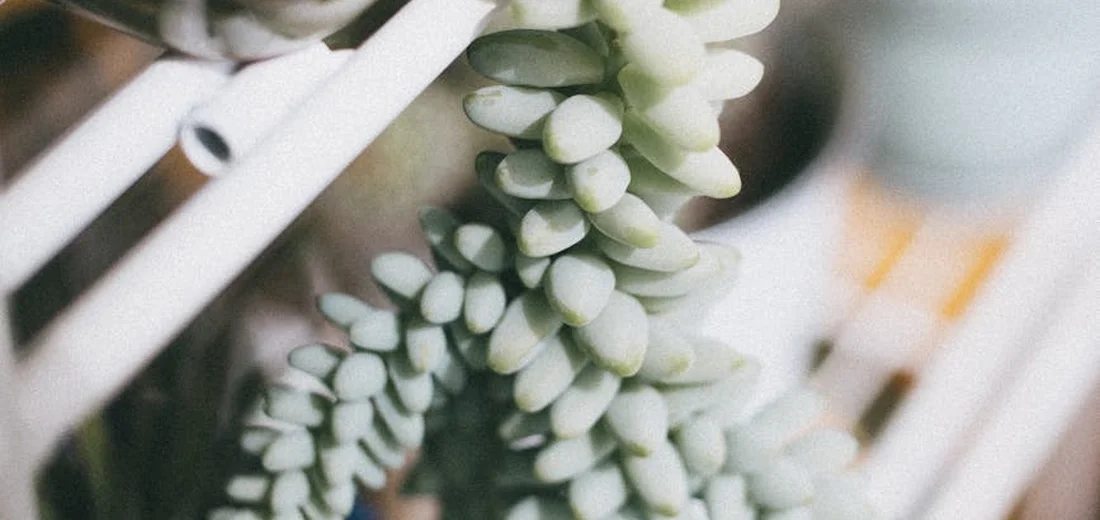
I’ve killed more succulents with overwatering than with neglect, and the donkey tail is especially unforgiving. Treat your watering can like a rare treat, not a daily ritual. The goal is to mimic the infrequent, heavy downpours of its native habitat. Common watering mistakes to avoid include keeping the soil continually damp or watering on a fixed schedule. Water deeply and infrequently, and always let the soil dry out between waterings.
- Check soil dryness. Don’t just glance at the surface. Stick your finger an inch or two into the soil. If you feel any moisture or coolness at all, walk away. I wait until the soil is completely dry and the pot feels surprisingly light when I lift it.
- Water thoroughly until it drains from the bottom. When it’s finally time, give it a proper drink. Pour water evenly over the soil until it freely runs out of the drainage hole. This encourages deep, strong roots. A little trickle on the surface just won’t cut it.
- Allow the soil to dry completely before watering again. This is the most critical step. Put the watering can down and forget about it. In my sunniest window, this might take 10-14 days. In lower light, it could be three weeks or more. When in doubt, wait another week. A thirsty donkey tail is easier to save than a drowned one.
Soil and Potting: The Foundation for Health
Getting the soil right is your secret weapon. Regular potting soil holds onto moisture for far too long and will lead to root rot. Your donkey tail craves a gritty, fast-draining home that replicates the rocky slopes it loves.
I make my own mix, and it’s made all the difference. I combine two parts of a good succulent or cactus potting mix with one part perlite and one part coarse sand or poultry grit. This chunky blend ensures water flows through quickly, and air can reach the roots. Your plant will thank you with vigorous growth. If you’re into DIY, you can tailor this base to create your own succulent potting mix recipes. It’s simple to adjust for different succulents and climates.
When and How to Repot
Donkey tails have delicate roots and stems, so repotting is a task you only want to do when absolutely necessary, typically every 2-3 years.
You’ll know it’s time to repot if you see roots peeking out of the drainage hole, or if the plant has completely stopped growing. Choose a new pot that is only one size larger, as too much soil can stay wet for too long. Terracotta pots are my go-to because they are porous and help wick away extra moisture.
When you repot, be incredibly gentle. Lay the pot on its side and carefully ease the plant out, supporting the heavy tails. Use your hands to cradle the stems; never pull on them. Place it in the new pot with fresh, dry soil mix and don’t water for at least a week. This gives any disturbed roots time to heal and prevents rot. Care for the plant during its recovery period.
Multiplying Your Collection: Donkey Tail Propagation
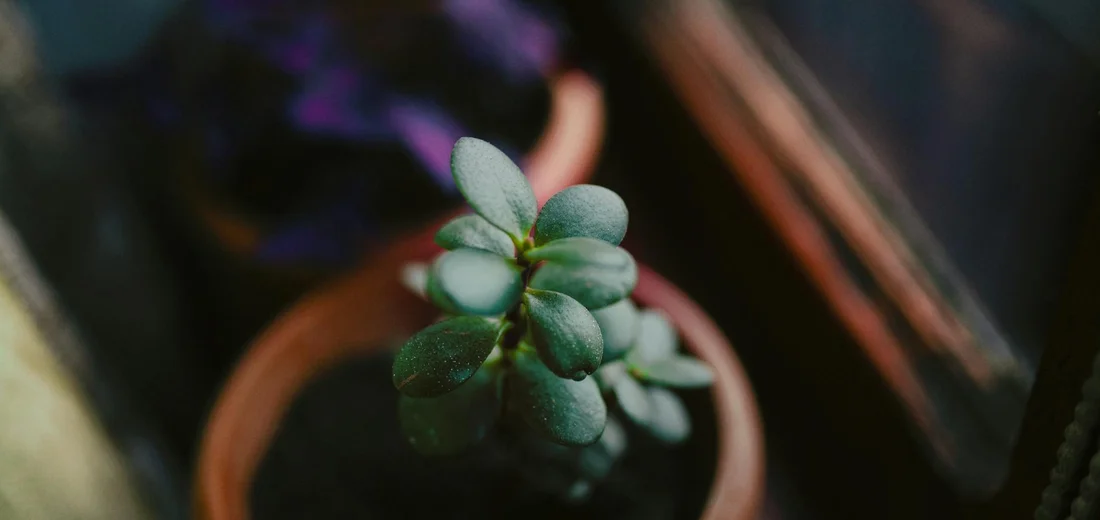
One of my favorite parts of growing this plant is sharing it with friends, and propagation is wonderfully simple. I find that stem cuttings are the most reliable and fastest way to get a new, full-looking plant.
- Take a stem or leaf cutting. Gently twist a healthy stem or a plump leaf from the main plant. For stems, aim for a piece about 3-4 inches long.
- Let the cutting callous over for a few days. Place it in a dry, shaded spot. This step is non-negotiable-it seals the wound and prevents rot when it touches soil.
- Place the calloused cutting on top of well-draining soil. Don’t bury it! Just lay the stem or leaf right on the surface. Roots will naturally grow down seeking moisture.
- Wait for roots to develop before lightly watering. This takes patience. You might see tiny pink roots in a few weeks. Only then do you give a small sip of water around the base.
From my experience, stem cuttings grow into full plants much faster than single leaves. Quick tip: Propagate in the spring or early summer when the plant is in its active growth phase for the best results.
Keeping Your Plant Happy: Fertilizer and Pruning
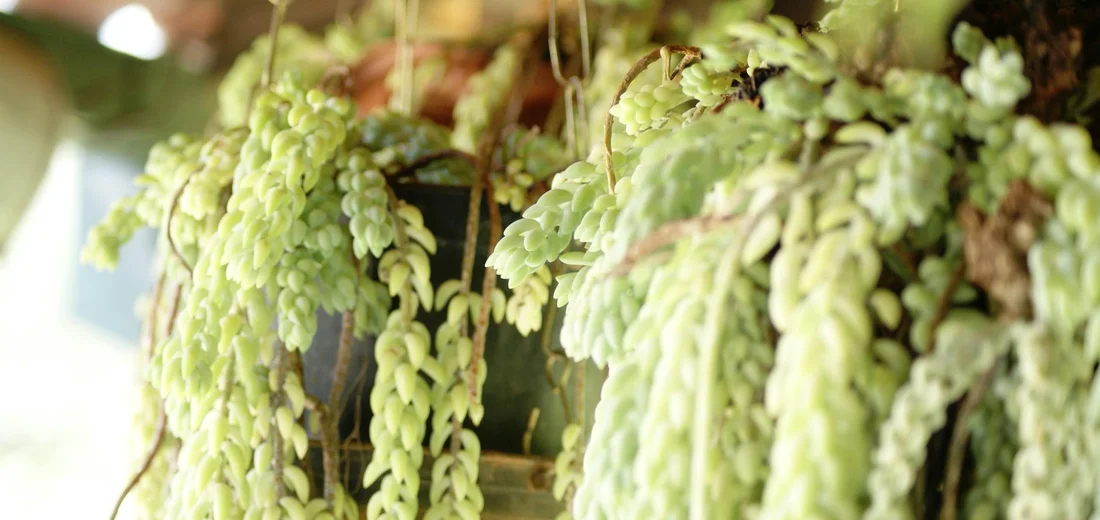
These succulents are not heavy feeders, but a little nutritional boost makes a big difference in their growth and color. To help them grow bigger and plumper, feed lightly with a dilute fertilizer. This keeps leaves thick and vibrant without the risk of overfeeding.
- I use a balanced, water-soluble fertilizer diluted to half-strength.
- Feed your donkey tail only during its growing season, from spring to early fall.
- A single feeding at the start of the season is often enough. Over-fertilizing can cause weak, leggy growth.
Pruning is mostly about maintenance and aesthetics. A gentle prune encourages a bushier, more compact plant and prevents those long tails from becoming too heavy and breaking. Pruning lets you control the plant’s size and shape. With careful cuts, you sculpt growth to suit your space.
- Use clean, sharp scissors to snip off any bare stems or overly long trails.
- Remove any leaves that are shriveled, damaged, or discolored to keep the plant healthy.
- Don’t throw those trimmings away-you now have perfect material for propagation!
I like to do a light tidy-up in the spring. It feels like giving the plant a fresh start for the year. Quick tip: If a stem accidentally breaks off, don’t panic. Just treat it as a new cutting and propagate it.
Troubleshooting Common Donkey Tail Problems
Even with the best intentions, your donkey tail can run into a few hiccups. I’ve learned to spot these common issues early, which has saved many of my own trailing beauties from a sad fate. Let’s walk through the fixes together.
Overwatering and Root Rot
This is the number one killer of donkey tails, and I’ve been guilty of over-loving with a watering can myself. The plant’s plump leaves store water, so it needs far less than you think.
- Mushy, translucent leaves that feel soft and squishy are a dead giveaway.
- The stems may turn black or brown and feel unstable.
- A foul smell from the soil is a late-stage red flag.
If you suspect root rot, stop watering immediately and unpot the plant to check the roots. Healthy roots are white and firm. Snip away any dark, slimy roots with a sterile tool. Let the roots air dry for a day or two before repotting in fresh, dry succulent mix. Understanding the common causes of root rot helps you tailor the treatment to save your succulents.
Pest Prevention
Donkey tails are generally tough, but they can attract mealybugs-those little white, cottony pests that love to hide in the leaf crevices.
- Check the tight spaces between leaves regularly, especially when you water.
- If you spot them, immediately dab each bug with a cotton swab dipped in rubbing alcohol.
- For a larger infestation, mix a few drops of mild dish soap in a spray bottle with water and lightly mist the plant, avoiding drenching the soil.
I keep a bottle of rubbing alcohol and cotton swabs right on my plant care shelf for quick action. I also watch for signs of common houseplant pests—aphids, spider mites, scale, and mealybugs—to identify common houseplant pests and treat problems early. A little vigilance goes a long way in keeping these pests at bay.
Leggy Growth
If your donkey tail starts looking stretched out with large gaps between the leaves, it’s begging for more light. This is called etiolation.
- The plant is literally reaching for any available light source.
- The new growth will be paler and more fragile than the rest of the plant.
The fix is simple: gradually move your plant to a brighter spot. An east or south-facing window is ideal. If you can’t provide enough natural light, consider a simple grow light to give it the energy it needs to grow compact and full.
Leaf Drop
Donkey tails are famously prone to dropping their leaves if you just look at them wrong! It’s a natural defense mechanism.
- Bumping the plant or moving it too roughly will cause leaves to pop off.
- Underwatering can also cause leaves to shrivel and drop.
- Sometimes, it’s just the plant’s way of shedding older leaves to make room for new growth.
Handle your donkey tail with extreme care and always support the stems from underneath when moving it. Don’t despair if leaves fall—you can propagate every single one into a brand new plant! If leaves fall or break, lay them on well-draining soil and let them callus, then mist lightly until roots form. For more information, you can refer to the guide on care for fallen succulent leaves. With patience, those fallen leaves can become thriving new plants.
FAQs
How do I care for Sedum morganianum indoors?
Place it in a spot with bright, indirect light and water only when the soil is completely dry.
Can Sedum morganianum be grown outdoors?
Yes, but it should be in a warm, sheltered area with well-draining soil and protection from frost.
What are the specific care tips for Sedum morganianum in the UK?
In the UK, keep it indoors or in a conservatory to shield it from cool, wet conditions and provide ample light.
How often should I water my Donkey Tail succulent?
Water thoroughly only after the soil has fully dried out, which may take 2-3 weeks depending on conditions.
What light conditions does Sedum morganianum need?
It prefers bright, indirect light but can handle some direct morning sun if acclimated gradually.
What are the key characteristics of Sedum morganianum?
It has long, trailing stems densely covered with fleshy, blue-green leaves that easily detach when touched.
Ready to Grow Your Own Lush Donkey Tail?
After years of nurturing these trailing beauties, I’ve learned that consistent bright light, sparse watering, and gritty soil are the golden rules for a happy Sedum morganianum. Stick to these core practices, and your plant will reward you with rapid growth:
- Place it where it gets plenty of indirect sunlight.
- Water deeply only when the soil is completely dry.
- Use a fast-draining cactus or succulent soil mix.
You’ve got all the knowledge you need to help your donkey tail flourish. Trust your instincts, observe your plant’s cues, and enjoy the rewarding journey of succulent care. Do succulents need to thrive? They do best with bright light and a careful watering rhythm. I’m cheering for you and your green companion!
Further Reading & Sources
- Burro’s Tail, Sedum morganianum – Wisconsin Horticulture
- Burro’s Tail: Ultimate Care And Growing Guide
- Sedum Morganianum (Burro’s Tail) Care and Propagation
- Shop ‘Burro’s Tail – Sedum Burrito’ Care and Growing Guide | Planet Desert
Lena Greenfield is a passionate horticulturist and plant care expert with over 10 years of experience cultivating and nurturing hardy house plants. With a deep understanding of both indoor and outdoor gardening, Lena shares practical advice on choosing, caring for, and maintaining resilient plants that flourish year-round. Through her knowledge and hands-on approach, Lena helps plant lovers transform their spaces into vibrant, green sanctuaries, no matter their gardening experience.
Types of Succulents