
Seasonal Care Guide for Mixed Indoor Plant Collections
Published on: March 10, 2026 | Last Updated: March 10, 2026
Written By: Lena Greenfield
Do you ever feel like your indoor plant collection has its own seasonal moods, with some plants perking up while others droop as the weather shifts? I’ve been there too, and after years of tending to diverse indoor gardens, I’ve learned that a little seasonal tweaking makes all the difference.
In this guide, I’ll share my hands-on strategies to keep your plants vibrant year-round, covering adjusting watering routines, optimizing light exposure, managing humidity and temperature, and timing fertilizer applications.
Understanding Your Plants’ Natural Rhythms
Plants aren’t just decor; they’re living beings with internal clocks. I’ve learned that paying attention to these subtle, natural rhythms is what separates a surviving plant from a thriving one. Most of your houseplants and succulents originate from places with distinct wet and dry seasons, and they’ve carried those instincts with them into your home.
They sense the changing seasons primarily through light duration and intensity, not the date on your calendar. When days get longer and brighter, it’s a biological signal for them to wake up and grow. Shorter, dimmer days tell them to slow down and conserve energy. I once had a jade plant that dropped a few leaves every autumn, and I panicked until I realized it was just its way of hunkering down for its natural rest period.
Succulents often have a more dramatic cycle. Many popular succulents, like Echeveria, have a summer dormant period where they essentially want to be left alone with very little water. They do their most active growing in the spring and fall. Recognizing this saved my collection from a lot of overwatering mistakes during hot summer months. Winter dormancy, by contrast, often means slower growth or a resting phase in cooler, darker months. Knowing both summer and winter patterns helps you tailor watering year-round.
How to Sync Your Care with Their Cycle
- Observe Light Changes: Track how the sun moves through your rooms in different seasons. A spot that’s perfect in winter might get scorching direct sun in summer.
- Resist the Urge to Over-care in Winter: Your plants are resting. Hold back on fertilizer and water less frequently. Their growth has paused, so they can’t use the extra resources.
- Feel the Soil, Don’t Just Follow a Schedule: In spring and summer, soil dries out faster. In fall and winter, it can stay moist for much longer. Always check the soil an inch or two down before watering.
Spring Awakening: Reviving Your Plant Collection
Spring is the most exciting time for a plant parent! It’s like your whole collection is stretching after a long nap. The increased light is your green light to ramp up care and encourage a burst of new growth. This is the season for action and setting your plants up for a fantastic year.
I always start with a thorough inspection. Gently wipe down leaves with a damp cloth to remove winter dust; this allows them to photosynthesize more efficiently. Look closely for any signs of pests that might have taken advantage of your plants’ winter vulnerability. Catching them early makes all the difference.
Your Spring Plant Care Checklist
- Gradually Increase Watering: As you see new leaves emerging, slowly start watering more frequently. Don’t go from sparse to soggy overnight. Let the top inch of soil dry out between waterings.
- Time to Repot: If a plant is root-bound (roots circling tightly in the pot) or hasn’t been repotted in a few years, spring is the ideal time. I always go up just one pot size, about 1-2 inches wider in diameter.
- Resume Fertilizing: After the first few new leaves appear, begin a regular feeding schedule with a balanced, water-soluble fertilizer. I dilute it to half-strength for my succulents to avoid burning their roots.
- Rotate Your Plants: Give each pot a quarter-turn every time you water. This prevents your plants from leaning awkwardly toward the light source and promotes even, bushy growth.
Quick Tip: For succulents that are summer-dormant, your main spring window for active growth and repotting is early spring, before the heat really kicks in. These are key seasonal timing milestones in succulent care. Tracking them helps you plan watering, feeding, and repotting through the year. Pay close attention to their specific needs.
Spring is also the perfect time for propagation. Those leggy stems you pruned off can often be rooted in water or soil to create new, free plants for your collection or to share with friends. It’s incredibly rewarding to see a new plant grow from a simple cutting you took yourself.
Summer Vigor: Supporting Peak Growth
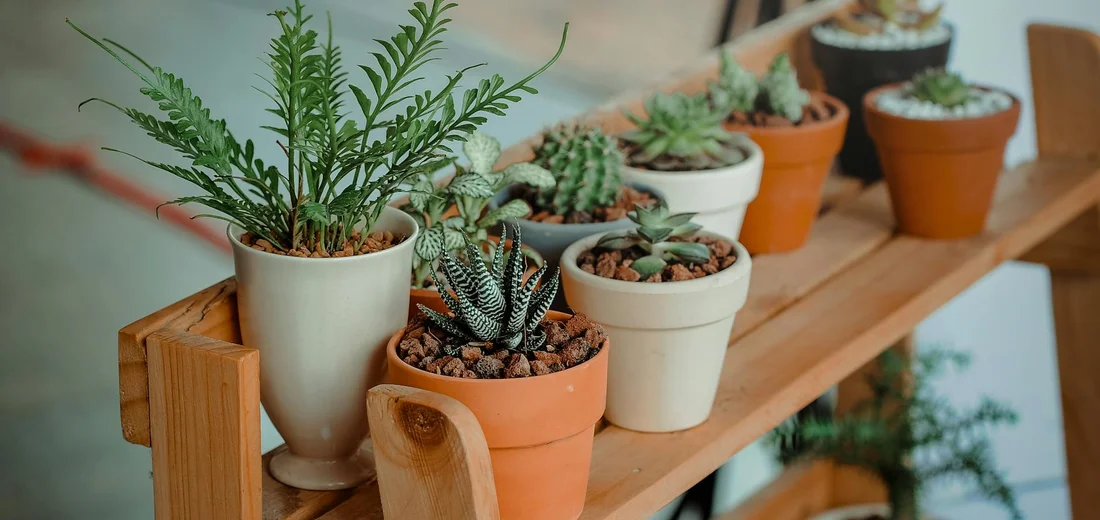
Summer is when your plant collection truly comes alive. I’ve found this is the season where consistent care pays off with explosive, vibrant growth you can almost watch happen. It’s all about providing the right support system for this energy surge.
Adjusting Water for Summer Heat
Your plants are working harder and drinking more, just like you on a hot day. The single most common summer mistake I see is sticking to a rigid weekly schedule instead of responding to the plant’s actual needs. Your succulents might still be fine with a drink every other week, but your tropicals will be thirsty.
- Do the finger test. Stick your finger two inches into the soil. If it’s dry, it’s time to water.
- Water deeply and thoroughly. I always take my plants to the sink or bathtub and water until it runs freely from the drainage holes.
- Empty the saucers. Never let your plants sit in a puddle of water, as this invites root rot, even in summer.
Quick tip: Water in the early morning so leaves have time to dry, preventing sun-scorch and fungal issues.
Managing Light and Temperature
While plants love light, the intense summer sun can be too much of a good thing. A sheer curtain has been my best friend for protecting sensitive plants from harsh, direct afternoon rays that can cause leaf scorch. I watch for leaves turning pale or developing crispy brown spots-that’s their way of crying out for some shade.
- Rotate your plants a quarter-turn each time you water. This prevents them from leaning dramatically toward the light source.
- Be mindful of hot windows. A windowsill can become an oven. If the glass feels hot to your touch, it’s too hot for many plants.
- Good air circulation is vital. I use a small, oscillating fan on a low setting across the room to mimic a gentle breeze and strengthen stems.
Autumn Transition: Preparing for Rest
As the light changes and temperatures drop, your plants get the signal to slow down. My goal in autumn is to help my plants wind down gracefully, not force them to keep up their summer pace. This is a period of preparation, not dormancy.
Reducing Water and Food
With less light for photosynthesis, your plants’ growth will slow, and so will their thirst. I start stretching the time between waterings, sometimes letting the soil dry out completely an inch deeper than I would in summer. Overwatering is the biggest threat to houseplants in the cooler months.
- Gradually reduce watering frequency over several weeks.
- Stop all fertilizer. Feeding a plant that isn’t actively growing can lead to a harmful salt buildup in the soil.
- Pay extra attention to your succulents. They need even less water now and are highly susceptible to rot in cool, damp soil.
This is the perfect time for a little plant grooming-gently remove any yellowing leaves to help the plant focus its energy.
Winter Rest: Providing Gentle Care

I’ve learned that winter is not a time for growth, but a time for rest, both for my plants and for me as a caretaker. Pushing your plants to grow during the short, dim days can actually weaken them, making them more susceptible to pests and disease. The goal is gentle maintenance, helping them conserve energy until spring returns.
Watering Wisely in Winter
This is the number one way indoor plants meet their demise in winter. Our instincts tell us to keep caring for them as we always have, but that’s a mistake. The combination of cooler temperatures and lower light levels means your plants’ soil will stay wet for much, much longer.
From my own overwatering mishaps, here’s my simple method:
- Always do the finger test. Plunge your finger two inches into the soil. If it feels cool or damp, walk away.
- For succulents and cacti, wait until the soil is completely dry throughout the pot, then wait another week.
- Water deeply but infrequently. When you do water, make sure it flows out the drainage holes, then empty the saucer after 15 minutes.
- Use room-temperature water. Ice-cold water straight from the tap can shock the delicate roots.
Maximizing Limited Winter Light
The sun is weaker and hangs lower in the sky during winter, drastically reducing the light your plants receive. A simple rotation of your plants can make a world of difference in preventing lopsided, leggy growth.
I give all my plants a quarter-turn every time I water them. This ensures every side gets its moment in the sparse winter sun. For light-hungry plants like succulents and fiddle-leaf figs, I move them right up against my brightest south-facing window. I also make a point of gently wiping dust off their leaves with a damp cloth every few weeks; a clean leaf can absorb significantly more light.
Quick Tip: If your plants are straining for light, consider a simple, inexpensive LED grow light to supplement those gloomy days.
Essential Seasonal Tasks for Any Collection
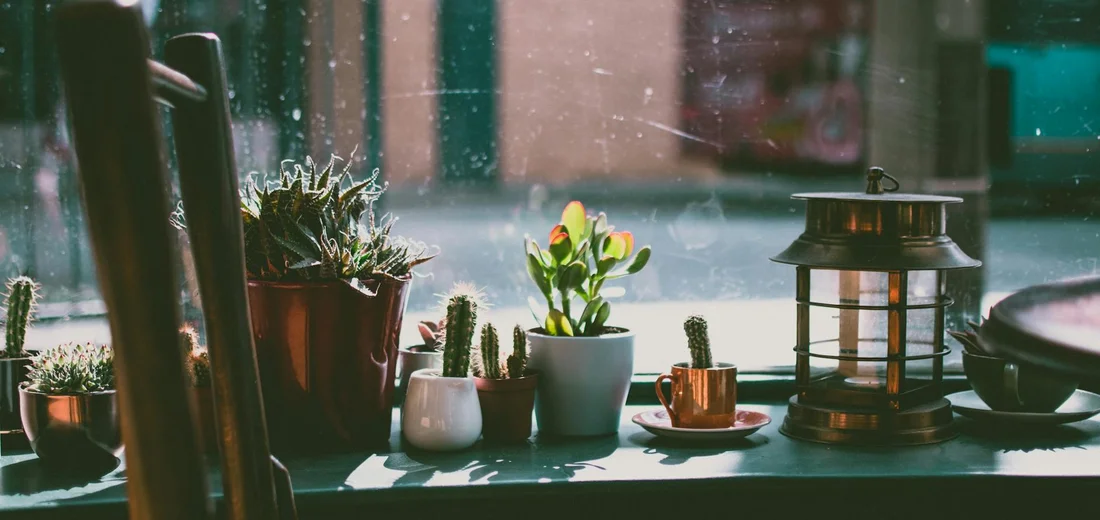
Beyond daily watering and light adjustments, there are a few key chores that align perfectly with the changing seasons. Tackling these tasks at the right time sets your entire collection up for a year of vibrant health.
When and How to Repot
I used to repot whenever I found a cute new pot, but I’ve learned timing is everything. The very best time to repot most houseplants is in the late spring or early summer, as they enter their peak growing season. Note that the best timing can vary by plant type. Different species have different windows—for example, most tropical houseplants do well when repotted in spring, while many succulents and cacti prefer after their growing season in late spring or early summer. This gives them the energy and time to recover from the stress and expand into their new space. For more details, check out the information on the best time to repot houseplants.
How do you know if it’s time? Look for these signs:
- Roots are growing out of the drainage holes.
- The plant dries out unusually fast after watering.
- When you gently remove the plant, the root ball is a tight, tangled mass.
- The plant has become top-heavy and tips over easily.
When you repot, only move up one pot size (about 1-2 inches larger in diameter). Going too big means too much wet soil surrounding the roots, which can lead to rot. Choosing the right pot size is essential for healthy plant growth.
Seasonal Propagation Tips
Spring and early summer are the golden hours for propagation. The plant is naturally surging with growth hormones, making cuttings much more likely to sprout roots and thrive. I avoid propagating in the dead of winter; the success rate is just too low and it’s disheartening.
My favorite methods change with the plant type:
- For succulents like Echeveria: Gently twist a healthy leaf from the stem. Let the broken end callous over for a few days, then place it on top of dry soil. Mist occasionally.
- For trailing plants like Pothos: Snip a section of stem with at least 3-4 leaves. Place the cut end in a jar of water, ensuring no leaves are submerged. Roots will appear in weeks!
- For Snake Plants: Cut a healthy leaf into 3-4 inch sections. Note which end was closest to the soil! Plant that end down in a gritty mix.
Using a heat mat underneath your propagation trays can significantly speed up root development, mimicking the warm soil of summer.
Troubleshooting Seasonal Stress Signals

Your plants will tell you when they’re feeling the seasonal shift, you just need to know how to listen. I’ve learned that catching these signals early is the single biggest factor in keeping a mixed collection thriving all year. Let’s decode what your plants are trying to say.
Winter Woes: Reading the Cold-Weather Cues
Shorter days and dry, heated air put immense stress on tropical plants and even some hardy succulents. Here are the most common complaints I see in my own home every winter. Learn to recognize seasonal stress signs in succulents so you can respond quickly with simple care tweaks. We’ll cover how to respond to those signs and keep them healthy through the season.
Yellowing Leaves and Leaf Drop
If your Fiddle Leaf Fig or Pothos starts dropping leaves, don’t panic. This is often the plant’s way of conserving energy when light levels are low. It’s shedding what it can’t support.
- Cause: Primarily insufficient light and overwatering. Cold drafts from windows can also trigger this.
- My Fix: I move my most light-hungry plants closer to the brightest window for the winter. I also stretch out my watering schedule significantly, sometimes waiting twice as long between waterings as I do in summer.
Brown, Crispy Leaf Tips
This is the classic sign of low humidity. My Calatheas and Ferns are always the first to protest with brown tips when the furnace kicks on.
- Cause: Dry air from central heating sucks moisture right out of the leaves.
- My Fix: I group my humidity-loving plants together to create a mini microclimate. I also run a small humidifier near them for a few hours each day. A pebble tray with water works in a pinch, too.
Summer Struggles: Responding to the Heat
While summer means growth, too much of a good thing can cause its own set of problems, especially for succulents that prefer to avoid the scorching sun. In hot summer months, provide shade during peak sun hours and water deeply but infrequently, letting the soil dry between waterings.
Sunburned or Bleached Leaves
If you see pale, whitish, or crispy brown patches on leaves, that’s a sunburn. I learned this the hard way with a String of Pearls I moved to a south-facing window in June.
- Cause: Direct, intense afternoon sun, especially through a window, which can magnify the heat.
- My Fix: I immediately move the scorched plant a few feet away from the window or use a sheer curtain to filter the light. The damaged leaves won’t recover, but the plant will push out new growth.
Leggy, Stretched Growth
This is a sneaky one. If your succulents like Echeveria start growing tall and stretched out with wide spaces between leaves, they are etiolating. To fix and prevent succulent etiolation, give them brighter light and rotate the pot for even sun exposure. This helps prevent stretched growth in the future.
- Cause: They aren’t getting enough bright, direct light and are literally reaching for more.
- My Fix: I gradually acclimate them to a sunnier spot. For succulents that have already stretched, you can “behead” them and propagate the top part to start a new, more compact plant.
Quick Tips for Seasonal Stress
- Before you water, always check the soil. Your plant’s thirst changes with the seasons, and the top inch of soil is the most honest indicator.
- Wipe down leaves every few weeks. Dust blocks precious light, and a quick wipe with a damp cloth can give your plant a major boost, especially in darker months.
FAQs
How do I adjust my watering schedule for mixed indoor plants in different seasons?
Water less frequently in fall and winter when growth slows, and increase watering in spring and summer as plants become more active.
What are the key differences in caring for succulents versus other houseplants seasonally?
Succulents often enter dormancy in summer and need minimal water, while tropical plants may require consistent humidity and more frequent watering during peak growth. Understanding succulent dormancy periods helps explain their seasonal growth cycles. It guides how to adjust watering and care as the seasons change.
When is the best time to move plants to different light exposures?
Gradually shift plants to brighter spots in spring and provide filtered light in summer to prevent scorching, adjusting as daylight changes.
How can I protect my plants from seasonal pests?
Inspect plants regularly during seasonal transitions and isolate any infested ones, using natural remedies like neem oil if needed. Learn to spot early warning signs of pest infestations in your plants, such as discolored leaves, stippling, or sticky residue. Detecting issues early helps prevent spread and minimize damage.
What are the signs that my plant is not adapting to seasonal changes?
Look for yellowing leaves, leggy growth, or leaf drop, which indicate issues with light, water, or temperature adjustments. To identify and fix common light-related plant problems, evaluate your plant’s light exposure and adjust placement or supplement with a grow light if needed. Monitor the plant’s response over the next couple of weeks to ensure improvement.
Is there a cost-effective way to maintain plant health throughout the year?
Use simple tools like moisture meters and DIY humidifiers to monitor conditions without expensive equipment, focusing on preventive care.
Ready to Nurture Your Plants Through the Seasons?
By observing and adjusting your care for light, water, and temperature as the year turns, you can keep your entire mixed collection happy and healthy. Seasonal awareness is the simplest key to preventing most common plant problems. Remember these core shifts:
- Water less in winter and more in summer’s growth spurts.
- Rotate plants to catch the changing angle of sunlight.
- Group humidity-lovers together when indoor air gets dry.
You’ve got this! Your plants are resilient, and a little attentive care from you makes all the difference. Trust your instincts, use what you’ve learned here, and enjoy the rewarding journey of growing alongside your green companions.
Further Reading & Sources
- Winter Care of Indoor Plants | UNL Water | Nebraska
- Caring for indoor plants during winter months | Ambius US
- Spring Plant Care Tips and Tricks for Houseplants – The Sill
- Summer Care for Indoor Plants
Lena Greenfield is a passionate horticulturist and plant care expert with over 10 years of experience cultivating and nurturing hardy house plants. With a deep understanding of both indoor and outdoor gardening, Lena shares practical advice on choosing, caring for, and maintaining resilient plants that flourish year-round. Through her knowledge and hands-on approach, Lena helps plant lovers transform their spaces into vibrant, green sanctuaries, no matter their gardening experience.
Light and Temperature