
Agave Plant Care Indoors: Growing Century Plants in Pots
Published on: March 4, 2026 | Last Updated: March 4, 2026
Written By: Lena Greenfield
You might think that growing a spiky, dramatic agave indoors is a recipe for disaster, but I’m here to tell you it’s surprisingly simple. These resilient plants are tougher than they look and can thrive inside your home with the right care.
I’ve grown agaves in pots for years, and I’ll walk you through everything you need to know, from finding the perfect sunny spot to mastering the art of watering. We’ll cover light requirements, watering schedules, choosing the right pot and soil, fertilizing, and troubleshooting common problems.
Choosing Your Indoor Agave
Picking the right agave for your home is the first fun step. Not all century plants are suited for container life, so choosing a slow-growing, compact variety is key to long-term happiness. I learned this the hard way after a Blue Agave quickly outgrew my sunniest window.
For most indoor spaces, I recommend starting with one of these manageable stars:
- Agave parryi (Parry’s Agave): This is my top pick. It forms a beautiful, geometric rosette and stays a manageable size for years.
- Agave victoriae-reginae (Queen Victoria Agave): Incredibly slow-growing with striking white markings. It’s a true living sculpture.
- Agave potatorum (Butterfly Agave): Another compact favorite with lovely, wide leaves that have decorative spines.
When you’re at the nursery, run your hands over the leaves. You want firm, plump leaves without any soft, mushy spots or tiny webbing that could signal pests. A healthy agave feels sturdy and resilient, not floppy or brittle.
The Perfect Pot and Soil Setup
Getting the foundation right makes all the difference in agave care. Think of the pot and soil as your plant’s personal ecosystem-it needs to be breathable and dry out efficiently. A bad setup here is the most common reason indoor agaves struggle.
Selecting the Right Container
Your agave’s pot is its home, and it has very specific needs. Drainage is non-negotiable; that single hole at the bottom is your plant’s lifeline. I’ve repotted many “rescue” agaves that were drowning in decorative pots without drainage.
Here’s what to look for in a container:
- Material: Unglazed terracotta is my go-to. It’s porous, allowing the soil to dry from the sides, which prevents root rot.
- Size: Choose a pot that is only 1-2 inches wider than the root ball. Agaves like to be slightly snug.
- Shape: A shallow, wide pot is often better than a deep, narrow one, as it mimics their natural, shallow root spread.
Quick Tip: Always lift the pot in the store to check for a drainage hole. If it doesn’t have one, keep walking!
Mixing Your Ideal Agave Soil
Regular potting soil holds too much moisture and will lead to a sad, rotting agave. You need a gritty, fast-draining mix that mimics the rocky, dry slopes they naturally call home. Over the years, I’ve perfected a simple, effective recipe.
My favorite DIY agave soil mix combines:
- 2 parts cactus & succulent potting mix (a good base)
- 1 part perlite (for aeration)
- 1 part coarse sand or poultry grit (for added drainage and weight)
This creates a chunky blend where water flows through instantly. When you water, it should run straight out the bottom, not pool on the surface. If you’re not into mixing, a high-quality bagged cactus mix with extra perlite mixed in will also do the trick. For bottom watering, place the pot in a shallow tray of water and let it wick up until the soil is moist. This approach is a core part of our complete guide to bottom watering techniques for succulents.
Your Agave’s Daily Needs: Light and Water
Finding the Sunniest Spot
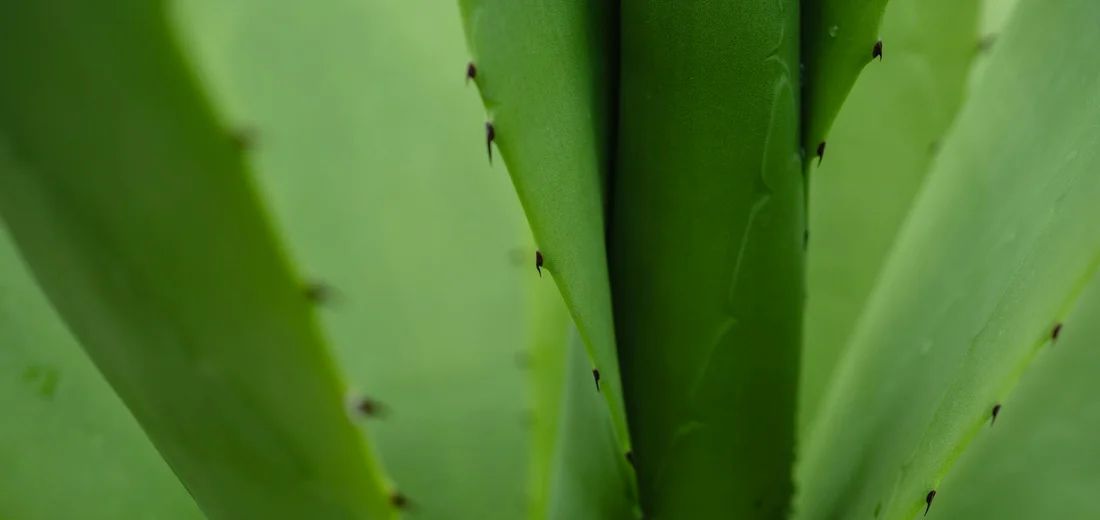
Think of your agave as a sunbathing champion; it craves direct, unfiltered light for the majority of the day. In my own home, the only spots that have truly worked are unobstructed south or west-facing windows where the plant gets a solid 6-8 hours of direct sun. I’ve tried them in east-facing rooms, and while they survived, they became stretched and leggy, reaching pathetically for more light.
This condition is called etiolation, and it weakens the plant’s structure. If your agave’s leaves are pale and the spaces between them are widening, it’s sending you a clear signal that it needs more rays, pronto. Don’t be afraid to let the sun pour directly onto its fleshy leaves; that’s exactly what it’s built for.
A Simple Watering Schedule That Works
Overwatering is the fastest way to kill a potted agave, leading to mushy, rotten roots. I follow a “soak and dry” method that has never failed me. I thoroughly drench the soil until water runs freely out of the drainage hole, then I let the pot dry out almost completely before even thinking about water again.
Here’s my practical routine:
- Stick your finger two inches into the soil. If it’s dry, it’s time to water.
- During the active growing season (spring and summer), this might be every 2-3 weeks.
- In the dormant winter months, I sometimes go 5-6 weeks between waterings.
A thirsty agave will tell you-its thick leaves will start to look a bit wrinkled or feel less rigid. It’s always safer to err on the side of too dry than too wet. A quick tip: Always use a pot with a drainage hole to let any excess water escape. Signs and symptoms for succulents can help you determine the right time to water.
Long-Term Care for a Thriving Century Plant
Feeding Your Agave
Agaves are not heavy feeders, and over-fertilizing can do more harm than good, causing weak, floppy growth. I feed my potted agaves just once a year, in the early spring, as they’re coming out of their winter rest. This single feeding gives them a gentle nutrient boost for the entire growing season ahead.
My go-to fertilizer is a balanced, water-soluble formula diluted to half-strength. Look for a fertilizer with equal or low nitrogen numbers (like a 10-10-10 or 5-10-10) to support strong roots and overall health without forcing excessive leaf growth. For houseplants, choosing the best NPK ratio matters: a balanced or slightly lower nitrogen formula is typically ideal. Tailor the ratio to the plant type and growth stage. Remember, less is truly more when it comes to feeding these resilient plants.
Seasonal Temperature and Humidity
Agaves love the same temperatures you probably find comfortable in your home. They thrive in average room temperatures between 65°F and 80°F (18°C – 27°C), making them perfect, low-maintenance houseguests. The key thing to watch out for is sudden, cold drafts from doors or windows in the winter.
I learned this the hard way when one of my plants near a drafty window developed unsightly brown spots on its leaves from the chill. As for humidity, standard household levels are absolutely fine; you don’t need to mist your agave or provide any extra moisture in the air. In fact, high humidity can encourage fungal issues, so your dry indoor air is actually a benefit. For healthy indoor plants, a bit of humidity awareness helps you maintain steady conditions without overdoing it. Monitor humidity and adjust as needed to keep plants thriving.
Solving Common Indoor Agave Problems
Why Are My Agave’s Leaves Changing Color?
Seeing your agave’s color shift can be alarming, but I’ve found it’s usually a simple fix. Yellowing leaves often scream overwatering. I learned this the hard way with my first agave; I was loving it a little too much with the watering can. The leaves get soft and mushy at the base. Let the soil dry out completely before you even think about watering again.
Brown, crispy tips are a classic sign your plant is thirsty. Agaves store water in their leaves, and when reserves get low, the tips sacrifice themselves first. Give the soil a deep, thorough soak until water runs out the drainage hole. The plant will plump back up, though the brown tips won’t turn green again. You can snip them off for aesthetics.
If your agave is turning a pale, washed-out green or even white, it’s getting too much direct sun. I had one on a south-facing windowsill that started to bleach. Move it to a spot with bright, but indirect, light to help it regain its rich color. If the plant is not getting enough light, you may notice slow growth and a leggy, stretched shape. Conversely, a dark green, stretched-out agave is begging for more sunlight.
Dealing with Pests and Diseases
Agaves are tough, but not invincible. The most common issue I see is root rot from soggy soil. If the plant feels loose in its pot or smells musty, unpot it immediately to check the roots. Healthy roots are firm and white. Cut away any black, mushy ones with a sterile knife and repot into fresh, dry cactus mix.
For pests, keep an eye out for these troublemakers:
- Mealybugs: They look like tiny bits of cotton. I dab them directly with a cotton swab soaked in rubbing alcohol. It’s satisfying and effective.
- Scale: These appear as small, brown, bumpy spots on the leaves. You can scrape them off gently with your fingernail or use a horticultural oil spray.
- Fungus Gnats: These tiny flies love wet soil. Letting the soil dry completely between waterings is the best prevention and cure.
A quick tip: A blast of water from a spray bottle can often dislodge early infestations of aphids or spider mites before they become a real problem. Good air circulation around your plant also helps prevent many fungal issues. For a comprehensive pest prevention strategy for your plant collection, add regular inspections and quarantine procedures for new specimens. Pair these methods with consistent monitoring and timely interventions to keep your collection healthy.
When and How to Repot and Propagate
Step-by-Step Repotting Guide
Agaves like to be a bit root-bound, so you only need to repot every 2-3 years. The best time is in the spring or early summer when the plant is actively growing. You’ll know it’s time if you see roots peeking out of the drainage holes or growth has seriously slowed. This applies to many other succulents as well.
Here is my foolproof repotting method:
- Gather your supplies: a new pot only 1-2 inches wider, fresh cactus/succulent potting mix, gloves, and newspaper.
- Lay down the newspaper. Wearing gloves is non-negotiable-agave sap can irritate skin.
- Tip the pot sideways and gently coax the plant out. If it’s stuck, you can tap the sides of the pot or run a knife around the inside edge.
- Loosen the root ball gently with your fingers. You don’t need to be aggressive, just enough to encourage the roots to spread into their new home.
- Place a layer of fresh mix in the new pot. Set the agave in so it sits at the same depth as before.
- Fill in around the sides with more mix, tamping it down lightly to remove large air pockets.
- Wait a week before watering. This gives any disturbed roots time to heal and prevents rot.
Growing New Plants from Offsets
One of the most rewarding parts of agave care is propagation. Mature plants produce “pups” or offsets-little baby plants that grow from the base. Seeing offsets is a sign you’re doing a great job as a plant parent. I get so excited every time I spot a new one.
To propagate, wait until the offset is at least one-third the size of the mother plant. This ensures it has its own root system started. From there, you can propagate different snake plant varieties step by step by selecting offsets from each plant and rooting them separately. This method helps you maintain distinct cultivars as you propagate.
- Gently brush away the soil from the base of the offset to see where it connects to the mother.
- Using a clean, sharp knife, make a clean cut to separate the pup. Try to keep some roots attached to the baby.
- Let the cut end of the offset dry and callous over for a day or two. This is crucial to prevent rot when you pot it.
- Plant the calloused offset in a small pot with cactus mix. Water lightly to settle the soil.
- Place it in bright, indirect light and treat it like a mature agave, letting the soil dry out between waterings.
A quick tip: If an offset breaks off without any roots, don’t toss it! You can still try to propagate it by letting it callous and then placing it on top of dry soil. With patience, it will often send out roots on its own. This is a straightforward transplant/propagation approach that can help you grow more succulents. With a little care, the offsets will develop into healthy, independent plants.
FAQs
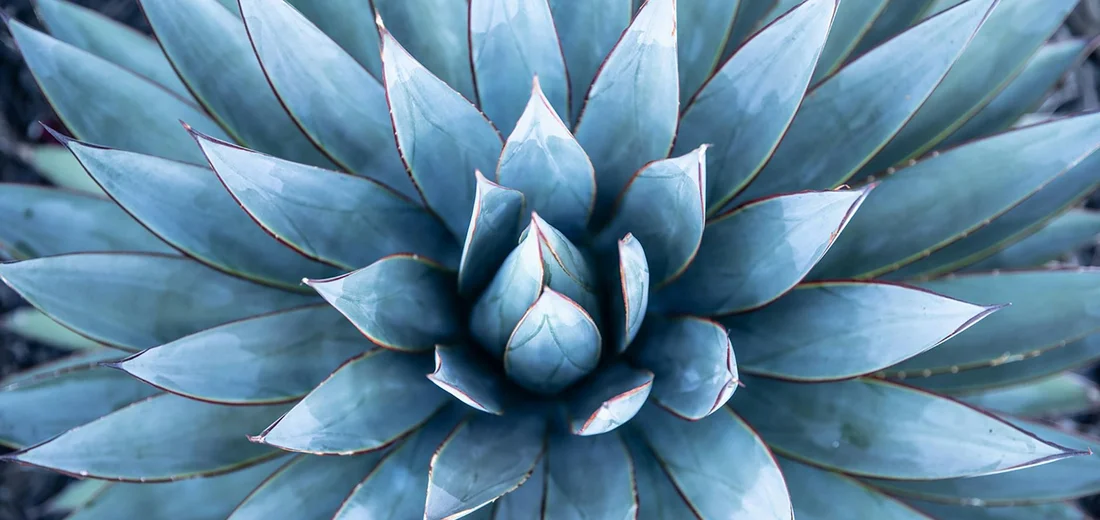
How do I care for Agave geminiflora indoors?
Agave geminiflora thrives in bright, direct light and requires a well-draining soil mix to prevent root rot.
Why are the leaves on my indoor agave turning brown?
Brown leaves often result from underwatering, excessive direct sunlight, or low humidity levels in your home.
What type of pot is best for growing agave indoors?
Choose an unglazed terracotta pot with drainage holes to promote quick drying and prevent waterlogged soil.
Can I move my indoor agave plant outside?
Yes, but gradually introduce it to outdoor light and temperatures to avoid shock, and return it indoors before cold weather.
How can I tell when my indoor agave needs water?
Check the soil moisture by inserting your finger two inches deep, and water only if it feels completely dry.
How should I care for my agave plant indoors during winter?
Water sparingly and protect the plant from cold drafts to support its dormant phase and maintain health.
Your Indoor Agave Care Checklist
In my experience, a happy indoor agave simply needs strong light, sparse watering, and a gritty, well-draining home. Watering needs can differ for indoor vs outdoor watering setups. Outdoor succulents often need more frequent watering in hot, dry weather, while indoor plants usually go longer between waterings. Stick to this simple checklist: provide bright, direct sunlight, water only when the soil is completely dry, and use a fast-draining cactus & succulent soil mix.
You are now equipped with everything you need to help your spiky companion thrive for years. Go give your agave a little love-you’ve got this, and your confident green thumb will be rewarded with a stunning, resilient plant.
Further Reading & Sources
- Top 7 Tips for Growing a Healthy and Happy Agave Plant – rePotme
- Preparing My Agaves for Winter Storage – The Martha Stewart Blog
- r/gardening on Reddit: Agave Indoor Care
- Agave: Plant Care & Growing Guide
Lena Greenfield is a passionate horticulturist and plant care expert with over 10 years of experience cultivating and nurturing hardy house plants. With a deep understanding of both indoor and outdoor gardening, Lena shares practical advice on choosing, caring for, and maintaining resilient plants that flourish year-round. Through her knowledge and hands-on approach, Lena helps plant lovers transform their spaces into vibrant, green sanctuaries, no matter their gardening experience.
Repotting Guidelines