
How Long Can Snake Plants Go Without Water?
Published on: September 11, 2026 | Last Updated: September 11, 2026
Written By: Lena Greenfield
Snake plants can survive for several weeks without water, and sometimes even longer, thanks to their tough, succulent leaves. If you’re worried about forgetting a watering or two, I can assure you from my own plant-parenting mishaps that these resilient greens are built to handle a bit of neglect.
In this article, I’ll cover key factors that affect their drought tolerance, clear signs they need a drink, and my proven watering strategies to keep them thriving.
The Surprising Drought Tolerance of Snake Plants
I’ve seen snake plants thrive in conditions that would make other houseplants wither. Their secret lies in their succulent leaves. Those thick, upright leaves aren’t just for show; they act as built-in water reservoirs, storing moisture for the dry spells ahead. It’s a brilliant survival mechanism I’ve come to truly admire.
Beyond the leaves, their root system is designed for hardship. They develop rhizomes-these chunky, underground stems that also hoard water and nutrients. When you forget to water, the plant simply lives off its internal savings, pulling moisture from the leaves and roots as needed. This is why a slightly neglected snake plant often looks perfectly happy, while your ferns might throw a dramatic fit.
Exactly How Long Can a Snake Plant Survive Without Water?
In my home, I’ve pushed the limits with a large, established snake plant in a clay pot. Under typical indoor conditions, a healthy snake plant can easily go 6 to 8 weeks without a single drop of water. I’ve personally tested this, and it’s a relief for anyone who travels frequently or has a busy schedule. This topic is covered in our snake plants indoors complete guide. It walks you through how to water, how often, and how to spot when your snake plant needs moisture.
The timeline isn’t set in stone, though. I’ve had smaller plants in tiny pots start to show slight stress after about 4 weeks. The golden rule I follow is to always check the soil, not the calendar. The plant is ready for a drink only when the soil is completely dry all the way to the bottom of the pot.
Factors That Extend or Shorten Survival Time
Several elements in your home directly impact how quickly your plant uses its water reserves. Here’s what I’ve observed over the years:
- Light Exposure: A plant in a bright, sunny window will photosynthesize more and use water faster than one in a low-light corner.
- Pot Size and Material: Snake plants in small pots or porous terracotta pots dry out much more quickly than those in large, plastic containers.
- Temperature and Humidity: Warm, dry air from heating vents will shorten the time between waterings, while a cool, humid room lets the plant conserve water.
- Season: During the winter, when growth naturally slows, my snake plants can go two months or more without water. In the active summer growing season, they might need a drink every 3-4 weeks.
- Plant Health: A robust, well-rooted plant has a larger water reserve to draw from compared to a newly propagated or struggling one.
Quick Tip: If you’re going on vacation, simply move your snake plant away from direct sunlight to a cooler spot. This dramatically slows its water consumption.
Spotting the Signs: Is Your Snake Plant Thirsty or Stressed?
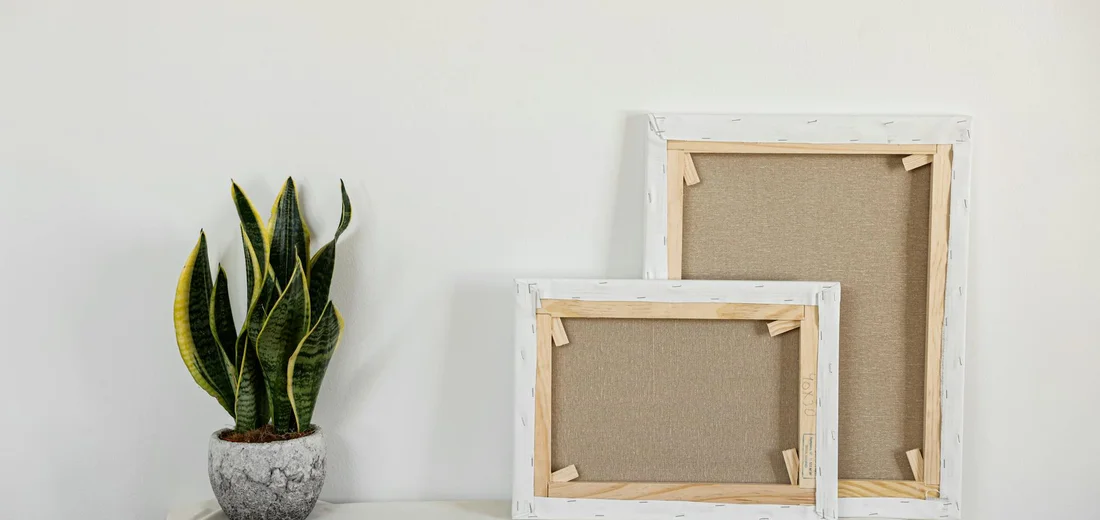
Your snake plant will tell you when it needs a drink, but you have to know how to listen. I always start by gently squeezing a leaf; a well-hydrated snake plant leaf feels firm and rigid, while a thirsty one will feel softer and may even give slightly under pressure. This simple touch test has never steered me wrong.
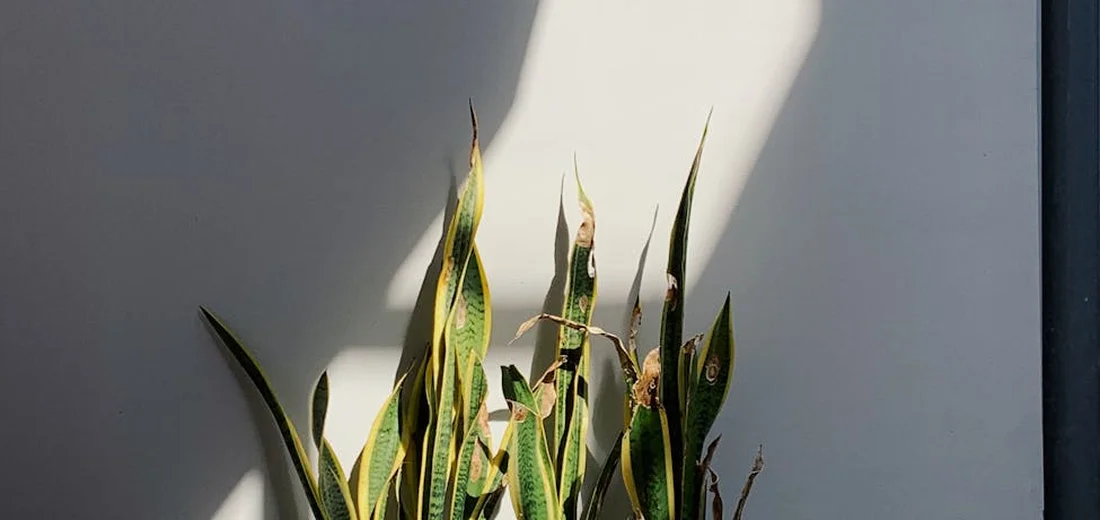
Look closely at the leaves themselves. Wrinkling or puckering along the length of the leaf is a classic cry for water, and you might also notice the leaves starting to fold inwards slightly, like a taco shell. The plant is trying to conserve every last drop of moisture it has left.
Common Misdiagnoses: Underwatering vs. Other Issues
It’s easy to panic and think your plant is thirsty when you see a problem. I’ve been there! Yellow, mushy leaves almost always point to overwatering and root rot, not a lack of water-adding more will quickly finish the plant off. This is the most common and deadly mistake.
Here’s a quick guide I use to tell the difference:
- Underwatering Signs: Wrinkled or folded leaves, dry and crispy leaf tips, soil pulling away from the pot’s edges, and overall droopiness.
- Overwatering Signs: Widespread yellowing, soft and mushy leaves (especially at the base), and a foul, damp smell from the soil.
- Pest Stress Signs: Webbing (spider mites), sticky residue (scale), or tiny bugs themselves. These pests suck the moisture from leaves, mimicking drought.
Quick Tip: Before you water, always stick your finger deep into the soil. If it’s bone dry two inches down, it’s time for a drink. If it’s damp, wait!
Rescuing Your Snake Plant from Severe Drought
If you’ve found your snake plant in a seriously parched state, don’t lose hope. These plants are champions of resilience. The best method for reviving a severely dehydrated snake plant is the “bottom-watering” technique, which encourages the roots to drink deeply and evenly. I’ve saved many forgotten plants this way. While watering is crucial, it’s also important to know the signs of a snake plant in distress so you can address any issues promptly.
Here is my step-by-step rescue plan:
- Place your plant’s pot (with drainage holes) into a sink or basin filled with 3-4 inches of room-temperature water.
- Let it sit for at least 45 minutes, or until the top of the soil feels moist to the touch.
- Remove the pot from the water and let all the excess water drain out completely. Never let it sit in a saucer of water afterward.
- Place the plant in bright, indirect light and wait. You should see the leaves begin to plump up and firm up within a week.
Patience is your best tool here; the plant has been through a trauma and needs time to recover without being smothered with more water. Resist the urge to water it again until the soil has fully dried out from this deep soaking.
When to Consider Repotting for Better Moisture Control
Sometimes, the problem isn’t just your watering schedule-it’s the soil itself. If your snake plant’s soil has become hard, compacted, and water-repellent (a condition called hydrophobic), it’s time for a fresh start with a repot. I see this often in older plants that have been in the same soil for years. After repotting, follow the watering guidance in our complete guide to water your snake plant properly in its new pot. This helps the roots settle in and avoids overwatering.
Repotting is also a smart move if your plant is severely root-bound. A pot crammed full of roots has very little soil left to hold onto moisture, meaning your plant will dry out frustratingly fast no matter what you do. Giving those roots new space and fresh, well-draining soil is like a reset button for its health.
Choose a new pot that is only 1-2 inches wider and use a gritty, succulent-specific potting mix. Quick Tip: When you repot, gently tease apart the root ball to encourage the roots to grow out into their new home instead of staying in a tight circle.
Crafting the Ideal Watering Routine for Your Snake Plant
How to Test Soil Moisture Accurately
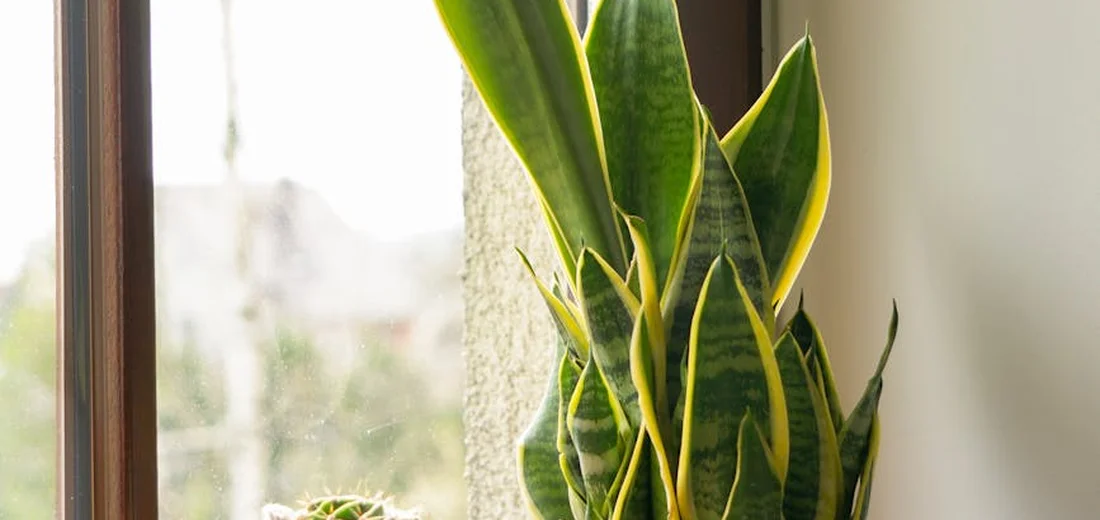
Getting the watering right is the single most important thing you can do for a snake plant, and it all starts with knowing what’s happening in the soil. I’ve found that the most reliable method is still the good old-fashioned finger test. Just stick your index finger about two inches down into the potting mix. If your finger comes out clean, with no soil sticking to it, it’s time for a drink. Different snake plant types have slightly different light and water needs, so adjust care to the variety you own. A well-draining soil mix helps prevent overwatering and root rot, no matter which type you have.
For those who don’t want to get their hands dirty, a wooden skewer or chopstick works wonderfully. Push a dry skewer deep into the soil, leave it for a minute, then pull it out to check for moisture. If it comes out looking the same as when it went in, your plant is thirsty. If it has darkened or has damp soil clinging to it, hold off on watering.
Moisture meters can be helpful tools, especially for beginners, but don’t rely on them exclusively. In my experience, they can sometimes give false readings, so I always double-check with a physical test. The goal is to feel the dryness for yourself and understand the unique rhythm of your plant’s pot and your home’s environment.
Maximizing Your Snake Plant’s Health with Smart Care Choices
The Low-Key Benefits of Keeping a Snake Plant
Beyond their tough-as-nails reputation, snake plants are secret superstars for your home. They are one of the top plants NASA identified for their ability to purify indoor air, filtering out common toxins like formaldehyde and benzene. I keep one in my bedroom because they also release oxygen at night, which can potentially improve sleep quality. To make the most of these hardy plants, check out a complete indoor snake plant care guide from placement to maintenance. It covers choosing the best spot, lighting, watering, soil, and ongoing care to keep them thriving.
Their architectural, upright leaves add a modern touch to any room without demanding constant attention. I love that they are the definition of a low-maintenance companion, perfect for busy people, frequent travelers, or anyone who doubts their plant-care abilities. They thrive on a little neglect, making them incredibly forgiving for new plant parents.
There’s a real psychological benefit to caring for a living thing that is so resilient. Watching a snake plant push out a new, spear-like leaf is a quiet little victory that always boosts my mood. It’s a constant, gentle reminder that growth happens, even when things seem slow or you forget to pay attention for a while.
FAQs
How much oxygen does a snake plant produce?
A healthy snake plant can produce enough oxygen to contribute to improved air quality in a small indoor space.
How much oxygen does a snake plant produce per day?
On average, a single snake plant may produce approximately 5-10 grams of oxygen per day under ideal conditions.
How does snake plant oxygen production compare to other houseplants?
Snake plants are among the top oxygen-producing houseplants, especially notable for releasing oxygen at night due to their CAM photosynthesis. When it comes to light, they are famously adaptable: they do best in bright, indirect light but are tolerant of a wide range of light conditions.
What do Reddit users commonly say about snake plant oxygen production?
Many Reddit discussions emphasize snake plants as effective for increasing oxygen levels in bedrooms to potentially aid sleep, but they do not release oxygen at night.
How does drought affect snake plant oxygen output?
Prolonged drought can reduce a snake plant’s oxygen production as the plant conserves energy and slows metabolic processes.
Are snake plants suitable for improving indoor air quality through oxygen release?
Yes, snake plants are excellent for enhancing indoor air quality by steadily releasing oxygen and filtering toxins. As indoor houseplants, they’re a popular choice due to their hardiness and low maintenance. They also thrive in low light, making them well-suited for many spaces.
Your Resilient Snake Plant Awaits
To keep your snake plant thriving with minimal fuss, remember this simple rule: It’s far better to underwater than to overwater this hardy plant. For a quick recap, your plant’s survival without water depends on a few key factors: Drainage holes matter—choose pots with drainage to prevent root rot. Good drainage makes it easier to avoid accidental overwatering.
- The amount of light it receives
- The temperature and humidity of your home
- The time of year (they need even less in winter)
You now have the knowledge to care for your snake plant with confidence. Trust your instincts, check the soil before reaching for the watering can, and enjoy the beautiful, low-maintenance greenery this fantastic plant brings to your space. This is part of our complete guide on using succulent soil for snake plants. For more tips, check the full guide.
Further Reading & Sources
- Plant of the Month: Drought Tolerant and Great for the Indoors – Water Use It Wisely
- A Handy Guide to the Snake Plant (Dracaena trifasciata) to Care For It Like a Pro
- Snake Plant Care and Best Varieties
- Flora | Thirsty Snakes: How Often Should You Water a Snake Plant
Lena Greenfield is a passionate horticulturist and plant care expert with over 10 years of experience cultivating and nurturing hardy house plants. With a deep understanding of both indoor and outdoor gardening, Lena shares practical advice on choosing, caring for, and maintaining resilient plants that flourish year-round. Through her knowledge and hands-on approach, Lena helps plant lovers transform their spaces into vibrant, green sanctuaries, no matter their gardening experience.
Watering Practices