
How to Keep Succulents Small, Compact, and Healthy
Published on: March 24, 2026 | Last Updated: March 24, 2026
Written By: Lena Greenfield
Want your succulents to stay petite and vibrant without becoming leggy or overgrown? You can easily maintain their cute size with simple, consistent care routines.
In this article, I’ll share my hands-on tips from years of succulent growing, focusing on proper watering, ideal light exposure, strategic pruning, and the best soil mix.
Why Aim for a Petite Succulent?
You might wonder why you’d want to limit a plant’s growth. From my years on windowsills and shelves, I’ve found that keeping succulents small isn’t about restriction-it’s about cultivating a specific, charming aesthetic. A compact succulent fits perfectly on a desk, a bookshelf, or in a tiny terrarium, bringing a touch of green to even the smallest spaces.
Smaller succulents are often healthier and more resilient because their growth is controlled and manageable. I’ve seen many new plant parents struggle with a succulent that has shot up tall and leggy; that stretched-out growth is a sign the plant is desperately searching for light and is actually weaker.
A compact plant has tight, dense leaf formations that are less prone to physical damage and can support their own weight beautifully. It’s about working with the plant’s natural form to create a miniature masterpiece that thrives.
Mastering Light for Compact Growth
Light is the single most important factor for keeping your succulents small and stout. Think of light as their personal trainer—it dictates their posture and density. Too little, and they’ll stretch and become weak. Leggy growth is a telltale sign of insufficient light. Too much harsh, direct sun can scorch them. The goal is a steady, generous supply. If you see leggy growth, fix it by increasing light (or adding a grow light) and providing even exposure.
I always advise placing succulents in a spot where they get at least 6 hours of bright, indirect light daily. A south or east-facing window is often perfect. If you notice the colorful stress colors on the leaf tips intensifying, that’s a great sign—it means your light levels are ideal for compact, colorful growth. However, different succulents have varying light needs—some crave more sun, others prefer less. So we’ll explore exactly how much light different succulents really need.
Finding the Perfect Light Balance
Finding the sweet spot can feel like a dance. If your plant starts stretching (a condition called etiolation), with large gaps between the leaves, it’s begging for more light. Gently move it to a brighter location. I’ve rescued many stretched succulents by doing this and then propagating the compact new growth that followed.
If you see pale, bleached, or crispy brown spots on the leaves, it’s getting too much direct, intense sun. A simple sheer curtain can work wonders to diffuse harsh afternoon rays and prevent sunburn. Rotate your pot a quarter turn every week to ensure every side gets its time in the limelight, promoting even, symmetrical growth.
For those in darker homes, don’t lose hope! A basic grow light placed a few inches above the plant for 12-14 hours a day can completely transform your succulent’s structure. I use one for my winter collection, and the difference in how tight and colorful they remain is remarkable. To use grow lights with succulents effectively, keep the light a few inches above the plant and on a timer for consistent 12-14 hour cycles. If you see stretching or bleaching, tweak the distance or duration as needed.
The Art of Strategic Watering
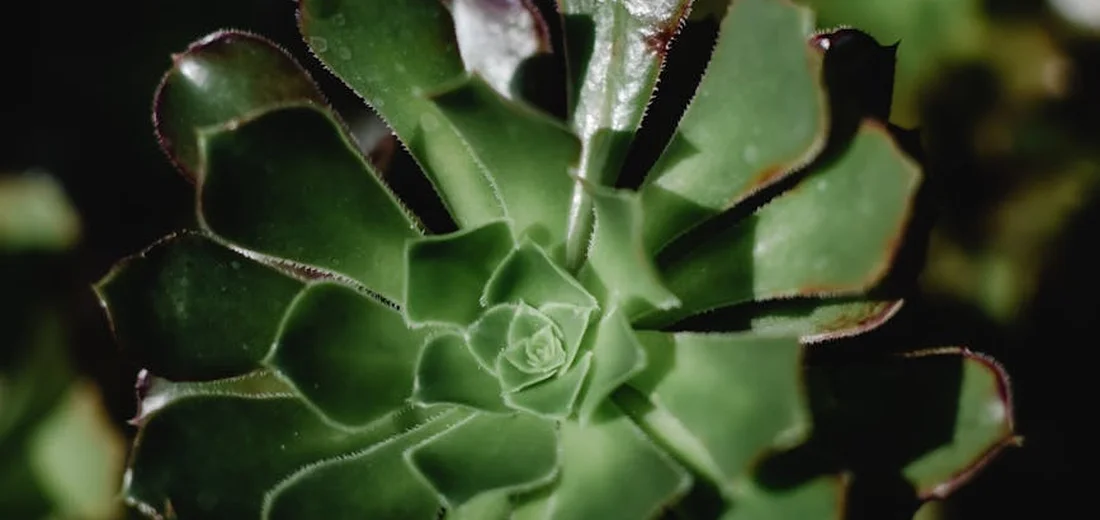
I learned the hard way that overwatering is the fastest way to a leggy, stretched-out succulent. Watering is not about a schedule; it’s about reading your plant’s needs based on its environment. A succulent sitting in a sunny, hot window will need water more often than one in a cool, shady spot.
Creating Your Watering Routine
Forget watering every Sunday. I check my succulents for thirst instead. Here’s my simple, foolproof method:
- Stick your finger about two inches into the soil. If it feels dry and crumbly, it’s time.
- Lift the pot. A light pot is a thirsty pot. You’ll quickly learn the difference in weight.
- Look for subtle signs. Some succulents get slightly wrinkled leaves when they need a drink.
When you do water, make it count. Take your plant to the sink and give it a thorough, deep soak until water runs freely out the drainage hole. This encourages strong, deep roots and mimics the infrequent downpours they’d get in nature.
Then, let it drain completely and ignore it until the soil is bone-dry again. This cycle of drought and drenching keeps them compact and happy.
Soil and Pot Selection: The Foundation of Size Control
Your choice of soil and pot is like choosing the right-sized home and neighborhood for your plant. A cramped pot and gritty soil naturally restrict growth, encouraging your succulent to stay small and focus on being dense rather than tall.
Crafting the Ideal Cactus Mix
Regular potting soil holds too much moisture and can cause rot. I always use a fast-draining cactus and succulent mix. To make it even better, I often create my own blend:
- Two parts potting soil
- One part perlite for aeration
- One part coarse sand or poultry grit for drainage
This gritty mix ensures water flows through quickly, preventing the roots from staying wet. A succulent with “wet feet” will either rot or grow weak and stretched out trying to escape the moisture.
Choosing a Container that Constrains
The pot is your ultimate tool for size control. A large pot gives the roots too much room to expand, which signals the plant to grow bigger above the soil. For a compact plant, pick a pot that is only slightly larger than the root ball-about an inch of space around the sides is perfect.
Terracotta pots are my favorite for succulents. The porous clay allows the soil to dry out evenly and helps prevent overwatering accidents. Just be aware that they dry out faster than plastic or glazed ceramic. So, are terracotta pots good indoor plants? They can be, especially for succulents and other drought-tolerant houseplants, where quick drying helps prevent root rot.
Most importantly, your pot must have a drainage hole. Without one, you’re inviting root rot, and no amount of careful watering can save a plant sitting in a puddle.
Pruning and Trimming for Perfect Proportions
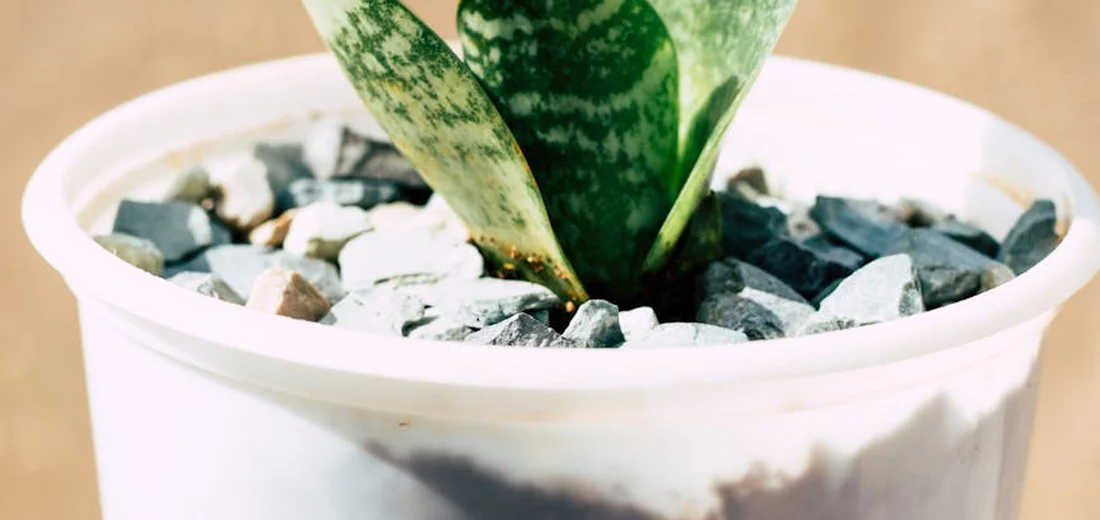
Over the years, I’ve found that a little strategic snipping is the single most effective way to keep your succulents looking full and miniature. Pruning isn’t about harming your plant; it’s about guiding its energy to create the dense, compact shape you love. Done properly, pruning supports healthy growth and enhances aesthetics. Prune succulents correctly to balance vitality with a compact, attractive shape.
Step-by-Step Guide to Pruning
- Gather your tools. I always use a pair of sharp, clean scissors or precision pruners. Wipe them with rubbing alcohol to prevent spreading any diseases.
- Identify what to cut. Look for stems that are getting long and “leggy,” any leaves that are yellowing or damaged, and overgrown sections that throw off the plant’s balance.
- Make your cuts. For a stretched stem, find a node (a small bump where a leaf was attached) and snip just above it. This encourages the plant to branch out from that point. For individual leaves, gently twist them off at the base where they meet the stem.
- Don’t panic about the “wounds.” Simply set your plant in a spot with good air circulation. The cut ends will callus over naturally in a day or two, which protects the plant from rot.
- Be patient. Your succulent will now redirect its energy into growing new, tighter growth from the nodes you left behind and from the center of the plant.
Remember, you can propagate almost every piece you prune off, turning your trimmings into brand new baby plants. It’s a rewarding cycle of growth and renewal.
Fertilization: Less is More
In my experience, the biggest mistake new succulent owners make is over-fertilizing. These plants are adapted to thrive in nutrient-poor soils, so a heavy hand with fertilizer will force rapid, weak growth that ruins their compact form and doesn’t address poor soil quality.
I fertilize my entire collection only once or twice a year, typically in the spring and maybe again in early summer. I completely stop feeding them in the fall and winter when their growth naturally slows down.
- Choose the right food. Look for a fertilizer specifically formulated for cacti and succulents. These are usually lower in nitrogen, which promotes the leafy, stretched growth we want to avoid.
- Dilute, dilute, dilute. Even a specialized fertilizer should be diluted to half or even a quarter of the strength recommended on the bottle. Think of it as a gentle vitamin boost, not a full meal.
- Always water first. Never apply fertilizer to dry soil. Water your succulent lightly with plain water first to moisten the roots. This prevents the fertilizer from causing root burn.
A slightly underfed succulent is far more likely to stay small, colorful, and healthy than one that is overfed. Their slow, steady growth is part of their charm and what keeps them manageable.
Selecting Succulents That Stay Small
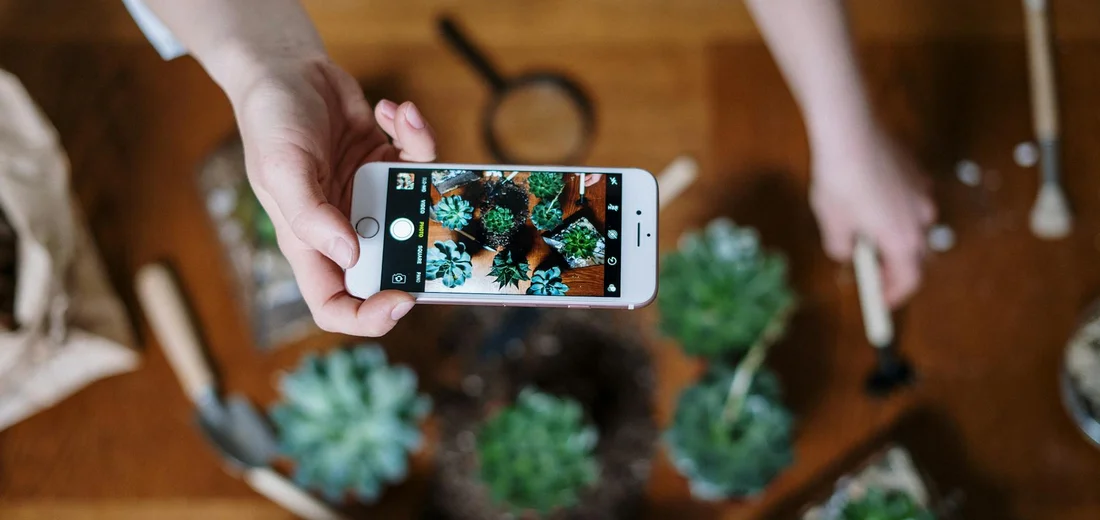
Choosing the right type of succulent is your first and most powerful step toward a compact collection. I always look for species that are genetically programmed to stay small, which saves me from a constant battle with pruning shears. Over the years, I’ve found these varieties to be the most reliable for maintaining a petite profile.
Top Compact Succulent Varieties
- Haworthia: My Haworthias, like the Zebra Plant, form tight rosettes and rarely stretch out. They are perfect for a bright desk or a shelf.
- Echeveria: Many Echeverias, such as the ‘Lola’ or ‘Perle von Nurnberg’, naturally grow in beautiful, dense rosettes when given enough light.
- Sedum ‘Little Missy’: This is a fantastic groundcover that stays incredibly low and mats together, creating a tiny, textured carpet.
- Lithops (“Living Stones”): These are the ultimate small succulents. They rarely grow more than an inch or two above the soil, mimicking pebbles.
- Gasteria: Their tongue-shaped leaves grow in a compact, low-growing cluster, making them very manageable.
When you’re at the nursery, don’t just pick the prettiest one. Look for a plant that already has a tight, dense form with little space between its leaves. A succulent that’s already a bit leggy at the store is telling you it was grown in low light, and it will be harder to correct that habit at home.
Troubleshooting: Correcting Leggy Growth
Seeing your succulent stretch out with a long, bare stem and widely spaced leaves is disheartening. We call this “etiolation.” This is the plant’s desperate attempt to reach for more sunlight, and I’ve had to fix this on more than one of my own plants. To fix and prevent this type of etiolation, give your succulents more light. Position them where they’ll receive several hours of bright, indirect sun or supplement with a grow light. The good news is, it’s a solvable problem.
Why Your Succulent is Getting Leggy
- Insufficient Light: This is the number one cause. Your plant simply isn’t getting the bright, direct light it craves.
- Wrong Light Type: A north-facing window often doesn’t provide enough intensity, even if it seems bright to you.
- Overwatering: Too much water can cause a growth spurt that the available light can’t support, leading to weak, stretched growth.
How to Fix a Leggy Succulent (The “Chop and Prop” Method)
You can’t shrink the stretched stem, but you can start over with a compact new plant. Here is the process I use, which has a very high success rate.
- Get a Clean Cut: Using a sharp, sterile knife or shears, cut the stem about an inch or two below the lowest healthy, compact leaves.
- Callus Over: This is the most critical step! Let the cut end of the top rosette dry out and form a hard callus. This usually takes 2-4 days. If you plant it while it’s fresh and wet, it will rot.
- Plant the Top: Once callused, place the rosette on top of fresh, dry succulent soil. Don’t water it yet. Wait about a week, then give it a light drink. It will soon grow new roots.
- Don’t Toss the Stem: Leave the original stem with roots in its pot. I’m always amazed that it will often sprout several new baby succulents (called “pups”) from the sides of the bare stem.
- Propagate the Leaves: You can also gently twist off the healthy leaves from the leftover stem and lay them on soil to grow entirely new plants.
Moving your plant to a significantly brighter location is non-negotiable after this process. A south-facing window is ideal, or consider a simple grow light. Your newly propagated succulent will grow compact and happy from the start if its light needs are met.
Seasonal Care for Year-Round Health
Keeping your succulents small and tight isn’t a one-time fix; it’s a year-long dance with the seasons. I adjust my care routine with the calendar, and this simple habit is the secret to maintaining that coveted, compact form. It mimics their natural growth cycles and prevents them from getting leggy. A seasonal care guide maps these tweaks month by month through spring, summer, fall, and winter. Follow it to keep that compact form year-round.
Spring: The Growth Spurt
Spring is when your succulents wake up hungry and ready to grow. This is your prime time to encourage healthy, dense growth.
- Increase Watering Gradually: As the days get longer, I slowly start watering more frequently. The goal is to soak the soil thoroughly when it’s completely dry.
- Begin Fertilizing: I use a diluted, balanced liquid fertilizer only once at the very beginning of spring. A little food goes a long way in promoting stout growth without forcing a spurt.
- Maximize Sunlight: I move my plants to the brightest spot possible. More light directly translates to tighter leaf spacing.
Summer: Vigilance in the Heat
Summer brings intense sun and heat, which can be stressful. Your job is to manage this stress to avoid stretching or scorching.
- Watch for Sunburn: If you see bleached, white, or crispy brown spots on the leaves, provide some afternoon shade. A sheer curtain works perfectly.
- Water Deeply but Mindfully: They may need water more often, but always check the soil first. I stick my finger an inch into the pot-if it’s dry, it’s time for a drink.
- Hold the Fertilizer: I stop fertilizing entirely in the peak of summer. Pushing growth during heat stress can weaken the plant.
Quick tip: A stressed succulent is often a colorful one! A little summer sun stress can enhance those beautiful red and purple tones without harming the plant’s compact shape.
Autumn: Preparing for Rest
As light levels drop, your succulents start to slow down. This is when you should too.
- Gradually Reduce Watering: I extend the time between waterings significantly. This helps the plant harden off and prepares it for winter dormancy.
- Bring Plants Indoors: If your succulents summered outside, bring them in before nighttime temperatures dip below 50°F (10°C).
- Find the Brightest Indoor Spot: A south-facing window is ideal. I literally map out the sunniest spots in my house each fall to give them the best light.
Winter: The Dormant Period
Winter is all about restraint. Overwatering is the number one killer of succulents in winter.
- Water Very Sparingly: I might only water my succulents once a month, or even less. The soil should stay mostly dry. Shriveling lower leaves are a normal sign of dormancy, not always a cry for water.
- Provide Cooler Temperatures if Possible: I keep my plants in a cooler room (around 50-60°F). This helps enforce dormancy and conserves their energy.
- No Fertilizer: Do not feed your plants at all during the winter. They are sleeping, not growing.
From my own experience, a winter of neglect (in the best way possible) results in a incredibly robust and compact plant ready to explode with healthy growth in the spring.
FAQs
What are the best ways to keep succulents small?
Provide plenty of bright light, use a small pot with gritty soil, and prune strategically.
How often should I prune succulents to maintain a compact size?
Prune whenever you notice stems becoming leggy or the plant losing its dense shape.
Do certain succulent varieties stay naturally small?
Yes, varieties like Haworthia, Lithops, and some Echeverias are genetically predisposed to remain compact.
Can repotting or root pruning help limit the size of succulents?
Yes, keeping the plant slightly root-bound in a small pot naturally restricts its overall growth.
How does light exposure affect the growth size of succulents?
Insufficient light causes succulents to stretch and become leggy, while ample light promotes tight, compact growth. For thriving, succulents need bright, direct light. When given adequate light, they remain compact and healthy.
Should I fertilize less to control growth and keep plants small?
Yes, fertilizing sparingly or not at all prevents rapid, weak growth that can ruin a plant’s compact form.
Your Path to Petite Succulent Success
In my own succulent collection, I keep plants compact by focusing on three core practices: bright light, minimal watering, and occasional pruning.
- Provide ample sunlight to prevent stretching.
- Water only when the soil is bone-dry.
- Snip leggy growth to encourage bushier shapes.
I encourage you to trust your instincts and apply these simple steps-your succulents will reward you with vibrant, manageable growth. Happy planting, and enjoy the journey of nurturing your tiny green companions!
Further Reading & Sources
- Mini-Succulents Make the Cutest Houseplants-Here’s How to Grow Your Own
- How To Keep Succulents Small | A&P Nursery
- r/succulents on Reddit: Keeping succulents small
- How to Keep Succulent Plants Small – Sublime Succulents
Lena Greenfield is a passionate horticulturist and plant care expert with over 10 years of experience cultivating and nurturing hardy house plants. With a deep understanding of both indoor and outdoor gardening, Lena shares practical advice on choosing, caring for, and maintaining resilient plants that flourish year-round. Through her knowledge and hands-on approach, Lena helps plant lovers transform their spaces into vibrant, green sanctuaries, no matter their gardening experience.
Pruning Techniques