
How to Water Succulents in Terrariums: Simple Steps for Healthy Plants
Published on: August 21, 2026 | Last Updated: August 21, 2026
Written By: Lena Greenfield
Watering succulents in terrariums often feels confusing because these plants hate wet roots, and the glass container can trap too much moisture. I’ve learned through years of growing succulents that the key is watering deeply but infrequently, and watching for signs your plant is happy.
In this guide, I’ll walk you through how often to water, signs of overwatering and underwatering, the best tools to use, and my personal tips for different terrarium setups so you can keep your mini garden thriving.
Why Terrarium Watering is a Different Ballgame
Watering a succulent in a regular pot is one thing, but a terrarium is a whole different ecosystem. In my experience, the number one killer of terrarium succulents is treating them like their potted cousins. The glass walls trap moisture and limit airflow, creating a humid environment that succulents naturally dislike.
An open pot allows excess water to evaporate quickly from the soil surface and the walls of the container. A terrarium recycles that moisture, creating a miniature water cycle inside the glass. This means a single watering lasts much, much longer, and the risk of root rot skyrockets. You’re not just watering the plant; you’re hydrating an entire enclosed environment.
Setting Up Your Terrarium for Watering Success
The secret to easy terrarium watering happens long before you ever pick up a spray bottle. Getting the foundation right from the start is the absolute best way to prevent watering headaches later. I’ve built dozens of these little glass worlds, and a proper setup makes all the difference between a thriving mini-garden and a moldy mess.
Choosing the Right Soil Mix is Everything
Do not, under any circumstances, use regular potting soil from a bag. It holds far too much moisture and will suffocate your succulent’s roots. You need a gritty, fast-draining mix that mimics the dry, rocky soil succulents love in the wild. That’s the truth about whether succulents need special soil. I always make my own blend for the best results.
Here is my go-to DIY succulent soil recipe for terrariums:
- 2 parts potting soil (a base to hold some nutrients)
- 1 part coarse sand (improves drainage dramatically)
- 1 part perlite or pumice (creates air pockets and prevents compaction)
This mix feels gritty and falls apart easily when you squeeze it, which is exactly what you want. A good soil mix should look like it’s impossible to overwater, because frankly, it nearly is. When you pour water in, it should run straight through, not pool on the surface.
The Critical Role of a Drainage Layer
If the soil mix is the first line of defense, the drainage layer is your terrarium’s emergency flood system. This is a layer of non-organic material at the very bottom of your container that creates a reservoir for any excess water to drain into, away from the soil and roots.
I’ve learned the hard way that skipping this step leads to soggy, sad plants. A proper drainage layer is non-negotiable for succulent terrarium health. It gives you a safety net for those times you accidentally give a little too much water. To test your succulent soil’s proper drainage, water and observe how quickly it drains. If it drains slowly or puddles, adjust the mix or add drainage material.
Your best options for a drainage layer include:
- Horticultural charcoal (my top choice-it also filters the water and keeps things fresh)
- Small lava rocks or pea gravel
- Pebbles or aquarium stones
Aim for a layer that is at least one to two inches deep, depending on the size of your terrarium. This hidden layer at the bottom is what separates a temporary decoration from a long-term, living success. You should never see water pooling in this layer; if you do, you know you’ve overdone it with the watering can.
The Best Way to Water Your Succulent Terrarium
Top Watering vs. Bottom Watering: Which Wins?
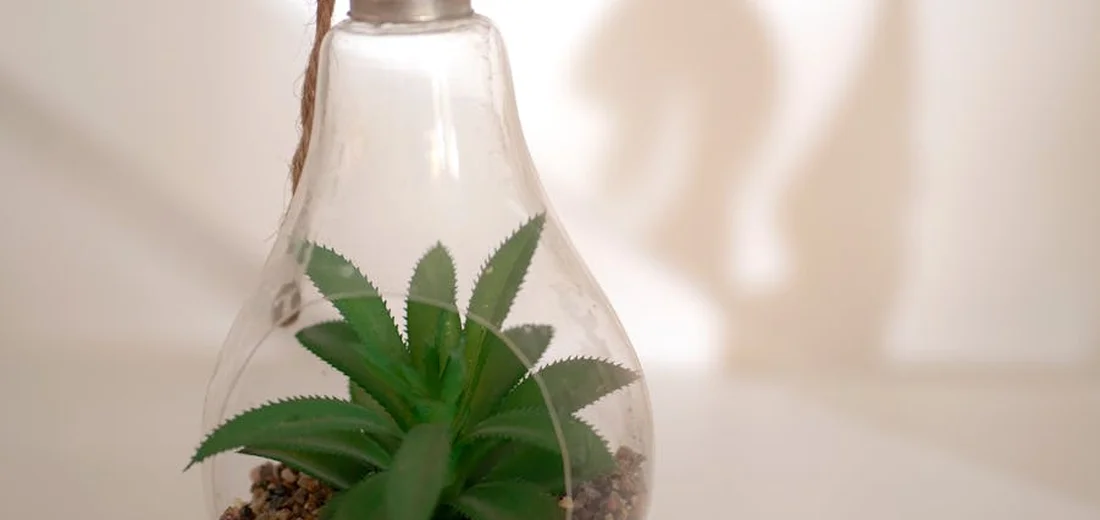
I’ve tried both methods extensively over the years, and for succulent terrariums, one is the clear winner for plant health. Top watering is what most people do instinctively-you pour water directly onto the soil surface. In a terrarium, this is a fast track to soggy soil and stem rot, as water tends to pool around the plant’s base without dispersing evenly. This is part of succulent terrarium care: creating and maintaining a tiny, balanced ecosystem. With the right watering and substrate setup, these mini ecosystems can thrive.
Bottom watering, where you add water to the gravel or charcoal drainage layer at the very bottom of the container, is my go-to method. The water wicks up slowly through the soil, encouraging strong root growth downward and keeping the surface much drier. This mimics a light rainfall in their natural habitat, encouraging the roots to grow deep and strong as they search for moisture.
Here’s my simple process for bottom watering a terrarium:
- Use a long-spouted watering can or a large syringe to direct water.
- Gently push decorative moss or plant leaves aside to access the glass edge.
- Trickle water slowly down the inner glass wall, aiming for the base layer of pebbles.
- Stop as soon as you see a tiny bit of water (just a few millimeters) collect in the pebble layer. Do not create a swimming pool!
Tools of the Trade: From Spray Bottles to Syringes
Having the right tool makes all the difference between a thriving terrarium and a drowned one. A standard watering can is far too imprecise for this delicate job.
My favorite tools, ranked from most to least useful:
- Large Medical Syringe (without needle) or Turkey Baster: This gives you ultimate control. You can measure the exact amount of water and place every single drop right where you want it.
- Long-Spouted Watering Can: A small, indoor watering can with a very thin, long spout is excellent for guiding water down the glass without disturbing the soil or plants.
- Spray Bottle (Mister): I only use this for a very light surface spritz to settle dust or for propping succulent leaves-never for actual watering. Misting does not provide enough water to reach the roots and can encourage mold on the soil surface.
How to Know When It’s Truly Thirsty
Forget the calendar. I killed my first few terrariums by watering every Sunday “just in case.” Succulents are brilliant at telling you what they need; you just have to learn their language.
The most reliable sign of thirst is a change in the leaves themselves, not the soil. Plump, firm leaves are well-hydrated. When a succulent needs water, its leaves will start to feel softer, look slightly less plump, and may even develop subtle wrinkles. The plant is using the water stored in its leaves.
Here’s a quick soil check to confirm:
- Stick a wooden skewer or chopstick deep into the soil, all the way to the bottom.
- Leave it for a minute, then pull it out.
- If it comes out clean and dry, it’s time to water. If it has damp soil stuck to it, wait.
Quick Tip: When in doubt, wait it out. A succulent will recover from being slightly wrinkled far easier than from root rot. If root rot is suspected, identifying its causes and starting treatment quickly can save the plant. Addressing watering habits and drainage helps prevent recurrence.
Open vs. Closed Terrariums: A Watering Guide
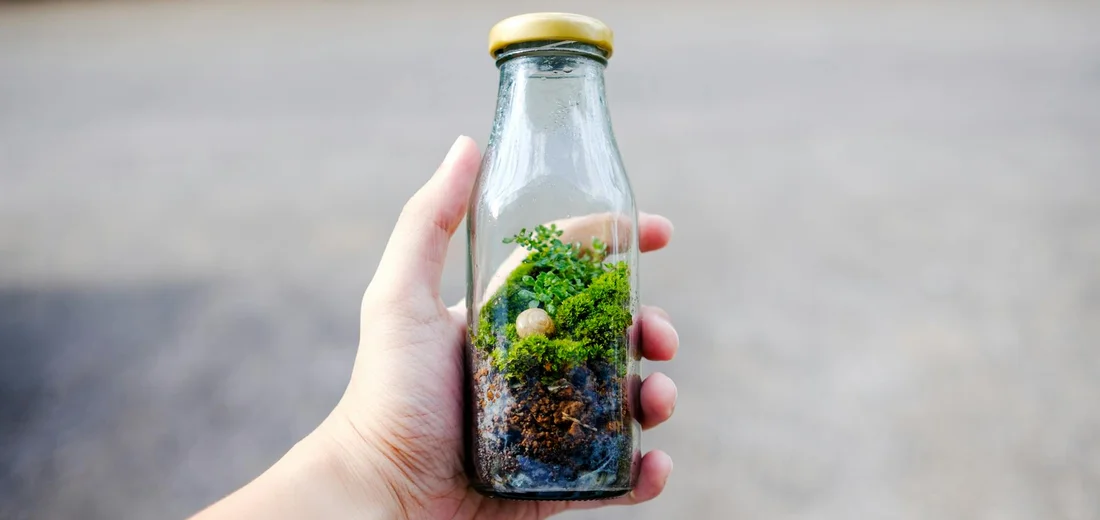
This is the most critical distinction in terrarium care, and their watering needs are complete opposites. Getting this wrong is the number one reason terrariums fail.
Open Terrariums act like tiny, dry deserts. They have plenty of air circulation, which causes water to evaporate quickly. You will need to water an open terrarium occasionally, following the “thirsty leaf” signs I mentioned above. I find mine typically need a small drink every 3-5 weeks, but this depends entirely on your home’s heat and humidity.
Closed Terrariums are their own miniature, self-contained rainforests. The lid creates a constant cycle of evaporation and condensation. When functioning correctly, a closed terrarium might only need one initial watering and then never need water again for months or even years.
Your main job with a closed terrarium is to monitor condensation:
- If the glass is clear all day, it might need a tiny splash of water.
- If the glass has large, rolling droplets of water all the time, it’s too wet. Wipe the glass dry and prop the lid open for a few hours to let excess moisture escape.
- The ideal is a light misting of condensation that appears in the morning and disappears by afternoon.
I never put succulents in a fully closed terrarium for this exact reason—the humidity is almost always too high for them. They are much happier in an open-top container. Consider an open-top or vented setup for terrariums. Use a fast-draining mix and avoid overwatering.
Seasonal Shifts in Your Watering Routine
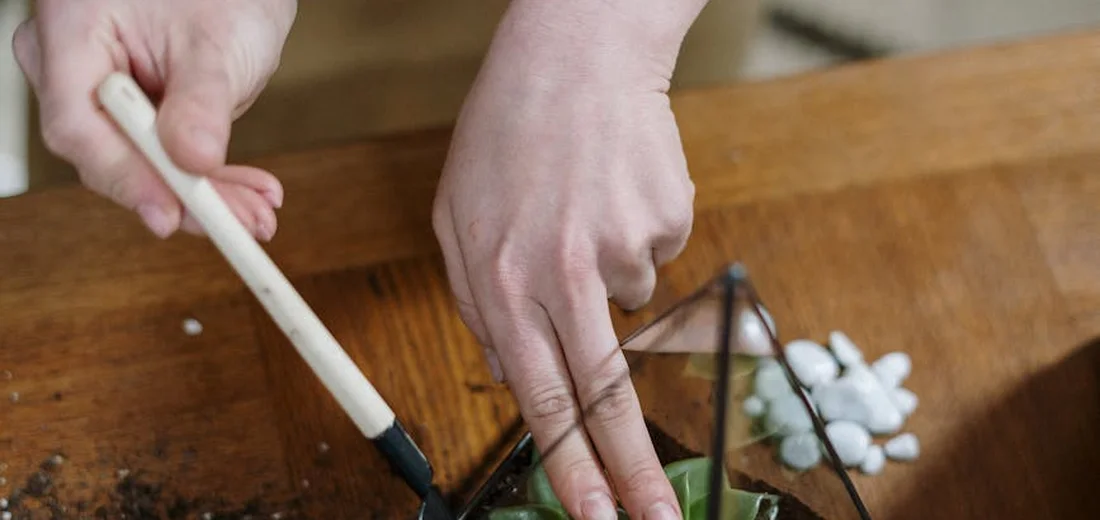
Your watering schedule isn’t set in stone; it needs to dance with the seasons. I learned this the hard way after nearly drowning a beautiful haworthia during its winter nap. A seasonal care guide helps you adjust succulent care through the year. It covers watering, light, and temperature as the seasons change. Succulents have active and dormant periods, and your care must reflect that.
During the bright, warm growing season of spring and summer, your plants are thirsty for life. They’re actively growing, pushing out new leaves and roots. This is the time when the soil will dry out faster, and your plants can handle a bit more frequent watering. I typically check my terrariums every 10-14 days in the summer, but I always do the touch test first.
When autumn light fades and winter sets in, your succulents slow way down. Overwatering in winter is the single biggest killer of indoor succulents. The plant is barely using any water, and with lower light levels, evaporation is slower. I’ve gone a full six weeks between waterings for some of my closed terrariums in winter. The leaves will tell you everything-if they start to feel a bit soft and less plump, it’s time for a tiny, targeted drink. You can learn more about the proper watering schedule for succulents during different seasons.
Troubleshooting Common Watering Problems
Even with the best intentions, things can go sideways. Don’t panic! I’ve rescued more plants from my own mistakes than I care to admit. Spotting trouble early is your best defense.
Rescuing an Overwatered Terrarium
If your succulent’s leaves are turning yellow, translucent, and mushy, you’ve likely been too generous with water. The stem might also feel soft. Act immediately-soggy roots will rot in a matter of days inside a humid terrarium.
- First, carefully remove the affected plant from the terrarium.
- Gently brush away the wet soil and inspect the roots. Healthy roots are firm and white or light in color.
- Using sterilized scissors, snip off any black, brown, or slimy rotten roots and any severely damaged leaves.
- Let the plant sit out on a paper towel in a warm, airy spot for a day or two to dry out completely.
- Replant it in fresh, dry succulent mix and do not water for at least a week to let it recover.
Dealing with Mold and Fungus
Seeing white, fuzzy mold on the soil surface is a classic sign of too much moisture and not enough air circulation. This mold itself isn’t usually fatal, but it’s a major red flag that your environment is too damp for succulents.
- Quick Tip: Increase airflow by occasionally opening the lid of a closed terrarium or pointing a small fan nearby for a few hours a day.
- Scrape off the visible mold from the soil surface with a spoon and discard it.
- Sprinkle a thin layer of sand or fine gravel on top of the soil. This creates a dry barrier that makes it harder for mold spores to thrive.
- Hold off on watering until the soil is completely dry much deeper than you normally would. Let the terrarium really dry out.
In my experience, a little mold can be managed, but if it keeps coming back, you may need to reconsider your terrarium’s design or your plant choices.
Sometimes, the best solution is to move a moisture-sensitive succulent to a regular pot where you have more control.
Common Questions
What is the best way to water succulents in a terrarium?
The best way is to use bottom watering by trickling a small amount of water down the glass wall to the drainage layer.
How often should terrarium succulents be watered?
Water only when the succulent’s leaves feel soft and look slightly wrinkled, which could be every 3 to 5 weeks or longer. Watch for telltale signs that the plant needs water—soft, wrinkled leaves and a dry, compact soil—to know when to water next.
Can succulents thrive in a closed terrarium with minimal water?
No, the consistently high humidity in a closed terrarium is almost always too high for succulents to thrive.
What type of water is best for terrarium succulents?
Use distilled or rainwater to prevent mineral buildup on the glass and in the soil.
Do succulents in terrariums need drainage?
Yes, a drainage layer at the bottom is non-negotiable to prevent root rot from excess water.
How can you prevent overwatering in a terrarium with succulents?
Always check for signs of thirst in the leaves and ensure the soil is completely dry before adding any water.
Your Terrarium Watering Routine
Remember, the golden rule for watering succulents in terrariums is to water deeply but infrequently, always letting the soil dry out completely between sessions. For small mini succulents, you may need to check moisture more often since the soil dries quickly. This quick check helps you know when a thorough watering is due. Stick to this simple checklist: check the soil’s dryness with your finger, water the soil directly and not the leaves, and never let your plants sit in water.
You’ve got this! Trust your instincts, observe your plants, and don’t be afraid to adjust as you learn their unique rhythms. Your little glass garden will thrive with your attentive care.
Further Reading & Sources
- How to Grow Succulent Terrariums – PittMoss
- Succulent Terrarium Instructions – Learn About Growing Succulent Plants In Terrariums | Gardening Know How
- Terrarium Care: How To Care For Terrariums with Succulents, Cacti, Tropicals – Pistils Nursery
- DIY Succulent Terrarium – Best Varieties | MCG™
Lena Greenfield is a passionate horticulturist and plant care expert with over 10 years of experience cultivating and nurturing hardy house plants. With a deep understanding of both indoor and outdoor gardening, Lena shares practical advice on choosing, caring for, and maintaining resilient plants that flourish year-round. Through her knowledge and hands-on approach, Lena helps plant lovers transform their spaces into vibrant, green sanctuaries, no matter their gardening experience.
Watering Techniques