
Outdoor Succulent Landscaping Ideas and Design Tips
Are you wondering if you can keep plants alive in your yard? Succulents are the tough, beautiful answer that thrive with a little neglect.
I’ll walk you through my favorite ways to use these sculptural plants, from designing a layout and choosing the right plants to soil preparation and long-term care.
Planning Your Outdoor Succulent Design
Assessing Your Sun and Space
Before you buy a single plant, spend a few days just watching how the sun moves across your yard. I learned this the hard way after placing a stunning Agave in a spot that only got morning sun; it became leggy and weak within months. Most succulents crave at least six hours of direct sunlight to maintain their compact, colorful forms.
Grab a notebook and create a simple sun map. Draw your yard’s outline and mark areas that get full sun, partial sun, and full shade. This visual guide is your most valuable tool. Remember, a spot that’s sunny in spring might be shaded by a tree’s full canopy in summer, so consider seasonal changes.
Next, measure your space. Are you working with a narrow strip along a walkway, a sprawling slope, or a compact patio container? Knowing your square footage prevents you from overbuying or cramming too many plants into a small area. For tight spaces, I always recommend vertical gardens or tiered planters to maximize your planting real estate without sacrificing style.
Choosing a Style: From Modern to Rustic
Your succulent landscape should feel like a natural extension of your home’s architecture and your personal taste. I love helping gardeners find their style-it’s the most fun part of the process!
Here are a few popular styles to consider:
- Modern & Minimalist: Think clean lines, geometric planters, and a limited color palette. Use a mass planting of a single type of succulent, like Blue Chalk Sticks (Senecio serpens), for a bold, architectural statement.
- Rustic & Cottage: This style is all about charming chaos. Mix different succulent shapes, sizes, and textures in weathered terracotta pots or a reclaimed wooden trough. Let a few spill over the edges for a soft, lived-in look.
- Desert Oasis: Create a dry garden vibe with large, sculptural succulents like Agaves and Yuccas. Use gravel or decomposed granite as mulch and incorporate large rocks for a natural, Southwestern feel.
- Coastal: If you’re near the sea, lean into it! Use plants that can handle a breezy, salty environment, like many Sedums. Pair them with driftwood and smooth, white stones.
The best advice I can give is to choose a style that makes you happy to look at every single day. Don’t be afraid to mix elements to create a look that’s uniquely yours.
Top Succulent Choices for Outdoor Landscaping
Sun-Loving Champions for Hot Spots
For those blistering, south-facing spots that get sun from dawn till dusk, you need tough plants. These are the varieties that won’t just survive but will absolutely thrive with lots of light.
My go-to sun champions include:
- Agave parryi (Artichoke Agave): This is a stunning, symmetrical plant that forms a perfect rosette. It’s incredibly drought-tolerant and can handle reflected heat from walls or pavers beautifully.
- Echeveria ‘Imbricata’: A classic hen-and-chicks variety that forms tight, blue-green rosettes. It multiplies quickly, creating a beautiful, living carpet in your garden bed.
- Sedum ‘Coppertone’: This trailing sedum has gorgeous, coppery-orange foliage. I use it to spill over rock walls and the edges of pots, where its color intensifies in the sun.
- Aloe brevifolia (Short-leaved Aloe): This clumping aloe has charming, stubby blue-green leaves with gentle teeth. It produces tall spikes of red flowers that hummingbirds adore.
A quick tip: If you’re transitioning indoor succulents outside, do it gradually over a week or two to prevent sunburn. Start with a few hours of morning sun and slowly increase their exposure.
Frost-Tolerant Varieties for Colder Zones
Don’t think you can’t have a gorgeous succulent garden if you get frost! Many hardy succulents can withstand temperatures down to -20°F (-29°C) or even colder. I garden in a zone that gets occasional snow, and these plants are my reliable heroes. You can check which succulents are cold hardy to make sure they thrive in your garden.
Here are my top picks for cold climates:
- Sempervivum (Hens & Chicks): The ultimate cold-hardy succulent. These form tight rosettes and come in a breathtaking array of colors. They happily survive under a blanket of snow and emerge perfectly in spring.
- Sedum ‘Autumn Joy’ (Hylotelephium): This is a garden workhorse. It forms large clumps with broccoli-like flower heads that start pink, turn copper, and finally become a rusty brown, providing winter interest.
- Delosperma cooperi (Ice Plant): A fantastic, fast-growing ground cover that explodes with vibrant purple-pink daisy-like flowers all summer. It’s evergreen in milder winters and handles cold snaps with ease.
- Orostachys iwarenge (Chinese Dunce Cap): A unique, charming succulent that forms low rosettes and sends up conical towers of flowers. It’s exceptionally cold-tolerant and adds wonderful texture to rock gardens.
The key with cold-tolerant succulents is excellent drainage; wet, cold soil is far more dangerous than the cold air itself. Plant them in raised beds or on a slope, and mix plenty of gritty material like perlite or pumice into your soil.
Creating Stunning Succulent Displays and Arrangements
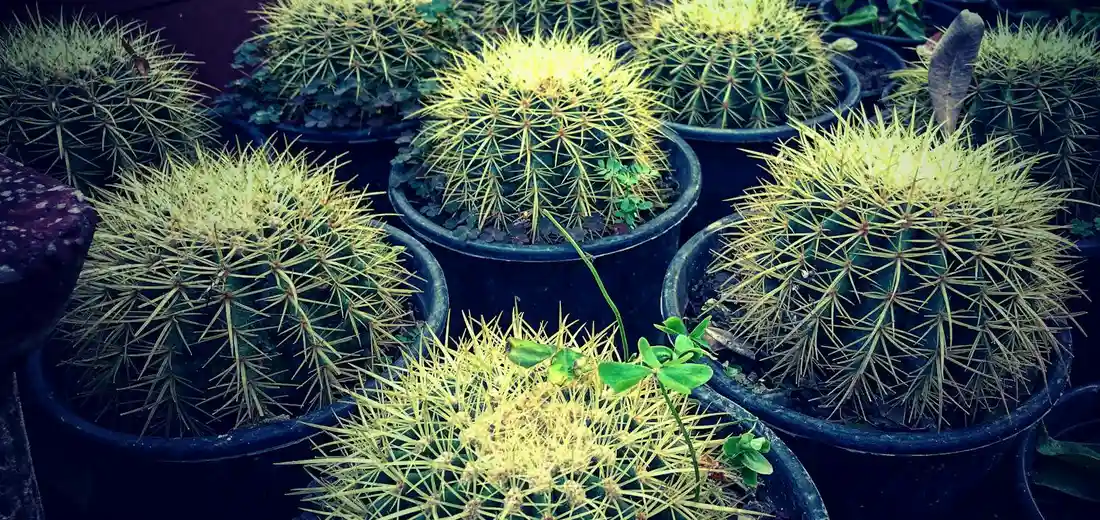
Building a Thriving Succulent Rock Garden
I’ve found that a rock garden is the perfect low-maintenance canvas for showcasing succulent textures. Start by choosing a sunny, well-draining spot and clearing away any grass or weeds. I always lay down a high-quality landscape fabric first to prevent future weed battles. This base makes it easy to build a stunning succulent rock garden.
Arrange your larger rocks and boulders in a way that looks natural, almost as if they’ve always been there. This creates microclimates and visual anchors for your planting scheme. Then, I fill the areas between rocks with a gritty succulent mix, not regular garden soil.
Plant taller, structural succulents like agaves or aloes near the larger rocks. Use sprawling ground-cover types like sedum or blue chalk sticks to spill over edges and soften the hardscape. The contrast between the living plants and the inert stones is absolutely magical.
Designing Eye-Catching Borders and Ground Cover
Succulents make phenomenal border plants because they provide year-round structure. For a clean edge along a walkway, I love using a single variety planted in a dense, repeating pattern. Try a row of echeverias or a low-growing hen-and-chicks (Sempervivum) series.
When designing a larger area for ground cover, think in terms of texture and color blocks. Combine different forms-rosettes, trailing stems, and upright spears-to create a tapestry effect. I often use:
- Blue Spruce Sedum: For its needle-like, blue-green foliage.
- Copper Spoon Kalanchoe: For a pop of unique color and shape.
- Dwarf Jade Plant: For a sturdy, reliable filler.
Plant them close together so they knit into a solid mat over time, which also helps suppress weeds. A well-planned succulent border is a living piece of art that needs very little from you to look spectacular.
Mastering Container and Planter Combinations
Containers let you create miniature succulent worlds. The golden rule I live by is “thriller, filler, spiller”-one tall centerpiece plant, a few mid-height fillers, and at least one trailer to cascade over the edge.
Don’t be afraid to mix materials. A rustic terracotta pot provides wonderful breathability, while a modern glazed ceramic planter makes colors pop. Just ensure every container has a drainage hole; I’ve learned this the hard way after losing plants to soggy soil.
Here is a combination I use often on my sunny patio:
| Role | Plant Example | Why It Works |
|---|---|---|
| Thriller | Red Yucca (Hesperaloe) | Adds dramatic height and flower spikes. |
| Filler | Echeveria ‘Perle von Nurnberg’ | Provides perfect rosette form and purple tones. |
| Spiller | String of Pearls (Senecio rowleyanus) | Drapes beautifully with its unique bead-like leaves. |
Group containers of varying heights together for a lush, tiered display. Quick Tip: For a stunning tabletop planter, use a shallow, wide bowl (often called a “succulent dish garden”) and pack it with a variety of small, colorful succulents.
Essential Care for a Healthy Outdoor Succulent Garden
Getting Soil and Drainage Just Right
This is the most critical step for long-term success. In my garden, I never use soil from a bag labeled for general use or moisture retention. Succulents despise wet feet and need a mix that drains almost instantly.
I make my own blend for in-ground planting by amending native soil with a generous amount of:
- Coarse sand or poultry grit
- Perlite or pumice
- Compost (for a slight nutrient boost)
Aim for a mix that feels gritty and falls apart in your hand, not one that clumps together. For pots, a pre-bagged cactus and succulent soil mixed 50/50 with perlite has never failed me. Good drainage prevents the number one killer of outdoor succulents: root rot.
Watering Wisely for Drought-Tolerant Beauty
More succulents are killed by kindness (overwatering) than neglect. The “soak and dry” method is your best friend—water deeply until it runs out the drainage hole, then let the soil dry out completely before watering again. Keep these essential care tips in mind to avoid killing your succulents. Ensure bright light, well-draining soil, and water only after the soil dries.
I stick my finger a few inches into the soil to check for moisture. If it feels dry, it’s time for a drink. During hot, dry summers, this might be once a week, but in cooler spring and fall weather, it could be every two to three weeks. They will tell you when they’re thirsty-leaves will look slightly wrinkled or feel less firm.
Always water the soil directly, not the leaves, to prevent sunburn and rot. Quick Tip: Water in the morning so any accidental splashes on the leaves can dry quickly in the sun.
Protecting Your Plants from Sun, Wind, and Pests
Even sun-loving succulents can get scorched. If you’re moving a plant to a sunnier spot, do it gradually over a week or two to let it acclimate. I’ve seen beautiful echeverias get permanent brown scars from being thrust into full, blazing sun too quickly.
Strong winds can break stems and dehydrate plants rapidly. Use fences, larger shrubs, or walls as windbreaks for more delicate specimens. For pest control, keep an eye out for mealybugs (they look like tiny bits of cotton) and aphids.
My go-to solution is a simple spray of isopropyl alcohol (70%) directly on the pests. A strong blast of water from the hose can also dislodge smaller infestations without using any chemicals. Healthy, unstressed plants are your best defense, so nailing the soil and water practices is your first line of protection.
Low-Maintenance Tips and Troubleshooting
Once you’ve planted your outdoor succulent garden, the goal is to keep it thriving with minimal effort. I’ve found that the right setup from the start prevents about 90% of common succulent problems.
Mulching for Moisture and Weed Control
Mulch is a game-changer for outdoor succulent beds, but you must choose the right type. Traditional wood chips or bark hold far too much moisture and can cause stem rot. In my own garden, I exclusively use inorganic mulch like crushed granite, small pea gravel, or lava rock. It looks fantastic and creates a perfect, dry environment for the succulent roots. Using the right mulch is even more crucial for succulent care.
Spread a 1-2 inch layer of your chosen gravel around the base of your plants, being careful not to pile it directly against the stems. This rock layer acts as a brilliant barrier, suppressing weeds by blocking light to their seeds and slowing soil moisture evaporation on hot days. It also keeps the lower leaves of your succulents dry and clean, preventing rot.
Easy Propagation to Expand Your Garden
One of my favorite parts of succulent gardening is how easily you can get new plants for free. Propagation feels like a little bit of plant magic, and it’s incredibly simple to do outdoors. Propagating succulents from leaf cuttings is a simple, rewarding way to start new plants from existing ones. Here are the two methods I use most often:
- Leaf Propagation: Gently twist a healthy, plump leaf from the stem. Let it sit in a dry, shaded spot for a few days until the broken end forms a callus. Then, just place it on top of well-draining soil. Mist the soil lightly every few days. Soon, you’ll see tiny pink roots and a new baby plant emerging.
- Stem Cuttings & Division: For overgrown plants like Sedum or Sempervivum, you can cut a stem or pull away one of the many “pups” (offsets). Let the cut end dry and callus over for a day or two, then plant it directly in the ground. It will establish its own root system quickly.
Quick Tip: The best time to propagate is during your succulents’ active growing season, typically in the spring or early fall. The mild temperatures help the new cuttings root without the stress of summer heat or winter cold.
Solving Common Outdoor Growing Challenges
Even with the best care, outdoor plants face unique challenges. Here’s how I tackle the most frequent issues:
- Pests like Mealybugs and Aphids: These sap-sucking insects can appear, especially in crowded plantings. I mix a tablespoon of mild liquid soap (like Castile soap) with a quart of water in a spray bottle. A direct spray onto the pests smothers them effectively without harsh chemicals. For a stubborn infestation, I physically remove them with a cotton swab dipped in rubbing alcohol.
- Stretching or “Etiolation”: If your succulents start growing tall and leggy with wide spaces between the leaves, they aren’t getting enough sun. The simplest fix is to move them to a sunnier location. You can also behead the stretched-out top, let it callus, and replant it in a brighter spot.
- Overwatering Signs: Soft, mushy, translucent leaves are a sure sign of too much water. If you see this, stop watering immediately and check that your soil is draining properly. You may need to amend the soil with more gritty material or even replant in a slightly raised mound to improve drainage.
- Sunburn: Brown, scorched spots on the leaves mean your plant got too much intense, direct sun too quickly. This often happens when moving a plant from indoors to outdoors without a gradual transition. Provide some afternoon shade with a taller plant or a sheer cloth until it acclimates.
Remember, most succulent problems are caused by too much love in the form of water or not quite the right light. Observing your plants regularly is the best troubleshooting tool you have. To avoid common succulent watering mistakes, water deeply but infrequently. Let the soil dry out between waterings.
Common Questions
What is the ideal drainage setup for outdoor succulent beds?
Create a raised bed or mound the soil and incorporate a layer of coarse gravel at the base to ensure water flows away from roots quickly.
How can I prevent pests and diseases on outdoor succulents?
Ensure good air circulation, avoid overwatering, and inspect plants regularly to catch issues like mealybugs early.
Can I mix cacti with other succulents in the same planter?
Yes, you can mix them successfully as they share similar needs for well-draining soil and plenty of sunlight.
How to design a succulent rock garden for a front yard?
Use large rocks as focal points and arrange drought-tolerant succulents in the pockets between them for a natural, textured look.
What are good color combinations for outdoor succulent beds?
Combine blue-green succulents like Senecio serpens with purple Echeverias and red-tipped Sedums for a vibrant, dynamic display.
What irrigation methods work best for large outdoor succulent installations?
Drip irrigation systems are ideal as they deliver water directly to the soil, minimizing moisture on leaves and preventing rot.
Your Outdoor Succulent Success Starts Here
To wrap it all up, creating a stunning outdoor succulent landscape boils down to matching their natural needs with smart design choices. Keep this core advice in mind: prioritize proper drainage, sun exposure, and plant selection for a thriving, water-wise garden. When applied to design, these rules help you craft a stunning succulent garden that thrives in your space. Start with a plan that blends shapes, textures, and color for lasting impact.
- Pick succulents suited to your local climate and light conditions.
- Always use a fast-draining soil mix to avoid soggy roots.
- Water deeply but sparingly, letting the soil dry completely between sessions.
From my own garden experiments, I can tell you that succulents are incredibly forgiving when you get the basics right. Trust your instincts, start small if needed, and enjoy watching your outdoor space come to life with these resilient plants-you’ve got this! This outdoor succulent care guide will help you grow succulents successfully in your garden. You’ll learn tips on sunlight, drainage, and seasonal care to keep them thriving.
Further Reading & Sources
- Succulent Garden: Creative Ideas for Indoors and Outdoors
- 9 Succulent Garden Ideas That Will Add Sculptural Dimension to Your Landscape
- Succulent Garden Design Essentials from an Award-Winning Garden
- 59 Catchy Outdoor Succulent Garden Ideas – DigsDigs
Lena Greenfield is a passionate horticulturist and plant care expert with over 10 years of experience cultivating and nurturing hardy house plants. With a deep understanding of both indoor and outdoor gardening, Lena shares practical advice on choosing, caring for, and maintaining resilient plants that flourish year-round. Through her knowledge and hands-on approach, Lena helps plant lovers transform their spaces into vibrant, green sanctuaries, no matter their gardening experience.
DIY Projects