
Snake Plant Light Requirements: Your Simple, Expert Guide
Published on: July 22, 2026 | Last Updated: July 22, 2026
Written By: Lena Greenfield
Are you confused about how much light your snake plant actually needs? I’ve cared for snake plants for years, and I know that worrying about the wrong light can make plant care feel overwhelming, but it doesn’t have to be.
In this guide, I’ll share my hands-on tips for ideal light conditions, signs of too much or too little light, best placement spots, and easy adjustments to keep your plant happy and healthy.
Understanding Snake Plant Light Tolerance
Snake plants are the ultimate survivors of the houseplant world. I’ve seen them thrive in nearly every lighting situation imaginable, from a dim office corner to a blazing south-facing window. Their secret lies in their succulent-like leaves, which store water and allow them to endure conditions that would stress other plants.
Think of their light tolerance on a wide spectrum. On one end, you have deep, dark shade. On the other, you have intense, direct sun. Your snake plant can live on both ends, but it truly prospers in the comfortable middle ground. This incredible adaptability is why they’re often recommended as the perfect starter plant for beginners. To choose the best snake plant variety for your home, consider your available light and space, then pick a variety that fits your care routine. This thoughtful match makes it easy to enjoy their hardy beauty every day.
Ideal Indoor Light Conditions for Your Sansevieria
After caring for dozens of these plants over the years, I’ve found the sweet spot. Your snake plant will be happiest and grow the fastest in a spot with bright, indirect light for most of the day. To dive deeper, the complete indoor snake plant care guide covers placement, maintenance, and all the essentials to keep it thriving. It walks you through choosing the right spot, light needs, watering, and routine upkeep.
Here are the best places to put your plant:
- Near an east-facing window, where it gets gentle morning sun.
- A few feet back from a south or west-facing window, protected by a sheer curtain.
- In a brightly lit room where sunlight touches the floor but doesn’t beam directly onto the leaves.
In these conditions, you’ll notice robust, upright growth and the vibrant, defined patterns on the leaves will really pop. Bright, filtered light encourages steady growth without the risk of sunburn. If you notice your plant’s growth has completely stalled, it’s a clear sign it needs a bit more light.
Direct Sunlight: Friend or Foe?
This is a common point of confusion, and I learned the hard way with my first snake plant! A few hours of gentle, direct sun can be a friend, but intense, hot sun is definitely a foe.
Morning sun from an east window is usually safe and can even enhance the leaf coloration. The real danger comes from the harsh, prolonged afternoon sun common in south and west exposures. I once left a variegated snake plant on a hot west-facing windowsill, and the beautiful yellow edges turned pale and bleached.
If the only spot you have gets strong direct sun, you can still make it work. Use a sheer curtain to diffuse the light, or simply pull the plant a few feet back from the window. Watch the leaves closely-if they start to look washed out or develop crispy, brown spots, it’s telling you it’s getting too much of a good thing.
Finding the Perfect Spot: A Guide to Window Direction
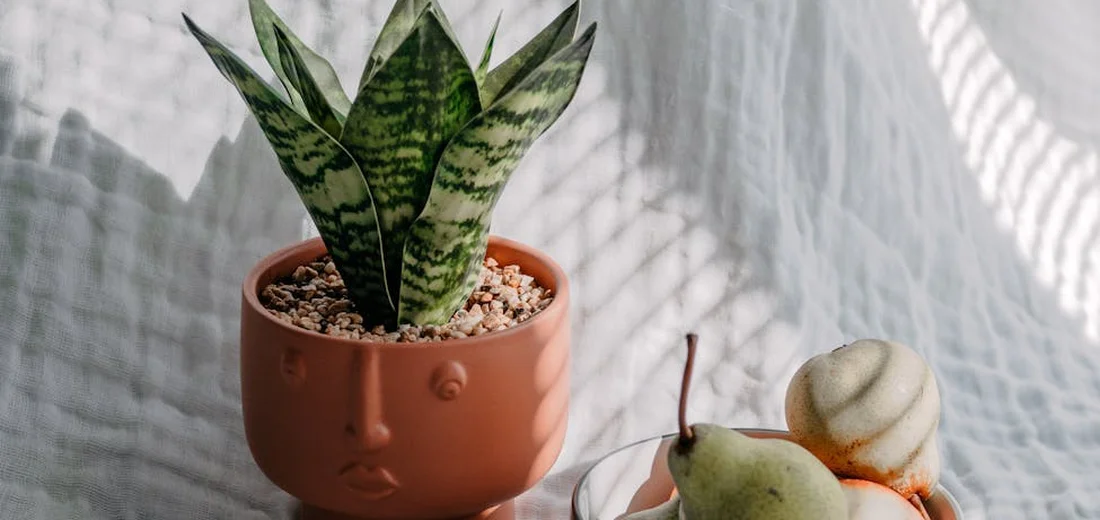
Where you place your snake plant makes all the difference. I’ve found that an east-facing window is the absolute sweet spot, bathing the plant in gentle morning sun that won’t burn its leaves. It’s like a perfect, soft wake-up call for your plant every day.
Here’s my quick guide to window directions based on years of trial and error:
- East-facing: The gold standard. Provides bright, indirect light that snake plants adore.
- North-facing: Often too dim. Your plant will survive but likely won’t thrive or grow quickly.
- South or West-facing: Proceed with caution! The intense afternoon sun can be too harsh. Place the plant several feet back from the window or use a sheer curtain as a sunscreen.
The Importance of Plant Rotation
Snake plants are sun worshippers and will lean dramatically toward the light source. I make it a habit to give my plants a quarter-turn every time I water them to ensure they grow straight and even. This simple trick prevents a lopsided, awkward-looking plant. Watching their height over time reveals their growth potential. Big snake plants can reach surprising heights, so understanding their growth habits of snake plants helps you plan space and care.
If you forget to rotate, you’ll notice all the leaves arching in one direction. It’s an easy fix! Just turn the pot, and over a few weeks, the plant will correct itself.
Signs Your Snake Plant is Getting the Wrong Amount of Light
Your plant is constantly talking to you through its leaves. Learning this language is key to a happy, healthy snake plant.
Watch for these clear signals of too much light:
- Brown, crispy patches or bleached, yellow spots on the leaves.
- The leaves feel unusually warm to the touch, especially in the afternoon.
- The vibrant green color begins to look faded or washed out.
Here are the telltale signs it’s not getting enough light:
- The leaves become soft, floppy, and may start to droop.
- New growth is spindly, weak, and stretched out (a condition called etiolation).
- The plant completely stops putting out new shoots.
- The distinctive leaf patterns and variegation begin to fade to a solid, dull green.
How to Fix a Sun-Scorched Snake Plant
Don’t panic if you find crispy tips! I’ve rescued many a sunburned snake plant. Your first and most critical step is to immediately move the plant to a shadier location, away from the direct sun that caused the damage. The burned parts won’t heal, but you can stop it from getting worse.
Here is my step-by-step recovery plan:
- Relocate the plant to a spot with bright, indirect light only.
- Using a pair of clean, sharp scissors, snip off the browned tips. Follow the natural V-shape of the leaf for a seamless look.
- Resist the urge to water it immediately unless the soil is bone dry. A stressed plant is more susceptible to root rot.
- Be patient. It will focus its energy on new, healthy growth from the center.
Using Artificial Light for Your Snake Plant
You absolutely can grow a healthy snake plant with artificial light. I rely on grow lights every winter to keep my collection from getting leggy and sad. It’s a straightforward solution that bridges the gap during those short, gloomy days. Learning how to care for different types of snake plants is essential, as their light, water, and soil needs can vary.
My Simple Setup for Winter Light Supplementation
My personal setup is nothing fancy, and yours doesn’t need to be either. I use a simple, clamp-on LED grow light with a flexible gooseneck. This allows me to position the light about 12-18 inches above the tops of the plants for the perfect intensity.
I set the light on a basic timer for 12 hours a day, from about 7 AM to 7 PM. This mimics a natural day cycle and gives the plants a solid period of darkness to rest. You don’t need expensive, full-spectrum “blurple” lights. A standard white or full-spectrum LED bulb works wonderfully.
Light Requirements for Different Snake Plant Varieties

Not all snake plants have the exact same light appetite. While they are all tough, their unique leaf patterns and colors mean some can handle—or even need—a bit more light than others. For those curious about which varieties thrive in low-light conditions, several cultivars are especially forgiving in dim rooms. Look for Best low-light snake plant varieties with solid dark leaves or compact growth, as they tend to perform better in low-light settings.
Low Light Champions
These varieties are the true survivors for that dim corner.
- Sansevieria trifasciata ‘Laurentii’ (The Classic Variegated Snake Plant): This is the one I recommend most for low light. Its yellow edges stay bright even when the light is minimal.
- Sansevieria zeylanica: With its subtle, horizontal bands, this one is perfectly content in a north-facing room or a spot far from a window.
My darkest bathroom has a ‘Laurentii’ that has been thriving for three years with only the light from a small, north-facing window. It grows slowly but steadily, which is ideal for that location.
Medium to Bright, Indirect Light Lovers
These varieties truly shine and show their best colors with a bit more light exposure.
- Sansevieria cylindrica (Cylindrical Snake Plant): Its round, spear-like leaves will grow more upright and compact with brighter light.
- Sansevieria ‘Moonshine’: That beautiful silvery-green color can fade and look washed out in low light. Brighter conditions help it maintain its stunning, ghostly hue.
- Sansevieria ‘Whitney’: The intricate, silvery pattern on this compact plant becomes more pronounced and beautiful with filtered sunlight.
I keep my ‘Moonshine’ about three feet back from a bright east-facing window, and its color is simply luminous. This spot gives it the gentle morning sun it craves without any risk of scorching.
Handling Direct Sun
Most snake plants should be protected from harsh, direct afternoon sun, which can burn the leaves. However, a little morning sun is often tolerated well. If you want to give a snake plant some direct sun, acclimate it slowly over a week or two to prevent shock. Start with just an hour of morning sun and gradually increase the exposure. These same tips apply if you’re using a snake plant outdoors in a summer–winter guide. Acclimate slowly and monitor for heat stress in summer and cold stress in winter.
Adjusting Care with the Seasons
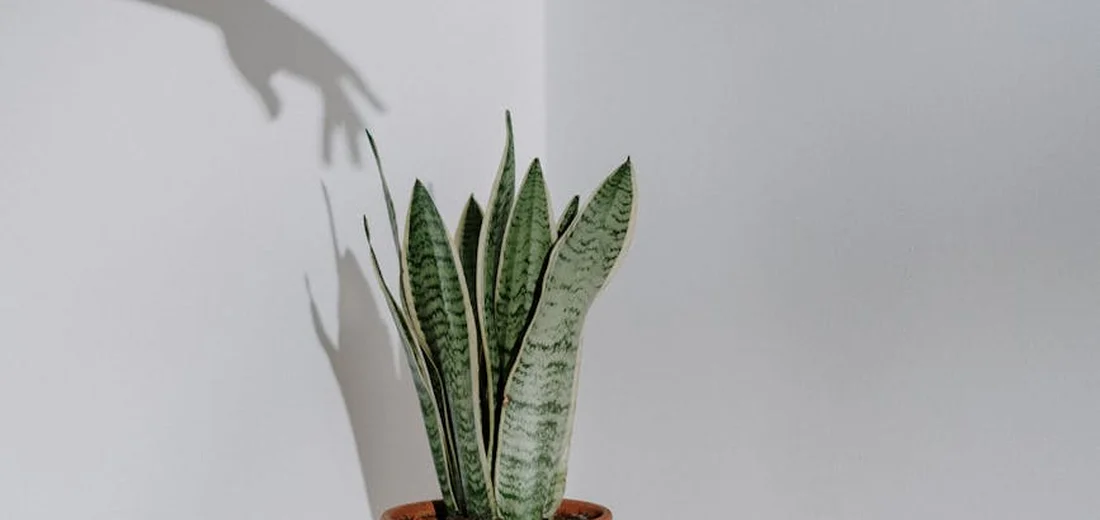
Your snake plant’s light needs aren’t static; they change with the sun’s intensity throughout the year. I’ve found that adjusting my care routine with the seasons is the single biggest factor in keeping my snake plants thriving year after year. For a practical, complete guide on how often to water snake plants indoors, check out the Indoor snake plants watering guide. There you’ll find how light, temps, and seasonal changes affect watering needs.
Spring and Summer: The Growing Season
As the days get longer and brighter, your snake plant kicks into its active growth phase. It can handle and will appreciate more light during this time. I often move mine a few feet closer to a sunny window.
- An east-facing window is perfect for gentle morning sun.
- A spot a few feet back from a south or west window provides brilliant, indirect light.
- Watch for signs of too much direct sun, like bleached or scorched leaves.
Quick tip: Rotate your plant a quarter turn every time you water it to ensure even growth and prevent it from leaning toward the light source.
Fall and Winter: The Dormant Season
When daylight hours shrink, your snake plant’s growth slows down significantly. It enters a rest period. During this time, it’s less thirsty and needs less light. I move my plants back from the window to avoid cold drafts and the weaker, more direct angle of the winter sun. If your plant is growing skinny leaves, that’s often a sign it’s stretching for light. The fix is to provide brighter, indirect light and rotate the plant so it doesn’t lean toward the window.
- Prioritize the brightest spot in your home, as every bit of light helps.
- A south-facing window is ideal during these dimmer months.
- Reduce your watering frequency dramatically since the plant is using very little water without strong light for photosynthesis.
The soil should stay dry for much longer between waterings in the winter to prevent root rot.
What to Do in Low-Light Winters
If your home gets particularly dark in the winter, don’t panic. Snake plants are champions of endurance. I’ve had some in a dim corner for an entire winter that bounced back beautifully in spring. Taking care of them in the cold months is key to their health.
- Dust the leaves regularly. A clean leaf can absorb significantly more of the available light.
- Consider using a simple grow light for a few hours a day to supplement natural light.
- Hold off on fertilizing entirely until spring returns; the plant can’t use the nutrients without sufficient light.
Your plant might not grow much, or at all, but it will patiently wait for brighter days.
FAQs
What is the best type of light for a snake plant?
Snake plants do well in bright, indirect light but can adapt to lower light conditions.
How much light does a snake plant need to thrive indoors?
Provide indirect light for several hours daily to support steady growth and vibrant leaves.
Can snake plants grow in rooms with no natural light?
Yes, they can survive with artificial grow lights as a substitute for natural sunlight.
Why might a snake plant develop leggy or stretched leaves?
This usually happens when the plant isn’t getting enough light and stretches toward the source.
How does room temperature influence snake plant light needs?
In warmer conditions, snake plants may use light more efficiently but still prefer indirect exposure.
Is direct sunlight safe for snake plants kept indoors?
Brief morning direct sun is tolerable, but prolonged exposure can cause leaf scorching.
Your Snake Plant Light Success Guide
From my years of nurturing snake plants, I’ve found that providing bright, indirect light and avoiding harsh direct sun keeps them thriving with minimal fuss. If you want to make your snake plant grow faster, try these proven tips and techniques. They balance rapid growth with plant health. Here’s a quick recap of the essentials:
- Bright, indirect light encourages vibrant growth and prevents leggy, pale leaves.
- Low light is survivable but slows growth-perfect for darker corners with occasional natural light.
- Direct sunlight can scorch leaves, so use sheer curtains or move the plant back from sunny windows.
Now, go ahead and find that perfect spot for your snake plant-you’re equipped to help it flourish with confidence and joy.
Further Reading & Sources
- Snake plant Care Guide: The vital Questions Included! How often to Water Snake Plants & Snake Plant Light Requirements?
- Snake Plant Light Requirements For Optimal Growth
- How to Care for Snake Plants – Sansevieria – A Beautiful Mess
- Snake Plant Care: How to Grow this Diehard Houseplant
Lena Greenfield is a passionate horticulturist and plant care expert with over 10 years of experience cultivating and nurturing hardy house plants. With a deep understanding of both indoor and outdoor gardening, Lena shares practical advice on choosing, caring for, and maintaining resilient plants that flourish year-round. Through her knowledge and hands-on approach, Lena helps plant lovers transform their spaces into vibrant, green sanctuaries, no matter their gardening experience.
Light Requirements