
Why Pests Invade Your Indoor Plants: Environmental Triggers Explained
If you’re spotting pests on your indoor plants, you’re probably asking what’s luring them in despite your care. I’ve found that pests often show up not because of neglect, but due to specific conditions in your home that accidentally welcome them.
From my experience nurturing plants for years, I’ll break down the main environmental factors that attract pests. Here’s what we’ll explore:
- Overwatering and soil moisture
- Humidity levels
- Air circulation and stagnant air
- Light exposure and plant placement
Too Much Water and Dampness: A Pest Paradise
I’ve learned the hard way that consistently wet soil is like rolling out a welcome mat for every pest in the neighborhood. Many common houseplant pests, like fungus gnats and springtails, thrive and reproduce in moist environments. They aren’t just visiting; they’re moving in to start a family.
The Perils of Overwatering
Overwatering is the number one mistake I see new plant parents make, and I’ve been guilty of it myself. It’s not about giving your plant too much water at once, but giving it water too often before the soil has had a chance to dry out.
- Fungus Gnats: These tiny black flies are a sure sign of overwatering. Their larvae live in the top few inches of soil, munching on damp organic matter and sometimes plant roots.
- Root Rot: This isn’t a pest itself, but it’s a direct result of overwatering. Root rot weakens your plant, making it vulnerable to pest invasions it could otherwise fight off. A stressed plant sends out signals that pests can detect.
- Mold and Mildew: A fuzzy white or gray coating on the soil surface is a clear indicator of excess moisture, creating a perfect environment for pests that feed on decay.
My best tip is to get into the habit of checking the soil before you water. Stick your finger about two inches into the potting mix; if it feels damp, hold off on watering. Your plant will thank you for the patience.
Poor Drainage and Standing Water
Even if you’re watering perfectly, a pot without proper drainage can create the same swampy conditions. I once nearly lost a beautiful succulent because water was trapped at the bottom of a “decorative” pot with no hole. To prevent this, test your succulent soil’s drainage. A quick drain test can tell you if your mix and pot drain fast enough.
- Drainage Holes are Non-Negotiable: Always use a pot with at least one drainage hole. This allows excess water to escape freely.
- Empty the Saucer: After watering, always empty the drip tray or saucer within 15-30 minutes. Letting your plant sit in a puddle is like forcing its roots to breathe underwater.
- Check Your Soil Mix: A dense, heavy soil can hold too much water. For most houseplants, I use a well-draining potting mix, often adding perlite or orchid bark to increase aeration.
If you discover a pot without a drainage hole that you absolutely must use, I use it as a cachepot. I plant in a simple plastic nursery pot with holes and then place that inside the decorative one. This makes it easy to remove for thorough watering and drainage.
Stagnant Air and Poor Air Circulation
Think about the natural habitat of most of our houseplant friends-they grow outdoors with breezes and moving air. When we bring them inside, we often place them in corners or on shelves where the air is completely still. Stagnant air creates a humid microclimate that pests like spider mites and mealybugs absolutely love.
Spider mites, in particular, are my arch-nemesis. They proliferate in hot, dry, and still conditions. I noticed they always appeared first on my plants that were tucked away in a cozy, still corner of the room. That’s why I focus on treating and preventing spider mites on indoor plants. Regular inspections, a bit of extra humidity, and prompt, gentle treatments help keep them at bay.
- Good air movement helps to disperse pest-attracting humidity around the leaves and soil surface.
- It makes the environment less hospitable for pests to settle and reproduce.
- Gentle air movement also strengthens plant stems, much like how trees grow stronger in windy areas.
You don’t need a wind tunnel in your living room. A simple oscillating fan set on low, placed a few feet away from your plants, works wonders. Just make sure it’s not blowing directly and harshly on any single plant. Cracking a window on a nice day or running a ceiling fan can also provide the gentle movement your plants crave.
Another trick I use is to simply avoid overcrowding my plants. Giving them a little space between each other allows air to flow freely around their leaves and stems, preventing those pockets of stagnant, pest-friendly air from forming.
High Humidity and Warm Temperatures
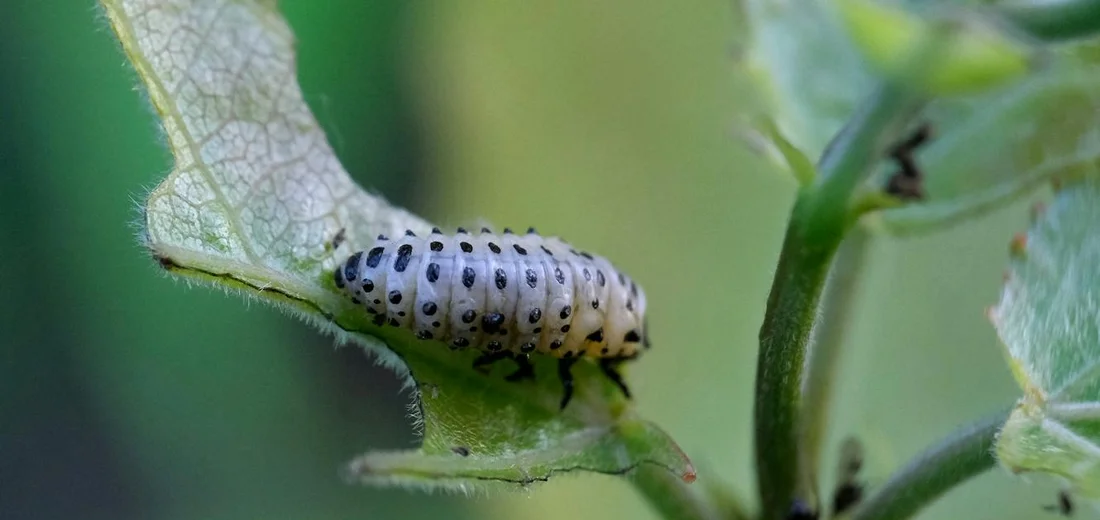
Many common houseplant pests, like fungus gnats and spider mites, absolutely adore a steamy, warm environment. I’ve found that consistently high humidity creates the perfect breeding ground for pests to multiply rapidly. It’s like a five-star resort for them, offering everything they need to thrive and reproduce.
Overwatering is often the main culprit behind this microclimate. When soil stays soggy, it not only raises the humidity right around your plant’s base but also encourages fungus gnat larvae to feast on the roots. Letting the top inch or two of soil dry out between waterings is one of the most effective ways to disrupt the pest life cycle. I always stick my finger in the soil to check before reaching for my watering can.
Good air circulation is your secret weapon. A small, oscillating fan set on low can work wonders. Simply moving the air around your plants makes the environment much less appealing to pests that prefer stagnant, humid air. I run a fan in my plant room for a few hours each day, and it has made a noticeable difference. (Good air circulation is crucial for healthy plants.)
Low Light and Dense Foliage
When a plant doesn’t get enough light, it becomes weak and stressed, making it an easy target for pests. A stressed plant simply can’t defend itself as well, sending out chemical signals that pests interpret as a dinner bell. I learned this the hard way with a Chinese Evergreen I had tucked into a dark corner; it was quickly covered in mealybugs.
Dense, crowded leaves create perfect hiding spots for pests to set up camp out of sight. Take a few minutes every week to gently separate the leaves and inspect the stems and the undersides of the foliage. This is where pests like scale and spider mites love to hide. Catching them early is half the battle.
Don’t be afraid to give your plant a little trim if it’s getting too bushy. Pruning away some inner leaves and stems improves air circulation and light penetration, leaving fewer places for pests to hide. It might feel scary to cut your plant, but it’s a simple act of preventative care that encourages healthier, more resilient growth.
Dirty Conditions: Debris and Dust
I’ve found that a little bit of dust on a leaf isn’t just an eyesore; it’s a welcome mat for pests. Dust and debris create a sheltered micro-environment where tiny bugs like spider mites can hide and lay their eggs undisturbed. It also blocks the plant’s pores, weakening it and making it more susceptible to an attack.
Think of it like this: a clean, shiny leaf is a slippery slide for a pest, while a dusty one is a cozy carpet.
Decaying Plant Matter and Mold
That yellow leaf you’ve been meaning to pull off? It’s a pest party invitation. Decaying leaves and other organic debris sitting on the soil surface are a primary food source for fungus gnats and a breeding ground for their larvae. I learned this the hard way with a peace lily that constantly dropped flowers into its pot.
The moist, rotting material also encourages mold, which further weakens your plant’s defenses. A quick weekly check to remove any fallen matter makes a world of difference.
- Wipe leaves with a damp cloth every two weeks to remove dust and discourage mites.
- Immediately pick off and discard any yellowing or dead leaves from the plant and the soil surface.
Crowded Plants and Stale Soil
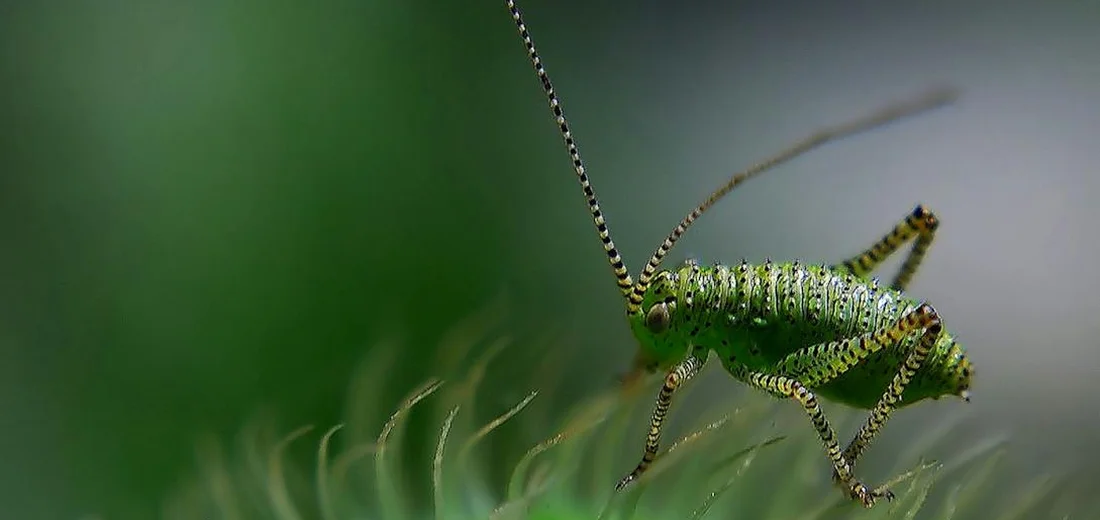
When plants are packed too closely together, air circulation plummets. Stagnant, humid air is a paradise for pests like mealybugs and aphids, who thrive in those still, moist conditions. I once had a shelf where my plants were practically touching, and it became a constant battle against white, fluffy mealybugs. That’s why controlling humidity is essential for healthy indoor plants. Providing adequate space and good air circulation helps keep humidity levels balanced and pests at bay.
Giving your plants some personal space allows air to move freely, drying leaves and making the environment much less hospitable for invaders. Pruning helps create gaps that boost air circulation and light penetration to inner leaves. With better light reaching inner foliage, plants stay healthier and invaders have a harder time taking hold.
Old, compacted soil is another silent enemy. Over time, it breaks down, loses its ability to drain properly, and can become a waterlogged, acidic mess. This stressed root environment is a beacon for root rot and the pests that are attracted to weakened, dying roots. Refreshing the soil every year or two gives your plant a clean, nutrient-rich home.
- When you water, check if the soil has pulled away from the edge of the pot-a sure sign it’s too old and needs replacing.
- Gently untangle any root-bound plants before repotting them into a container just one size larger.
- Always use fresh, well-draining potting mix suited for your specific plant type.
Identifying Common Indoor Plant Pests
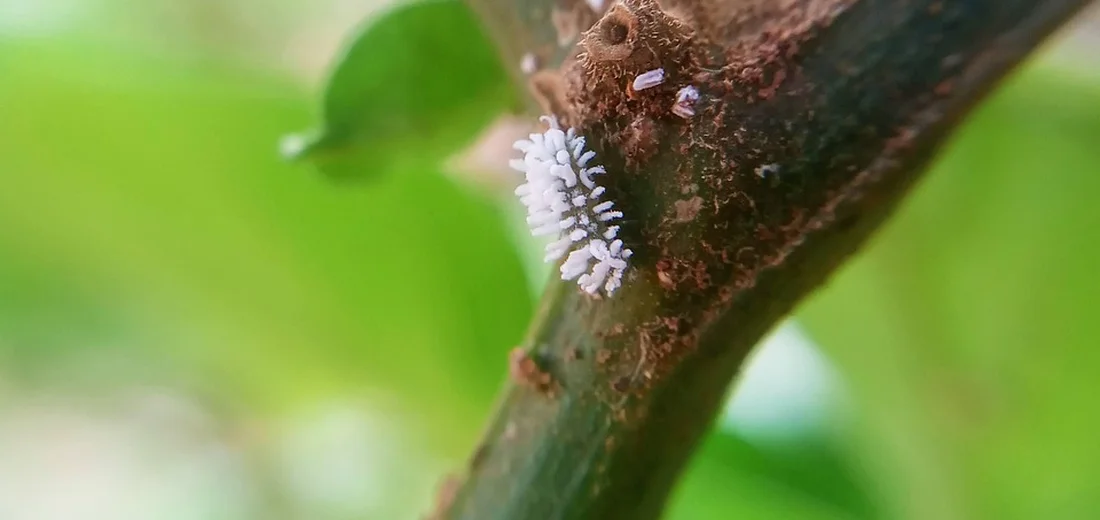
Over the years, I’ve found that catching pests early is the single most effective way to save a plant. Learning to spot the tiny troublemakers and the damage they cause will make you a more confident plant parent. Let’s also discuss how to prevent pests from affecting your plant collection in the first place.
Fungus Gnats: The Annoying Airforce
If you see tiny, dark flies buzzing around your plant’s soil, you’ve met fungus gnats. I used to think they were just a nuisance, but they can harm young roots. Their presence is a clear sign your soil is staying too wet for too long. They thrive in that moist environment.
- Appearance: Small, mosquito-like flies, about 1/8 inch long.
- Damage: The adults are annoying, but the larvae in the soil munch on roots.
- Quick Tip: Place yellow sticky traps in the pot to catch the adults and reduce the population instantly.
Mealybugs: The Fluffy White Menace
These pests look like tiny tufts of cotton or white powder huddled in leaf joints and under leaves. I once found a massive infestation on a prized Hoya because I didn’t check the crevices. Mealybugs suck sap, weakening your plant and leaving a sticky residue called honeydew.
- Appearance: Small, soft-bodied insects covered in a white, waxy coating.
- Damage: Yellowing, wilting leaves, and stunted growth.
- Quick Tip: Dab individual mealybugs with a cotton swab soaked in rubbing alcohol for immediate control.
Spider Mites: The Invisible Weavers
Spider mites are so tiny you might miss them until you see their fine, silky webbing on your plant. They love hot, dry conditions. I learned to watch for early warning signs of a subtle stippling or dusty look on leaves, which is the first sign of their feeding. Spotting these early warning signs can help you catch pest infestations before they spread. Acting quickly keeps your plants healthier.
- Appearance: Minute, spider-like creatures, often red or brown.
- Damage: They pierce plant cells, causing yellow speckling and eventually bronzed, crispy leaves.
- Quick Tip: Regularly misting your plants can help deter them, as they dislike humidity.
Scale: The Stubborn Bumps
Scale insects look more like odd plant growths than bugs. They attach themselves to stems and leaves, forming hard or soft bumps. My first battle with scale taught me that persistence is key, as their shell makes them tough to eliminate.
- Appearance: Small, immobile bumps that can be brown, tan, or white.
- Damage: They suck sap, causing yellowing and leaf drop, and also produce honeydew.
- Quick Tip: Gently scrape them off with your fingernail or a soft toothbrush, then wipe the area with soapy water.
FAQs
What indoor plant pests are most common in Georgia?
Georgia’s humid climate frequently attracts fungus gnats and spider mites to indoor plants due to the moist, warm conditions.
How can I use pictures to identify indoor plant pests?
Compare images from reliable sources like university extension sites to accurately match pests on your plants for proper identification. Houseplant pests can be tricky, so make sure you get a precise ID before treating them.
Are there pet-safe indoor plants that resist pests?
Spider plants and Boston ferns are non-toxic to pets and naturally less appealing to common pests like aphids and mites.
Which indoor plants are most pest-resistant?
Succulents such as jade plants and snake plants are hardy and less prone to pest infestations due to their thick leaves. However, occasional pests can still appear, so knowing how to identify common pests and apply basic treatment and prevention steps helps keep them thriving.
What is the first step for treating indoor plant pests?
Isolate the affected plant immediately to prevent pests from spreading to other indoor plants.
How can I prevent pests in indoor plant soil?
Use sterile, well-draining soil and avoid overwatering to create an environment that discourages pest breeding.
Your Simple Steps to Pest-Free Plant Parenting
Based on my years of nurturing everything from snake plants to echeverias, mastering your plant’s environment is the single most effective way to deter pests before they become a problem. When pests appear indoors, biological controls are often most effective when used as part of an integrated approach with good environmental care. In other words, prevention and targeted biologicals together tend to yield the best results for indoor plant pests.
- Adjust watering habits to match each plant’s specific needs.
- Balance light exposure and air circulation in your space.
- Monitor humidity levels to avoid creating a pest paradise.
You can absolutely do this-your attention to these details makes all the difference. Go check on your plants with fresh eyes and confidence; your care is their best protection.
Further Reading & Sources
- Managing insects on indoor plants | UMN Extension
- Pest and Disease Problems of Indoor Plants
- Common Houseplant Insects & Related Pests | Home & Garden Information Center
- How to Spot 6 Frequent Houseplant Pests and Get Rid of Them Naturally
Lena Greenfield is a passionate horticulturist and plant care expert with over 10 years of experience cultivating and nurturing hardy house plants. With a deep understanding of both indoor and outdoor gardening, Lena shares practical advice on choosing, caring for, and maintaining resilient plants that flourish year-round. Through her knowledge and hands-on approach, Lena helps plant lovers transform their spaces into vibrant, green sanctuaries, no matter their gardening experience.
Common Pests