
The Best Fertilizer for Snake Plants (And When to Use It)
The best fertilizer for your snake plant is a balanced, water-soluble houseplant formula, but knowing when to feed it is even more important than what’s in the bottle. Over-fertilizing is the fastest way to harm these resilient plants, so a gentle, infrequent approach is key.
In my years of collecting snake plants, I’ve tested everything from fancy organic blends to simple DIY options. I’ll walk you through the specifics so you can feed your plant with confidence. We’ll cover the ideal fertilizer type, the best feeding schedule, how to apply it correctly, and the biggest mistakes to avoid.
Understanding Your Snake Plant’s Diet
Think of your snake plant as a camel of the plant world. It’s a master at storing what it needs and using resources very slowly. In my own collection, I’ve found that snake plants thrive on a “less is more” approach. They don’t need a constant, heavy diet like a fast-growing fern or a flowering plant would.
Their natural habitat is one with poor, rocky soil. This is the key to understanding their needs. Over-fertilizing is the single biggest mistake I see people make with these resilient plants. It can lead to weak, floppy leaves and even damage the roots, which is the opposite of what we want. A gentle, occasional feeding is the secret to long-term success.
I treat my snake plants to fertilizer only during their active growing season, which is typically from late spring through summer. During the fall and winter, I stop feeding them completely to respect their natural dormancy period. This rest period is crucial for their health and prepares them for a burst of growth when the sun returns. For best results, fertilize only during the active growing season using a diluted fertilizer. Schedule feeds every 4-6 weeks through late spring and summer.
Finding the Perfect NPK Ratio
You’ll see three numbers on every fertilizer bottle, like 10-10-10 or 5-10-10. This is the NPK ratio, which stands for Nitrogen (N), Phosphorus (P), and Potassium (K). Each element plays a different role in your plant’s health, and getting the balance right makes all the difference.
- Nitrogen (N): This is for green, leafy growth. Too much can cause weak, leggy leaves on a snake plant.
- Phosphorus (P): This supports strong root development and overall plant vitality.
- Potassium (K): This helps with disease resistance and the plant’s internal processes.
For snake plants, you want a balanced or slightly phosphorus-heavy ratio. I personally look for formulas where the three numbers are equal or where the middle number (phosphorus) is the highest. My go-to ratios are a balanced 10-10-10, diluted to half-strength, or something like a 3-1-2 ratio.
Why Low Nitrogen Often Wins
While nitrogen is essential, snake plants are not heavy feeders of it. High nitrogen fertilizers encourage rapid, soft growth that the plant’s structure can’t always support. I learned this the hard way years ago when I used a standard lawn fertilizer on a snake plant by accident. The new leaves grew in much too quickly and became floppy and prone to bending. This is especially problematic given the typical growth habits of snake plants.
A formula with lower nitrogen promotes slower, sturdier, and more compact growth. This results in those classic, upright, sword-like leaves that make the snake plant so striking. It encourages the plant to focus energy on strengthening its existing structure and root system rather than just pushing out weak new growth.
Here is a quick comparison of common fertilizer types I’ve used:
| Fertilizer Type | Typical NPK | My Experience |
|---|---|---|
| All-Purpose Liquid | 10-10-10 | Works well if diluted to half-strength. Easy to find. |
| Cactus & Succulent Fertilizer | 2-7-7 or similar | My top choice! Formulated for plants with similar needs. |
| Slow-Release Granules | 14-14-14 | Convenient, but be very careful not to over-apply. |
Types of Fertilizer: Liquid vs. Slow-Release
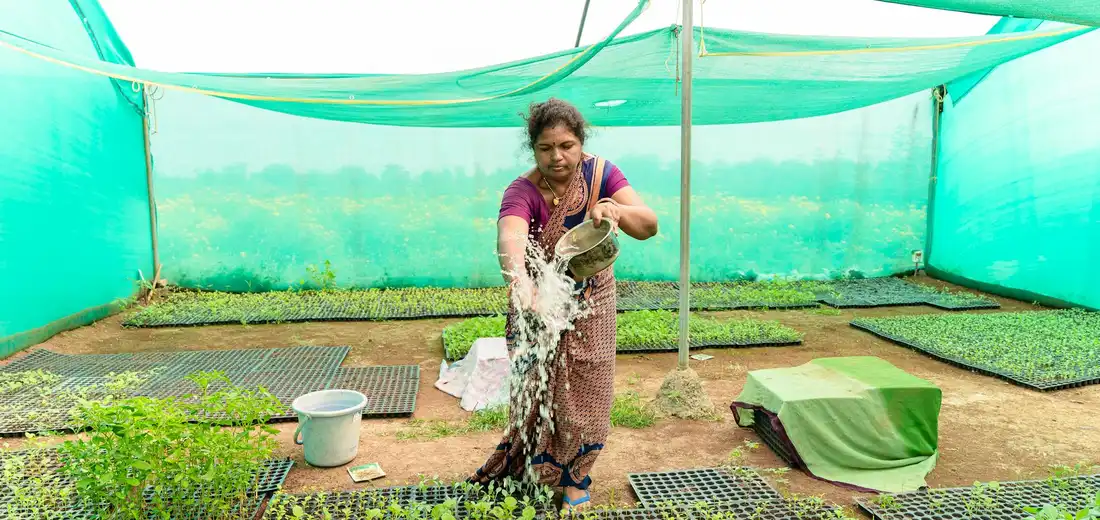
Choosing between liquid and slow-release fertilizer is one of the biggest decisions for your snake plant’s diet. I’ve used both types extensively and found that your choice really depends on your plant parenting style and how much you enjoy the ritual of feeding. After repotting, proper watering is crucial to help the plant settle in. For a step-by-step approach, check out the water your snake plant after repotting complete guide.
My Go-To Liquid Fertilizer Routine
I personally prefer liquid fertilizers for most of my snake plants because I enjoy the hands-on care. It lets me see exactly what they’re getting. The key to using liquid fertilizer successfully is dilution—I always mix it to half the strength recommended on the bottle. If you’re curious about growing snake plants in water, this connects to my complete guide on hydroponic growth. In a water-based setup, monitor nutrient balance to keep roots healthy.
Here is my simple process:
- I water the plant first with plain water to moisten the soil.
- I mix my diluted fertilizer solution in a watering can.
- I pour it slowly, ensuring it’s distributed evenly and not pooling on top.
My favorite is a balanced, all-purpose liquid fertilizer like Dyna-Gro Grow. This method gives the roots an immediate, gentle nutrient boost that’s perfect for the growing season.
The Set-and-Forget Appeal of Slow-Release Granules
If you’re the type who prefers a low-maintenance routine, slow-release granules are a fantastic option. I often use Osmocote Smart-Release granules for the snake plants in my less-frequented rooms, and they thrive with this neglect-friendly approach.
The process is incredibly simple:
- Sprinkle the recommended amount of granules onto the soil surface.
- Gently scratch them into the top inch of soil with your fingers or a fork.
- Water as you normally would.
Every time you water, a tiny amount of fertilizer is released. This method provides a steady, gentle feed for months, which perfectly mimics the snake plant’s preference for not being over-stimulated. For more on how often to water snake plants indoors, see our complete guide. It covers watering schedules and how to spot when to adjust.
Crafting Your Fertilizing Schedule
Creating the right schedule is more about reading your plant and the seasons than following a strict calendar. Over the years, I’ve learned that snake plants will tell you what they need-you just have to know what to look for.
My seasonal guide looks like this:
- Spring & Summer (Growing Season): I fertilize once a month with my diluted liquid mix or apply slow-release granules at the start of the season.
- Fall: I taper off, feeding only once in early fall to help the plant prepare for its rest period.
- Winter: I stop all fertilizing. The plant is dormant and extra nutrients can harm the roots.
If you notice the leaves losing their vibrant color or the plant seems to have stopped growing completely during the spring, it might be politely asking for a light snack. A pale, washed-out look is a common sign of hunger in my experience.
Quick tip: Always err on the side of under-fertilizing. It’s much easier to add a little more food later than to fix the root burn from overdoing it.
Homemade and Organic Options

I love using natural options for my plants whenever I can. You can create gentle, effective fertilizers from common kitchen scraps, saving money and reducing waste. These methods feed your snake plant slowly, mimicking the low-nutrient environment they naturally prefer.
A Word on Coffee Grounds
This is a popular tip, but I’ve learned to be cautious with coffee grounds for snake plants. While they add organic matter, they can make the soil too acidic and compact over time, which snake plants hate. I reserve used coffee grounds for my acid-loving blueberries, not my snake plants. If you’re set on trying them, mix a tiny spoonful thoroughly into the top layer of soil no more than once a season. Consider using a well-draining succulent soil mix for snake plants. For more detail, the use of succulent soil in the snake plants complete guide walks you through the right ratios and care tips.
Here are the organic options I’ve had much better success with:
- Compost Tea: I steep a handful of finished compost in a gallon of water for a day, then use the strained liquid to water my plants. It’s a mild, all-around nutrient boost.
- Worm Castings: This is my top choice. I mix a thin layer into the soil surface every spring. It’s odorless, doesn’t burn roots, and is packed with beneficial microbes.
- Eggshell Water: I rinse and crush eggshells, boil them in water, and let it sit overnight. The resulting water provides a small dose of calcium, which supports strong cell walls.
Troubleshooting Common Fertilizer Mistakes
It’s easy to love your plant a little too much with fertilizer. I’ve made these mistakes myself, so I can help you spot and fix them quickly.
The most common issue by far is signs of over-fertilization, which shows up as brown, crispy tips on the leaves or a white crust on the soil surface. This is a sign of salt buildup from the fertilizer, and it stresses the plant. To fix it, flush the soil with water to remove the excess salts and reduce or pause fertilization until the plant recovers.
If you see these signs, here is my simple recovery plan:
- Stop all fertilizing immediately.
- Take the plant to a sink or bathtub and slowly run a large amount of water through the soil for several minutes. This process, called leaching, flushes out the excess salts.
- Let the pot drain completely before returning it to its saucer.
- Wait at least 4-6 months before you even think about fertilizing again.
Another mistake is fertilizing at the wrong time. Never fertilize a snake plant in the fall or winter, as it’s trying to rest and won’t use the nutrients. This can lead to the same root damage as overfeeding. I stick to my “spring and summer only” rule religiously.
FAQs

Can I use homemade fertilizer for my snake plant?
Yes, gentle homemade options like compost tea or worm castings can be used sparingly during the growing season.
What is the ideal NPK ratio for snake plant fertilizer?
A balanced or slightly phosphorus-heavy ratio, such as 10-10-10 diluted to half-strength, works best.
How often should I fertilize my snake plant?
Fertilize once a month in spring and summer, and avoid feeding in fall and winter.
Is coffee grounds a good fertilizer for snake plants?
No, coffee grounds can make the soil too acidic and are not recommended for snake plants.
Why is the NPK ratio important for snake plants?
The NPK ratio ensures proper nutrient balance, with low nitrogen promoting sturdy, upright growth.
Where can I buy snake plant fertilizer, like at Home Depot?
You can find suitable fertilizers at Home Depot, such as balanced water-soluble or cactus-specific blends.
Your Snake Plant Fertilizer Cheat Sheet
For lush, healthy growth, feed your snake plant a balanced, half-strength liquid fertilizer only during its active growing season. Remember the golden rules: use a balanced formula, always dilute it, and feed infrequently. These are proven tips and techniques to help make your snake plant grow faster. Implement them alongside proper light and careful watering for best results.
You now have all the knowledge to nourish your resilient snake plant perfectly. Go give your green friend a little sip of nutrients—you’ve got this, and your plant will thank you with gorgeous, upright growth for years to come. This is the complete indoor snake plant care guide—from placement to maintenance. We’ll cover lighting, watering, soil, and routine care to keep it thriving.
Further Reading & Sources
- How to Fertilize a Snake Plant (Sansevieria) for Beginners
- r/houseplants on Reddit: Plant food / fertilizer to use for repotting snake plant and pothos?
- How to Grow and Care for Snake Plants Indoors
- Liquid Snake Plant Fertilizer for Sale | Buy Fertilizer Online | Perfect Plants
Lena Greenfield is a passionate horticulturist and plant care expert with over 10 years of experience cultivating and nurturing hardy house plants. With a deep understanding of both indoor and outdoor gardening, Lena shares practical advice on choosing, caring for, and maintaining resilient plants that flourish year-round. Through her knowledge and hands-on approach, Lena helps plant lovers transform their spaces into vibrant, green sanctuaries, no matter their gardening experience.
Fertilization