
Is Lemon Good for Snake Plants? (What You Need to Know)
You might be wondering if using lemon on your snake plant is a smart move or a risky mistake. I’ve seen many plant lovers worry that common kitchen ingredients could harm their green friends, but let me share what I’ve learned from years of growing snake plants.
In this guide, I’ll explain how lemon affects snake plant health, why acidity matters, safe natural alternatives, and my own tips for keeping your plant thriving.
Understanding Your Snake Plant’s Needs
Think of your snake plant as the low-maintenance friend who thrives on simple, consistent care. I’ve found that giving them what they truly need, rather than trendy extras, is what keeps them growing strong for years. They aren’t fussy about their soil, but they absolutely demand one thing: excellent drainage.
In my own collection, the plants that have lived the longest are all in a chunky, fast-draining potting mix. A soggy, waterlogged soil is the fastest way to cause root rot, which is the number one killer of these otherwise tough plants. Your goal is to create an environment where water flows through quickly, hydrating the roots without drowning them.
What Makes the Ideal Snake Plant Home?
Over time, I’ve settled on a simple, reliable recipe for my snake plant soil. You can easily mix this yourself.
- Standard Potting Soil: This acts as the base, providing some structure and nutrients.
- Perlite or Pumice: These are the white, lightweight bits that create crucial air pockets and prevent compaction.
- Coarse Sand or Orchid Bark: Adding this introduces grittiness, further improving drainage and mimicking their natural, well-draining habitat.
A good starting ratio is two parts potting soil to one part perlite and one part sand. When you water, you should see it drain almost immediately from the bottom of the pot-that’s the sign of a perfect mix.
The Truth About Lemon Juice and Soil Acidity
Let’s get straight to the point: you should not put lemon juice in your snake plant’s soil. While the idea of a natural, citrusy boost sounds appealing, it’s based on a misunderstanding of what these plants require. Regarding fertilizer, the best results during the growing season come from a light, balanced fertilizer. Avoid fertilizing in winter when growth slows. I’ve seen this tip float around, and out of curiosity, I once tested a very diluted solution on a pup I was willing to risk.
The results were not good. The plant showed signs of stress within a week. Lemon juice is far too acidic and can actually burn the delicate root system, causing more harm than any potential good. It’s a harsh treatment for a plant that prefers a gentle touch.
How Soil pH Impacts Snake Plant Health
pH is a scale that measures how acidic or alkaline your soil is. Snake plants are happiest in a neutral to slightly acidic range. For optimal health, aim for a soil pH between 6.0 and 7.0, which is where they can best access all the nutrients in the soil. If the pH is too far out of this range, your plant can’t “eat” properly, even if fertilizer is present.
Adding lemon juice, which has a very low pH of around 2, will violently swing your soil into a highly acidic state. This acidic shock locks away essential nutrients like nitrogen and phosphorus, effectively starving your plant. The leaves may turn yellow, growth will stunt, and the roots will struggle to function.
Quick Tip: If you’re worried about your soil’s pH, buy an inexpensive test kit from a garden center. It’s a simple way to get a clear picture of your plant’s underground world.
Instead of reaching for a lemon, focus on providing quality water. I always use room-temperature tap water that has been left out for 24 hours, which allows chlorine to evaporate and is gentler on the roots. This simple practice is far more beneficial than any citrus experiment.
Potential Risks of Using Lemon on Your Plant

I’ve learned through trial and error that pure lemon juice is far too harsh for most houseplants, and snake plants are no exception. Think of lemon juice as a powerful acid that can strip away the plant’s natural protective coating on its leaves. This waxy layer is what helps the plant retain moisture and stay healthy, especially when watering them cautiously.
Recognizing Lemon-Induced Damage
If you’ve accidentally gotten lemon juice on your snake plant, you’ll likely see the effects within a few days. Keep a close eye on the leaves for these specific signs:
- Yellow or Brown Spots: You might notice yellow patches that quickly turn a crispy brown. This is a chemical burn from the citric acid.
- Dry, Papery Patches: The affected area will feel dry and thin, losing its characteristic firm, succulent texture.
- Stunted Growth: The plant may stop putting out new shoots as it uses its energy to try and repair the damaged leaves.
From my own mishap years ago, I can tell you that these spots are permanent. Once a snake plant leaf is scarred, it won’t heal back to its original smooth, green state. Your only option is to prune the damaged leaf at the soil line if the damage is severe and unsightly, as explained in our guide on how to repair and fix broken snake plant leaves effectively.
Safe Methods for Using Lemon in Plant Care
While I don’t recommend using lemon juice directly on the plant itself, I have found one very safe and effective way to incorporate it into my plant care routine. This method uses lemon’s natural properties for cleaning, not for feeding or treating the plant.
Creating a Diluted Lemon Spray
Snake plant leaves can collect a surprising amount of dust, which blocks sunlight and hinders photosynthesis. A gentle lemon spray is fantastic for cutting through that grime and leaving leaves shiny. Regular cleaning helps prevent brown tips that come from improper watering or low humidity. Keeping conditions balanced—proper watering, good drainage, and stable humidity—prevents brown leaves.
Here is my go-to recipe for a safe and effective leaf-cleaning spray:
- Grab a clean spray bottle. I always use one that has never held chemicals or other cleaning products.
- Add one cup of distilled or filtered water. Tap water can sometimes leave mineral spots.
- Mix in one tablespoon of fresh lemon juice. Don’t use concentrated lemon juice from a bottle, as it can have additives.
- Add one drop of a mild, natural liquid soap like Dr. Bronner’s. This helps the solution cling to the dust.
- Cap the bottle and shake it gently to combine everything.
Always, always test your spray on a small, inconspicuous part of one leaf first and wait 24 hours to ensure no damage occurs. To clean, lightly mist a soft, microfiber cloth with the solution and gently wipe the top and bottom of each leaf. You’ll be amazed at the glow!
Superior Alternatives to Lemon for Snake Plant Care
For Leaf Cleaning
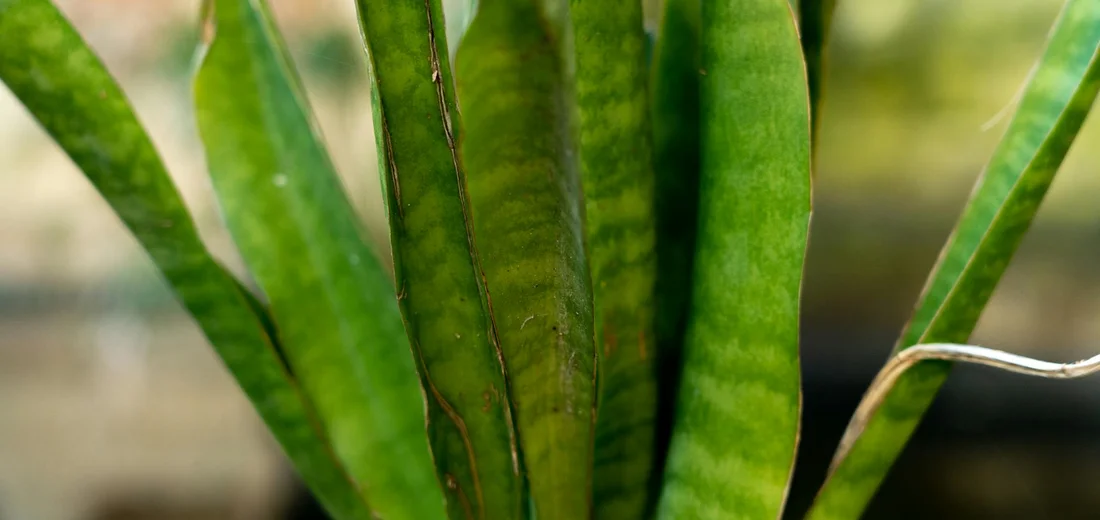
I learned the hard way that using anything acidic, like lemon juice, to clean leaves often does more harm than good. The best tool for cleaning snake plant leaves is actually a soft, damp cloth with plain distilled water. Gently wipe the top and bottom of each leaf to remove dust, which allows the plant to breathe and absorb more light. If your snake plant looks limp or discolored, it may be dying. You can revive it by adjusting watering and light.
For stubborn grime, I’ve had great success with a single drop of mild, liquid castile soap mixed into a liter of water. Just make sure to wipe the leaves again with a cloth dipped in plain water to remove any soapy residue. This method safely keeps your plant’s leaves gleaming without any risk of chemical burns.
For Soil pH Adjustment
If you’re concerned your soil is too alkaline for your snake plant, lemon juice is far too harsh and unpredictable. To gently lower soil pH, I always turn to sphagnum peat moss, which is a natural and slow-acting acidifier. Mixing a handful into your potting soil when you repot is a safe and effective long-term strategy. For a complete overview, see the snake plants complete guide. It covers selecting the right succulent mix, drainage, and pH balance for healthy growth.
Another gentle option I’ve used is incorporating used, unbleached coffee grounds into the top layer of soil. They add organic matter and can slightly increase acidity over time. For a more immediate and measured approach, a fertilizer formulated for acid-loving plants, used at half-strength, gives you precise control without any guesswork.
Caring for a Snake Plant After Lemon Exposure
If you’ve accidentally used lemon on your snake plant, don’t panic. These plants are tough, but they need your help to recover. Your first and most important step is to immediately rinse the affected area thoroughly with clean, lukewarm water. If lemon was applied to the leaves, gently wipe them down. If it was poured into the soil, you may need to flush the pot with a generous amount of water. After the initial rinse, keep an eye on the leaves for any emerging symptoms. If you notice spots, discoloration, or mushy tissue, identify the issue and apply targeted treatment for common snake plant diseases.
For a significant soil drenching, the safest course of action is to repot the plant entirely into fresh, well-draining cactus or succulent mix. This immediately removes the source of the acidity and gives the roots a fresh, healthy environment. Trim away any leaves that have turned mushy, yellow, or developed soft spots, as they will not recover.
After this emergency care, place your snake plant in a spot with bright, indirect light and resist the urge to water it again until the soil is completely dry. Hold off on fertilizing for at least two months to avoid further stress. With a little patience, your resilient plant will often push out new growth, showing you it’s on the mend. For a complete indoor snake plant care guide covering placement and maintenance, check our guide. It covers best placement, watering habits, and routine upkeep to keep your plant thriving.
FAQs
Can lemon juice help snake plants grow faster?
No, lemon juice can stunt growth by damaging roots and altering soil pH.
Is it safe to mist snake plants with lemon water?
No, misting with lemon water can cause leaf burns and stress the plant.
Will lemon repel pests on snake plants?
Lemon is not recommended for pest control, as it may harm the plant more than help.
Can I use lemon to clean snake plant pots?
Yes, diluted lemon can clean empty pots, but rinse thoroughly before reuse.
Does lemon affect snake plant propagation?
Lemon should not be used on cuttings, as it can inhibit root development.
Are there any snake plant varieties that tolerate lemon?
No, all snake plant varieties are sensitive to lemon’s acidity and should avoid it.
Your Snake Plant Care Made Simple
Based on my experience with dozens of snake plants, skip the lemon and stick to plain water and proper light to keep your plant thriving. Different snake plant types vary in light tolerance and water needs. The right, well-draining soil supports their growth and resilience.
- Use filtered or tap water, not acidic lemon solutions.
- Check soil moisture before watering to prevent overhydration.
- Place your snake plant in bright, indirect sunlight for best growth.
You’ve got all the tools to care for your snake plant with confidence. Trust your instincts, give it consistent love, and watch it reward you with resilient, beautiful leaves. To make your snake plant grow faster, try proven tips and techniques. You’ll see steady, healthy growth when you adapt them to your plant’s environment.
Further Reading & Sources
- Is Lemon Good For Snake Plant? Read This Before Using It
- Use Lemon Juice For Your Snake Plant And It Will Grow Crazily | Balcony Garden Web
- Lemon Surprise Snake Plant Care 101: Water, Light & Growing Tips
- r/snakes on Reddit: PSA to new snake owners, lemon juice or the active ingredient citric acid and water for sediment
Lena Greenfield is a passionate horticulturist and plant care expert with over 10 years of experience cultivating and nurturing hardy house plants. With a deep understanding of both indoor and outdoor gardening, Lena shares practical advice on choosing, caring for, and maintaining resilient plants that flourish year-round. Through her knowledge and hands-on approach, Lena helps plant lovers transform their spaces into vibrant, green sanctuaries, no matter their gardening experience.
Fertilization