
When and How Often to Fertilize Indoor Plants
Fertilizing your indoor plants doesn’t need to be a weekly chore, and worrying about giving them the perfect amount can be stressful. The simple truth is that plants are seasonal feeders, and the biggest mistake I see is over-loving them with too much plant food.
In my years of tending a bustling indoor jungle, I’ve learned that timing and observation are everything. Let’s walk through the straightforward schedule and signs I use to keep my plants thriving without the guesswork. You’ll learn the best time to fertilize, how often to do it, the clear signs your plant is hungry, and how to pick the right fertilizer.
Understanding Your Plant’s Food
Think of fertilizer as a vitamin supplement, not a full meal. Your plant’s main course is the sunlight it soaks up; fertilizer is just the multivitamin that fills in the nutritional gaps in its potting soil. I learned this the hard way after burning the roots of a prized fiddle leaf fig with a too-strong, poorly timed dose.
You’ll see three numbers on every fertilizer bottle, like 10-10-10 or 2-7-7. This is the N-P-K ratio, which stands for Nitrogen, Phosphorus, and Potassium.
- Nitrogen (N): This is for green, leafy growth. A higher first number is great for foliage plants like Pothos or Philodendrons.
- Phosphorus (P): This supports strong root development and, crucially, flowers and fruits. Blooming plants like African Violets love a higher middle number.
- Potassium (K): This is the plant’s overall health booster, aiding in disease resistance and general cellular functions.
A balanced, all-purpose fertilizer (like a 10-10-10) is a safe starting point for most leafy friends. My go-to rule is to dilute liquid fertilizer to half the strength recommended on the bottle; it’s better to underfeed than to overfeed and cause chemical burns.
Decoding Your Plant Fertilization Schedule
Forget a rigid calendar schedule. The most reliable cue for feeding comes from the sun itself-fertilize during the active growing season, which is almost always spring and summer. This is when longer days and more intense light signal your plant to put out new leaves and roots.
I completely stop fertilizing in the fall and winter for nearly all my plants. During these low-light months, growth slows or stops. Feeding a dormant plant is like forcing a sleeping person to eat a big meal; it leads to nutrient buildup that can harm the roots.
Fertilizer Frequency for Common Houseplants
My leafy tropicals get on a regular feeding schedule from March through September. I treat them to a diluted liquid fertilizer about once a month. I always make sure the soil is already damp before I feed. Applying fertilizer to dry soil is a surefire way to shock and damage the root system.
Here’s a quick guide based on what has worked on my own shelf:
- Heavy Feeders (like Ficus, Monstera, Philodendron): Every 4-6 weeks during spring and summer.
- Moderate Feeders (like Pothos, Spider Plants, ZZ Plants): Every 6-8 weeks during the growing season.
- Slow-Growing Plants (like Snake Plants, Chinese Evergreens): Once at the start of spring and once in the middle of summer is plenty.
Feeding Schedule for Succulents and Cacti
Succulents and cacti are the low-maintenance champions of the plant world, and their feeding needs reflect that. These plants are adapted to survive in nutrient-poor soils, so they are easily overwhelmed by too much fertilizer. In this essential guide, you’ll learn when succulents actually need fertilizer, how often to feed them, and which formulas are best. I use a specialized fertilizer formulated for cacti and succulents, which is typically lower in nitrogen.
My routine is simple and effective. I feed my succulents and cacti just once a year. I give them their single annual feeding at the very beginning of their growth season in early spring, which gives them a gentle boost for the months ahead. Any more than that, and you risk causing weak, spindly growth that ruins their compact shape. Make sure to fertilize and repot succulents appropriately to maintain their health.
For jungle cacti like Christmas or Thanksgiving Cactus, I adjust slightly. I feed them a diluted, balanced fertilizer once a month from the time they finish blooming until the end of summer, then stop to encourage bud set for the next season.
How to Fertilize Indoor Plants Correctly
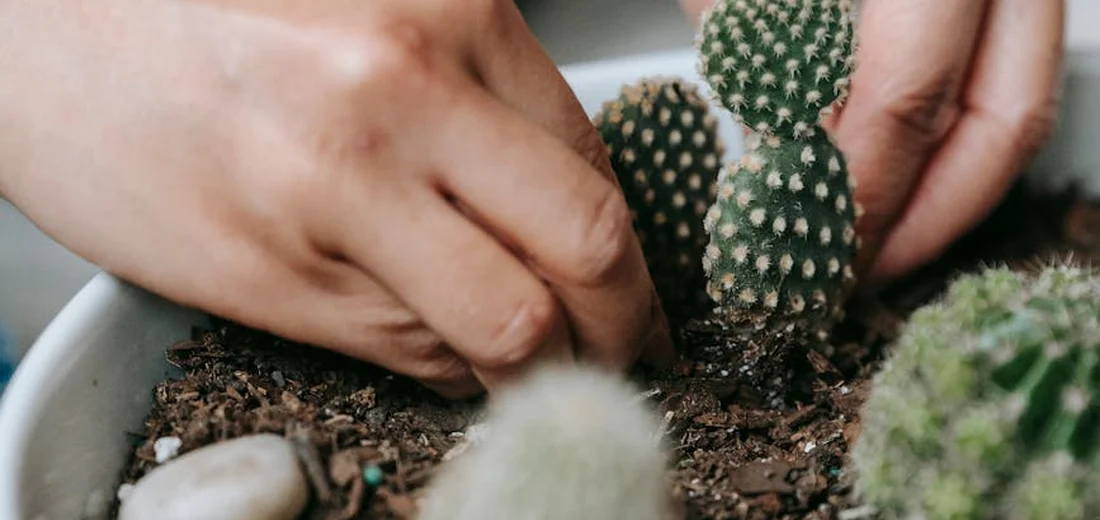
Getting the fertilizer itself right is just as important as the timing. I’ve learned from my own collection that a careful approach prevents damage and gives your plants the boost they truly need.
Step 1: Check Soil Moisture
Never pour fertilizer onto dry soil. I always water my plants a day or two before feeding them. This pre-watering step hydrates the roots and prevents fertilizer from burning them, which is a common and easily avoidable mistake. If the soil is already moist, you can apply the fertilizer directly.
Step 2: Dilute Your Fertilizer
More is not better with fertilizer. I typically use a half-strength or even quarter-strength solution of what the bottle recommends. Diluting your fertilizer is a safe practice that provides gentle nutrition without overwhelming your plant’s root system. This approach is a key tip in our best fertilizer succulents complete guide. For my succulents and sensitive plants like fiddle leaf figs, I always err on the side of a weaker mix.
Step 3: Apply Evenly and Flush
Pour your diluted fertilizer solution evenly over the soil surface, avoiding the leaves and the plant’s crown. Every four to six months, I take my plants to the sink or bathtub and run a slow stream of water through the soil for a few minutes to flush out any accumulated mineral salts from the fertilizer. This simple act keeps the root environment healthy and prevents toxicity.
Seasonal Adjustments for Plant Nutrition
Your plants’ dietary needs change with the seasons, just like ours might. Paying attention to these natural cycles is the secret to year-round health.
Spring and summer are the main events for growth. This is when your plants are actively putting out new leaves and stretching towards the sun. I ramp up my fertilizing schedule during this period, following the “weakly, weekly” approach for many of my tropical plants. The increased light and warmth of these seasons mean your plants can actually use the nutrients you provide.
As autumn arrives and daylight wanes, your plants will start to slow down. This is your cue to begin tapering off. I usually stop fertilizing altogether by mid-fall. Continuing to fertilize in the fall and winter is like offering a heavy meal to someone who is trying to sleep; it stresses the plant and can lead to weak, leggy growth.
Winter is a time for rest. Most of my plants, from my snake plants to my pothos, get no fertilizer from late October until early spring. I find that my reduced watering schedule in winter naturally helps prevent any nutrient buildup in the soil. They are simply dormant, waiting for the longer days to return. Once spring arrives and new growth starts, that’s when when to fertilize snake plants gives the best results. Use a highly diluted, balanced fertilizer during the growing season and avoid feeding in winter.
Reading the Leaves: Signs of Too Much or Too Little Food
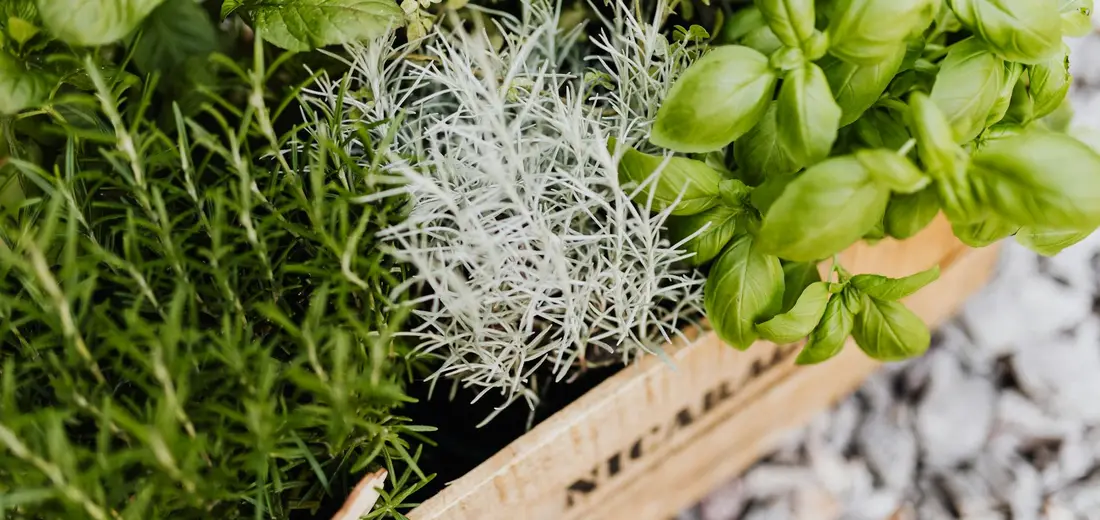
Your plants are talking to you all the time, and their leaves are their primary language. Learning to read these signals is the single most valuable skill I’ve developed in my years of tending a jungle indoors. It turns guesswork into informed action.
When Your Plant is Hungry (Under-Fertilizing)
A plant that isn’t getting enough nutrients is like a person on a restrictive diet-it survives, but it doesn’t thrive. Look for these subtle pleas for help.
- Slow or Stunted Growth: This is the most obvious sign. If your plant was putting out new leaves regularly and then just… stops, especially during its growing season, it’s likely hungry.
- Pale or Yellowing Older Leaves: The plant will start pulling nutrients from its oldest leaves to support new growth. The lower leaves will fade from a vibrant green to a pale yellow or even white.
- Small New Leaves: Any new leaves that do emerge are noticeably smaller than the previous ones. The plant simply doesn’t have the resources to build them to full size.
- Weak Stems and Lack of Flowers: Stems may become leggy and weak, and flowering plants will refuse to bloom. They’re conserving every bit of energy they have.
If you see slow growth and pale leaves, a half-strength dose of balanced fertilizer is often the perfect pick-me-up.
When Your Plant is Overfed (Over-Fertilizing)
This is a more urgent situation. Too much fertilizer leads to a toxic buildup of salts in the soil, which actually pulls water *out* of the plant’s roots. The symptoms can look confusingly like overwatering. Yellowing leaves can signal nutrient problems, including fertilizer burn. In our guide on why are my plant’s leaves turning yellow, we explain how to diagnose nutrient problems and adjust feeding.
- Leaf Burn or “Scorching”: The tips and edges of the leaves turn crispy brown. This is a classic sign of fertilizer salt burn.
- White Crust on Soil: A visible layer of white or yellow crystals on the soil’s surface is a clear indicator of fertilizer salt accumulation.
- Sudden Leaf Drop: The plant may start dropping both old and new leaves unexpectedly as the root system becomes damaged.
- Wilting Despite Wet Soil: This is a major red flag. If the soil is damp but the plant is droopy, the roots are likely damaged and can’t absorb water.
My go-to fix for over-fertilizing is to flush the soil thoroughly. You can spot signs like brown leaf tips, yellowing, or slowed growth indicating too much fertilizer, and flushing helps address those symptoms. Take the plant to a sink or bathtub and run a slow, steady stream of water through the soil for a full five minutes, letting it drain completely. Monitor its recovery and avoid adding more fertilizer until it shows signs of improvement. Repeat this soil-flushing process a couple of times to help wash away the excess salts and give your plant’s roots a fresh start.
Simple Homemade Plant Food Options
You don’t always need a bottle from the garden center to feed your plants well. Some of the best plant foods are hiding in your kitchen, and I’ve used all of these with great success.
Banana Peel Tea
This is my favorite for flowering plants and anything that needs a potassium boost. Potassium promotes strong roots and vibrant blooms.
- Chop up 2-3 banana peels and place them in a jar.
- Cover with about 4 cups of water and seal the jar.
- Let it steep for 2-3 days until the water is cloudy.
- Strain out the peels and use the “tea” to water your plants. Dilute it with an equal part of fresh water first.
Eggshell Water for a Calcium Kick
Crushed eggshells are fantastic for tomatoes and peppers, but I also use the steeped water for my succulents to help strengthen their cell walls. Many gardeners also wonder if eggshells or worm castings are good for succulents. Used sparingly, worm castings can provide gentle nutrients and improve soil texture, while eggshells offer calcium but should be ground finely and used in moderation.
- Rinse and crush a handful of eggshells.
- Boil them in a gallon of water for a few minutes.
- Turn off the heat and let the shells steep in the water overnight.
- Strain and use this calcium-rich water for your plants.
The Easiest Green Drink: Leftover Aquarium Water
If you have a fish tank, you have liquid gold for plants. This is the most balanced and readily available homemade fertilizer I’ve ever used. The water is filled with nitrogen and other beneficial nutrients from fish waste. Simply use the water you remove during a tank cleaning to water your houseplants. They will absolutely love it.
Remember, homemade options are gentle. They won’t cause burn the way chemical fertilizers can, but they also act more slowly. Think of them as a nutritious snack for your plants rather than a full-strength meal.
Special Fertilizing Scenarios

Not every plant follows the same simple schedule. Some situations require you to toss the rulebook out the window and listen to what your plant is telling you. I’ve learned this through trial and error, and adjusting my approach has saved many a plant from my own over-enthusiasm.
After Repotting: The Waiting Game
You’ve just given your plant a beautiful new home with fresh potting mix. Your first instinct might be to give it a nutrient boost to celebrate. Resist that urge! Most quality potting soils come with a slow-release fertilizer already mixed in, giving your plant a gentle, steady supply of food for the first few months. Adding more is like serving a second dinner right after the first-it’s just too much.
I always wait at least two months after repotting before I even think about fertilizing. This gives the plant time to settle its roots into the new space without the stress of processing extra nutrients. During that recovery period, keep light steady and water evenly to support root re-establishment. Afterward, follow careful recovery tips for repotted plants to reintroduce nutrients gradually.
Seasonal Shifts and Dormancy
Plants have an internal calendar, and many take a long winter nap. When the days get shorter and growth visibly slows or stops, your plant is telling you it’s dormant. Fertilizing a dormant plant is one of the most common mistakes I see; the unused salts can build up in the soil and chemically burn the delicate roots.
For most of my tropical plants, I completely stop fertilizing from late fall through winter. I only resume when I see the first signs of new growth in the spring, usually with a diluted, half-strength solution to ease them back into it.
Plants That Break the Winter Rule
Some houseplants are the exception to the winter rule because they actually bloom in the lower light of winter.
- Winter-Blooming Plants: African Violets, Holiday Cacti (Christmas and Thanksgiving Cactus), and some Orchids are actively growing and flowering when everything else is asleep. I keep these on a light, half-strength feeding schedule every 4-6 weeks during their bloom period to support all that beautiful flower production.
Specific Plant Needs
Just like people, different plants have different diets. A one-size-fits-all approach will leave some plants hungry and others overfed.
Succulents and Cacti
These desert dwellers are built for survival in lean conditions. Over-fertilizing a succulent will cause it to grow weak, leggy, and prone to splitting. In my collection, I only fertilize my succulents and cacti once, maybe twice, during their entire active growing season (spring and summer). I use a fertilizer specifically labeled for cacti and succulents, which is lower in nitrogen, and I always dilute it to half the recommended strength.
Heavy Flowering Plants
Plants that put on a spectacular floral show, like flowering Kalanchoes or Geraniums, are using a massive amount of energy. To keep the blooms coming, these heavy feeders appreciate a consistent, gentle fertilizer during their main blooming period. I switch to a fertilizer with a higher phosphorus content (the middle number on the bottle) to encourage more flowers and feed them every two weeks while they are in active bloom.
Common Questions
How often should I fertilize my indoor plants?
Fertilize most leafy indoor plants every 4-8 weeks during their active growing season in spring and summer.
Can I make my own fertilizer for houseplants?
Yes, you can create gentle, homemade plant food like banana peel tea for potassium or use leftover aquarium water for a nitrogen boost.
Is it bad to fertilize indoor plants in winter?
Yes, you should generally avoid fertilizing in winter as most plants are dormant and feeding them can lead to harmful salt buildup in the soil.
Why should I stop fertilizing my plants during the colder months?
Feeding a dormant plant in winter is stressful and can cause weak growth, as the plant cannot use the nutrients without adequate light for active growth.
What is the difference between fertilizer and plant food?
Fertilizer acts as a vitamin supplement to fill soil nutrient gaps, whereas the plant’s main food is the energy it creates from sunlight.
What is a simple homemade fertilizer I can make?
Steep chopped banana peels in water for a few days to create a potassium-rich “tea” for your plants, diluted with an equal part of fresh water before use.
Your Simple Fertilizing Plan
Based on my years of nurturing everything from fussy fiddle-leaf figs to hardy succulents, I’ve found that fertilizing indoor plants successfully boils down to timing it with their growth cycles and using the right amount. Think of it as feeding with the seasons: the best time of year to fertilize indoor plants is during their active growth in spring and summer. In contrast, cut back or skip fertilizing in fall and winter when growth slows. Stick to this quick-reference list to keep your plants well-fed and vibrant.
- Fertilize during active growth in spring and summer, and reduce or stop in fall and winter.
- Use a balanced, water-soluble fertilizer for most houseplants, and a diluted, low-nitrogen option for succulents.
- Always check soil moisture first to avoid fertilizing dry roots, which can cause damage.
Now, grab your fertilizer and give your green friends the boost they deserve-you’re equipped to help them thrive, and I’m cheering you on from my own plant-filled corner! Your attentive care makes all the difference, so trust your instincts and enjoy the growth you’ll see.
Further Reading & Sources
- Houseplant Fertilization | Home and Garden Education Center
- Fertilizer Is the Key to Healthy, Strong Houseplants-Here’s When (and How) to Apply It
- When to Fertilize Indoor Plants?
- Houseplant Fertilizer Basics: How and When to Feed Houseplants
Lena Greenfield is a passionate horticulturist and plant care expert with over 10 years of experience cultivating and nurturing hardy house plants. With a deep understanding of both indoor and outdoor gardening, Lena shares practical advice on choosing, caring for, and maintaining resilient plants that flourish year-round. Through her knowledge and hands-on approach, Lena helps plant lovers transform their spaces into vibrant, green sanctuaries, no matter their gardening experience.
Fertilization