
Can Succulents Grow in Terrariums? Yes, With the Right Setup
You’re probably wondering if you can combine your love for low-maintenance succulents with the beautiful, contained world of a terrarium. The good news is yes, you absolutely can, but keeping them alive long-term requires a different approach than a standard pot.
I’ve learned this through trial and error in my own collection, and I’ll guide you through everything you need to know. We’ll cover the ideal setup, plant selection, step-by-step assembly, and the top mistakes that can doom your mini-garden.
The Succulent and Terrarium Mismatch: Why It’s Tricky
I learned this lesson the hard way with my first, beautifully arranged succulent terrarium. It looked perfect for about three weeks, and then the rot set in. The main issue is that terrariums, by their very design, create a miniature ecosystem that holds in moisture. Succulents, on the other hand, are desert natives that crave dry, arid conditions with excellent air circulation. You’re essentially trying to make a cactus happy in a steam room.
The biggest culprit is trapped humidity. In a confined glass container, every bit of water you add has nowhere to go. It evaporates from the soil and the plants’ leaves, then condenses on the glass walls and drips back down, creating a constant cycle of dampness. This persistent moisture is an open invitation for mold and root rot, which can kill a succulent surprisingly fast. I’ve lost more than one prized Echeveria to this exact scenario.
Another often-overlooked problem is soil compaction. Many decorative terrarium soils look great but don’t drain well at all. Succulent roots need to breathe and dry out completely between waterings. When the soil stays consistently damp and compacted, the roots suffocate and begin to decay, and by the time you see the mushy leaves on top, it’s often too late to save the plant.
Choosing Your Terrarium Type: Open vs. Closed
This is the most critical decision you’ll make, and it directly addresses the humidity problem. The type of container you choose will either set your succulent project up for success or guarantee a soggy failure. So, what are the best pots for succulents? For succulents, choose pots with drainage holes and breathable materials like terracotta to keep roots dry and air flowing.
- Closed Terrariums: These have a lid or a very narrow opening. They are self-contained, humid environments perfect for tropical plants like ferns, mosses, and nerve plants. For succulents, a closed terrarium is a death sentence; I strongly recommend you avoid them entirely.
- Open Terrariums: These are containers with a wide, open top, like a fishbowl, geometric planter, or even a wide-mouthed jar. This open design is the only way you can realistically grow succulents in a glass container, as it allows for essential air flow.
Why Open Terrariums Are Your Best Bet
After my failed experiments, I now exclusively use open terrariums for my succulents, and the difference is night and day. The wide opening is your number one tool for combating the humidity that succulents despise.
An open top allows moisture to escape freely, preventing it from getting trapped and condensing on the glass. This mimics the dry, breezy conditions of a succulent’s natural habitat far better than any closed container ever could. You get the beautiful, curated look of a terrarium without the swampy environment.
Beyond just letting moisture out, the open design promotes crucial air circulation around the plants’ leaves and soil surface. Good air flow helps the soil dry out more evenly and prevents fungal issues from taking hold on the leaves. It also makes it much easier for you to access the plants for watering and maintenance without fiddling with a lid.
Quick Tip: When shopping for a container, hold it up and imagine pouring water into it. If it looks difficult or you’d need a special funnel, it’s probably too closed-off for a succulent. A wide, open bowl is always a safer and more successful choice.
Building the Perfect Foundation: Soil and Drainage
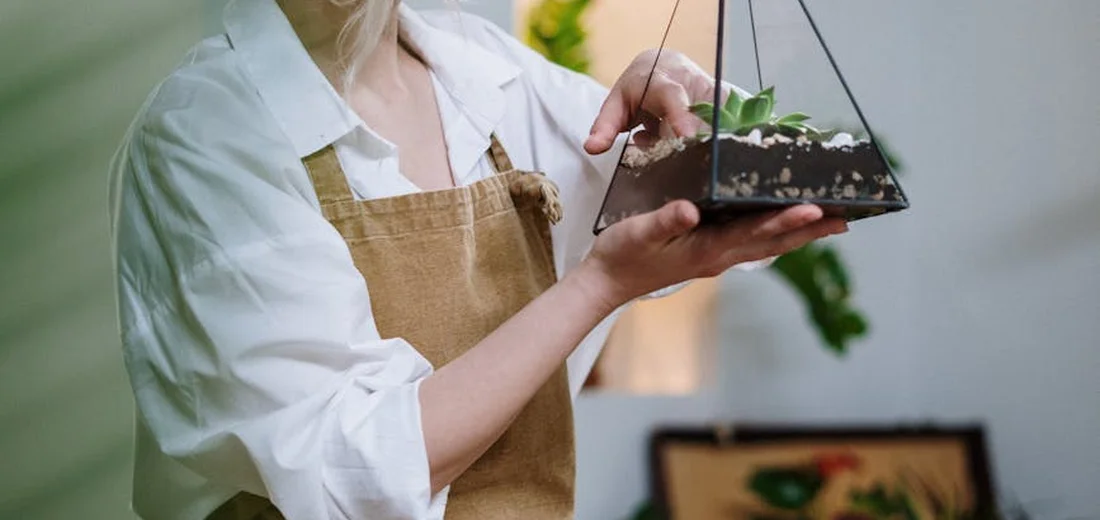
Getting the base layers right is the single most important thing you can do for a succulent terrarium. I learned this the hard way after my first few terrariums turned into soggy, moldy messes because I treated them like regular houseplant pots. Succulents absolutely despise wet feet, and a sealed glass container traps moisture like a tiny greenhouse.
- Step 1: Create a drainage layer with pebbles. Start with a generous 1-2 inch layer of small, clean pebbles or gravel at the very bottom of your container. This isn’t just for looks; it acts as a reservoir for any excess water, keeping it far away from the delicate roots of your plants.
- Step 2: Add a thin layer of horticultural charcoal. Sprinkle a half-inch layer of horticultural charcoal over the pebbles. This is a pro tip I swear by now. The charcoal helps filter the water and, more importantly, prevents odors and bacterial growth in the stagnant terrarium environment.
- Step 3: Use a fast-draining soil mix recipe. Do not, I repeat, do not use regular potting soil. It holds far too much moisture. My go-to mix is two parts succulent/cactus potting soil to one part perlite or coarse sand. This creates the gritty, airy environment that succulent roots crave to avoid rot.
When you water, do so very sparingly, aiming for the soil only and avoiding the plants themselves. A quick tip: use a small syringe or turkey baster for precise watering control-it’s a game-changer!
Selecting and Arranging Your Succulents
Choosing the right plants is like casting characters for a play; they all need to thrive under the same conditions. I always look for succulents that are naturally slow-growing and enjoy a bit of humidity. Haworthias, Echeverias, and some Sedums are my top picks because they tend to play nicely in a terrarium setting without quickly outgrowing their home, especially those that are tropical succulents suited for humid environments.
Before you plant, gently tease apart the root balls of your new succulents to encourage them to spread out and establish in their new terrain. This simple step prevents them from staying bound in their nursery pot shape and helps them absorb water more efficiently from your special soil mix. This careful transplant also paves the way for propagation—healthy roots improve the odds of thriving offsets. Once settled, you can propagate new plants from offsets or leaves.
Designing Your Miniature Landscape
Think of your terrarium as a tiny, living sculpture. Start by placing your tallest or most striking succulent slightly off-center-this creates a more dynamic and natural look than plopping it right in the middle. I often use a pair of long tweezers or chopsticks to position plants without getting my fingers covered in soil.
Cluster smaller plants around the base of your centerpiece, playing with contrasts in color and texture. The secret to a professional-looking arrangement is pairing a spiky, architectural succulent like an Aloe with a soft, rosette-forming one like a Graptopetalum. Leave a little space between them; they need air circulation, and it gives them room to grow without immediately crowding each other.
Finally, add the finishing touches. A top dressing of small, colorful stones or fine gravel not only looks polished but also helps keep the soil surface dry and prevents the lower leaves of your succulents from touching damp soil. Quick tip: tilt your terrarium slightly after watering to drain any excess moisture that collects on the glass-your succulents will thank you for it!
Ongoing Care for a Thriving Terrarium
-
Light Requirements: Succulents need bright light to stay compact and colorful, but direct sun through glass can scorch their leaves. I position my terrariums where they receive plenty of indirect sunlight, like on a shelf near a north or east-facing window. Of course, not all succulents have the same light needs. Some tolerate direct sun, others thrive in bright indirect light. In my experience, a spot that gets morning light but avoids intense afternoon rays keeps them thriving without the risk of overheating.
-
Watering Schedule: Terrariums without drainage require a careful touch. I water my succulents only when the soil feels completely dry, which might be every 3-4 weeks depending on your home’s humidity. Water management is especially critical in water succulents terrariums where there’s little or no drainage. In such setups, a careful soak-and-dry routine helps prevent root rot and keeps the moisture balanced. Adapt the “soak and dry” method by pouring a small amount of water directly onto the soil—enough to moisten it without pooling. To check moisture without holes, I insert a chopstick into the substrate; if it comes out clean, it’s time for a drink.
-
Air Circulation: Stagnant air invites mold and pests. I always choose open-top containers and gently fan the terrarium with a piece of cardboard for a minute each week. This mimics natural breezes and helps prevent moisture buildup, something I learned after losing a few plants to poor ventilation early on.
Common Mistakes to Avoid for Long-Term Success
-
Using a closed lid: A sealed environment traps humidity and causes rot. Stick with an open design to let excess water evaporate and keep your succulents healthy.
-
Overwatering and misting: Succulents store water in their leaves, so they dislike constant dampness. I avoid misting entirely and water sparingly to prevent root rot, which I’ve seen undo many well-intentioned setups. Learning how to tell when your succulents need water is crucial for their health.
-
Using standard potting soil: Regular soil retains too much moisture. I blend cactus mix with perlite or coarse sand for fast drainage, just like I do for my outdoor succulent beds.
-
Choosing fast-growing or large succulents: They quickly overcrowd the space. This can make it hard to keep succulents small and healthy. Opt for slow-growers like Sedum or Graptopetalum that stay petite and manageable over time.
-
Placing in low light: Insufficient light causes stretching and pale leaves. Find a bright spot to maintain their vibrant shapes and colors, as I’ve noticed even a week in dim conditions can lead to leggy growth.
FAQs
What is a succulent terrarium?
A succulent terrarium is a glass container that houses drought-tolerant plants in a miniature, decorative landscape while controlling moisture levels. This is a popular way to grow succulents in glass containers. We’ll explore the pros and cons and share practical tips for care and success.
Should a succulent terrarium be open or closed?
Succulent terrariums must be open to promote air flow and reduce humidity that can cause rot.
What soil mix is ideal for succulent terrariums?
Use a fast-draining mix of two parts succulent/cactus soil to one part perlite or coarse sand to prevent water retention.
How do you ensure proper drainage in a succulent terrarium?
Add a 1-2 inch layer of pebbles at the bottom and incorporate horticultural charcoal to manage excess moisture and odors.
How often should you water a succulent terrarium?
Water sparingly only when the soil is completely dry, typically every 3-4 weeks, to avoid overwatering.
How do you propagate succulents in a terrarium?
Place leaf or stem cuttings on well-draining soil in bright, indirect light until they develop roots and new growth.
Your Terrarium Adventure Awaits
To keep your succulents thriving in a terrarium, you must replicate their natural desert home by focusing on three things: a wide-open container for maximum airflow, a deep layer of gritty drainage material, and placement in a spot with several hours of bright, indirect light. Proper succulent terrarium care is essential for creating and maintaining mini ecosystems.
Now that you’re equipped with the know-how to sidestep the common pitfalls, I’m excited for you to create your own beautiful, healthy succulent display. It’s ideal for small spaces—turn a windowsill or balcony into a mini succulent garden. A tiny succulent garden goes a long way with the right care. You’ve got this! Go build that mini desert landscape and watch your little plants flourish. 🌵
Further Reading & Sources
- How To Make a Succulent Terrarium (Simple DIY Guide)
- How to Make a DIY Succulent Terrarium Your Plants Will Love
- DIY Succulent Terrarium Tutorial | Living Color
- How to Make a Succulent Terrarium – MomAdvice
Lena Greenfield is a passionate horticulturist and plant care expert with over 10 years of experience cultivating and nurturing hardy house plants. With a deep understanding of both indoor and outdoor gardening, Lena shares practical advice on choosing, caring for, and maintaining resilient plants that flourish year-round. Through her knowledge and hands-on approach, Lena helps plant lovers transform their spaces into vibrant, green sanctuaries, no matter their gardening experience.
DIY Projects