
What’s the Best Way to Treat and Prevent Succulent Sunburn?
Published on: April 25, 2026 | Last Updated: April 25, 2026
Written By: Lena Greenfield
Noticed crispy, discolored patches on your succulent? That’s sunburn, but your plant can recover with the right approach. Many gardeners fear it’s a death sentence, yet I’ve revived countless sun-scorched succulents in my own collection.
Drawing from my hands-on experience, I’ll walk you through identifying sunburn signs, immediate treatment steps, long-term prevention methods, and common care mistakes.
What Exactly Causes Sunburn in Succulents?
Think of a succulent’s leaves like your own skin; they have a natural tolerance for sunlight, but it has limits. Sunburn happens when intense light, specifically UV radiation, literally cooks the plant’s cells, causing irreversible damage. I learned this the hard way after moving a jade plant from a shaded porch to a full-sun patio in a single day.
The primary culprit is a sudden, drastic increase in light exposure. This often occurs when:
- You bring a plant home from a nursery’s greenhouse and place it directly in a sunny window.
- You move an indoor plant outside for the summer without a gradual transition period.
- The seasons change, and the sun’s angle intensifies, beaming directly onto a plant that was previously in indirect light.
Succulents produce pigments, like anthocyanins (which appear red or purple), as a natural sunscreen. When the light intensity overwhelms this protective system, the chlorophyll breaks down, and the tissue becomes damaged, creating those pale, scorched patches. It’s a defense mechanism that has failed. These color shifts—yellow, brown, red, or purple—are the visible signs of pigment changes under light stress. Understanding them explains why succulents change color under sun exposure.
How to Spot the Telltale Signs of Sunburn
Catching sunburn early is your best bet for saving the plant. The damage shows up in distinct stages and colors.
- Early Stage: You’ll see faded, bleached-out areas. The vibrant green might turn a pale yellow or whitish color. The leaves feel thinner and papery in these spots.
- Advanced Stage: The damaged tissue turns brown or black and becomes crispy to the touch. These patches are sunken and scarred. In severe cases, the entire leaf may shrivel and drop off.
Sunburn is almost always on the top surfaces of the leaves that face the sun directly. If you see discoloration on the underside of leaves or in the plant’s center, you’re likely dealing with a different issue.
Is It Sunburn or Something Else?
This is a question I get all the time. It’s easy to confuse sunburn with overwatering or fungal disease. Here’s a quick guide I use to tell the difference.
| Symptom | Sunburn | Overwatering / Rot | Pest Damage |
|---|---|---|---|
| Color of Damage | White, tan, or brown crispy patches | Black or dark brown, mushy and soft | Yellow speckles, sticky residue, or webbing |
| Texture | Dry, papery, and scarred | Soggy, soft, and easily squished | Holes or chewed edges; may have visible bugs |
| Location on Plant | Top surfaces facing the light source | Often starts at the stem base or soil line | Can be anywhere, often on new growth |
My rule of thumb: if the spot is dry and crispy and only on the sun-facing side, it’s almost certainly sunburn. If it’s wet, mushy, and spreading, think overwatering. This distinction is critical for applying the right treatment.
Your Step-by-Step Plan to Treat a Sunburned Succulent
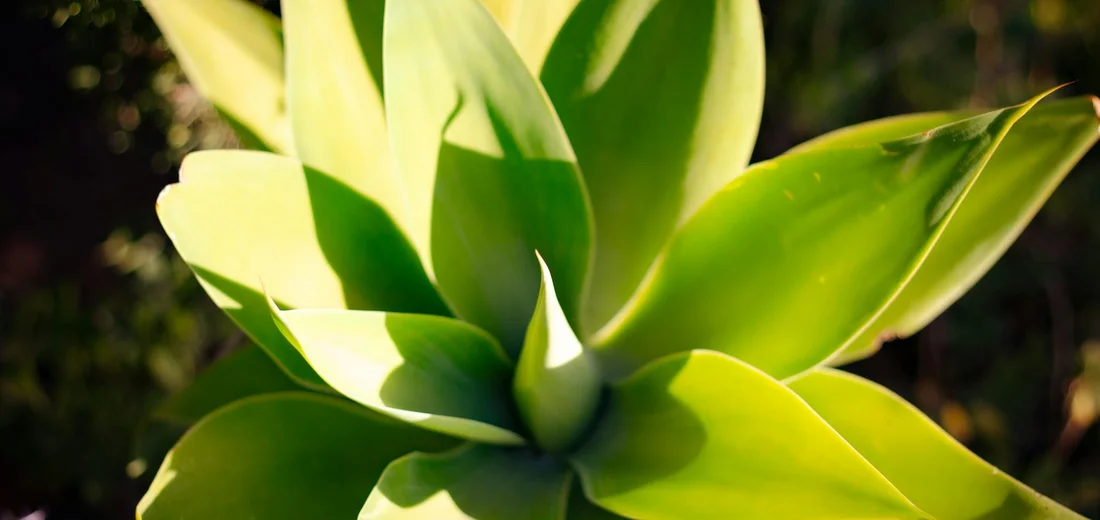
Step 1: Relocate to a Shaded Sanctuary
First things first, get your plant out of that harsh light immediately. Move it to a spot with bright, indirect light-think near a north-facing window or a few feet back from a sunny south one. In my own collection, I have a dedicated “plant ICU” shelf that gets gentle morning light but is protected from the intense afternoon sun. This gives the succulent a break from the stress without plunging it into deep shade, which can cause other problems like etiolation.
Step 2: Fine-Tune Your Watering Routine
This is where many plant parents get tripped up. A sunburned leaf is damaged tissue; it can’t be “healed” like a scab. The plant is now using its energy to repair internally. Do not water your succulent more frequently in an attempt to “fix” the burn, as this is one of common succulent watering mistakes to avoid. Overwatering a stressed plant is a fast track to root rot. Instead, stick to your normal, deep-but-infrequent watering schedule, ensuring the soil is completely dry between drinks.
From my experience, a sun-stressed plant might actually need a bit less water initially, as its metabolic processes have slowed. Always check the soil with your finger before reaching for the watering can.
Step 3: Decide on Pruning Damaged Leaves
You have two options here, and the right choice depends on the severity of the damage.
- Leave It Be: If the leaf is only lightly bleached or has small brown spots, I often recommend leaving it. The undamaged parts of the leaf can still photosynthesize and support the plant. The crispy parts will eventually be reabsorbed by the plant as it pushes out new growth.
- Prune It: If the leaf is mostly mushy, papery, or severely scarred, it’s best to remove it. Use a clean, sharp pair of scissors or a knife. Make a clean cut where the damaged leaf meets the stem, being careful not to nick the healthy tissue. I sterilize my pruners with a little rubbing alcohol before and after to prevent spreading any potential disease.
Preventing Sunburn Through Smart Acclimation
The absolute best cure for sunburn is to never let it happen in the first place. The secret is a process called acclimation, which is just a fancy word for slowly getting your plant used to more light.
When I bring a new succulent home or move one outdoors for the summer, I never just plop it into full sun. I start by giving it just 1-2 hours of direct morning sun, and then I move it back to its bright, indirect spot for the rest of the day. Each week, I increase its direct sun exposure by about an hour. This gradual introduction allows the plant to build up a natural “sunscreen” of protective pigments. This approach is a staple in my outdoor succulent care guide for growing succulents in your garden. Follow it to help your plants thrive in sunny garden spaces.
How Long Does Acclimation Take?
Patience is key here. A proper acclimation period typically takes between one to four weeks. The exact time depends on the original light conditions and the specific type of succulent. A succulent that was already in a very bright room will adapt faster than one from a dim corner. Haworthias and Gasterias, for instance, need a much slower and gentler transition than a hardy Echeveria. To transition between seasons without shock, extend the gradual adjustment and monitor for signs of stress. Slowly increase or decrease light exposure and temperature over several weeks as the seasons change.
Watch your plant’s color during this time. A slight red or purple tinge on the edges is often a sign of “good stress” or sun-blushing. Pale, washed-out, or white spots are the warning signs of burn. If you see those, just dial back the light for a few more days. If the plant seems stretched or pale overall, it may not be getting enough light. Move it to brighter light or add a bit of supplemental lighting.
Tailoring Light Conditions to Your Succulent’s Needs
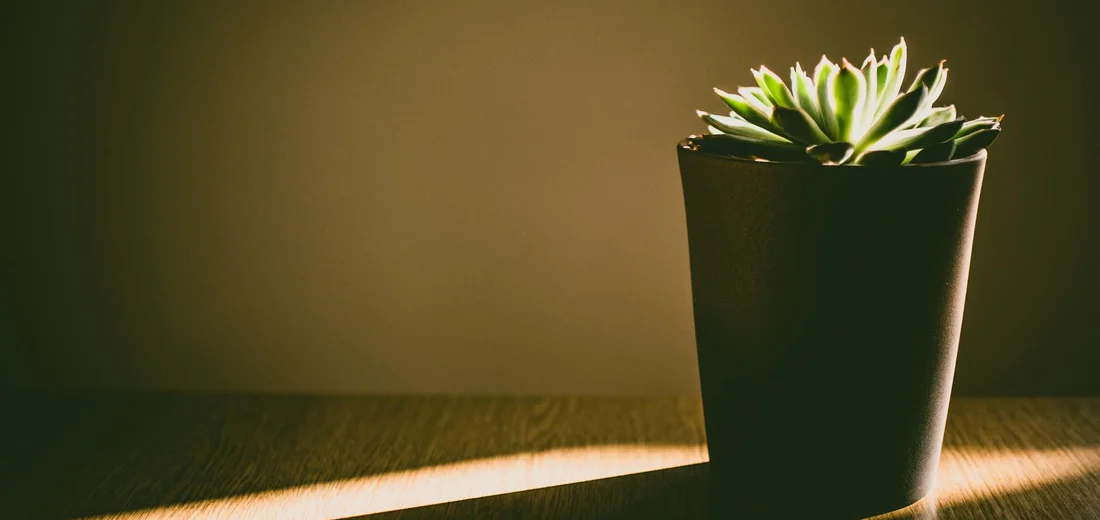
Not all succulents are sun worshippers, and getting to know your specific plant is the key to a happy relationship. I’ve learned to treat light like a prescription-the right dose is healing, but too much is toxic. A haworthia thrives in bright, indirect light that would leave an echeveria stretching for more. Different succulents have different light needs, so the right amount varies by species. Understanding that range helps you answer the question: how much light do different succulents really need?
Does Pot Color or Reflective Light Increase Risk?
Absolutely, and this is a detail many plant parents overlook. A dark-colored pot, especially black or deep terracotta, absorbs tremendous heat from the sun. I once measured the soil temperature in a black pot versus a white one in the same spot, and the difference was a shocking 15 degrees Fahrenheit. That extra heat cooks the roots and radiates upwards, significantly increasing the risk of sunburn on the lower leaves.
Reflective surfaces are another sneaky culprit. A sunny windowsill with a light-colored wall or a table with a glossy finish can bounce intense, concentrated light onto your plant. It creates a mini oven effect that your succulent never signed up for. If you notice one side of your plant is consistently more faded or damaged, check for reflective surfaces nearby.
- Choose Light-Colored Pots: White, cream, or light gray pots reflect heat instead of absorbing it, keeping root zones cooler.
- Use a Pot Within a Pot: Place a heat-sensitive plastic nursery pot inside a larger, decorative ceramic pot. The air gap between them acts as insulation.
- Be Mindful of Placement: Avoid setting pots directly against south or west-facing windows with light-colored sills or walls that act as reflectors.
Special Care for Indoor Succulents to Avoid Sunburn
Indoor succulents live in a controlled world, but that doesn’t make them immune to light stress. The biggest mistake I see is taking a plant that’s been in a dim corner all winter and suddenly giving it a prime spot in a south-facing window. They need a gentle introduction, or “hardening off,” just like seedlings moving outdoors. Learn to recognize seasonal stress signs and respond quickly with gentle light adjustments. For succulents, watch for sunburned tips or stretched growth as clues that the light level is off.
Start by placing them in their new, brighter spot for just an hour or two a day, gradually increasing the exposure over one to two weeks. This slow process allows the plant to build up a protective tan, called anthocyanin, which acts like its own natural sunscreen. You’ll often see the leaves develop beautiful red or purple tints-this is a good sign!
When to Rotate Your Pots for Even Growth
Succulents are brilliant at leaning toward their light source, a behavior called phototropism. If you never rotate them, you’ll end up with a lopsided plant stretching awkwardly to one side. Leggy growth is a common sign of insufficient light. Providing more bright, even light and rotating the pot helps fix it and keeps plants compact. A simple quarter-turn of the pot once a week ensures every side gets its time in the sun and promotes sturdy, symmetrical growth.
I make it part of my weekly watering routine. As I check the soil, I give the pot a gentle spin. Consistent rotation prevents one side from receiving a constant, intense dose of light that could lead to localized sunburn. It’s the easiest way to give your plant an even, all-over glow instead of a harsh burn on one shoulder.
- Check your plant’s posture. Is it leaning heavily?
- Give the pot a quarter-turn (about 90 degrees) in either direction.
- Mark your calendar or make it a habit every time you water.
Quick Tip: Clean your windows! A layer of dust and grime can filter out up to 10% of the available light, tricking you into moving your plant closer to the glass than it needs to be. A clean window provides a truer picture of the light intensity.
FAQs
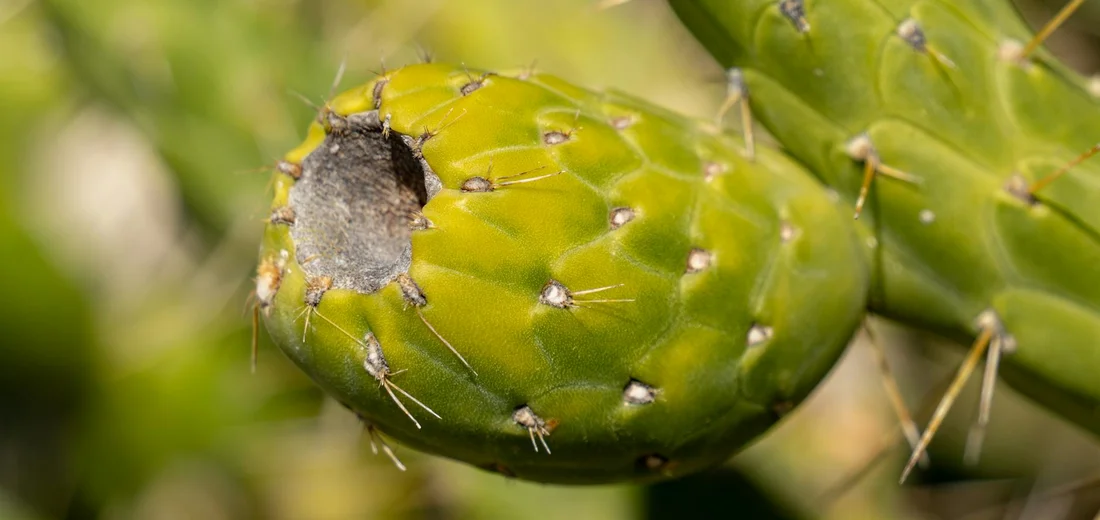
Can sunburn be reversed or mitigated?
Sunburn damage is permanent, but the plant can recover by growing new, undamaged leaves.
How long does sunburn take to heal in succulents?
Healing time varies, but new growth typically appears within a few weeks to months if the plant is healthy.
What watering practices help a sunburned succulent recover?
Water normally, allowing the soil to dry completely between waterings to avoid root rot.
Can sunburned leaves regrow or should they be pruned?
Prune severely damaged leaves to prevent decay, but leave mildly affected ones as they can still photosynthesize.
Are there signs of sunburn vs heat stress?
Sunburn causes dry, crispy patches on sun-exposed areas, while heat stress may cause overall wilting or leaf drop without specific scorching.
Does sunlight intensity duration or wind affect sunburn risk?
Yes, intense sunlight, prolonged exposure, and drying winds all increase the risk of sunburn in succulents.
Your Succulent Sunburn Rescue Plan
To keep your succulents thriving, always acclimate them slowly to sunlight and act quickly if you notice any signs of burn. Prevention through gradual exposure is your best defense against sun damage. During hot summer months, the sun is stronger, so keep acclimation gradual and watch for signs of stress. You may also use light afternoon shade to help prevent sun damage. Here are the core actions to remember:
- Introduce plants to brighter light over 1-2 weeks
- Move affected succulents to indirect light immediately
- Trim away severely damaged leaves to prevent rot
In my own succulent collection, I’ve seen how resilient these plants can be with consistent care. You have the tools and knowledge to nurture your succulents confidently-so go ahead, check on them today and make any needed adjustments! Curious whether succulents can thrive? They flourish with bright light, well-draining soil, and careful watering.
Further Reading & Sources
- How to Save Dying Succulents – Sunburned Succulents – Succulents Box
- Succulent Sunburn? Treatment Care Tips | Tips and more | Harddy Succulent Care Tips & Tricks blog
- Succulent Plant Problems: Sunburn – World of Succulents
- How to Treat and Avoid Succulent Sunburn – Sublime Succulents
Lena Greenfield is a passionate horticulturist and plant care expert with over 10 years of experience cultivating and nurturing hardy house plants. With a deep understanding of both indoor and outdoor gardening, Lena shares practical advice on choosing, caring for, and maintaining resilient plants that flourish year-round. Through her knowledge and hands-on approach, Lena helps plant lovers transform their spaces into vibrant, green sanctuaries, no matter their gardening experience.
Stress Symptoms