
Easy Houseplants for Beginners: Start Your Green Journey
Published on: May 15, 2026 | Last Updated: May 15, 2026
Written By: Lena Greenfield
If you’re new to houseplants and wondering which ones won’t give you a headache, I’ve got you covered with picks that practically grow themselves. Don’t stress about brown thumbs-I’ve nurtured loads of plants over the years and know which ones bounce back from a little neglect.
In this guide, I’ll walk you through my top choices and share hands-on advice, covering forgiving plant types, basic care steps, and smart tips for success.
My Top Picks for Beginner-Friendly Houseplants
Over the years, I’ve killed my fair share of plants, and that experience taught me exactly which ones are truly forgiving. These four are the champions of resilience in my own home.
Snake Plant (Sansevieria)
My first success story was a snake plant I rescued from a clearance rack. This plant thrives on being forgotten and can handle very low light. Its upright, architectural leaves store water, so it only needs a drink when the soil is completely dry, which for me is sometimes just once a month.
ZZ Plant (Zamioculcas zamiifolia)
If you have a dark corner that needs greenery, the ZZ plant is your hero. Its potato-like rhizomes store water, making it incredibly drought-tolerant. I’ve had one in a dim hallway for three years, and it just keeps putting out shiny new shoots with minimal effort from me.
Pothos (Epipremnum aureum)
Pothos was the plant that gave me the confidence to call myself a plant parent. Its trailing vines grow quickly, giving you instant gratification, and it tells you exactly what it needs. When the leaves get soft and droopy, it’s thirsty. A good drink perks it right back up within hours.
Spider Plant (Chlorophytum comosum)
Spider plants are the cheerful, prolific friends of the plant world. They produce tons of “pups” or baby spiderettes on long stems, which you can easily snip off and propagate. They’re not fussy about light and are very forgiving of inconsistent watering, bouncing back quickly from a little neglect. If you’re wondering whether spider plants are succulents, they’re not true succulents. This care guide will help you keep them thriving alongside succulent setups.
Essential Care for Low-Maintenance Plants
Just because these plants are tough doesn’t mean they don’t have preferences. Getting these few basics right is the secret to keeping them not just alive, but truly thriving.
Light Needs for Easy Houseplants
Light is food for plants, but “low light” doesn’t mean no light. Think of bright, indirect light as a plant’s favorite comfortable spot-like a few feet back from a sunny window.
- Low Light Tolerant: Snake Plant, ZZ Plant. They’ll survive in that dim north-facing room or a far corner.
- Medium to Bright Indirect Light: Pothos, Spider Plant. These will grow faster and produce more vibrant leaves near an east or west-facing window.
- Quick Tip: If you can comfortably read a book in a spot without turning on a lamp during the day, it’s probably fine for a low-light plant.
Watering Simple: How to Hydrate Without Overdoing It
Overwatering is the number one cause of plant death for beginners, and I’ve learned this the hard way. The best method is the “finger test”-stick your finger an inch or two into the soil; if it feels dry, it’s time to water.
- When the soil is dry, take your plant to the sink.
- Water slowly and evenly until you see water running out of the drainage hole in the bottom.
- Let the pot drain completely before putting it back in its decorative cover or saucer.
Your plants would rather be a little too dry than constantly soggy. In winter, you might only need to water every three or four weeks. This mirrors a general guide on how often to water indoor plants. To fine-tune watering, check soil moisture and adjust for your specific plant and home conditions.
Soil Mixes for Hardy Houseplants
Regular garden soil is too dense and holds too much moisture for houseplants. A well-draining potting mix is non-negotiable for healthy roots. I always use a standard all-purpose potting mix, but for my succulents and snake plants, I make it even grittier.
- For most beginner plants: A good-quality all-purpose potting mix is perfect.
- For super drought-tolerant plants like Snake Plants: I mix two parts potting mix with one part perlite or coarse sand to improve drainage.
This simple DIY mix prevents water from pooling around the roots, which is a death sentence for these plants.
Humidity and Temperature for Beginner Plants
The good news is that the plants on my list are perfectly happy with the humidity and temperature of a typical home. You don’t need a fancy humidifier; if you’re comfortable, your hardy plants likely are too. These basics are part of what makes a plant suited to indoor life. Beyond humidity and temperature, light and airflow are also key factors in plant suitability for indoor environments.
- Temperature: Aim for regular room temperature, between 65°F and 75°F (18°C – 24°C). Just keep them away from cold drafts from doors and hot blasts from heating vents.
- Humidity: Average home humidity (around 30-50%) is just fine. If your air is very dry in winter, grouping plants together can create a slightly more humid microclimate.
- Quick Tip: If you notice brown, crispy leaf tips on your Spider Plant, it might be asking for a bit more humidity. A simple weekly misting can help.
Pet-Safe and Air-Purifying Options
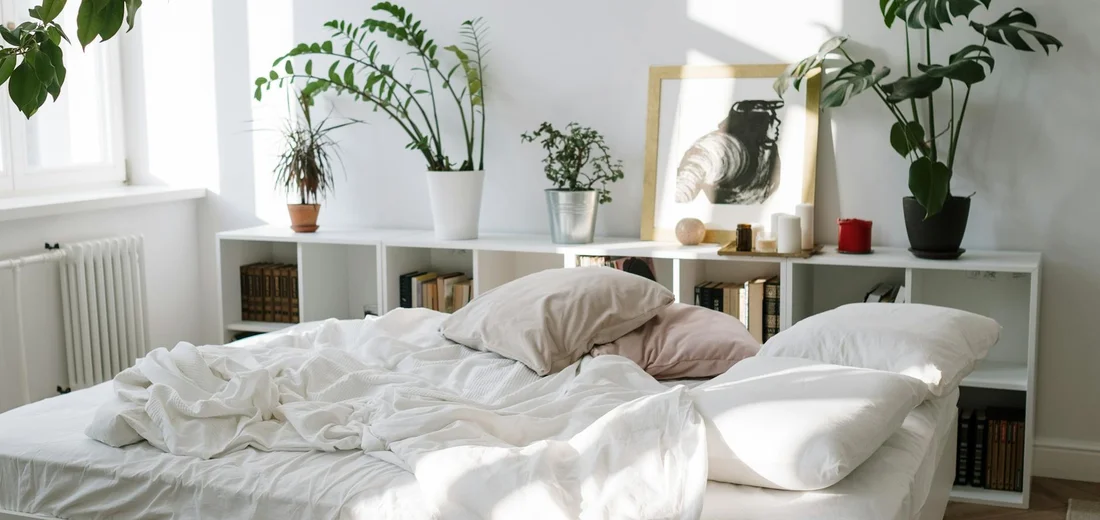
When I first started filling my home with greenery, my biggest worry was my curious cat. Choosing pet-safe plants was non-negotiable for me, and I was thrilled to find so many beautiful, easy options that also clean the air. You don’t have to sacrifice style or fresh air for your pet’s safety. That’s why I built a pet-safe indoor plants complete guide with practical protection tips to keep curious paws safe. It covers safe plant lists, placement ideas, and care tweaks that protect both your greenery and your furry friend.
My Top Picks for Pet-Friendly Beginners
These are the plants that have thrived in my home with minimal fuss and maximum peace of mind.
- Spider Plant: This was my very first houseplant! It’s incredibly forgiving, grows quickly, and produces adorable “spiderettes” (baby plants) on long stems. It’s non-toxic to cats and dogs and is a champion at removing common household toxins like formaldehyde.
- Boston Fern: If you have a spot with bright, indirect light and a bit of humidity (like a bathroom), this lush fern is perfect. It loves consistent moisture but will tell you it’s thirsty by drooping slightly. It’s completely safe for pets and adds a wonderful, soft texture to any room.
- Parlor Palm: This palm brings a tropical vibe and is surprisingly adaptable to lower light conditions. It grows slowly and is very low-drama. I water mine when the top inch of soil feels dry, and it’s been happy for years, posing no risk to my pets.
- Peperomia (many varieties): With their waxy, often colorful leaves, Peperomias are delightful little plants. They store water in their leaves, so they can handle it if you forget a watering. They come in so many fun shapes, like the compact Watermelon Peperomia, and are all pet-safe.
How These Plants Clean Your Air
It’s not magic, but it feels like it. Plants like the Spider Plant and Boston Fern actively pull volatile organic compounds (VOCs) from the air through their leaves and roots, converting them into harmless substances. While one plant won’t purify your whole house, a few strategically placed in the rooms you use most can make a noticeable difference in air freshness.
Quick Tip: Group a few Spider Plants together on a shelf for a bigger visual impact and a more powerful air-cleaning effect.
Propagating Easy-Care Houseplants
One of the most rewarding parts of plant parenthood is making new plants from the ones you already have—for free! Propagation feels like a superpower, and it’s incredibly simple with the right beginner plants. I love gifting these baby plants to friends, which is a wonderful way to share the joy. For absolute beginners, here are essential indoor planting tips. Start simple with easy-care plants and focus on light, water, and soil.
Simple Water Propagation
This is my favorite method because you get to watch the roots grow. It’s like a science experiment on your windowsill.
- Take a Cutting: Using clean scissors, snip a healthy stem from your plant. For a Pothos or Philodendron, make sure your cutting has at least one “node”-that little brown bump on the stem where leaves grow out.
- Place in Water: Pop the cutting into a jar of room-temperature water, making sure the node is submerged but the leaves are not.
- Wait and Watch: Place the jar in a spot with bright, indirect light. Change the water once a week to keep it fresh. In a few weeks, you’ll see tiny white roots emerging!
- Pot It Up: Once the roots are an inch or two long, you can pot your new plant in fresh soil.
Other Effortless Propagation Methods
Not all plants propagate the same way, but these methods are just as easy.
- Spider Plant “Spiderettes”: These baby plants are already ready to go! You can snip one off and either place its base in water to develop stronger roots or plant it directly into a small pot of moist soil. It’s that simple.
- Snake Plant Leaf Cuttings: Cut a healthy leaf into 2-3 inch sections. Let the cut ends dry for a day or two, then stick them about an inch deep into damp cactus mix. New baby plants will eventually sprout from the base.
- Division (for plants like ZZ Plant or Snake Plant): When you repot a mature plant, you can gently pull or cut the root ball apart into two or more sections. Each section with its own stems and roots becomes a brand new plant. I did this with my ZZ plant, and it was the easiest propagation ever.
The most satisfying sound for a plant parent is the gentle ‘snap’ when you successfully divide a root ball, creating two plants from one.
Quick Tip: Always use a clean, sharp pair of scissors or a knife when taking cuttings to prevent spreading disease to your plant.
Common Mistakes and How to Avoid Them
I’ve killed my fair share of plants, and it’s almost always been from too much love, not neglect. The single biggest mistake I see beginners make is overwatering, treating their plants like they’re on a strict human-style drinking schedule. Plants don’t need a daily sip; they need a thorough drink followed by a period to breathe.
Another common error is choosing a pot based on looks alone. That gorgeous ceramic pot with no drainage hole is a death sentence for most beginner plants. Always, and I mean always, use a pot with a drainage hole to let excess water escape and prevent the roots from sitting in a swamp. You can always slip a plain plastic nursery pot inside your decorative one.
I also fell into the trap of ignoring light needs. Just because a plant is labeled “low light” doesn’t mean it wants to live in a dark corner. Low light typically means bright, indirect light, not a windowless room. Observe the light in your space throughout the day before you even buy a plant.
Troubleshooting Beginner Plant Problems
Don’t panic when something looks off with your plant! It’s just trying to communicate with you. Learning to read your plant’s signals is the fastest way to become a confident plant parent. Most issues are easily fixed once you know what to look for.
Signs of Overwatering or Underwatering
This is the number one question I get from new plant owners. It can be confusing, but your plant gives you clear clues.
- Overwatering Signs: The soil feels constantly wet or soggy. Leaves turn yellow and feel mushy or soft. You might see mold on the soil surface. The plant looks sad and droopy, but the soil is wet.
- Underwatering Signs: The soil is pulling away from the edges of the pot and feels bone-dry. Leaves are crispy, brown, and brittle, often starting at the tips. The entire plant looks wilted and thirsty.
My golden rule? Stick your finger about two inches into the soil. If it feels dry, it’s time to water; if it feels damp, wait a few more days and check again. This simple test has saved more of my plants than any fancy gadget.
Dealing with Pests on Low-Maintenance Plants
Even the toughest plants can occasionally get pests, but it’s usually not a catastrophe. The key is to catch them early.
I regularly give my plants a quick check during watering. Look under the leaves and along the stems for any tiny moving dots or unusual cotton-like fluff. By identifying these signs early, you can treat common houseplant pests effectively. The most common pests you’ll meet are:
- Fungus Gnats: Tiny black flies that love wet soil. Let the soil dry out more between waterings, and they’ll usually disappear.
- Spider Mites: Minuscule spiders that create fine webbing. Wipe leaves with a damp cloth and increase humidity.
- Mealybugs: Look like little bits of white cotton. Dab them directly with a cotton swab dipped in rubbing alcohol.
For a gentle, all-purpose treatment, I mix a teaspoon of mild liquid soap (like Castile soap) into a quart of water and spray the leaves, wiping them clean. Isolating a new plant for a week or two is the best preventative measure to keep pests from spreading to your whole collection. Quarantine new plants first and monitor for pests before introducing them to the rest. This helps prevent pest spread.
FAQs
What are the easiest beginner houseplants?
Snake Plant, ZZ Plant, Pothos, and Spider Plant are highly forgiving and ideal for those new to indoor gardening. Snake Plant is particularly favored for its resilience.
What light conditions do easy-care houseplants need?
Most thrive in bright, indirect light, but varieties like Snake Plant and ZZ Plant can tolerate lower light levels. In this zz plant vs snake plant detailed comparison guide, we’ll compare their light needs and overall care. This will help you decide which plant best fits your space.
How often should I water easy-care houseplants?
Water only when the top inch or two of soil feels completely dry to avoid overwatering.
Do easy-care houseplants require humidity?
No, they generally adapt well to average home humidity without needing extra measures.
Which beginner-friendly houseplants are drought-tolerant?
Snake Plant and ZZ Plant are excellent drought-tolerant options due to their water-storing features.
What soil mix is best for beginner houseplants?
A well-draining potting mix, often enhanced with perlite for improved aeration, supports healthy root growth.
Your Green Thumb Journey Starts Here
In my years of nurturing houseplants, I’ve found that success with beginner plants boils down to choosing resilient varieties and mastering a simple care routine.
- Pick forgiving plants like snake plants or pothos
- Water only when the top inch of soil feels dry
- Provide bright, indirect light for most varieties
Now, go grab a plant that speaks to you and start caring for it with confidence-I’m cheering for you and your new green companion!
Further Reading & Sources
- 15 Easy Indoor Plants for Beginners
- r/houseplants on Reddit: What are some indoor plants that are beginner friendly?
- My Favorite Houseplant for Beginners
- 30 Best Houseplants for Beginners
Lena Greenfield is a passionate horticulturist and plant care expert with over 10 years of experience cultivating and nurturing hardy house plants. With a deep understanding of both indoor and outdoor gardening, Lena shares practical advice on choosing, caring for, and maintaining resilient plants that flourish year-round. Through her knowledge and hands-on approach, Lena helps plant lovers transform their spaces into vibrant, green sanctuaries, no matter their gardening experience.
Light Requirements