
How to Grow Jasmine, Lavender, and Pineapple Plants Indoors
Published on: May 18, 2026 | Last Updated: May 18, 2026
Written By: Lena Greenfield
Thinking of growing fragrant jasmine, soothing lavender, or a tropical pineapple indoors? You might worry they need a perfect greenhouse or a gardener’s green thumb to thrive, but I’m here to show you it’s far more achievable than you think.
I’ve grown all three of these plants on sunny windowsills for years, and I’ll walk you through the entire process. We will cover selecting the right plants, finding the perfect spot in your home, mastering simple watering and feeding routines, and troubleshooting common issues.
Choosing the Right Plants for Your Indoor Garden
Jasmine: The Fragrant Climber
I’ve found that jasmine plants bring a piece of the evening garden right into your living room. Their intoxicating scent is strongest at night, making them perfect for a bedroom or relaxing space. You’ll need to give this vining plant something to climb, like a small trellis or a few well-placed hooks on the wall. In my experience, the common Jasminum polyanthum is the most forgiving for indoor life. It appreciates consistently moist (but not soggy) soil and really thrives when its roots are slightly crowded in the pot.
Lavender: The Calming Herb
Lavender is tougher than its delicate appearance suggests. The key to a happy indoor lavender plant is mimicking the hot, dry, sunny hills of the Mediterranean. I’ve killed a plant or two by being too loving with the watering can. Let the soil dry out completely between waterings. Go for compact varieties like ‘Munstead’ or ‘Hidcote’ that won’t outgrow your windowsill. Brushing against the leaves releases that classic calming aroma, which is a lovely little bonus throughout the day.
Pineapple: The Tropical Conversation Starter
Yes, you can absolutely grow a pineapple plant indoors, and it’s one of the most rewarding projects I’ve tried. You start by twisting the leafy top off a grocery store pineapple and rooting it in water. It’s a slow-growing plant, so patience is your best tool. They form a dramatic rosette of spiky, silvery-green leaves that makes a stunning architectural statement. Just be mindful of the sharp leaf tips if you have curious pets or children.
Mastering Light and Temperature for Indoor Blooms
Sunlight: Your Plant’s Best Friend
Light is food for your plants, and getting it right is non-negotiable for flowers and fruit. Think of a south-facing window as the premium sunbathing spot for your lavender and pineapple. They’ll need at least six hours of direct sunlight there to truly thrive. Jasmine is a bit more flexible; a bright east or west-facing window where it gets strong indirect light is perfect. If your home is dark, don’t despair. A simple full-spectrum grow light placed a foot above the plants for 12-14 hours a day works wonders.
Quick Tip: Give your pots a quarter turn every time you water to ensure every side of the plant gets its time in the sun and grows evenly.
Finding the Perfect Indoor Climate
Your home’s temperature and humidity play a huge role in plant health. Most houseplants, including these three, adore the same temperatures we do—between 65°F and 75°F (18°C – 24°C). Controlling humidity is another key to healthy indoor plants. Use a hygrometer to track moisture and adjust with humidifiers or trays as needed. Avoid placing them in drafty spots next to doors or directly over heat vents, as sudden temperature swings cause stress. Jasmine appreciates a bit more humidity, especially in winter. I often set my plant on a pebble tray filled with water to give it a localized humidity boost without making the whole room muggy.
The Art of Watering and Humidity Control
Creating a Watering Schedule That Works
Forget a rigid calendar; your plants don’t know what day it is. The best schedule is one based on observation, not the date on your phone. I learned this the hard way after nearly drowning a beautiful jasmine by watering it every Saturday, rain or shine.
I use the finger test for all my plants. Push your finger about two inches into the soil.
- If it feels dry, it’s time for a thorough drink.
- If it feels cool or damp, hold off for a few more days.
Your jasmine likes to stay slightly moist, while lavender and pineapple plants prefer to dry out almost completely between waterings. When you do water, do it deeply until water runs freely from the drainage holes. This encourages strong, deep roots instead of weak surface ones.
Boosting Humidity for Lush Growth
Our homes are often deserts for tropical plants. Jasmine, in particular, will reward you with more buds and healthier leaves if you give it a humid environment. Low humidity is the main reason I see jasmine plants get crispy leaf tips indoors. For jasmine care indoors, keeping a consistent level of moisture is essential. With adequate humidity, bright light, and good airflow, indoor jasmine can thrive and bloom.
You don’t need a fancy humidifier to make a difference. My favorite low-tech solution is the pebble tray.
- Fill a shallow tray with small pebbles or gravel.
- Add water until it’s just below the top of the pebbles.
- Place your plant pot on top, ensuring the pot’s base isn’t sitting in the water.
As the water evaporates, it creates a lovely little humid microclimate for your plant. Grouping plants together also works wonders, as they naturally release moisture and help each other out. Give your jasmine a light misting in the morning, but avoid doing this for lavender, which prefers drier air.
Potting Mix, Containers, and Feeding for Success
Crafting the Perfect Soil Blend
Bagged potting soil straight from the garden center is rarely the right fit. Getting the soil mix right is like building a comfortable, breathable home for your plant’s roots. Each of these three plants has very different needs under the surface. Understanding the best soil mixes for different indoor plant types helps you tailor drainage and nutrients. Whether you grow cacti, tropicals, or orchids, each needs a distinct blend.
- For Jasmine, I use a standard, well-draining potting mix. I sometimes add a handful of perlite or orchid bark to ensure it doesn’t get too compacted.
- For Lavender, excellent drainage is non-negotiable. I mix two parts potting soil with one part coarse sand and one part perlite. This mimics its native Mediterranean gritty soil.
- For your Pineapple plant, a succulent or cactus mix is perfect. It’s designed to drain rapidly, which prevents the crown from rotting.
Always, always use a pot with a drainage hole. I’ve killed more plants with “decorative” pots that have no drainage than I care to admit. For snake plants, drainage matters: they like to dry out between waterings. A pot without drainage can cause root rot.
Fertilizing for Growth and Flowers
Plants can’t order takeout, so we have to bring the nutrients to them. Feeding is how you encourage vibrant growth and, most importantly, those gorgeous blooms and fruit. But more is not always better.
I use a balanced, water-soluble fertilizer diluted to half-strength.
- Feed your Jasmine every two weeks during its main growing season (spring and summer). This consistent feeding supports its energy-intensive flowering.
- Your Lavender is a light feeder. I give mine a single feeding in the early spring as new growth emerges, and that’s usually enough for the year.
- For a Pineapple plant, a monthly feeding with a fertilizer that has a bit more potassium (look for a higher last number on the bottle, like 10-10-20) can help support fruit development.
In the fall and winter, I give all my plants a rest and stop fertilizing entirely. They’re not growing much, and the unused salts can build up and damage the roots.
Routine Maintenance: Pruning, Training, and Repotting
Pruning for Beauty and Health
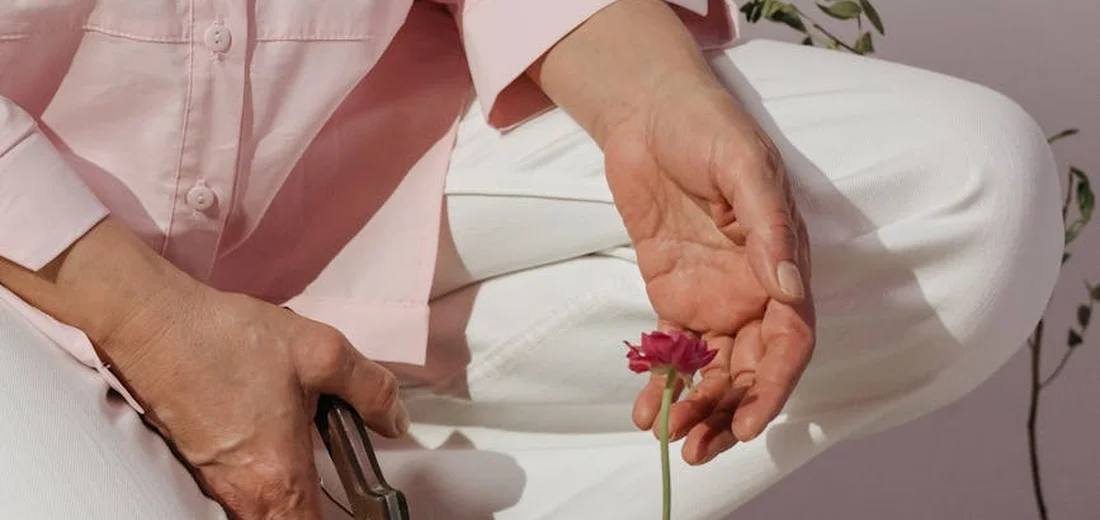
I learned the hard way that neglecting to prune my jasmine led to a tangled, leggy mess with very few flowers. Regular pruning encourages bushier growth and more blooms by redirecting the plant’s energy. For jasmine, I always prune right after its main flowering period ends, cutting back long vines by about one-third and removing any dead or spindly growth.
Lavender requires a different approach to prevent it from becoming woody. I give my lavender a light trim after its first flush of flowers fade, and a harder prune in early spring, being careful never to cut into the old, woody stems. For pineapple plants, pruning is simple; I just use clean, sharp scissors to snip off any brown or dying leaves at the base to keep the plant looking tidy and healthy.
When and How to Repot
The best time to repot all three of these plants is in the spring or early summer when they’re entering their active growth phase. Remember that the best time to repot can vary by plant type. For most tropical houseplants, spring or early summer is ideal as they resume growth. You’ll know it’s time when you see roots peeking out of the drainage holes or the plant seems to dry out suspiciously fast. I wait until my plants are slightly root-bound but not severely constricted.
My repotting process is straightforward. I gently tip the plant out and inspect the root ball. I always choose a new pot that is only 1-2 inches wider in diameter to prevent excess soil from staying wet and causing root rot. Choosing the right pot size is essential for healthy roots and proper drainage. A pot that’s only slightly larger than the root ball helps prevent overwatering and gives the roots space to spread. Here’s my simple step-by-step method:
- Gently loosen the root ball with your fingers.
- Place a layer of fresh, well-draining potting mix in the new container.
- Position the plant so it sits at the same depth as before.
- Fill in around the sides with more soil, firming it gently.
- Give the plant a thorough watering to help it settle in.
Solving Common Problems: Pests and Diseases
Identifying and Treating Pests
I’ve battled my fair share of tiny invaders on these plants. Spider mites adore the dry conditions around jasmine and lavender, leaving behind fine webbing and stippled leaves. My first line of defense is to rinse the plant in the shower or wipe the leaves with a damp cloth. For more stubborn cases, I use an insecticidal soap spray, making sure to cover the undersides of the leaves. These same steps work for indoor plants as well, helping to treat and prevent spider mites indoors. Regular checks and early treatment can keep outbreaks from taking hold.
Mealybugs look like tiny bits of white cotton and can appear at the base of pineapple leaves or in jasmine leaf axils. I dab them directly with a cotton swab soaked in rubbing alcohol, which breaks down their waxy coating on contact. For aphids, which sometimes cluster on tender new jasmine growth, a strong spray of water is often all you need to knock them off. Identifying these common houseplant pests is the first step toward effective treatment. Early recognition helps prevent spread and damage.
Preventing Fungal and Root Issues
The biggest killer of indoor jasmine, lavender, and pineapple plants is almost always overwatering. Root rot is a silent killer, so I always check the soil moisture with my finger before reaching for the watering can. If the soil feels damp, I wait. Good air circulation is your best friend for preventing powdery mildew, a white, dusty fungus that can appear on leaves.
I prevent most fungal issues by avoiding getting water on the leaves when I water, especially in the evening. If you notice yellowing leaves or a musty smell from the soil, act fast by removing the plant from its pot, trimming away any dark, mushy roots, and repotting into fresh, dry soil. A quick tip: adding a little extra perlite to your standard potting mix can dramatically improve drainage for all three of these plants.
Propagating Your Plants for More Green Friends
One of my favorite parts of plant parenting is creating new plants from the ones I already own. It feels like a little bit of magic, and it’s an incredibly budget-friendly way to expand your indoor jungle. For beginner plant parents, having essential tools and supplies—such as pruning shears, rooting hormone, and a spray bottle—makes propagation easier. These basics set you up for success.
Starting New Plants from Cuttings
Propagating jasmine and lavender from cuttings is a simple process I’ve used for years with great success. You just need a healthy “mother” plant, a clean pair of scissors, and a little patience.
Here is my go-to method for water propagation:
- Select a healthy stem that’s about 4-6 inches long. Look for one without any flowers or buds.
- Make a clean, angled cut just below a leaf node (that little bump where leaves grow from).
- Remove the leaves from the bottom half of the cutting. This prevents them from rotting in the water.
- Place the cutting in a jar of fresh water, ensuring no leaves are submerged.
- Put the jar in a spot with bright, indirect light and change the water every few days.
You should see tiny white roots starting to form within a few weeks. I find jasmine roots a bit faster than lavender, which can sometimes take a month. Once the roots are an inch or two long, you can pot them up in a well-draining soil mix.
Growing a Pineapple from a Grocery Store Fruit
Growing a pineapple plant from a store-bought fruit is a fun, long-term project that always impresses guests. I have one on my windowsill that started this way three years ago!
The key is selecting the right pineapple and preparing the top correctly. Follow these steps:
- Choose a pineapple with fresh, green leaves in the center. Avoid any with yellow or brown, sad-looking leaves.
- Firmly grasp the fruit in one hand and the leafy top in the other. Twist the top off-it should come away with a small portion of the fruit attached.
- Peel away the lower, smaller leaves around the base. You’ll see little brownish nubs; these are root buds.
- Let the crown dry out for a day or two. This helps the wound callous over and prevents rot.
- Place the dried crown in a glass of water, submerging only the bare stalk. Keep it in bright, indirect light.
Change the water every couple of days to keep it fresh and watch for roots to appear. This can take several weeks, so don’t get discouraged. Once a healthy network of roots has formed, you can plant it in a cactus or succulent potting mix. Be patient-it will be a few years before you get a new pineapple, but the spiky plant itself is a beautiful reward.
FAQs
Can jasmine, lavender, and pineapple plants be grown in the same indoor environment?
While they can share a room, it’s best to group them by similar light and humidity needs to ensure each thrives.
How long does it typically take for a homegrown pineapple plant to bear fruit?
A pineapple plant grown from a crown typically takes 2-3 years to produce fruit indoors.
Are any of these plants toxic to cats or dogs?
Jasmine and lavender are generally non-toxic, but pineapple plants have sharp leaves that can cause physical injury to pets.
What is the best way to prevent root rot in these plants?
Prevent root rot by using well-draining soil, pots with drainage holes, and allowing the soil to dry out appropriately between waterings.
Can I propagate lavender from seeds instead of cuttings?
Yes, lavender can be grown from seeds, but it’s slower and less reliable than propagation from cuttings.
Why are the leaves on my jasmine plant turning yellow?
Yellow leaves on jasmine often indicate overwatering, insufficient light, or a need for fertilization.
Your Indoor Fragrant & Fruity Oasis Awaits
Success with jasmine, lavender, and pineapple plants comes down to mimicking their preferred natural conditions: give jasmine bright light and humidity, let lavender’s soil dry out completely, and be patient with your pineapple’s long growth cycle. Focus on these three core needs for each plant: bright light for all, well-draining soil for lavender and pineapple, and consistent moisture for jasmine.
You now have the simple, actionable steps to fill your home with beautiful scents and unique greenery. Pick one plant to start with, trust your instincts, and enjoy the rewarding journey of watching them thrive under your care. For absolute beginners, here are essential indoor planting tips to get you started. Focus on the basics: light, water, and drainage. Happy planting!
Further Reading & Sources
- Pineapple Jasmine – Etsy
- Plants To Improve Your Mental & Physical Wellbeing | Rhino Greenhouses US
- White Jasmine & Pineapple Fragrance Oil 17125 – Wholesale Supplies Plus
- Jasmine Companion Plants | Plant Addicts
Lena Greenfield is a passionate horticulturist and plant care expert with over 10 years of experience cultivating and nurturing hardy house plants. With a deep understanding of both indoor and outdoor gardening, Lena shares practical advice on choosing, caring for, and maintaining resilient plants that flourish year-round. Through her knowledge and hands-on approach, Lena helps plant lovers transform their spaces into vibrant, green sanctuaries, no matter their gardening experience.
Light and Temperature